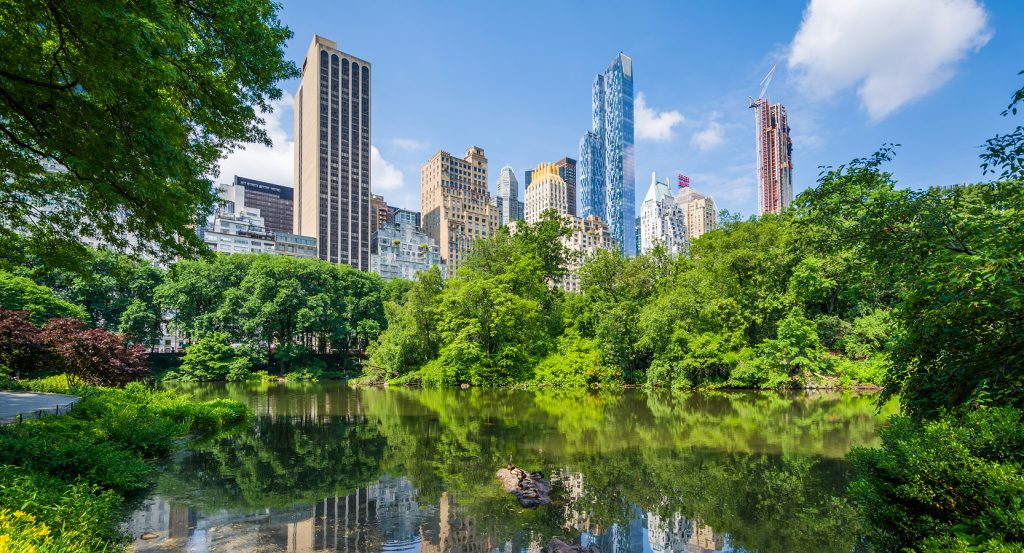
Why you should visit the Conservatory Garden.
You should visit the Conservatory Garden because it’s Central Park’s most refined secret, a six-acre sanctuary where symmetry, serenity, and seasonal color unfold like poetry.
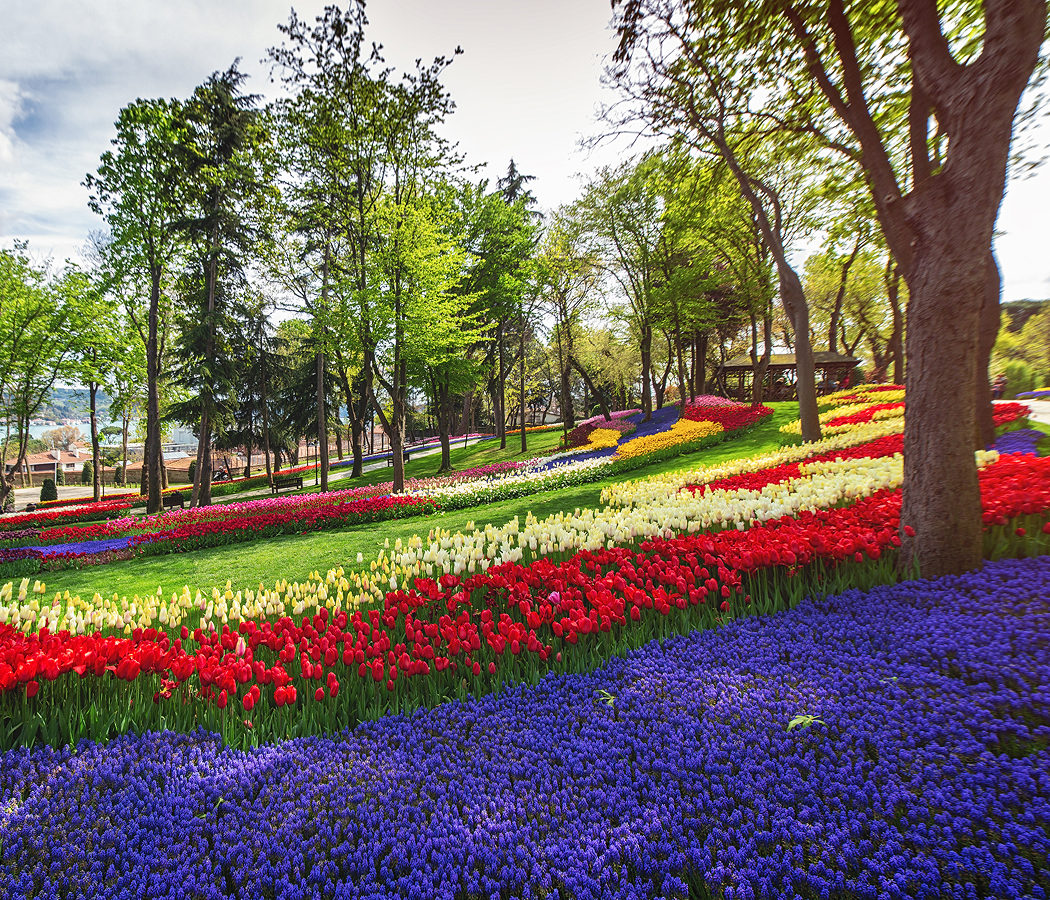
Tucked behind wrought-iron Vanderbilt gates on Fifth Avenue and 105th Street, the garden feels worlds apart from the park’s rolling meadows and casual chaos. It’s formal yet alive, with French, Italian, and English designs harmoniously interlaced, inviting quiet strolls and private thoughts. Every season reinvents its beauty, tulips blaze in spring, crabapple blossoms perfume the air, and autumn cloaks the hedges in golden melancholy. The hush that greets you here feels sacred, broken only by the rustle of leaves and the murmur of fountains. Lovers linger on benches shaded by wisteria, while artists lose hours sketching the flow of petals and light. The Conservatory Garden isn’t simply beautiful, it’s restorative, an embodiment of how discipline and nature can waltz in delicate balance.
What you didn’t know about the Conservatory Garden.
What you didn’t know about the Conservatory Garden is that its perfection is born from persistence, a revival decades in the making.
The original conservatory, built in the late 19th century, was demolished in the 1930s, leaving behind little more than rubble and neglect. In its place, the landscape architect Gilmore D. Clarke and his protégé M. Betty Sprout envisioned something entirely new, a formal garden that would elevate nature through design rather than contain it. Its triptych layout references the great gardens of Europe, yet its spirit remains distinctly New York: inclusive, adaptable, quietly grand. In the 1980s, when the garden fell into disrepair, it was restored thanks to the Central Park Conservancy’s early efforts, marking one of the movement’s first major triumphs. The result is a living artwork that fuses horticultural precision with emotional depth, a garden not meant to impress from afar but to be experienced up close, where every trimmed hedge and arching rose tells of renewal.
How to fold the Conservatory Garden into your trip.
To fold the Conservatory Garden into your trip, allow yourself the luxury of unhurried time.
Enter through the Vanderbilt Gates, pausing to admire their intricate scrollwork, salvaged from the family’s Fifth Avenue mansion, before the garden reveals itself in three movements. Start with the Italian section’s central lawn and its elevated pergola of wisteria, then descend to the French garden, where the Untermeyer Fountain’s three dancing maidens shimmer above seasonal tulip displays. End in the English garden, where winding paths and lilacs invite introspection. Visit in early morning or late afternoon, when the light softens and the city’s noise dissolves into birdsong. It’s a place to think, to breathe, to remember that amid the city’s clamor, beauty still blooms quietly for those who make the effort to seek it.
Hear it from the Foresyte community.
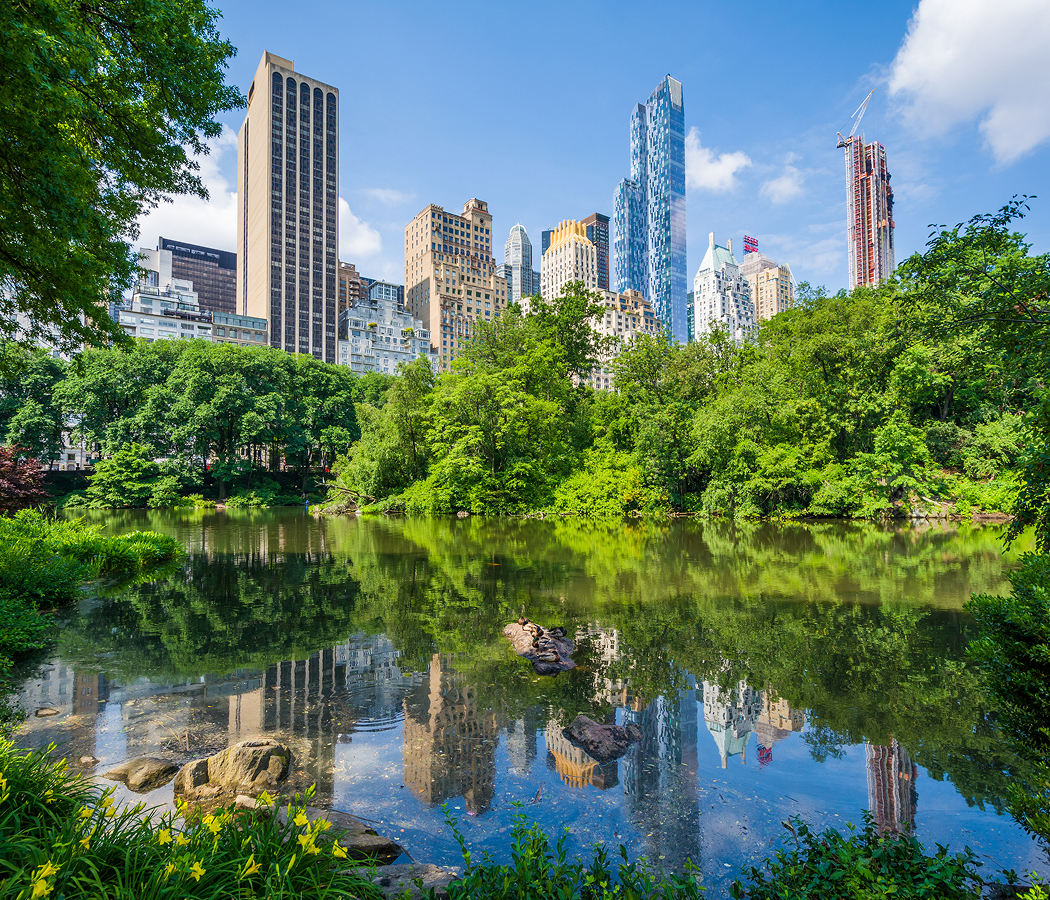
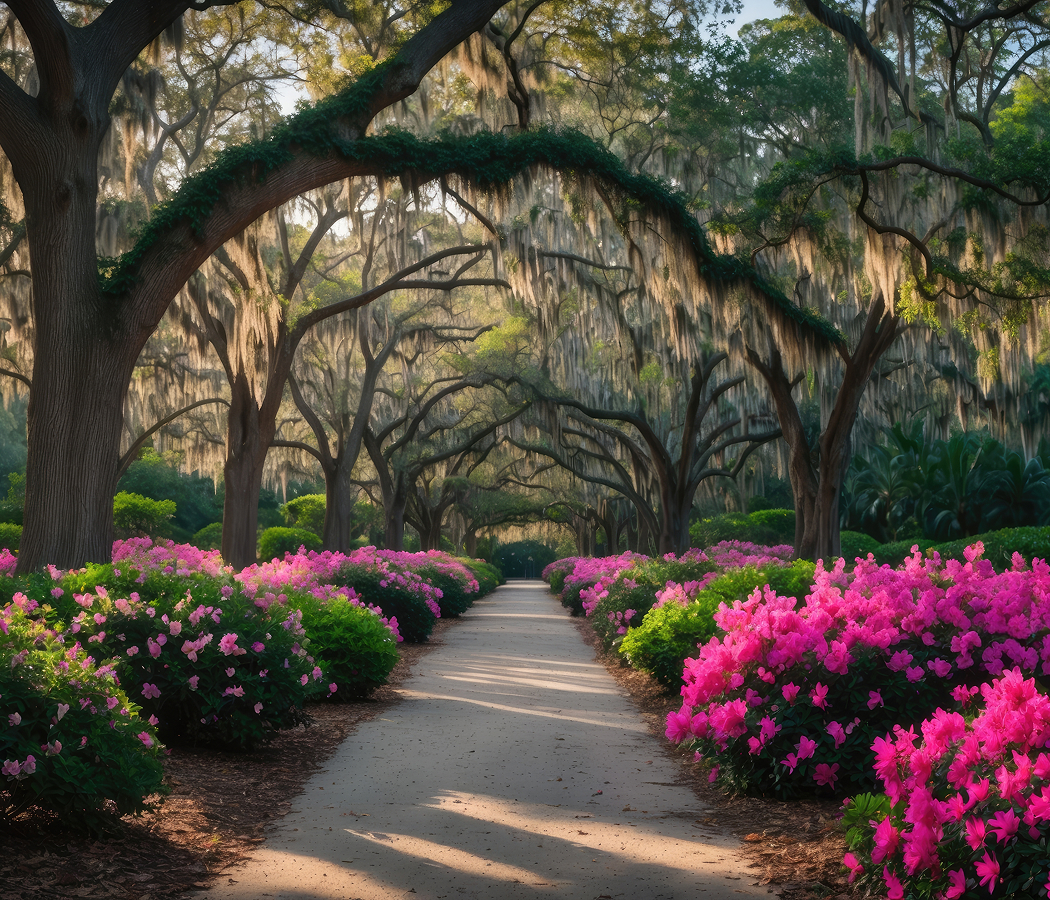
Paths twist from open lawns into quiet tree-lined corners, and every turn feels like its own little escape from the city around you. Joggers, artists, and families. They all cross paths here carving out their own slice of calm in the middle of the chaos.
Where meaningful travel begins.
Start your journey with Foresyte, where the planning is part of the magic.
Discover the experiences that matter most.