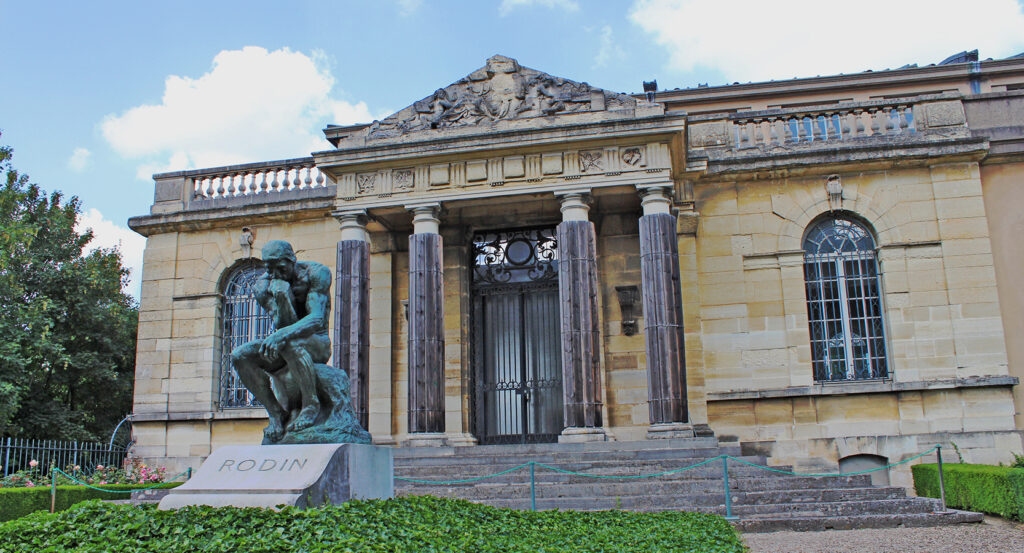
Why you should visit the Sculpture Garden.
The Sculpture Garden at the Musée Rodin is where art exhales, a tranquil counterpart to the mansion’s intensity, alive with movement, air, and sensuality.
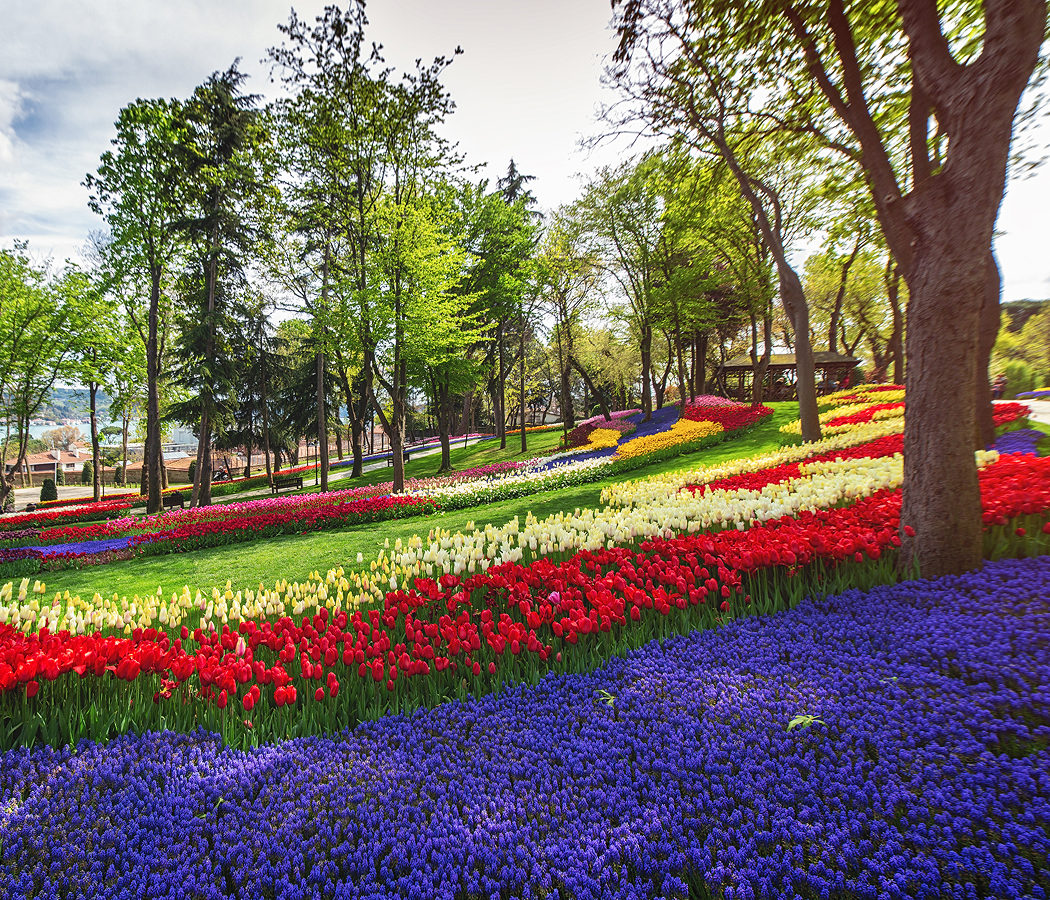
Stepping through the iron gates, you enter a sanctuary sculpted from both nature and imagination. Bronze figures rise among boxwood hedges, each one poised as though caught in eternal dialogue with the elements. The Thinker broods beneath the open sky; The Gates of Hell shimmer in sunlight, their tormented figures softened by birdsong. The balance between the wild and the controlled mirrors Rodin’s own duality, his pursuit of emotion within form, chaos within order. The pathways curve like sentences, leading you toward discoveries that feel accidental but are anything but. Every turn offers a new tableau: statues framed by roses, reflections glinting off still pools, a sudden quiet that feels ancient. The garden is not just an exhibition space; it’s a stage for weather, light, and time, a living collaboration between art and atmosphere.
What you didn’t know about the Sculpture Garden.
What you may not know is that this garden is as much Rodin’s creation as any of his sculptures.
When he began renting the Hotel Biron, the grounds were overgrown and neglected. But Rodin saw potential in the wildness, he envisioned a sculptural landscape where his works could breathe. The layout you walk today is a dialogue between artist and gardener, between permanence and impermanence. Many of the bronze casts here were placed under his direct supervision, their orientation chosen not by curator’s whim but by Rodin’s instinct for light and shadow. The result is a museum experience that changes with the seasons, snow dusting The Burghers of Calais, summer roses framing The Kiss. Even the patina on the bronzes tells its own story, shifting hues with time and weather. The garden was not merely designed to display art but to remind visitors of the natural world’s influence on creation, that the muse isn’t confined to marble halls but found in the rustle of leaves, the fall of rain, the slow passage of clouds overhead.
How to fold the Sculpture Garden into your trip.
To weave the Sculpture Garden into your Paris itinerary, treat it as both a destination and an interlude, a pause between the city’s chaos and its beauty.
Visit during late afternoon, when the light mellows into gold and the shadows stretch long across the gravel paths. Begin at The Thinker and let your gaze wander naturally, resisting the urge to follow a map. Sit on a bench and observe how the sculptures transform as the light shifts, an arm catching a glint of sun, a face disappearing into shade. Bring a journal or simply let your mind drift; this is one of the few places in Paris where introspection feels like an art form. Afterward, stroll to the small café on-site for a glass of wine or espresso, allowing the sensory memory of bronze, wind, and perfume to linger. The Sculpture Garden is not just a collection, it’s a conversation with the divine, one that whispers of the human body, the fleetingness of life, and the immortality of art itself.
Hear it from the Foresyte community.
Art off the beaten path but it’s also kinda spooky. Statues just sit there like they know stuff about you. Way cooler than another crowded Paris museum.
Where meaningful travel begins.
Start your journey with Foresyte, where the planning is part of the magic.
Discover the experiences that matter most.