Why you should visit Getty Center South Pavilion.
You should visit the Getty Center South Pavilion because it is the heart of the museum’s dialogue between art and architecture, a sunlit sanctuary that celebrates human creativity through centuries of expression.
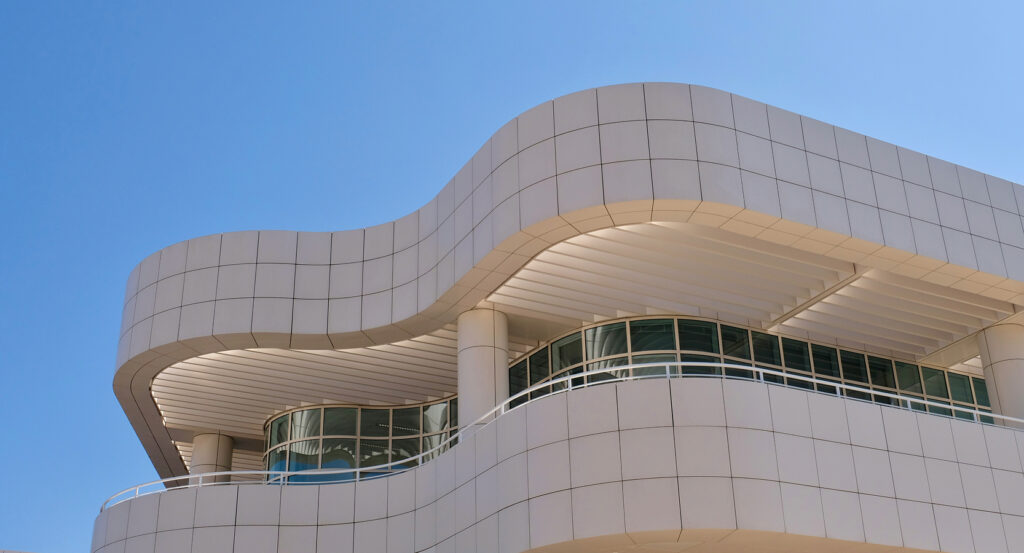
Inside, masterpieces of Baroque and Rococo painting bloom under natural light that filters through carefully engineered louvers, creating a dance of illumination across the canvas. The space feels both intimate and grand, its clean lines amplifying the drama of Rubens, Rembrandt, and van Dyck. Every turn reveals a new emotional register, the tension of myth, the tenderness of portraiture, the opulence of detail. Yet the building itself is never a passive vessel; Meier designed the South Pavilion to participate in the experience, its white surfaces and sharp geometry reflecting not only light but emotion. Standing here, you feel a strange duality, the weight of history balanced by the levity of space. It’s as though the architecture breathes with the art, giving old souls new air.
What you didn’t know about Getty Center South Pavilion.
What you didn’t know about the Getty Center South Pavilion is that it was conceived as a study in how architecture can emulate the emotional rhythm of painting, using light and proportion to provoke sensation rather than merely display it.
The pavilion’s skylight system is a masterpiece of engineering: layers of diffusing material filter sunlight so precisely that each gallery maintains the optimal hue and temperature for viewing. Even the stone used, imported Italian travertine, was chosen for how it absorbs and re-emits daylight, creating an ever-shifting tone that mirrors the brushwork within. Hidden beneath the aesthetic serenity is a complex network of climate controls and acoustical dampeners, ensuring that both the artwork and the visitor experience remain unspoiled. Few realize that Meier collaborated with lighting designers and art historians to choreograph how viewers would emotionally progress through the rooms, from the stillness of early Flemish work to the feverish vitality of 18th-century France. It’s not just a building; it’s an orchestrated encounter with the sublime.
How to fold Getty Center South Pavilion into your trip.
To fold the Getty Center South Pavilion into your trip, give yourself time, at least an hour to drift, unhurried, through its sun-dappled halls.
Start with the Rubens gallery and trace the progression toward the more intimate French Rococo works; let your eyes adjust to the light as it changes subtly from one room to the next. Take breaks by the windows to gaze out toward the Santa Monica Mountains, a reminder that even within the museum’s most opulent interiors, nature remains a constant presence. If you visit in the late afternoon, step outside to the adjacent terrace, where the same light that once illuminated 17th-century canvases now gilds the city below. The South Pavilion rewards those who linger, those who understand that art, like life, reveals its greatest beauty only when you give it time to unfold.
Hear it from the Foresyte community.
Came for the art, stayed for the views. Honestly feels like the whole city is laid out for you up here, with architecture that makes you stare longer than you mean to.
Where meaningful travel begins.
Start your journey with Foresyte, where the planning is part of the magic.
Discover the experiences that matter most.