Why you should visit Senso Ji Temple.
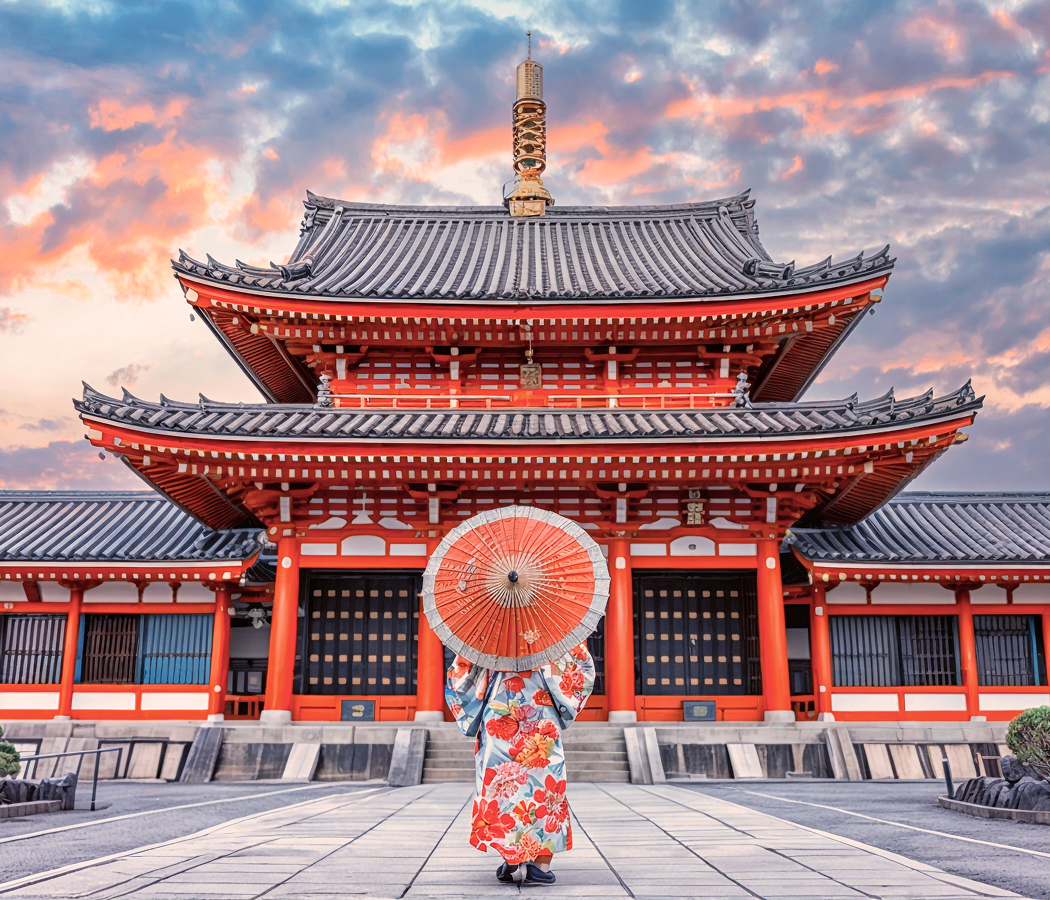
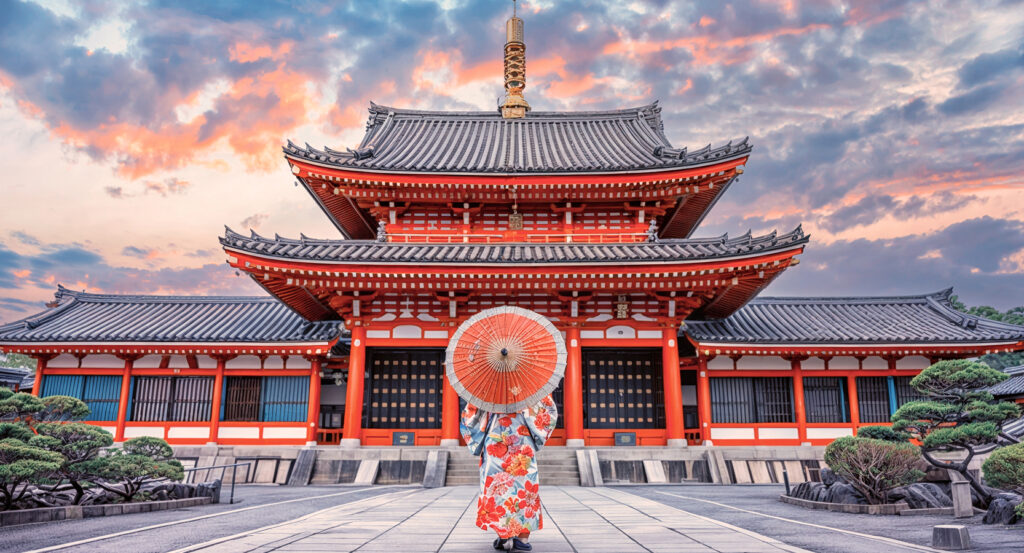
Senso-ji Temple in Asakusa is the soul of Tokyo, ancient, unapologetically grand, and thrumming with energy. Founded in 645 AD, it stands as the city’s oldest Buddhist temple, its vermilion gates and incense clouds welcoming millions each year.
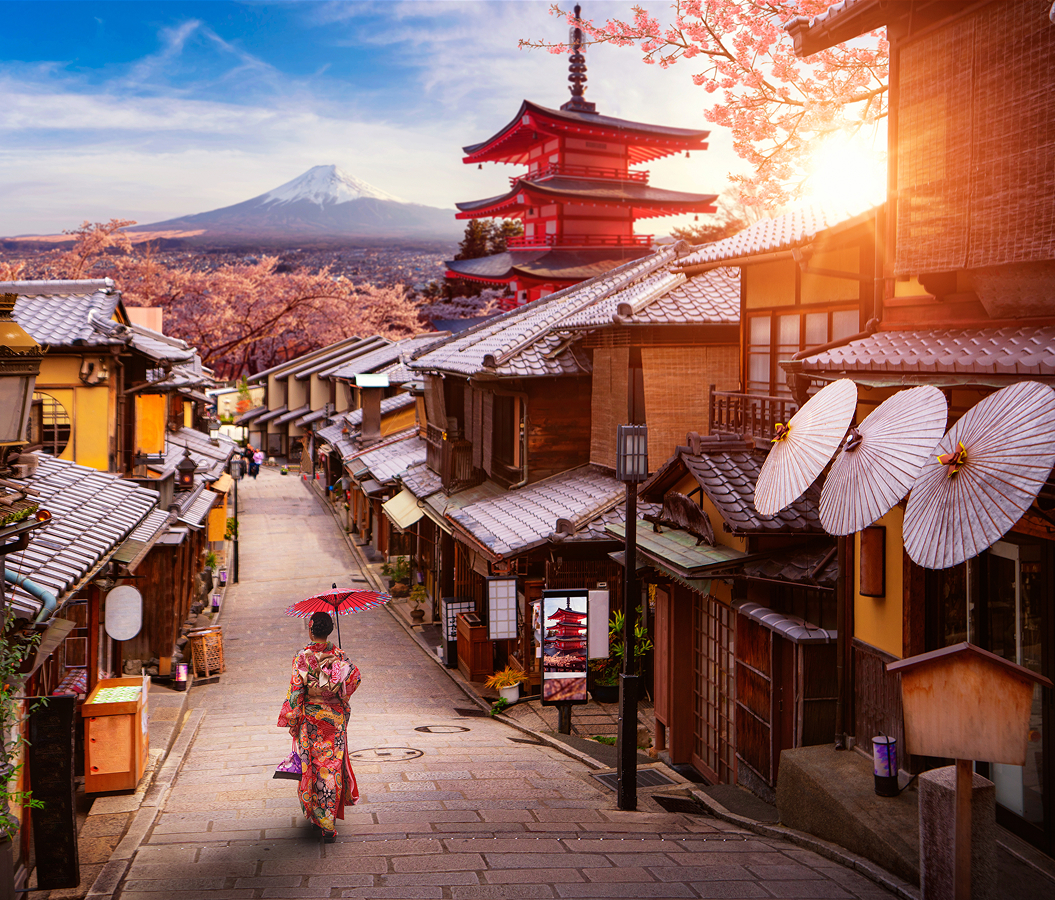
To visit is to feel Tokyo’s spiritual heartbeat, where old-world devotion and contemporary rhythm collide in the most cinematic fashion. The Kaminarimon Gate greets you first, its colossal red lantern swaying gently as crowds stream beneath it, a symbol of both protection and passage. Beyond lies Nakamise-dori, a centuries-old market street selling everything from handcrafted fans to sweet rice crackers, leading to the temple’s main hall. Each step along this pilgrimage feels like time folding in on itself, Edo merchants, Meiji nobles, and modern travelers all bound by the same awe before Senso-ji’s radiant splendor.
What you didn’t know about Senso Ji Temple.
Yet beyond its iconic façade, Senso-ji hides an extraordinary mythology. The temple was founded after two fishermen pulled a statue of Kannon, the goddess of mercy, from the Sumida River, and though they tried to return it to the waters, it always resurfaced.
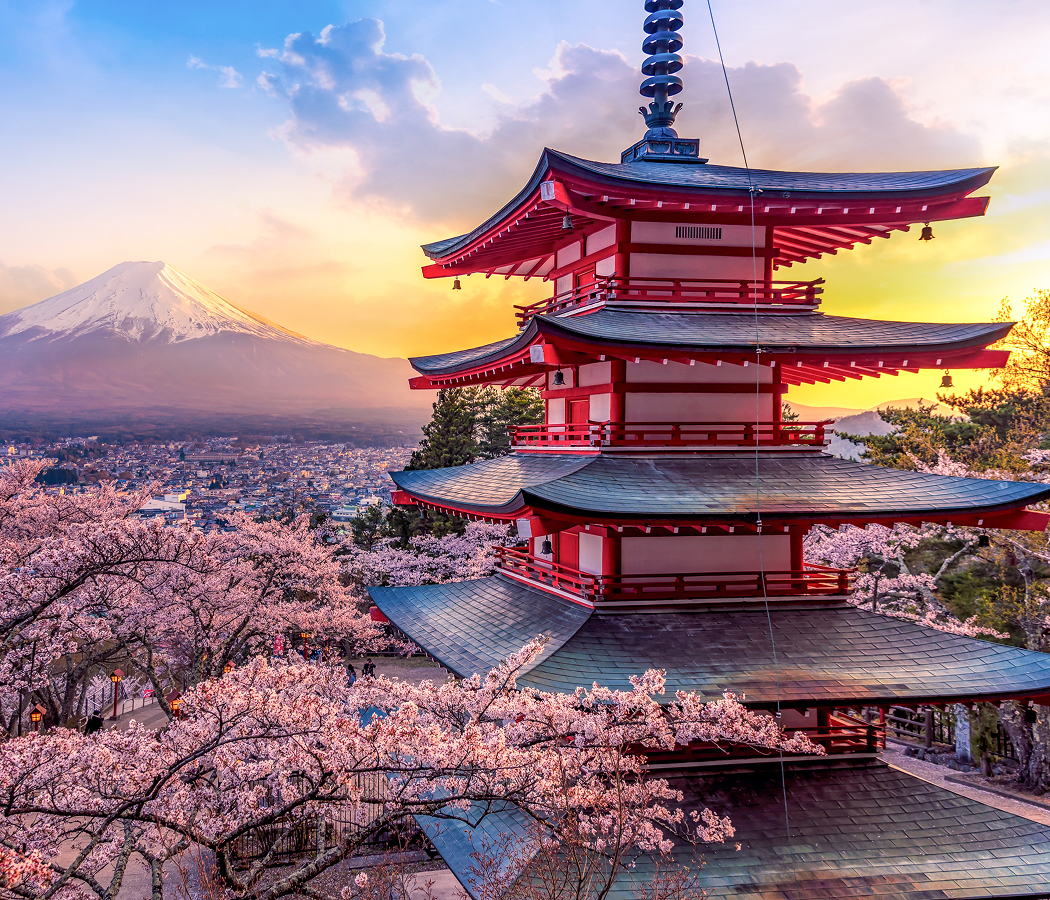
That persistence became prophecy: this sacred site would forever draw seekers of grace and guidance. The temple’s architecture has endured countless fires and wars, yet its spirit has never faltered. Even the main hall you see today, rebuilt in 1958, was reconstructed with devotion, not restoration, a living monument to Tokyo’s resilience. Hidden among the temple grounds are treasures many overlook: the Five-Storied Pagoda that glows like a flame at sunset, the quieter Asakusa Shrine nearby that honors the fishermen who began it all, and the omikuji fortune slips fluttering like prayer flags in the wind. Each layer adds to the tapestry of reverence, resilience, and rebirth.
How to fold Senso Ji Temple into your trip.
To fold Senso-ji Temple into your Tokyo itinerary, visit just after sunrise to witness monks performing morning rituals as the scent of incense thickens the air.
Arrive from Asakusa Station and allow yourself to wander slowly down Nakamise Street before the shops fully open, it’s the only time you’ll feel the temple’s ancient pulse without distraction. If you return at night, the temple transforms again, illuminated in amber light against the indigo sky, serene and cinematic. Pair your visit with a river cruise along the Sumida for a perfect blend of reflection and cityscape, or, for contrast, continue to the nearby Tokyo Skytree to see how centuries of devotion have shaped the skyline that now surrounds it.
Hear it from the Foresyte community.
Night hits different here. Lanterns glowing red, shadows stretching long, and you feel like the city slowed down just for this walk.
Where meaningful travel begins.
Start your journey with Foresyte, where the planning is part of the magic.
Discover the experiences that matter most.