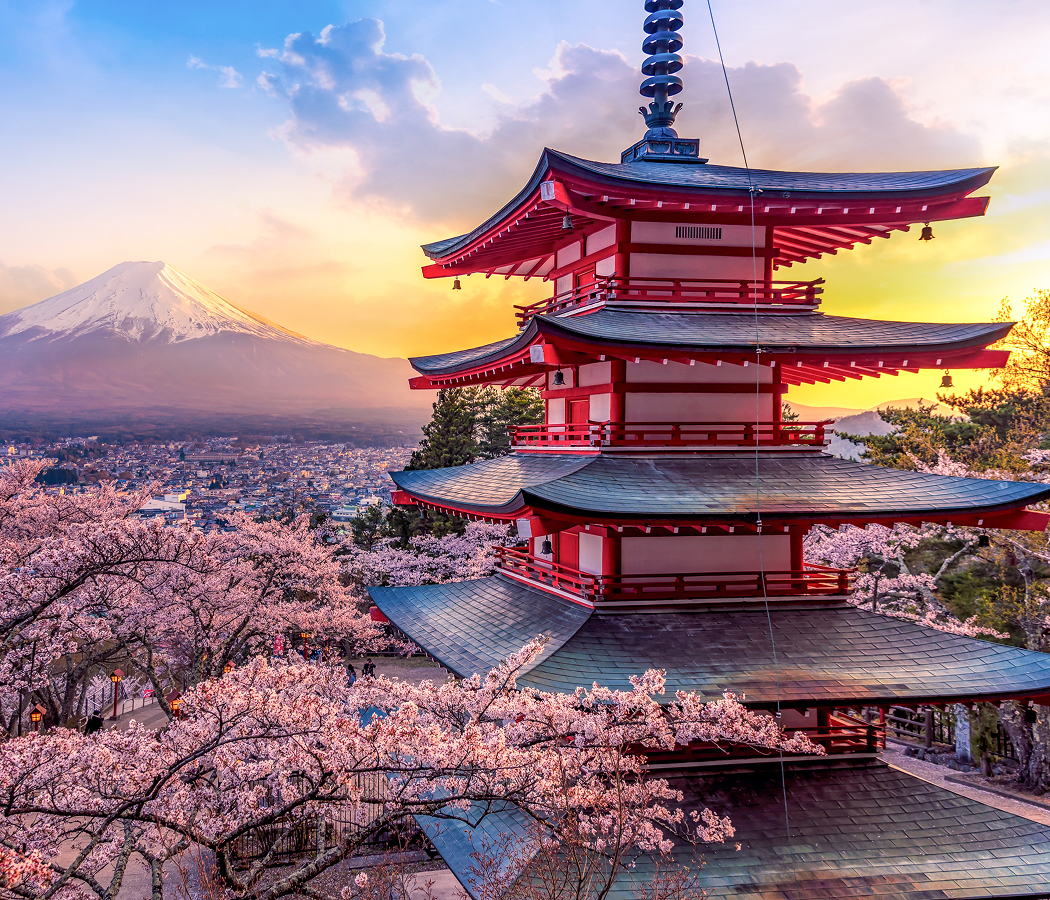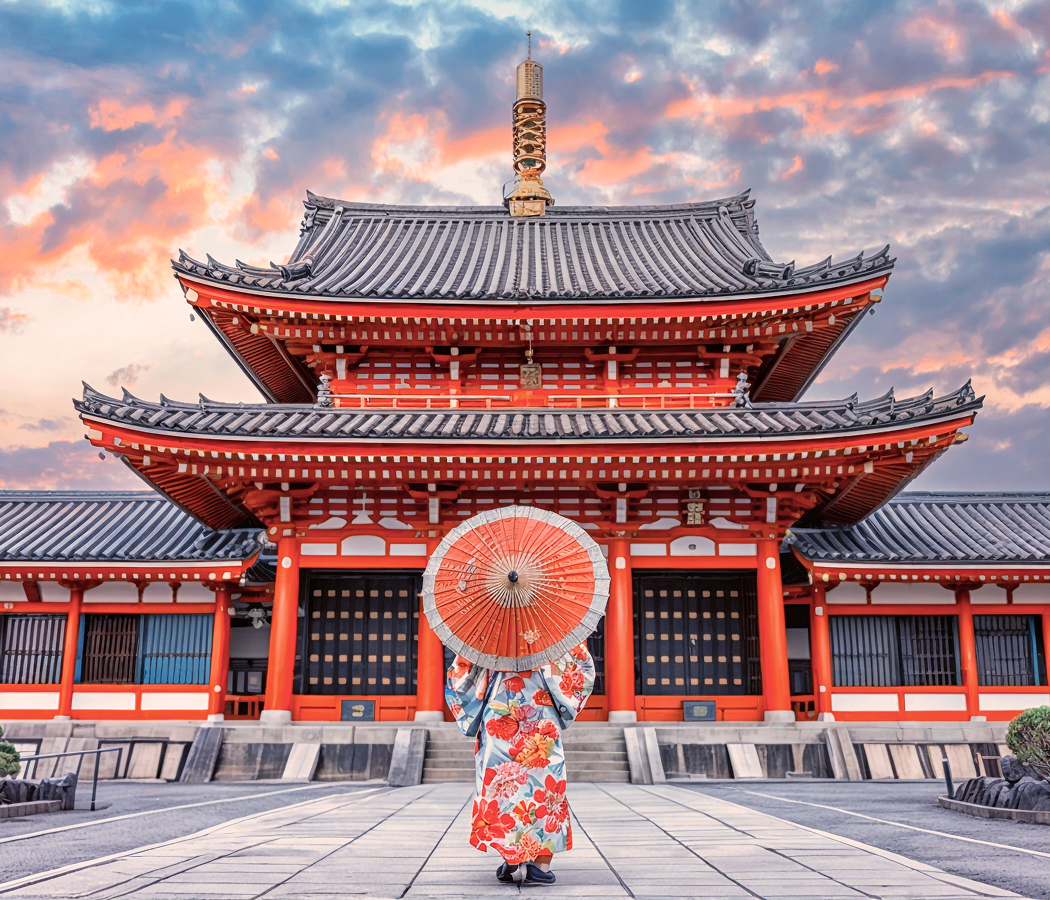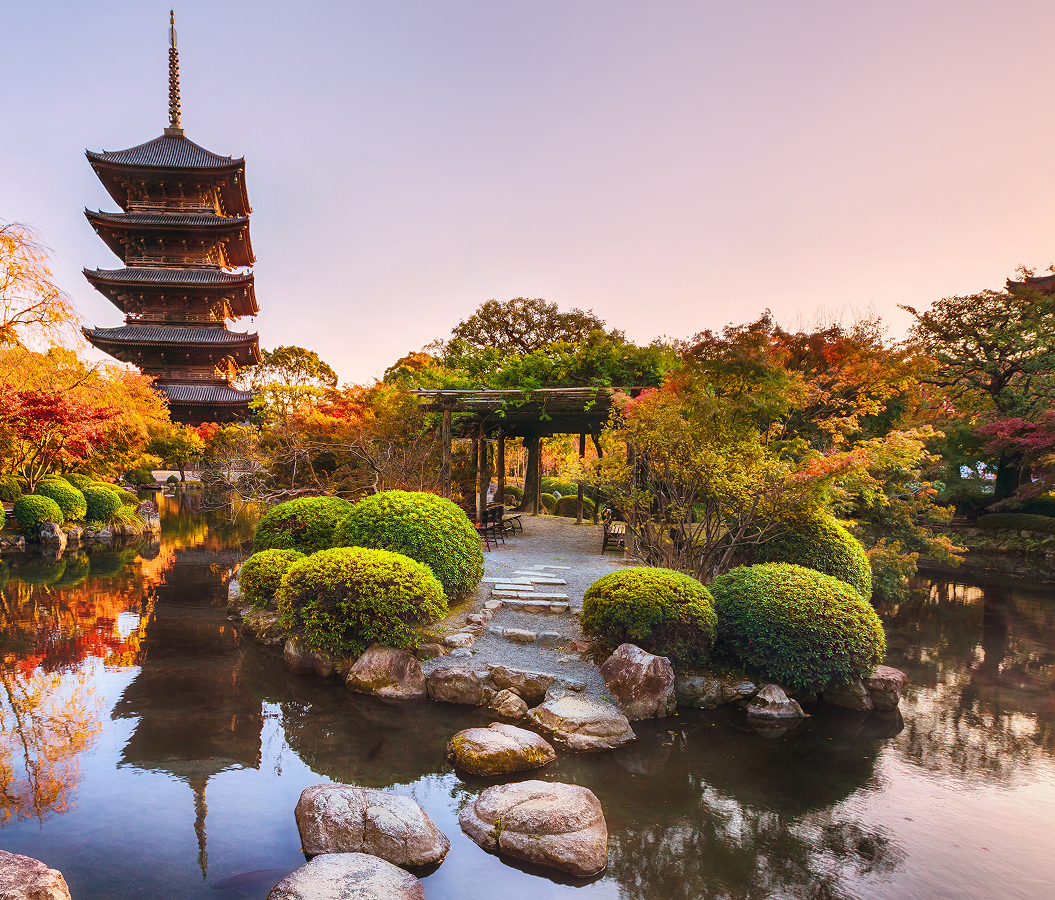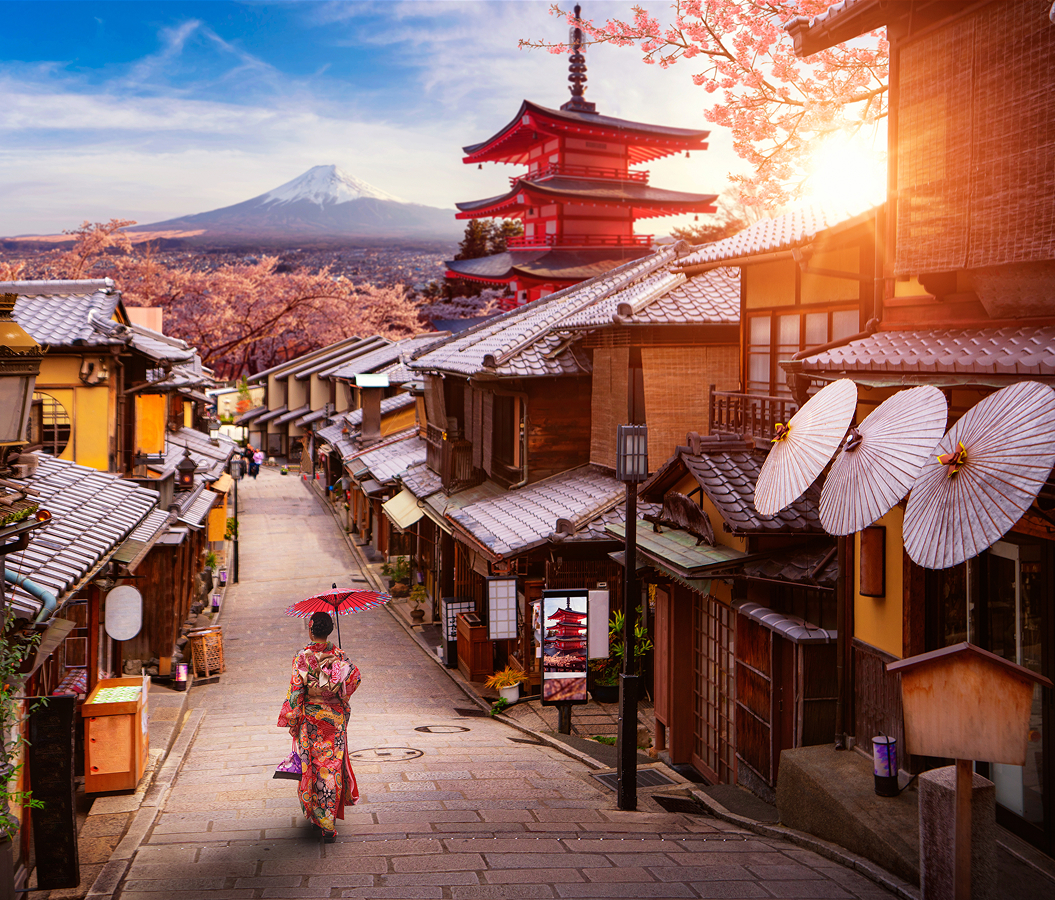
Why you should visit Sensoji.
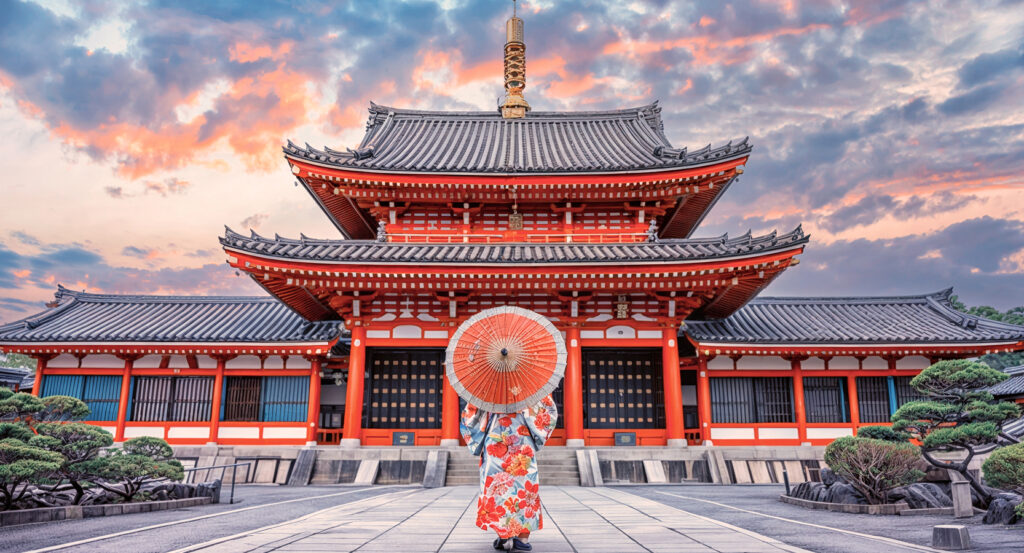
Sensoji is more than a temple, it’s Tokyo’s living memory, pulsing with incense, devotion, and the hum of centuries-old ritual. As the city’s oldest Buddhist temple, founded in 645 AD, Sensoji holds a magnetic power that draws millions each year, from pilgrims to photographers chasing that perfect vermilion glow.
The moment you step through the Kaminarimon, or “Thunder Gate,” crowned by its monumental red lantern, the sensory experience begins. The scent of burning incense mingles with the sweet aroma of yakitori and taiyaki from Nakamise Street, a bustling lane of merchants that has operated for hundreds of years. Beyond the chaos, the Hondo (main hall) stands in striking contrast: serene yet commanding, draped in scarlet and gold. Visit Sensoji not merely for its beauty, but for the living dialogue it holds between ancient faith and modern rhythm, a reminder that reverence and celebration can coexist in one breath.
What you didn’t know about Sensoji.
Most visitors never realize that Sensoji’s story began with an act of fate on the Sumida River. In 628 AD, two fishermen discovered a statue of Kannon, the Goddess of Mercy, caught in their net, no matter how many times they tried to return it to the water, it came back to them.
This persistence was interpreted as divine will, and soon, a small temple was built to honor her. Over centuries, it grew into the magnificent sanctuary that stands today, surviving fires, bombings, and the relentless modernization of Tokyo. Every architectural detail carries hidden meaning: the five-tiered pagoda mirrors the Buddhist path to enlightenment; the incense cauldron outside the main hall is said to grant health to those who bathe in its smoke; even the fortune slips, or omikuji, that flutter in the courtyard, echo a centuries-old belief in destiny and renewal. Sensoji isn’t static, it’s reborn daily through the rhythm of its rituals, a living embodiment of endurance and grace.
How to fold Sensoji into your trip.
To fold Sensoji into your Tokyo itinerary, time your visit strategically, dawn and dusk are when its spirit shines most purely.
Arrive early, when the first rays of sunlight illuminate the temple’s vermilion pillars, and you’ll witness monks reciting morning sutras in the Hondo, their voices carrying softly through the air. Or visit after dark, when the lanterns ignite the complex in golden light, transforming it into an ethereal silhouette against the indigo sky. Pair your temple visit with a quiet walk through nearby Asakusa Shrine or a boat ride on the Sumida River, both steeped in the same spiritual lineage. The temple is a masterclass in harmony, of chaos and calm, of tradition and reinvention, and visiting it will leave you carrying that balance long after you’ve left its gates.
Hear it from the Foresyte community.
Night hits different here. Lanterns glowing red, shadows stretching long, and you feel like the city slowed down just for this walk.
Where meaningful travel begins.
Start your journey with Foresyte, where the planning is part of the magic.
Discover the experiences that matter most.