Why you should visit Toyokan Asian Gallery.
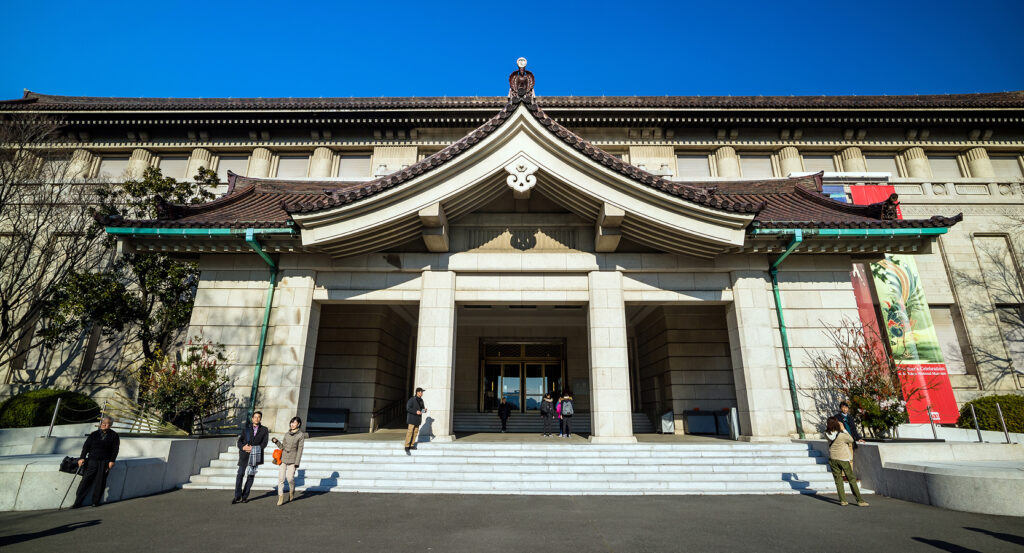
The Toyokan Asian Gallery is where Tokyo’s cultural curiosity reaches beyond its own borders, a tribute to the shared artistic lineage of Asia that transcends national identity.
Originally designed by Yoshiro Taniguchi and later renovated by his son Yoshio, this multi-level gallery is both architectural and philosophical, a visual statement about connection through diversity. Its spiral layout carries you upward like a meditation, guiding you through ancient trade routes and artistic evolutions from Persia to Korea, India to Southeast Asia. Each floor is a revelation: gleaming bronze Buddhas from Gandhara, celestial ceramics from China’s Tang Dynasty, delicate embroidery from the steppes of Central Asia. The air inside feels almost sacred, calm, fragrant with polished wood and distant history. Here, you sense the hum of a continent’s collective imagination, a silent recognition that Japan’s artistry has always been nourished by its neighbors’ gifts.
What you didn’t know about Toyokan Asian Gallery.
What many visitors overlook is how the Toyokan itself embodies a subtle diplomatic vision, one that began decades ago during Japan’s postwar reawakening.
The gallery’s founding mission was not simply to display art, but to rebuild bridges through beauty, to heal old wounds and celebrate a shared human heritage. Its collection tells stories of exchange rather than dominance: the Silk Road’s mingling of faiths, the aesthetic dialogue between Buddhist and Hindu iconography, the translation of Persian motifs into Japanese design. Every artifact becomes a thread in this continental tapestry. The lighting here is tender, shadows designed to cradle, not expose, each relic. And the building’s curving corridors, deliberately narrow in places, heighten intimacy, forcing you to meet each piece eye to eye. It’s not a museum for quick glances; it’s a journey that invites humility.
How to fold Toyokan Asian Gallery into your trip.
To fold the Toyokan Asian Gallery into your exploration of Ueno Park, visit it after the Honkan or Heiseikan to feel the full sweep of Japan’s relationship with Asia.
Allocate at least two hours, more if you linger, as you should, in front of the serene Khmer sculptures or the intricate Mughal jewelry cases. For travelers craving depth beyond the usual Tokyo highlights, Toyokan is a rare gift, an antidote to superficial sightseeing. Its rooftop terrace offers a quiet pause above the park’s bustle, perfect for journaling or simply letting the weight of centuries settle in your thoughts. End your visit by walking south toward the park’s lotus ponds, their calm surface mirroring the sense of connection you’ve just experienced inside, where art proved once again that beauty is humanity’s most universal language.
Hear it from the Foresyte community.
I walked in expecting just glass cases and old stuff, then suddenly I was staring at a sword that felt like it could still end a dynasty. Whole place has weight without trying too hard.
Where meaningful travel begins.
Start your journey with Foresyte, where the planning is part of the magic.
Discover the experiences that matter most.