Why you should visit North Promenade.
The North Promenade unfurls like a contemplative corridor through the Tokyo National Museum’s campus, a place where nature and architecture strike a delicate truce.
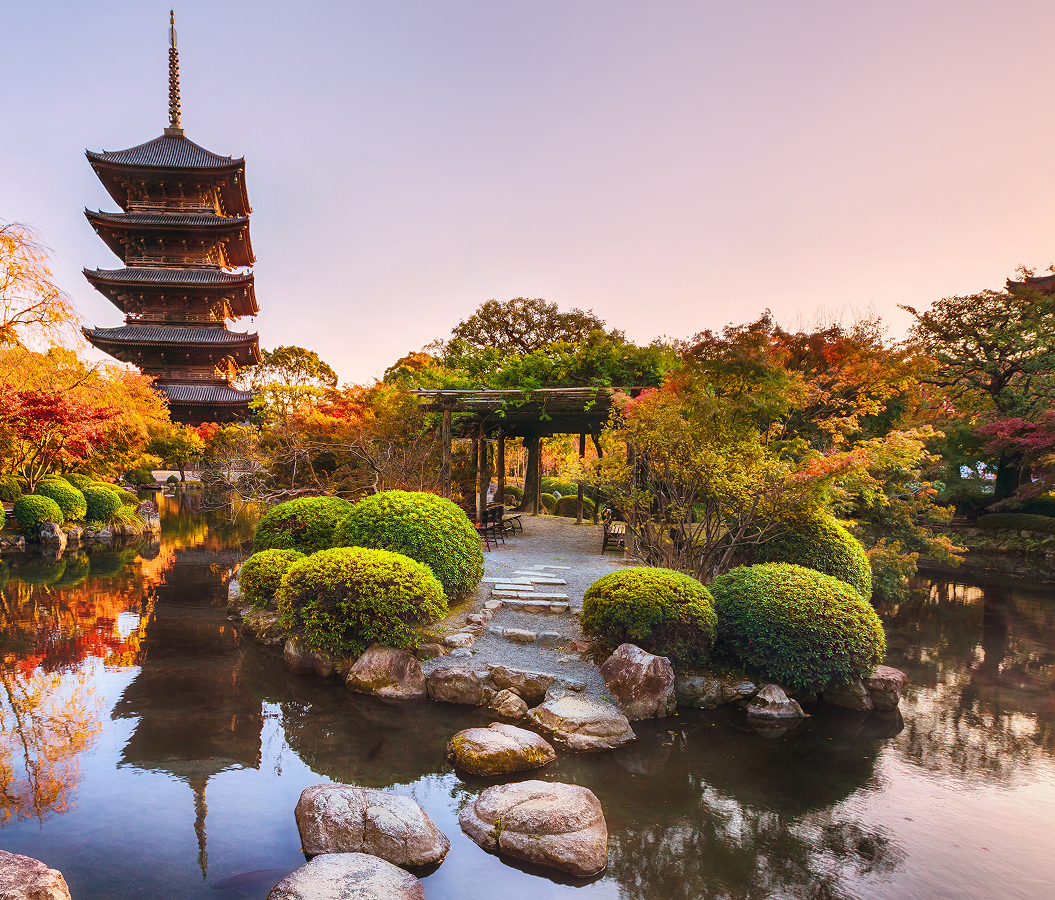
Stretching between the Gallery of Horyuji Treasures and the museum’s other wings, it’s more than a walkway; it’s a meditative passage that connects eras, spaces, and emotional states. Carefully framed views reveal manicured trees, sculpted lawns, and reflecting pools that mirror the sky, each perspective deliberately choreographed to calm the senses. The promenade’s subtle symmetry and natural rhythm evoke the Japanese garden principle of shakkei, borrowed scenery, blending the built and the organic in perfect balance. Walking its length, you feel time elongate; even the city’s distant pulse seems to pause. It’s a rare kind of public serenity, one that belongs as much to the soul as to the body.
What you didn’t know about North Promenade.
What most visitors overlook is that the North Promenade was designed with the same intention as a temple approach, a transitional space between the worldly and the sacred.
Every element serves a purpose: the curvature of the path gently slows your pace, the sound of wind through cedar trees disguises the hum of nearby traffic, and the soft play of light across granite walkways feels almost ritualistic. Subtle nods to Edo-period design philosophies can be spotted in the way stone lanterns are placed to frame the horizon, suggesting both humility and reverence. Even the spacing between benches follows Japanese ergonomic ideals, encouraging rest, reflection, and conversation without intrusion. The promenade’s brilliance lies in its restraint; it doesn’t command attention but earns it gradually, through sensory grace.
How to fold North Promenade into your trip.
To fold the North Promenade into your museum visit, use it as your anchor point, a contemplative pause between the grandeur of the main exhibits and the intimacy of smaller galleries.
Visit in late afternoon when the sun turns amber, and shadows stretch across the stone in quiet choreography. Bring a coffee from the nearby café, find a bench, and simply watch the play of light over the museum’s architecture, a living art piece in its own right. If you’re visiting in spring, cherry blossoms arch softly overhead, painting the path in pastel reverie; in autumn, the gingko leaves flare gold, turning the promenade into a corridor of fire. Either way, it’s the Tokyo few tourists ever truly see, a moment of stillness between worlds, where culture and nature breathe as one.
Hear it from the Foresyte community.
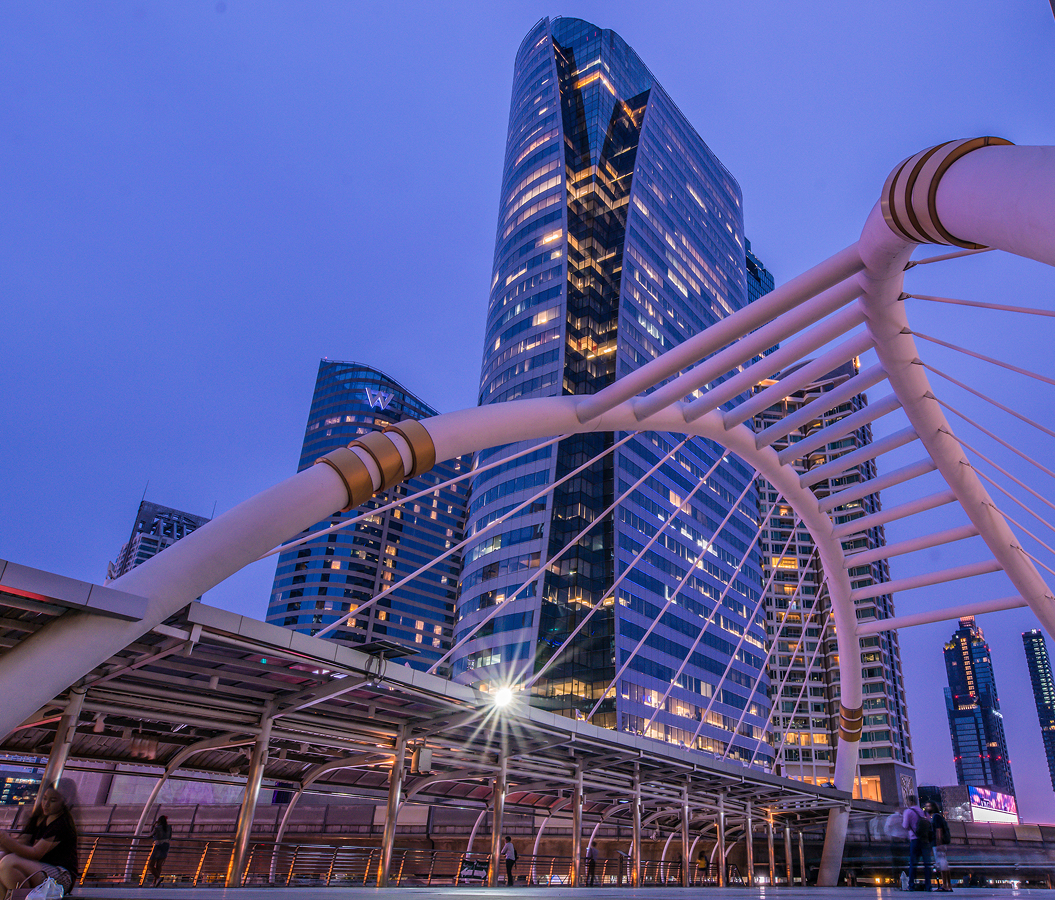
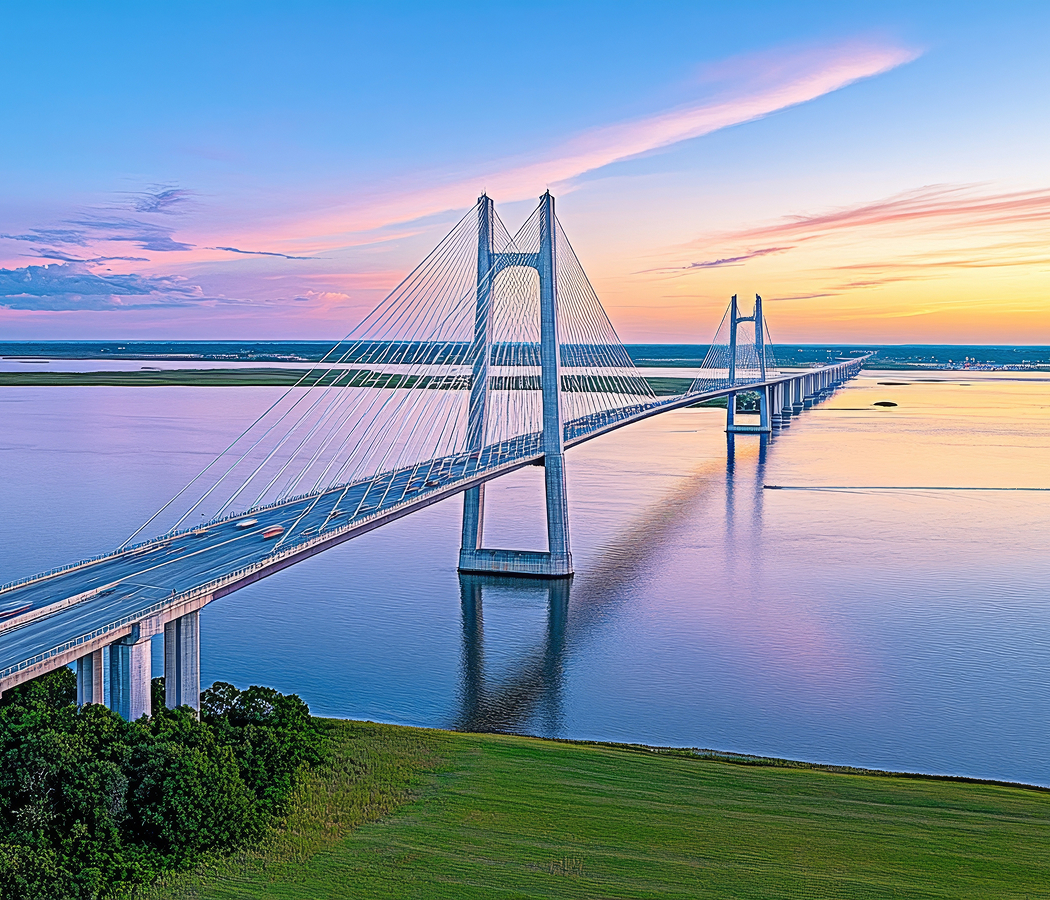
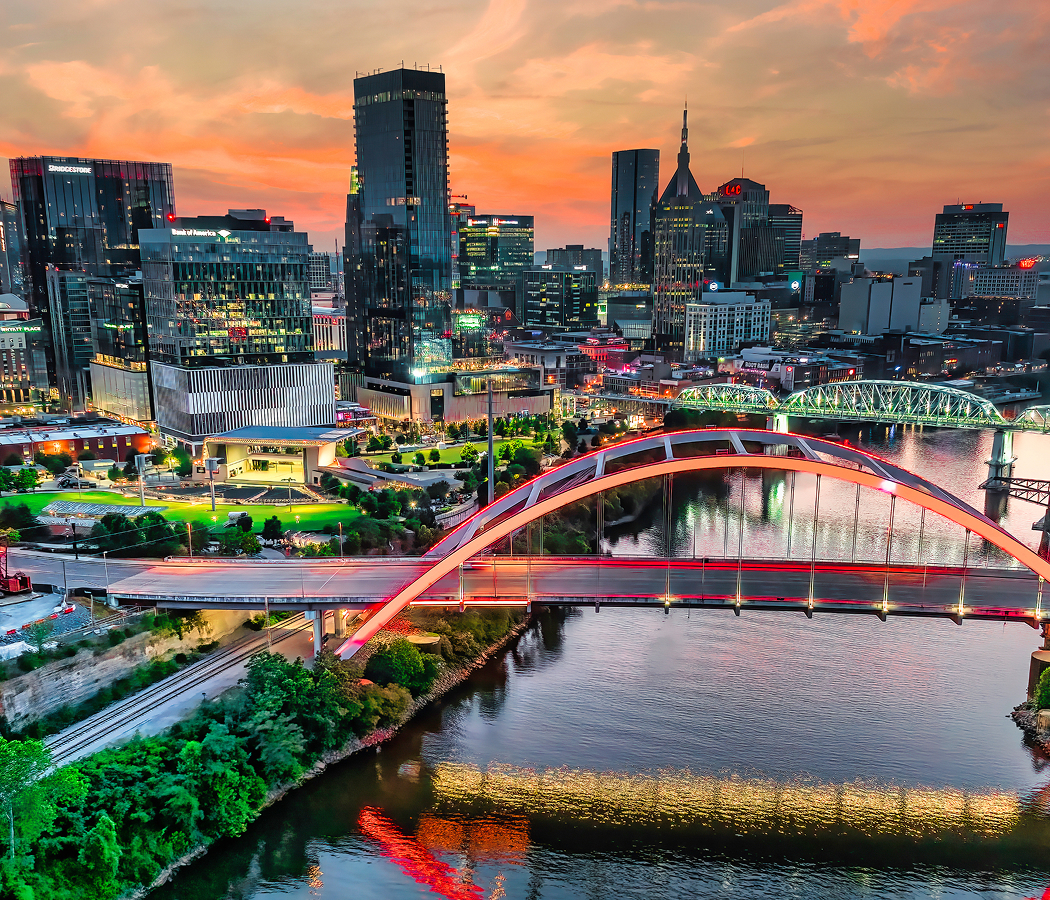
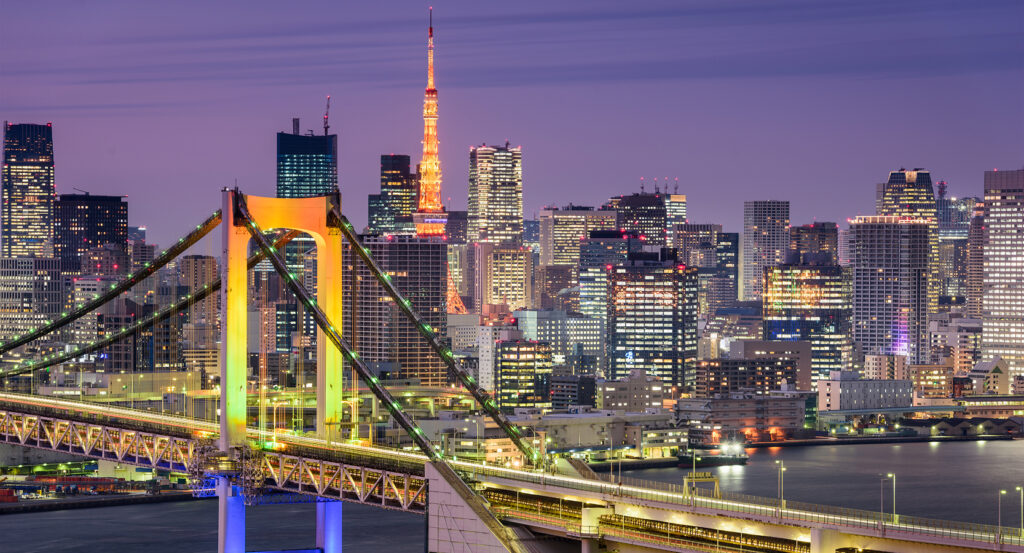
Bridge looks like it’s auditioning for Tokyo’s skyline. Neon glow, stunning backdrop, it’s way too extra in the best type of way.
Where meaningful travel begins.
Start your journey with Foresyte, where the planning is part of the magic.
Discover the experiences that matter most.