Why you should visit Westminster Bridge.
Stretching gracefully across the River Thames, Westminster Bridge connects more than just two banks of London, it unites centuries of history, architecture, and cultural identity in a single sweeping arc of green iron and granite.
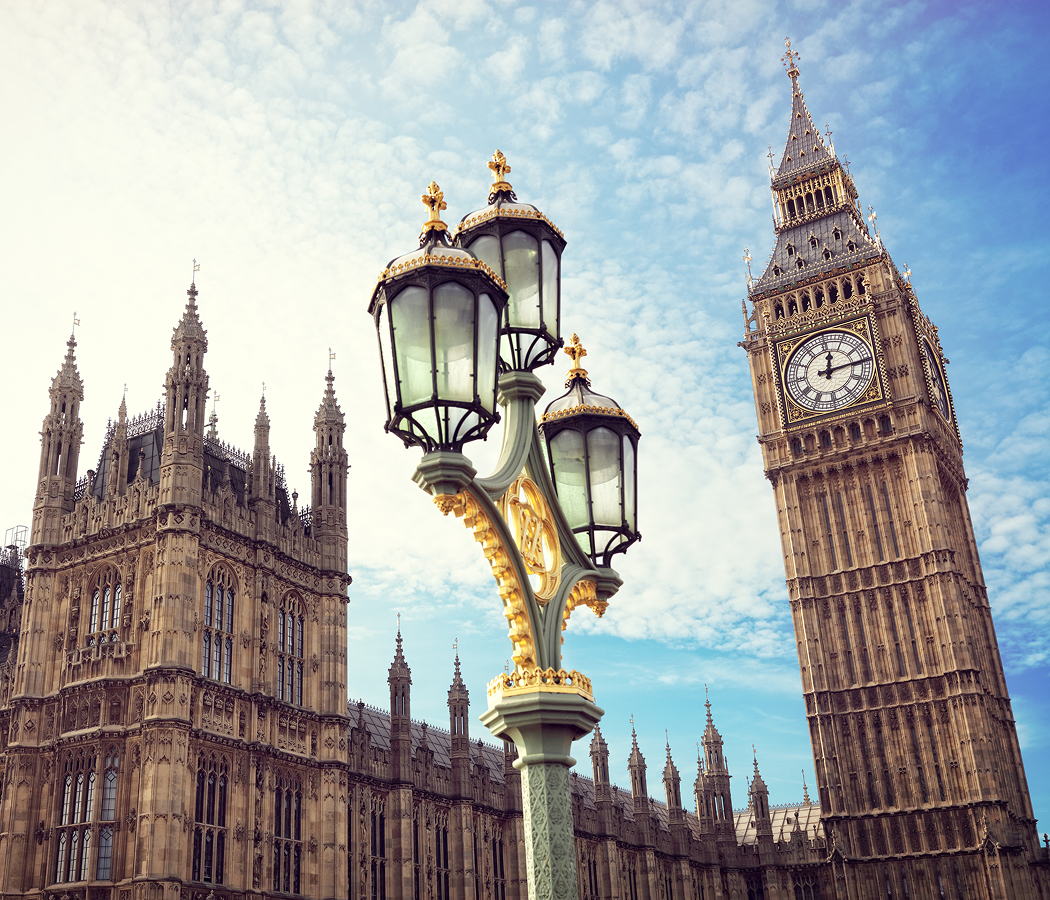
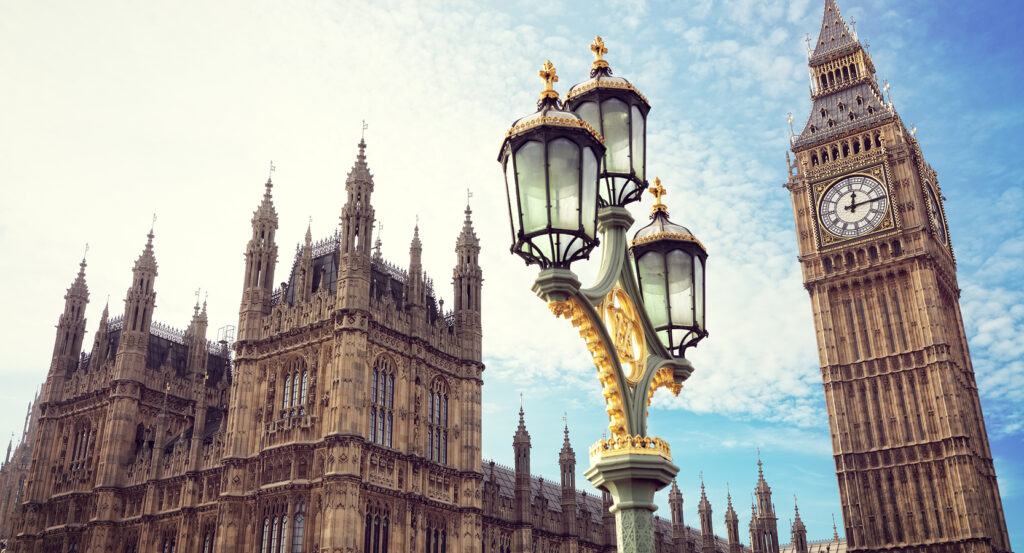
Its seven elegant arches, designed by Thomas Page and opened in 1862, have borne witness to the city’s evolution from a smog-filled capital of empire to a modern metropolis of glass and steel. What makes the bridge so irresistible is its duality: a structure of motion and stillness. On one hand, it hums with the rhythm of buses, cyclists, and pedestrians; on the other, it offers a contemplative vantage where London feels almost cinematic, Big Ben towering to the north, the London Eye spinning gently to the south, and the Thames shimmering beneath. Its soft green hue mirrors the leather benches of the House of Commons, a quiet design choice that folds symbolism into function. Standing here at golden hour, when the low sun burnishes the Parliament façade in amber light, you sense the poetry of London, stately, romantic, and alive.
What you didn’t know about Westminster Bridge.
What many overlook is the bridge’s reputation as both an artistic muse and a survivor of turbulent history.
William Wordsworth immortalized its tranquil dawn in “Composed upon Westminster Bridge,” capturing the paradox of urban stillness that still lingers at sunrise today. Yet beneath that poetic calm lies a tale of resilience, the bridge has endured bombings, floods, and the pulse of millions of footsteps through eras of change. Its predecessor, built in 1750, was London’s second bridge across the Thames and its first west of London Bridge, marking the city’s westward expansion. During the Victorian era, its ironwork became a marvel of craftsmanship, marrying structural strength with ornamentation. Even after restoration in the 21st century, engineers preserved its original cast-iron lattice and Gothic flourishes, keeping alive the romance of a bygone age. Few realize that the bridge’s gentle curve was deliberately designed to follow the river’s flow, a subtle nod to harmony between manmade beauty and nature’s course.
How to fold Westminster Bridge into your trip.
To fold Westminster Bridge into your trip, time your visit for early morning or twilight, when the light transforms it into something transcendent.
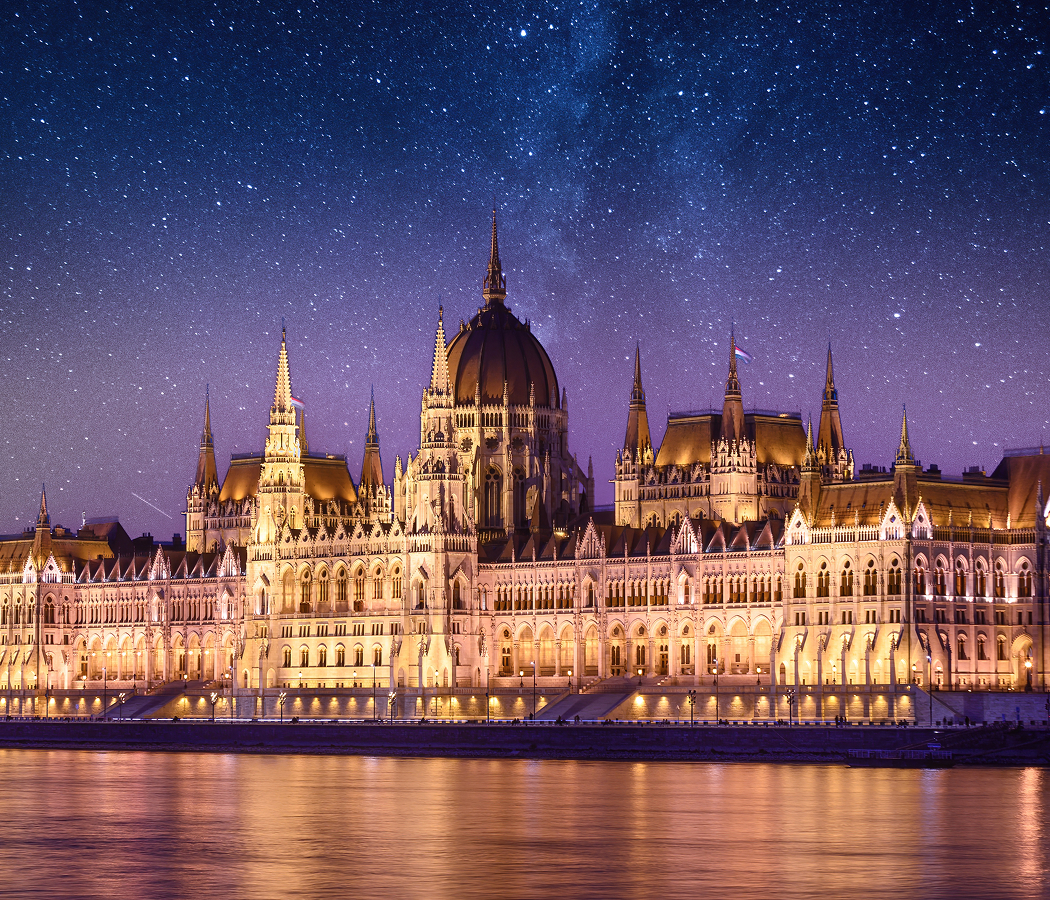
Walk from the south bank near the London Eye, cross mid-span, and pause at the center, here, the panorama opens to reveal London’s soul: the towers of Parliament glowing gold, the river curling away toward distant skylines, and the hum of life echoing faintly from below. For photographers, it’s the city’s most evocative vantage, especially when mist rolls off the Thames or rain scatters reflections across the stone. Pair the experience with a stroll through nearby Southbank’s arts district or a riverside dinner near County Hall to end the evening in view of the tower’s illuminated clock face. Westminster Bridge isn’t just a crossing, it’s a meditation on time, balance, and the quiet grandeur that makes London eternal.
Hear it from the Foresyte community.
Kinda wild the hype for just a clock right? But then you see it up close and it’s massive, dramatic, and yeah it makes you stop scrolling life for a sec. Pop into the houses of parliament if you get a chance.
Where meaningful travel begins.
Start your journey with Foresyte, where the planning is part of the magic.
Discover the experiences that matter most.