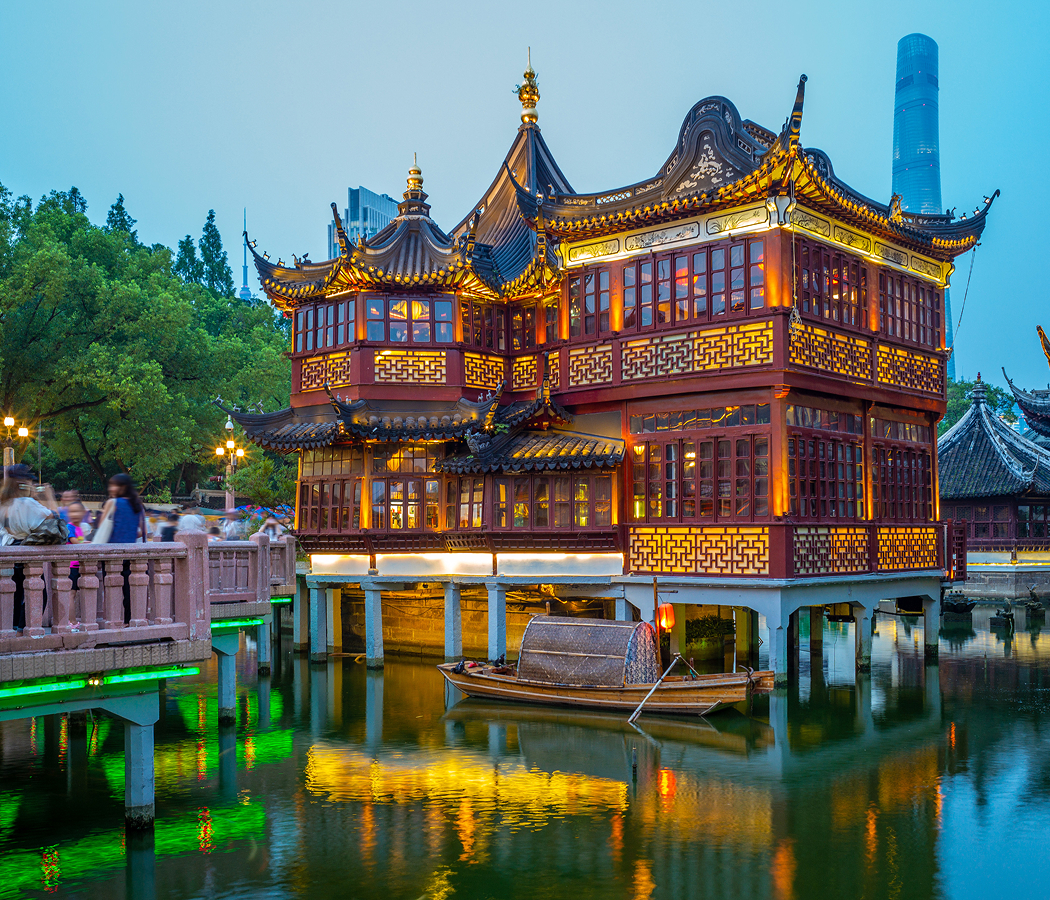
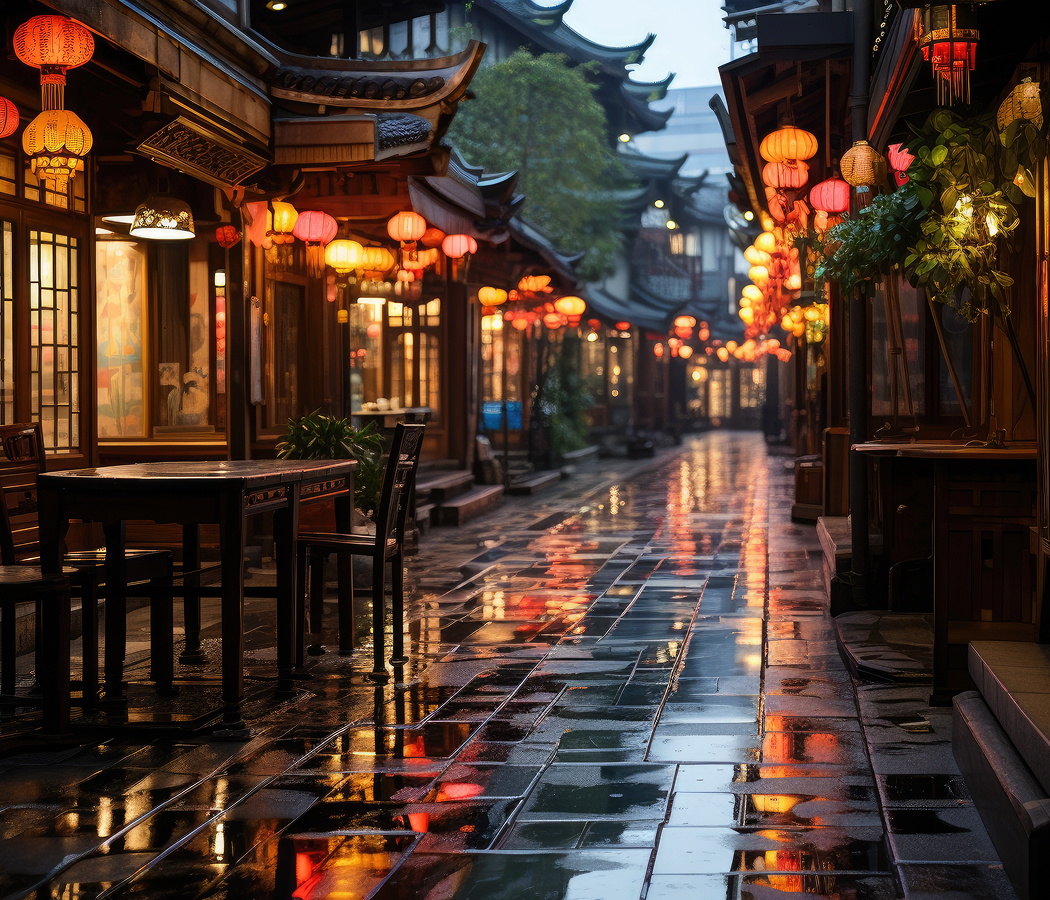
Why Dotonbori matters.
Dotonbori is a historic entertainment district where Osaka Minami's commercial heritage meets four centuries of Japanese performing arts, theatrical performance, and the distinctive food culture that established Osaka as one of Japan's great culinary capitals.
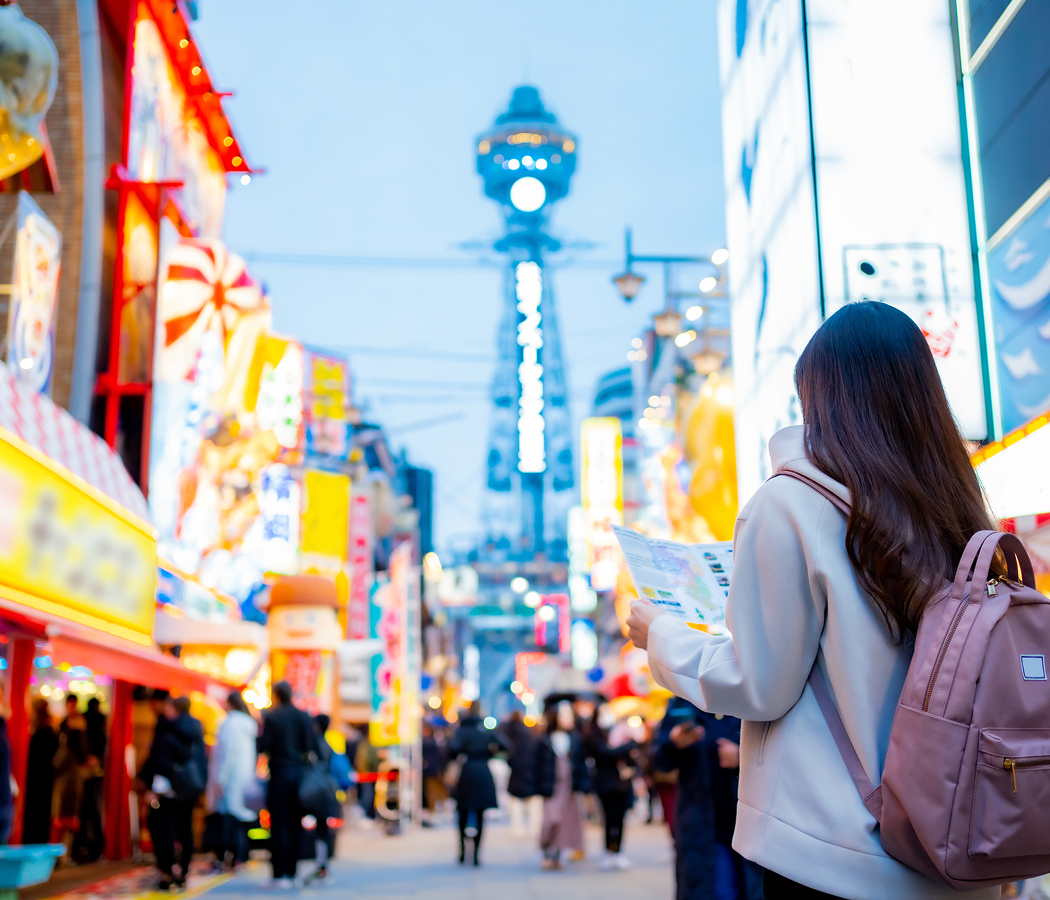
Extending along the Dotonbori Canal through Central Osaka, Dotonbori occupies the commercial corridor between Dotonboribashi and Nipponbashi, with Shinsaibashi's shopping streets approaching from the north, Namba's transportation terminals to the south, and Sennichimae's entertainment establishments extending eastward. The district's defining landscape combines a narrow urban waterway with densely developed commercial streets, pedestrian bridges, and multistory buildings covered in illuminated advertisements. Restaurants occupy narrow frontages beneath enormous sculptural signs depicting crabs, octopuses, and other familiar ingredients of Osaka cuisine. The canal's stone embankments support the Tonbori Riverwalk, a pedestrian promenade that creates a continuous public space beneath the surrounding buildings. Ebisubashi Bridge establishes a central gathering point above the water, with the illuminated Glico Running Man overlooking the crossing. Covered shopping arcades connect the waterfront with adjoining commercial blocks, creating a network of pedestrian routes through the surrounding neighborhood. After sunset, illuminated storefronts and electronic billboards cast shifting reflections across the canal, transforming the waterway into the visual center of the district. The result is an intensely concentrated urban landscape whose commercial architecture, waterfront geography, and pedestrian circulation preserve the character of Osaka's historic entertainment quarter.
What defines Dotonbori.
Dotonbori is best known for developing from an early seventeenth-century commercial canal into the principal theatrical district of Osaka, establishing a relationship between performing arts, merchant patronage, and popular dining that continues to shape the city's cultural reputation. Its origins began in 1612 when Yasui Doton, a local entrepreneur associated with the Toyotomi administration, initiated the excavation of a waterway connecting Osaka's existing canal network. The project sought to improve transportation and stimulate commercial development across land that had previously supported relatively limited urban activity. Doton died during the Summer Siege of Osaka in 1615, when Tokugawa forces destroyed the Toyotomi stronghold and consolidated their control over western Japan. His associate Yasui Doboku continued the excavation under the authority of Matsudaira Tadaaki, the new lord of Osaka Castle, completing the canal that same year. The waterway received the name Dotonbori in recognition of its original promoter, preserving his contribution within the city's expanding commercial geography. A decisive transformation followed in 1626 when Yasui Kyubei received permission to relocate theatrical establishments from the surrounding district to the southern bank of the canal. The concentration of playhouses established a specialized entertainment quarter whose commercial success depended on the relationship between performers, theater proprietors, merchants, and audiences. During the Edo period, Dotonbori developed an exceptional concentration of kabuki theaters, puppet theaters, teahouses, and associated businesses, attracting visitors from across the Osaka region. Its principal establishments became collectively associated with the Five Playhouses, including Naka-za, Kaku-za, Benten-za, Takemoto-za, and Toyotake-za. The development of ningyō jōruri, the puppet-theater tradition subsequently known as bunraku, became particularly consequential through the activities of playwright Chikamatsu Monzaemon and chanter Takemoto Gidayū. Their collaboration helped establish a sophisticated dramatic tradition combining narrative recitation, shamisen accompaniment, and carefully coordinated puppet manipulation. Chikamatsu's The Love Suicides at Sonezaki premiered at Takemoto-za in 1703, introducing a celebrated domestic tragedy whose treatment of love, commercial obligation, and social convention became a major achievement of Japanese dramatic literature. The rivalry between Takemoto-za and Toyotake-za subsequently encouraged further experimentation in dramatic composition and performance, contributing to the development of some of Japan's most influential theatrical works. The district's prosperity also supported the growth of restaurants and teahouses serving audiences before and after performances, creating an enduring commercial connection between entertainment and food. Wealthy merchants arrived by boat and entered establishments along the waterfront, linking Osaka's canal transportation system with its emerging leisure economy. The concentration of theaters persisted through the nineteenth century, although fires, changing entertainment preferences, and the modernization of urban infrastructure gradually transformed the district's physical character. The introduction of cinema during the early twentieth century established another important phase, bringing motion pictures into a neighborhood already associated with theatrical innovation. Osaka Shochikuza opened in 1923 as a major modern entertainment venue, incorporating Western-influenced architectural design into the established theatrical streetscape. The Second World War brought widespread destruction to Central Osaka, accelerating the replacement of traditional entertainment buildings during the subsequent reconstruction. Postwar commercial expansion introduced new restaurants, cinemas, retail establishments, and illuminated advertisements, establishing the foundations of the district's contemporary appearance. Dotonbori's history connects the canal-building ambitions of early modern Osaka, the artistic achievements of Edo-period theater, and the transformation of Japanese popular entertainment through successive centuries of urban development.
The Glico Running Man provides the most recognizable expression of Dotonbori's commercial theater, translating the district's longstanding competition for public attention into expansive advertising. Introduced by confectionery manufacturer Ezaki Glico in 1935, the original illuminated sign presented a running athlete as a symbol of physical energy associated with the company's products. The advertisement subsequently underwent successive redesigns as advances in electrical lighting, sign fabrication, and digital technology changed the possibilities of urban display. Its sixth-generation installation, introduced in 2014, incorporated LED technology capable of presenting changing backgrounds and animated imagery around the familiar runner. The figure's raised arms and forward movement became inseparable from the district's visual character, creating a recognizable symbol of Osaka across advertising, photography, and popular culture. Nearby, Kani Doraku developed another influential form of commercial signage through an enormous mechanical crab whose moving legs transform a restaurant façade into a theatrical attraction. The crab became one of the most familiar symbols of Dotonbori's restaurant culture, demonstrating how businesses adapted the visual language of performance to attract pedestrians. Kuidaore Taro introduced a related tradition through a mechanical drummer associated with the Osaka restaurant Cui-daore, whose animated figure became a celebrated local character. Created in 1950, the mascot developed into a recognizable expression of the city's humor, commercial exuberance, and affection for theatrical display. These advertisements belong to a broader visual culture in which competing restaurants use enormous three-dimensional objects, moving figures, and illuminated lettering to establish their presence within a densely developed commercial environment. The district's culinary reputation developed alongside these displays through the popularization of Osaka specialties associated with the regional tradition of konamon, or flour-based cooking. Takoyaki became particularly important through the development of small grilled batter balls containing octopus, prepared in specialized iron pans that create their characteristic rounded shape. Okonomiyaki developed through a different application of the griddle, combining cabbage, seasoned batter, and selected ingredients into a substantial savory preparation. Kushikatsu introduced another recognizable specialty through skewered ingredients coated in breadcrumbs and fried until crisp, establishing a distinct relationship between inexpensive ingredients and carefully controlled cooking techniques. These foods became closely associated with kuidaore, the Osaka expression describing an enthusiasm for eating to the point of financial extravagance. The district's restaurant culture also incorporates sushi, udon, ramen, crab, and other preparations representing the broader development of Japanese urban dining. The concentration of specialized establishments creates a culinary landscape shaped by competition, technical specialization, and the continuous movement of customers through the surrounding streets. The opening of the Tonbori Riverwalk in 2004 introduced another significant transformation by reconnecting pedestrians with the canal itself, establishing a waterfront promenade beneath the district's elevated commercial streets. The resulting public space provides a different perspective on the architecture and advertising above, allowing visitors to experience the relationship between the historic waterway and its contemporary entertainment landscape. Dotonbori's distinctive character emerges through this continuing relationship between theatrical presentation, commercial innovation, and the food traditions that developed around Osaka's historic entertainment industry.
How Dotonbori fits.
Dotonbori works as the centerpiece of an exploration connecting Osaka's historic theatrical institutions, the religious traditions of its merchant communities, and the commercial streets that shaped the development of the city's principal entertainment district.
Begin at Osaka Shochikuza Theatre, the historic performance venue occupying a prominent position near the western end of the district. Established by the Shochiku entertainment company, the theater became an important institution for the presentation of kabuki, modern drama, musical performance, and cinema. Its expansive façade incorporates architectural elements associated with European theater design, preserving the cosmopolitan character of Japanese urban entertainment during the Taisho period. The building's subsequent renovation renewed its facilities for contemporary productions and established a substantial auditorium capable of accommodating elaborate theatrical performances. Its continuing program connects the surrounding commercial district with Japan's classical performing arts, preserving a direct relationship between Dotonbori's historic theatrical specialization and its contemporary cultural institutions. Continue to Hozenji Temple, the intimate Buddhist sanctuary occupying a secluded precinct south of the main commercial thoroughfare. Founded in 1637, the temple developed a longstanding relationship with the merchants, performers, and visitors who frequented Osaka's entertainment quarter. Its celebrated Mizukake Fudo statue represents Fudo Myo-o, a Buddhist guardian deity associated with spiritual determination and protection. Worshippers pour water over the figure during prayers, and generations of repeated offerings have covered its surface with a thick layer of green moss. The adjoining Hozenji Yokocho preserves narrow stone-paved lanes, traditional restaurant entrances, and hanging lanterns that recall the intimate commercial spaces surrounding the city's historic religious institutions. Conclude at Shinsaibashi-suji Shopping Street, the extensive covered commercial arcade extending northward from the waterfront toward the central shopping districts of Osaka. Its origins belong to the early development of the city's merchant neighborhoods, when commercial streets expanded around the crossings connecting Shinsaibashi with the entertainment quarter. The arcade subsequently developed into one of Osaka's principal retail corridors, accommodating traditional merchants, department stores, international fashion retailers, and specialized shops. Its continuous covered passage creates a substantial pedestrian route through the surrounding urban blocks, preserving the relationship between historic commercial geography and contemporary retail development. The adjoining streets connect with Amerikamura and the wider Minami shopping district, extending the commercial landscape beyond the canal. The progression moves from Osaka Shochikuza Theatre's performing arts heritage through Hozenji Temple's religious traditions and culminates at Shinsaibashi-suji Shopping Street's historic retail corridor, connecting Dotonbori's entertainment culture with the broader commercial development of Osaka.
Where your story begins.
Foresyte Travel reveals places that feel extraordinary long before you arrive.
Enjoy editorial crafted for luxury travelers.
Foresyte may earn a commission when you book.