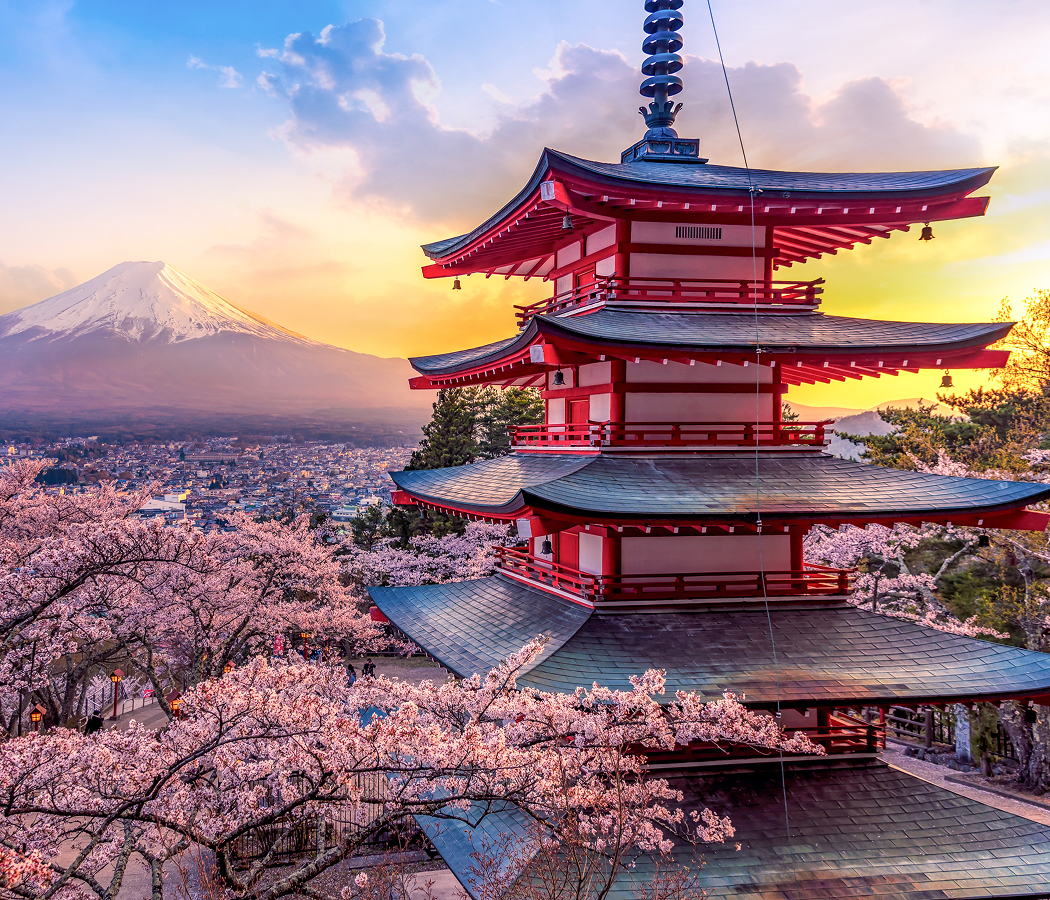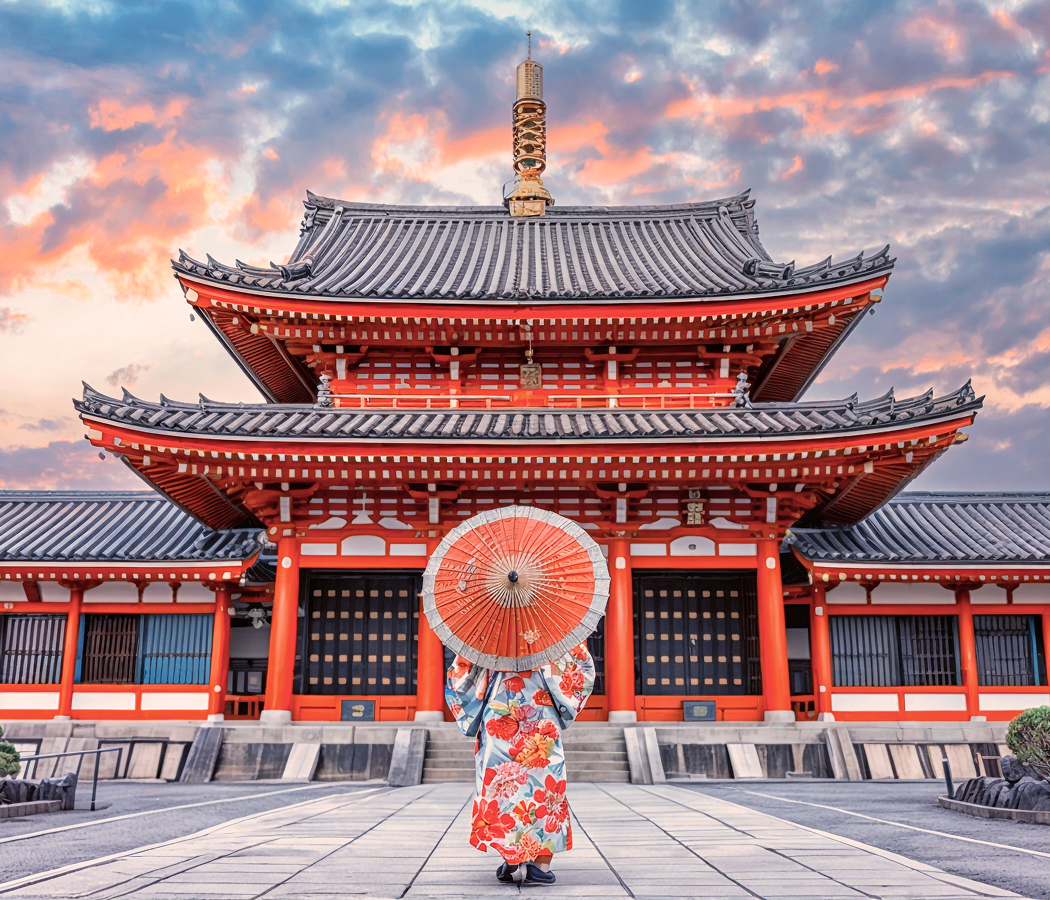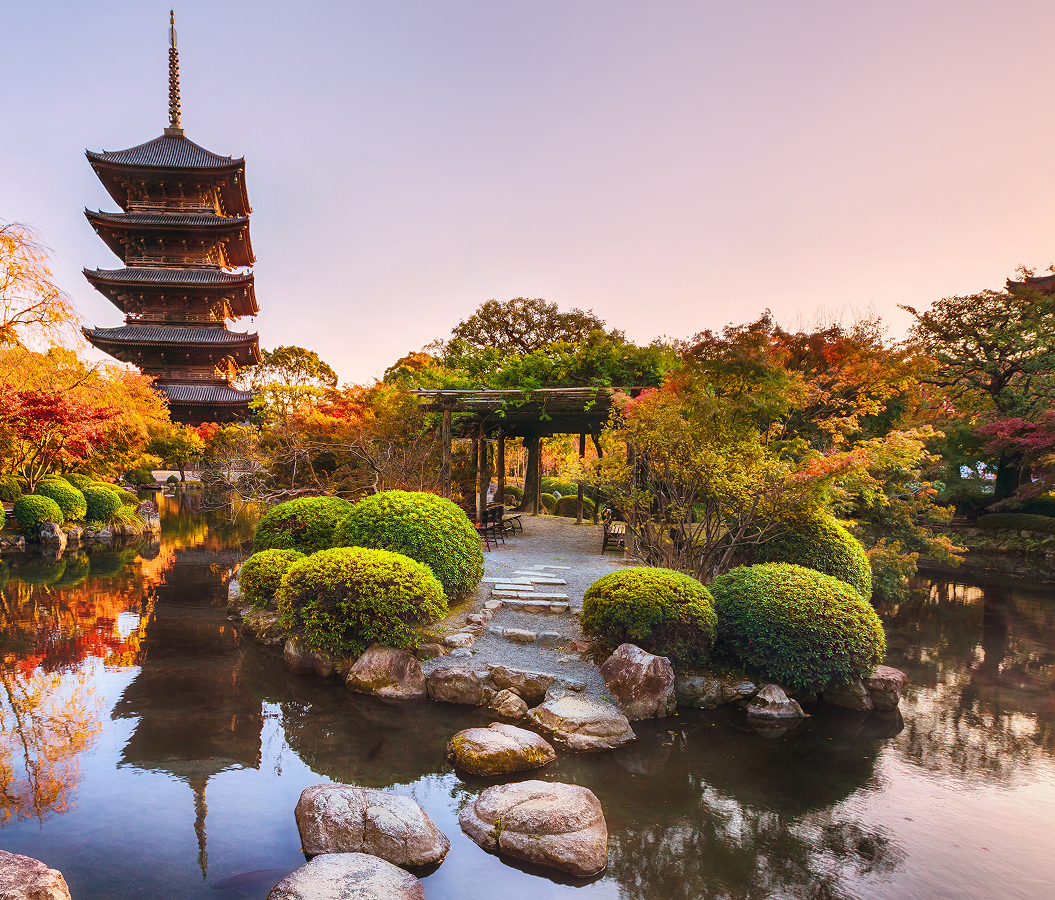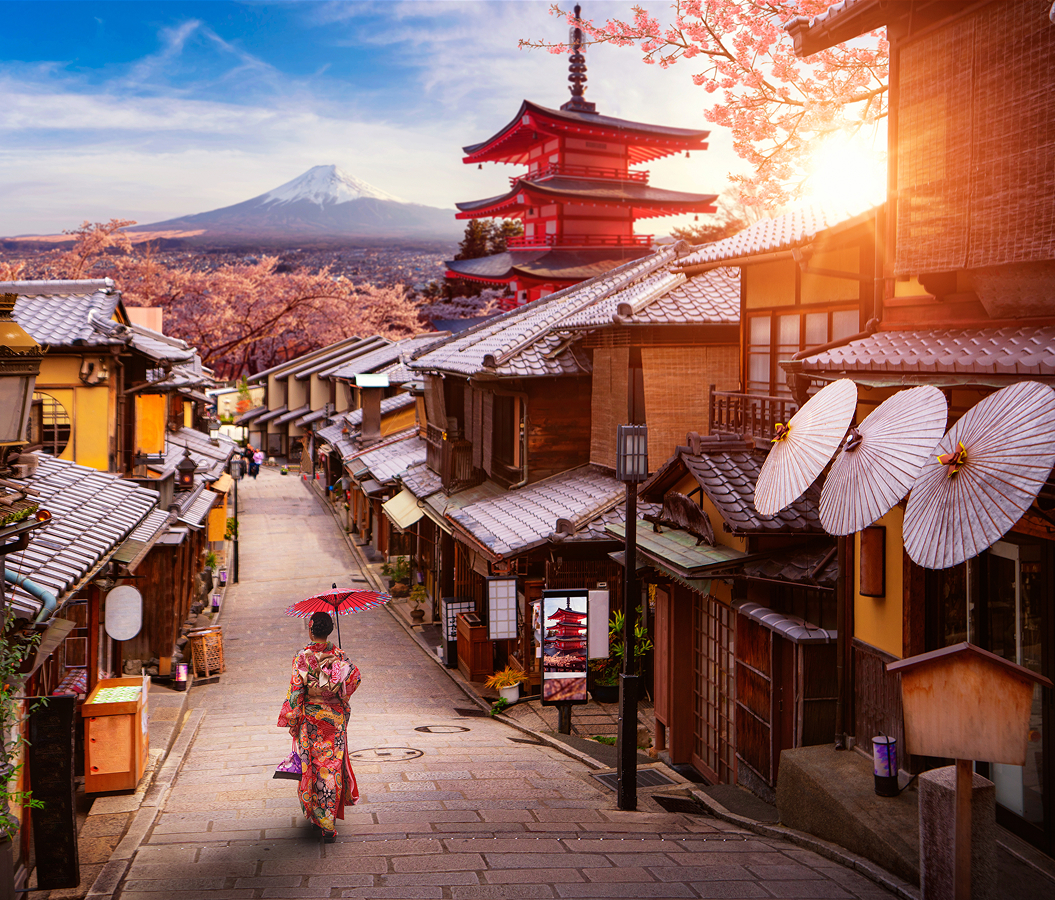
Why you should visit Hikawa Shrine Akasaka.
Hikawa Shrine in Akasaka is one of those rare sanctuaries in Tokyo where time appears to hold its breath. Tucked behind the modern skyline of Roppongi and Akasaka, the shrine emanates a quiet magnetism, a serenity so profound it feels almost cinematic. The approach itself sets the tone: a tunnel of ancient zelkova trees forms a natural cathedral, their leaves filtering the city’s chaos into whispers of light. Founded over a millennium ago, this Shinto shrine honors the deities Susanoo-no-Mikoto and Kushinadahime, protectors of love, harmony, and courage. What sets Hikawa apart is not grandeur but grace, the slow unfolding of space, from the stone torii to the vermillion main hall, each step like a verse in a poem you can walk through. It’s the kind of place where even the air feels sanctified, heavy with cedar and history.
As you stand before the shrine’s courtyard, Tokyo dissolves into something timeless. The surrounding silence is almost orchestral, the rustle of trees, the distant hum of cicadas, and the faint clack of a priest’s wooden sandals merging into a rhythm older than the city itself. It’s a reminder that spirituality in Japan isn’t about spectacle, it’s about presence, about remembering what it means to be still enough to listen.
What you didn’t know about Hikawa Shrine Akasaka.
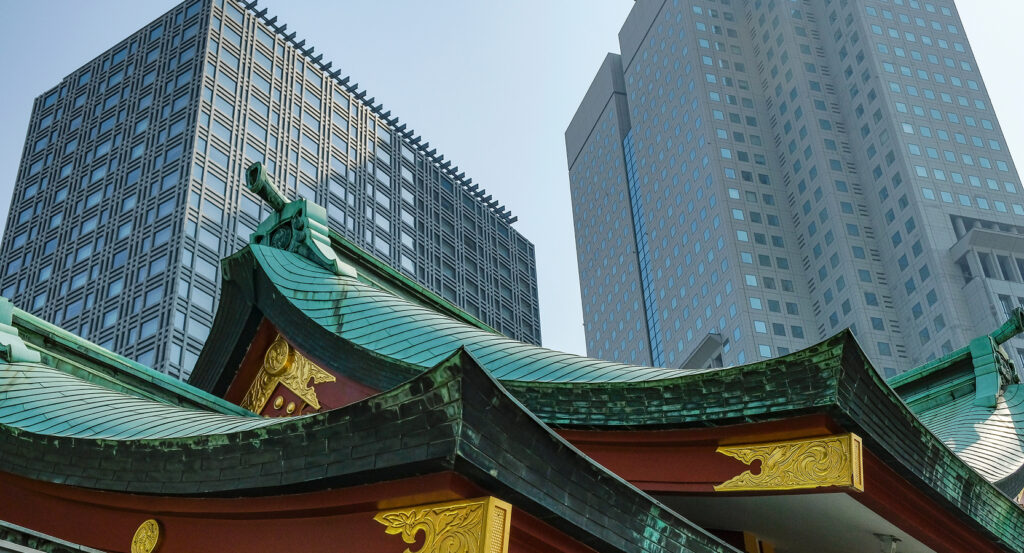
What most visitors don’t realize about Hikawa Shrine is its deep ties to Tokyo’s cultural and political heart. Though serene, it’s long been favored by statesmen, artists, and even samurai of the Edo period seeking divine favor before pivotal decisions. Its proximity to the Imperial Residence and Akasaka Palace is no coincidence, this shrine has quietly influenced the rhythm of Japan’s modern identity. The architecture, too, holds subtleties often overlooked: the cypress-bark roof, elegantly curved eaves, and lacquered carvings all embody shinmei-zukuri, a style rooted in purity and proportion. Few notice the small Inari sub-shrine tucked near the entrance, a nod to prosperity and renewal, still tended with offerings of rice and sake.
During September’s annual Hikawa Festival, the grounds come alive in luminous color. Lanterns line the paths, portable shrines parade through the streets, and the air smells faintly of incense and sweet rice cakes. Beneath the festivity, though, is something sacred, a continuity between centuries that refuses to be broken.
How to fold Hikawa Shrine Akasaka into your trip.
To fold Hikawa Shrine into your journey, visit early in the morning or during golden hour when light drapes the main hall in amber tones.
Pair it with a stop at nearby Akasaka Palace for a compelling juxtaposition, spiritual quiet and imperial splendor. The shrine’s calm will anchor you before diving back into Tokyo’s pulse. On weekdays, you’ll often find locals coming to pray before work, their routines brushing gently against ritual. Bring coins for an omikuji fortune slip, tie it to the sacred tree, and let the city’s energy recalibrate around you. In a metropolis that never sleeps, Hikawa Shrine reminds you that the most luxurious experience might simply be stillness itself.
Hear it from the Foresyte community.
One minute you’re bowing under shrine gates, the next you’re sipping cocktails on a rooftop. Whole area is like Tokyo flipping its own before-and-after shot.
Where meaningful travel begins.
Start your journey with Foresyte, where the planning is part of the magic.
Discover the experiences that matter most.