Why you should visit Honkan Japanese Gallery.
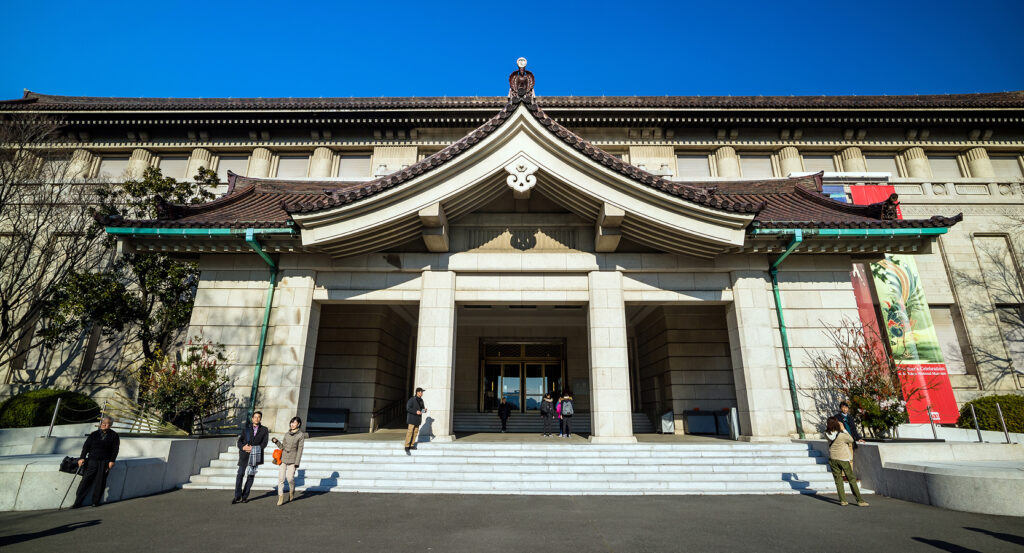
The Honkan Japanese Gallery, centerpiece of the Tokyo National Museum, is where Japan tells its story not through words, but through beauty, refined, deliberate, and profoundly human.
Every corridor feels like a pilgrimage through the soul of a nation, each room revealing another chapter of artistry shaped by centuries of devotion. The gallery’s structure, rebuilt in 1938 after the earthquake destroyed its predecessor, merges traditional Japanese sensibility with Imperial majesty. From samurai armor that once gleamed under torchlight to lacquered tea bowls embodying Zen restraint, the Honkan is not a collection, it’s a living chronicle of what it means to be Japanese. As you move from room to room, you’ll notice how seamlessly the curators have balanced narrative and nuance: the everyday sits beside the divine, the humble beside the heroic. Every artifact hums with intention, not merely preserved, but honored.
What you didn’t know about Honkan Japanese Gallery.
What many visitors overlook is how the Honkan Gallery’s very design is part of the story it tells.
The building’s layout follows a chronological and thematic flow, beginning with prehistoric Jomon pottery and ascending through the courts of Heian nobility to the refinement of Edo artistry. Yet beneath this order lies a subtle emotional journey, one that mirrors Japan’s own oscillation between restraint and expression. The lighting is purposeful, guiding your gaze like a cinematic frame, revealing textures and colors that shift with each step. And unlike most museums, Honkan’s air feels alive, fragrant with hinoki wood and the faint mineral scent of antiquity. Hidden among its treasures are rotating exhibits that showcase rarely seen pieces from the Imperial Household, lending each visit a sense of exclusivity and rediscovery. You leave not as a spectator but as a student of grace.
How to fold Honkan Japanese Gallery into your trip.
To weave the Honkan Japanese Gallery into your Tokyo experience, give it the reverence of a half-day visit, morning light for quiet reflection, afternoon shadows for depth.
After exploring, wander the museum’s garden, where stone lanterns and koi ponds extend the exhibition’s serenity into nature itself. From there, it’s an easy stroll to Ueno Park’s other landmarks, but resist rushing. Stop by the gift shop for museum-exclusive art prints or calligraphy supplies that capture the spirit of the gallery’s craft. To make the most of your visit, plan it on a weekday morning when the crowds are lightest, allowing you to stand, unhurried, before a Nara Buddha or Edo screen painting and feel its stillness seep into you. The Honkan is not a destination, it’s a meditation.
Hear it from the Foresyte community.
I walked in expecting just glass cases and old stuff, then suddenly I was staring at a sword that felt like it could still end a dynasty. Whole place has weight without trying too hard.
Where meaningful travel begins.
Start your journey with Foresyte, where the planning is part of the magic.
Discover the experiences that matter most.