Why you should visit Meiji Jingu Treasure Museum.
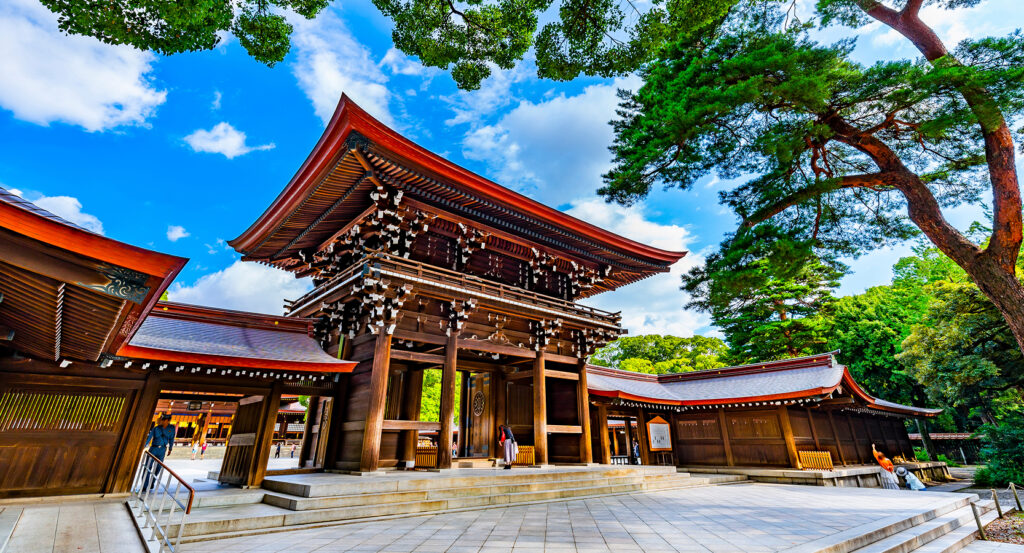
The Meiji Jingu Treasure Museum is an elegant paradox, at once austere and extravagant, spiritual and imperial. Set deep within the forested grounds of the shrine, this museum houses the intimate possessions of Emperor Meiji and Empress Shoken, offering a rare glimpse into Japan’s transformation from feudal to modern.
The building itself, a masterpiece of early 20th-century architecture, was designed in the style of Japan’s Imperial Crown, an understated fusion of traditional Japanese restraint and Western modernism. Inside, you’ll find carriages once used in imperial processions, court robes shimmering with gold thread, and calligraphic works that reveal the refined souls of the emperor and empress. The museum feels less like an exhibition and more like a whisper, a conversation between past and present, devotion and discipline.
What you didn’t know about Meiji Jingu Treasure Museum.
What many visitors don’t realize is that the Treasure Museum represents a turning point in Japan’s national identity. It was completed in 1921, just before Tokyo’s rapid urban metamorphosis, and symbolized the country’s desire to blend reverence for tradition with the momentum of progress.
The artifacts were curated not to glorify power, but to humanize it, showing Emperor Meiji as both sovereign and scholar, a man who wrote poetry and sought harmony between East and West. The building’s orientation itself follows the principles of Shinto alignment, facing the rising sun to signify renewal. Even the preservation of these relics, delicate textiles, ceremonial arms, and personal diaries, is an act of continuity, a vow to remember Japan’s delicate balancing act between spiritual heritage and modern identity.
How to fold Meiji Jingu Treasure Museum into your trip.
To fold the Meiji Jingu Treasure Museum into your visit, pair it with the shrine and inner garden for a seamless narrative of devotion, design, and dynasty.
Arrive in the late morning, when the light filters through the cypress canopy and bathes the stone façade in a golden glow. Inside, take your time, the museum rewards quiet attention more than hurried curiosity. Afterward, pause at the nearby café or gift shop, where you can browse reproductions of imperial art or poetry collections. For those seeking meaning beyond aesthetics, the museum offers something rare in Tokyo, an encounter not with spectacle, but with soul.
Hear it from the Foresyte community.
You don’t come here for the photos, you come here to breathe. Wooden gates, old rituals, a forest that feels like it’s watching over you.
Where meaningful travel begins.
Start your journey with Foresyte, where the planning is part of the magic.
Discover the experiences that matter most.