Why you should visit Traitors’ Gate.
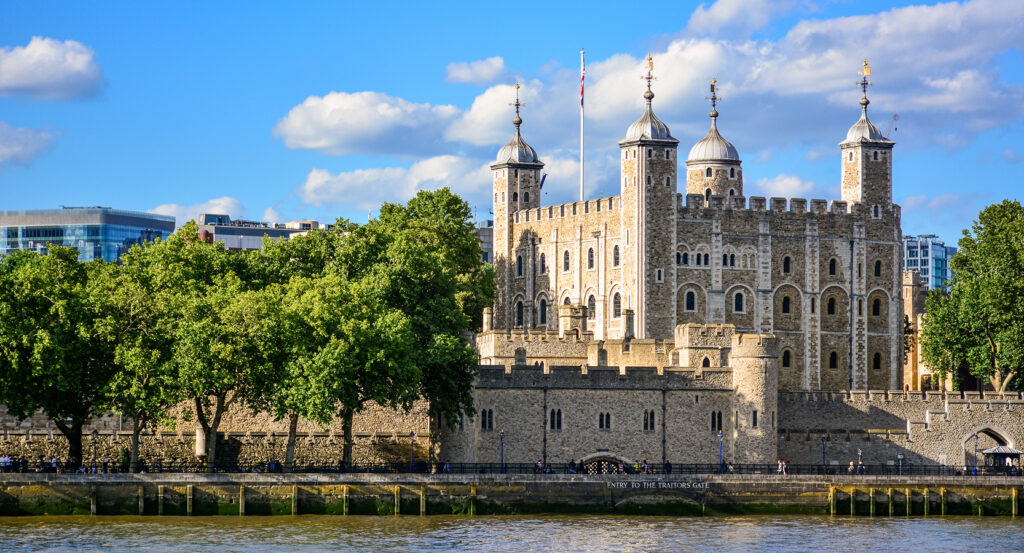
Few places in the world carry the chilling allure and historical gravity of Traitors’ Gate, an entrance once meant for royalty, later repurposed as a passage to despair. Set along the banks of the River Thames, this arched stone portal is where England’s most infamous prisoners, Anne Boleyn, Sir Thomas More, and countless others, entered the Tower of London for the final chapters of their lives.
Standing before it, you can almost hear the echo of oars slicing through the water, the hush of resignation that fell over those who passed beneath its iron portcullis. The gate’s medieval stonework exudes both majesty and menace, its weathered edges darkened by centuries of tide and tragedy. Visiting it is not merely a sightseeing stop; it’s an immersion into the psychological theatre of power, betrayal, and mortality that shaped England’s monarchy. Few landmarks invite such intimate reflection, the understanding that beauty and brutality often coexist beneath the same crown.
What you didn’t know about Traitors’ Gate.
What many don’t know is that Traitors’ Gate was never intended to be sinister.
Built by Edward I in the 13th century as the Water Gate, it was meant for royal arrivals by barge, providing a stately approach to the fortress. Only later, under the Tudors, did its purpose shift into something darker, a route of infamy where prisoners accused of treason faced their fate. The very water beneath the arch once shimmered with torches and whispers, with guards escorting those who would never walk free again. Some records suggest that the tides themselves carried away confessions murmured in desperation, while others claim that at night, the river still hums faintly with voices long gone. The structure endures as a paradox: a monument to grandeur that became synonymous with fear, proof of how swiftly power can invert its own symbols.
How to fold Traitors’ Gate into your trip.
To fold Traitors’ Gate into your London itinerary, go when the morning fog still clings to the Thames, the air thick enough to blur past and present.
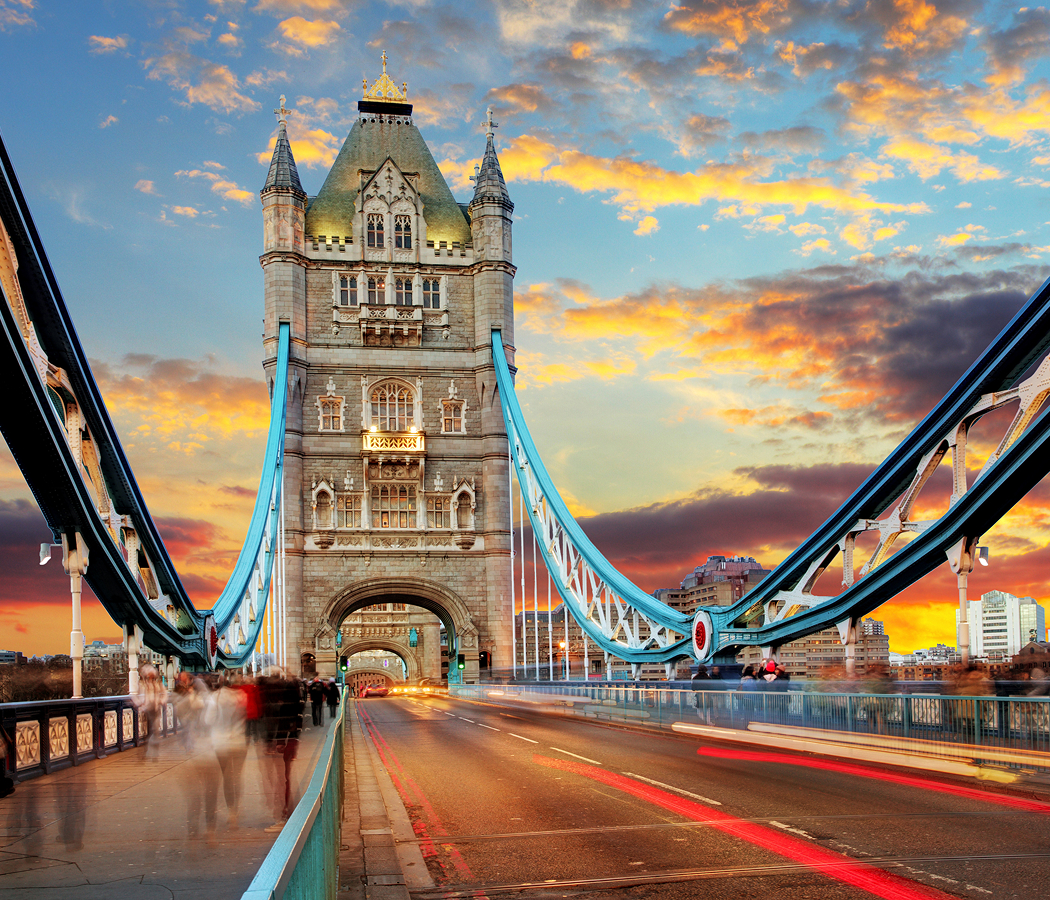
Begin your visit at the Tower of London, tracing the path from the riverside gate through the fortress walls to the infamous Bloody Tower and the green where executions were staged. Let your steps follow those of monarchs and martyrs alike, and linger by the gate’s edge to watch the water lap against the stones that once bore royal boats and prisoners’ tears alike. Afterward, continue your journey along the Thames Path toward Tower Bridge, allowing the contrast between medieval dread and modern triumph to remind you that London, in all its splendor, has always balanced light and shadow, and no place embodies that duality quite like Traitors’ Gate.
Hear it from the Foresyte community.
The whole place feels like walking into a medieval netflix drama. Kings, queens, betrayal, jewels glowing like they own you. Like… damn, history bites.
Where meaningful travel begins.
Start your journey with Foresyte, where the planning is part of the magic.
Discover the experiences that matter most.