Why you should visit the Tribeca Film Center.
The Tribeca Film Center isn’t just a building, it’s a heartbeat. You should visit because it embodies the artistic soul of downtown Manhattan, where cinema and community converge in a way few places ever achieve. Founded by Robert De Niro and Jane Rosenthal in the early 1990s, the center is the nucleus of the Tribeca Film Festival and the broader creative revival that followed the devastation of 9/11.
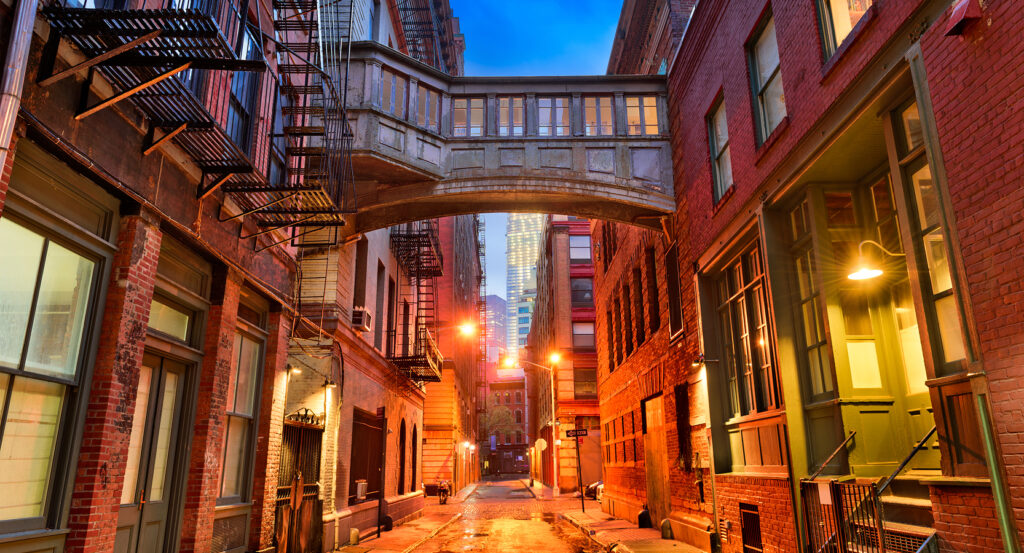
Its stately brick facade conceals an interior alive with innovation, screening rooms, production offices, and spaces that hum with the voices of filmmakers shaping the next generation of storytelling. The energy here feels cinematic in itself, a blend of nostalgia and forward momentum. When you step inside, you’re entering more than an institution; you’re entering a movement, one that redefined how New York sees and supports film. The air crackles with purpose, with the quiet intensity of those who understand that storytelling is both art and activism. To visit is to witness that alchemy firsthand.
What you didn’t know about the Tribeca Film Center.
What many don’t know is that the Tribeca Film Center was born from necessity, an audacious response to a neighborhood in transition. In the early 1990s, De Niro sought to create a home for independent cinema, but after 2001, it became something even greater: a cultural anchor for a grieving city.
The building served as a rallying point, not only for filmmakers but for residents seeking to restore vitality to Lower Manhattan. The Tribeca Film Festival, launched shortly after, turned that mission into a celebration of resilience, proving that art could heal what violence had fractured. The center’s design, with its open lofts and exposed beams, mirrors the spirit of its neighborhood, raw, authentic, and adaptable. Over the years, it has hosted everything from intimate premieres to international showcases, cultivating a global reputation without losing its downtown edge. Its legacy isn’t measured in box office returns but in the millions of creative sparks it has ignited.
How to fold the Tribeca Film Center into your trip.
To fold the Tribeca Film Center into your trip, plan a visit during the Tribeca Festival, when the building becomes the pulsing core of cinematic energy in New York.
If you’re here outside festival season, stop by Greenwich Street to admire the building’s understated grandeur, then explore the surrounding neighborhood, many cafés and restaurants nearby, such as The Odeon, have deep ties to the city’s film culture. If you’re lucky, you might catch a small industry screening or public event, offering an insider glimpse into the world of independent film. End your evening with a walk along the nearby Hudson River Park, reflecting on how this quiet corner of downtown transformed pain into beauty, and vision into legacy. The Tribeca Film Center isn’t just a destination, it’s an invitation to rediscover what creativity can do when it’s fueled by both heart and history.
Hear it from the Foresyte community.
Feels like stepping onto a movie set where the extras are just locals walking dogs. Streets are quiet but never dull, and the food hits.
Where meaningful travel begins.
Start your journey with Foresyte, where the planning is part of the magic.
Discover the experiences that matter most.