What you didn’t know about Kona, Hawai‘i.
Kona sits on some of the most extraordinary geological, cultural, and ecological land in the Hawaiian Islands, a region shaped by fire, cooled by ocean, and carried forward by centuries of deep Polynesian heritage.
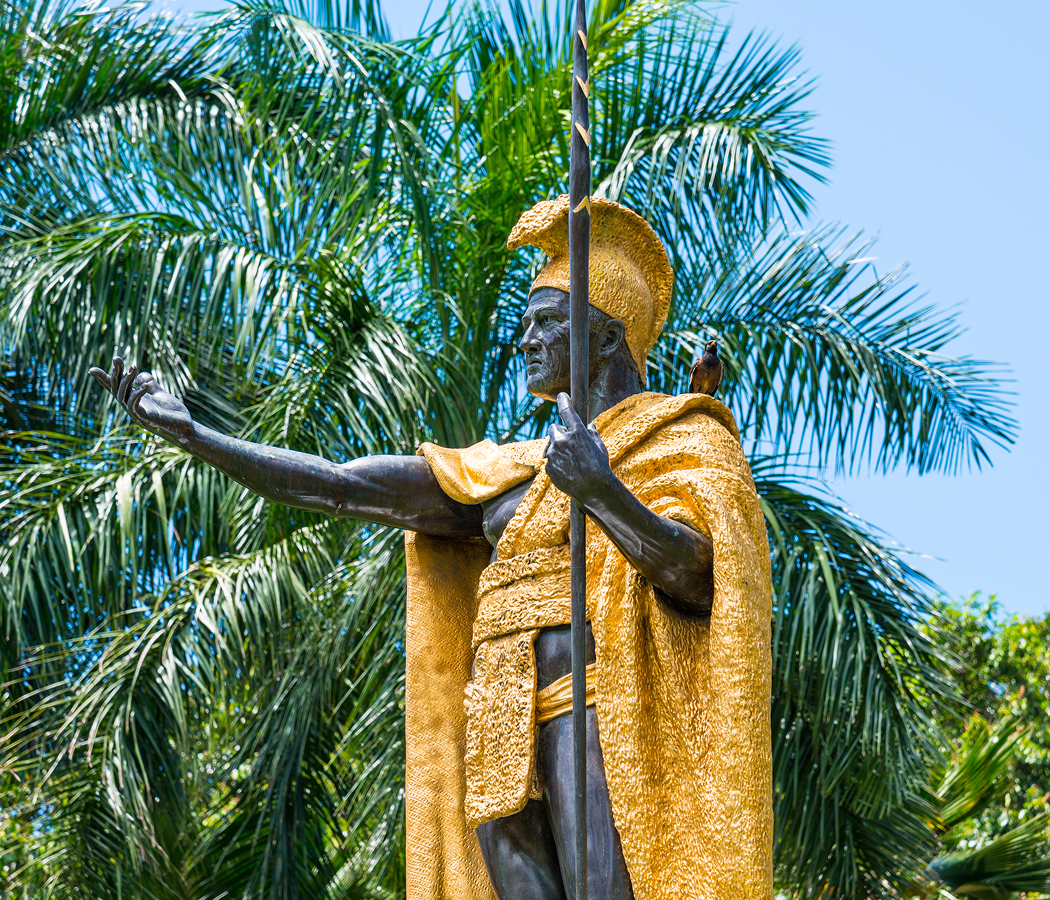
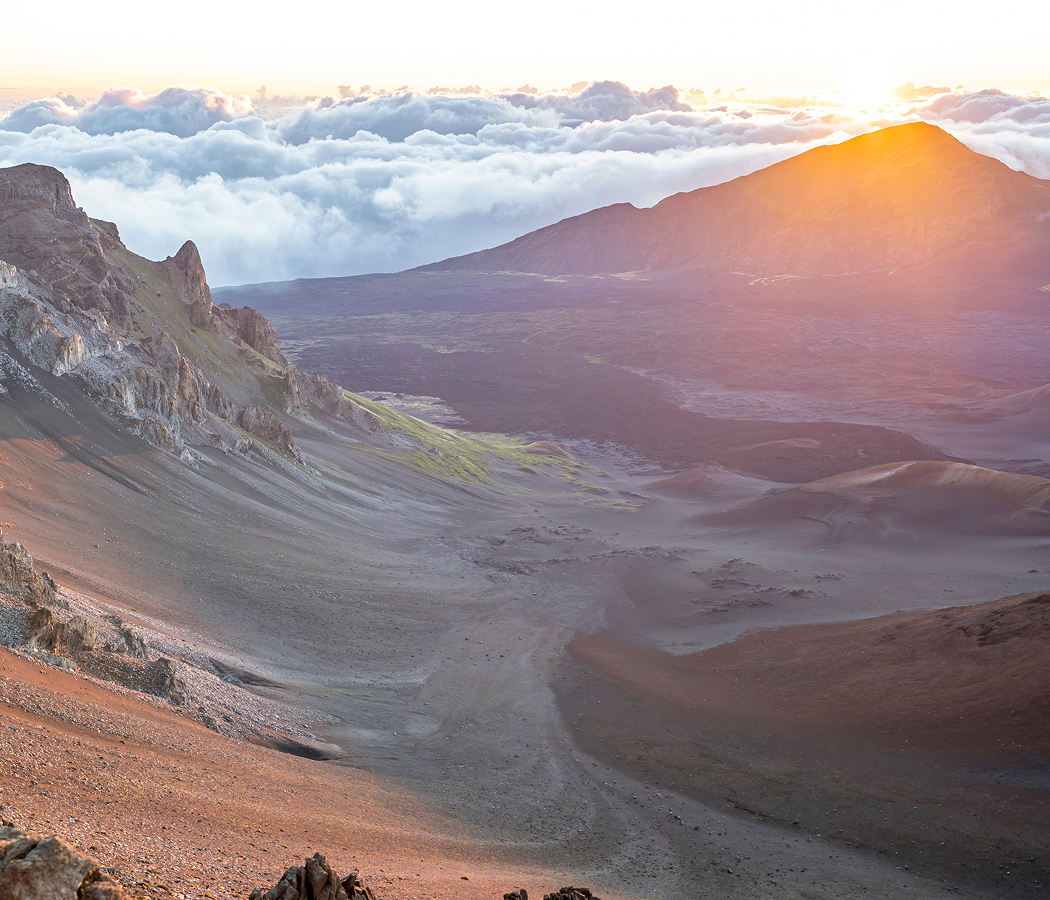
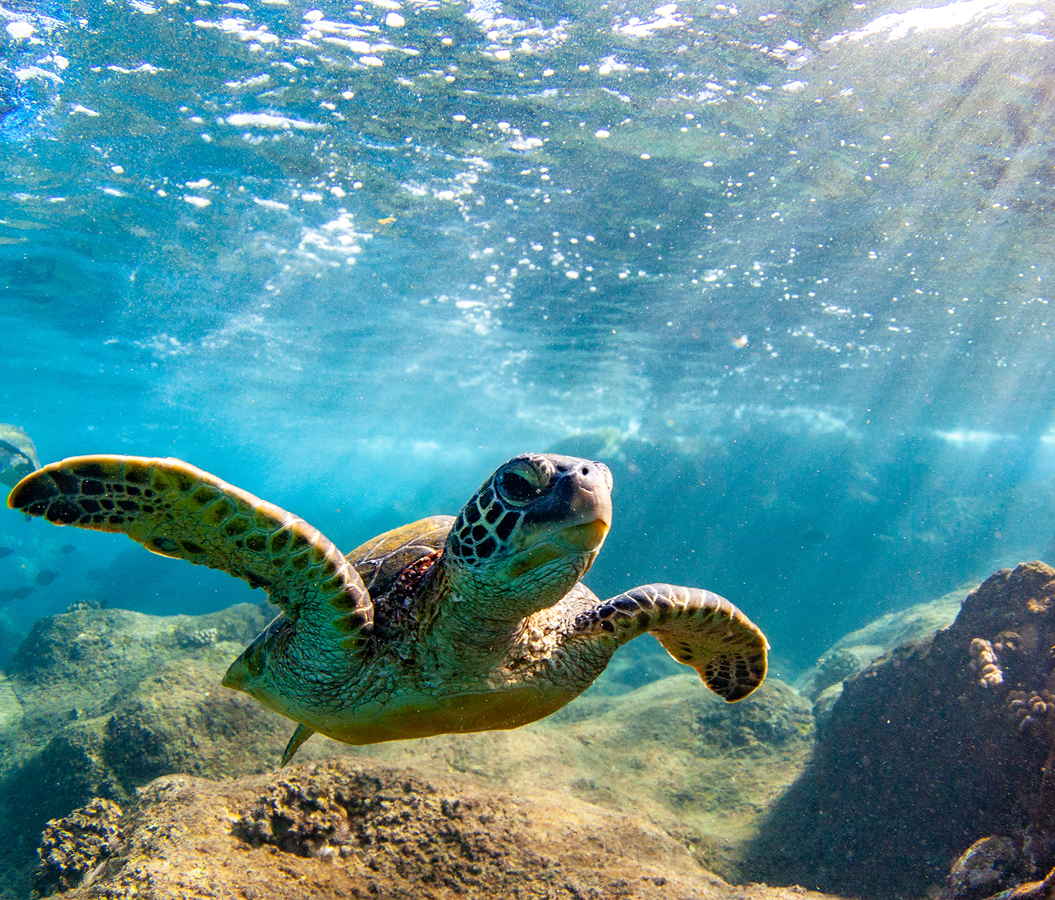
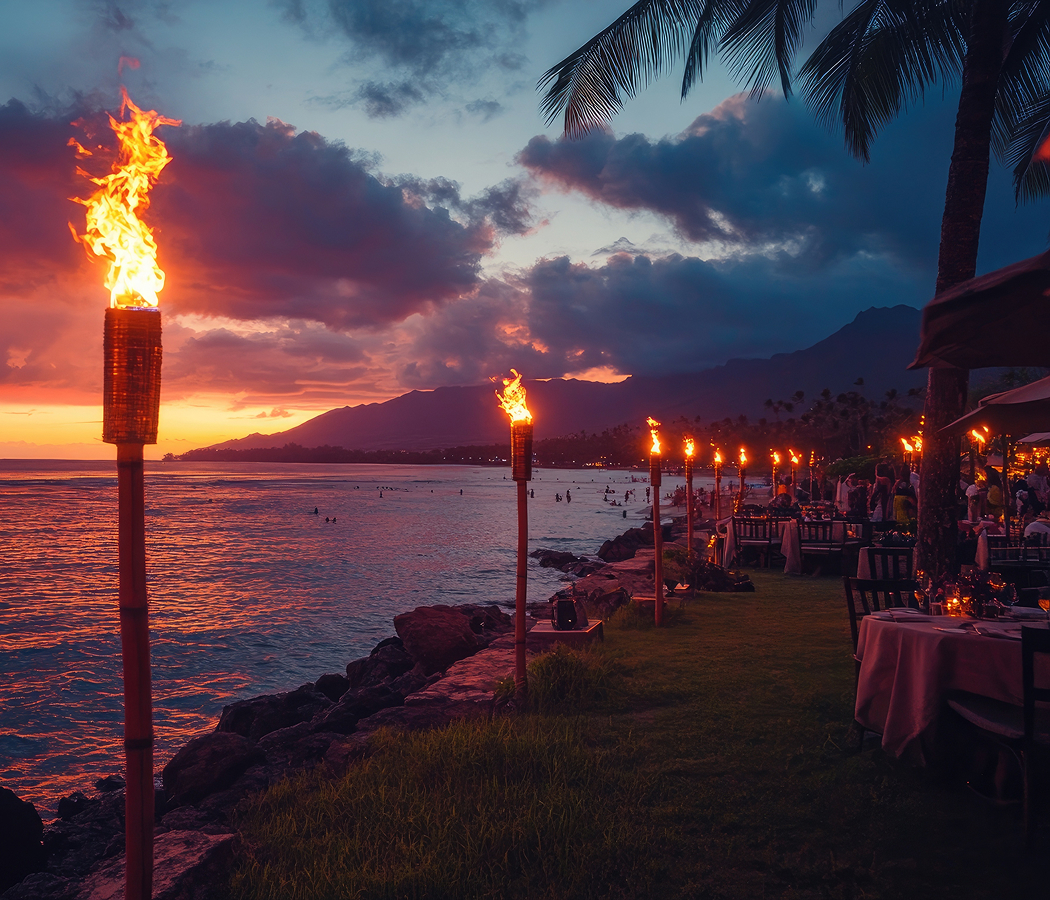
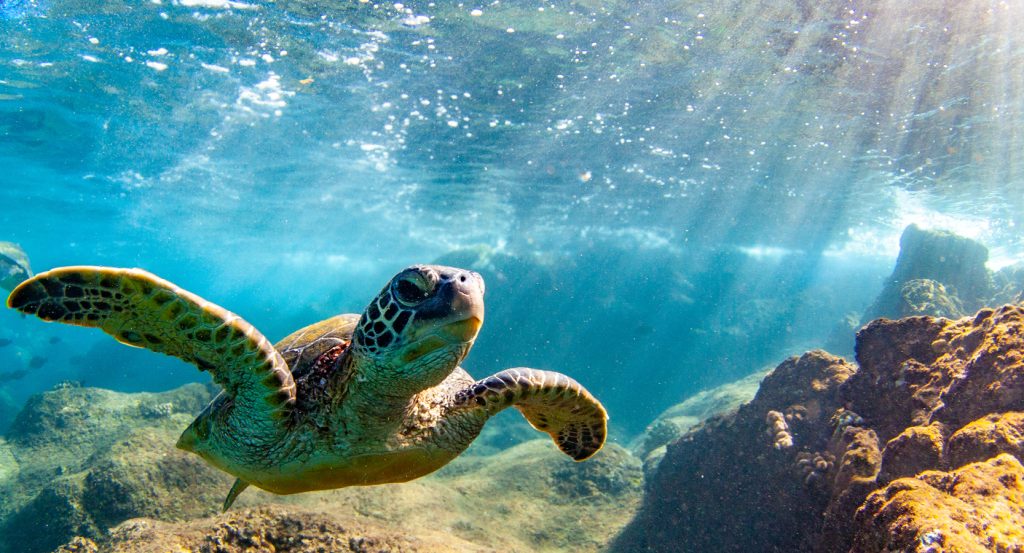
The entire coastline rests atop ancient lava flows descending from Hualālai and Mauna Loa, two of the most storied volcanoes on Earth. Their eruptions sculpted the terrain into a mosaic of black rock, hidden tide pools, underwater lava tubes, and natural formations that make Kona’s shoreline unlike anywhere else in Hawai‘i. The clarity of the water here, often 100 feet or more, isn’t just luck; it’s because west-side lava rock doesn’t produce sediment, allowing the ocean to remain startlingly transparent. This visibility creates one of the best snorkeling and diving ecosystems in the world, home to coral gardens, vibrant reef fish, spinner dolphins, and the iconic manta rays that sweep like silent galaxies through illuminated water at night. Kona’s history is equally profound. This is the birthplace of King Kamehameha I, unifier of the Hawaiian Islands, and the region still carries his legacy through sacred heiau sites, royal walking paths carved into lava, and cultural traditions preserved with deep reverence. The climate here, warm, dry, steady, is so consistent that Kona became one of the few places on Earth where coffee grows at world-renowned quality. Grown on slopes cooled by upland breezes and nourished by volcanic soil rich in minerals, Kona coffee has a terroir as specific and prized as any vineyard in France. Inland, cloud forests feed native birds and rare plants; offshore, migrating humpbacks cross thousands of miles to calve in the warm Pacific. Kona isn’t simply a beach town, it’s a living intersection of geology, culture, astronomy, ecology, and ancient Hawaiian lineage. Most visitors sense this without knowing why: the land carries a quiet gravity.
Five fascinations about Kona.
5. Kailua was once off-limits to tourists.
Until the 1950s, this idyllic town was largely closed to outsiders due to its proximity to military installations and deliberate efforts to preserve local life.
4. Barack Obama calls it his holiday home.
The former President spends most Christmases here, renting homes near Kailua Beach with his family and frequenting local favorites like Island Snow for shave ice.
3. Kailua is home to some of Hawaii’s clearest waters.
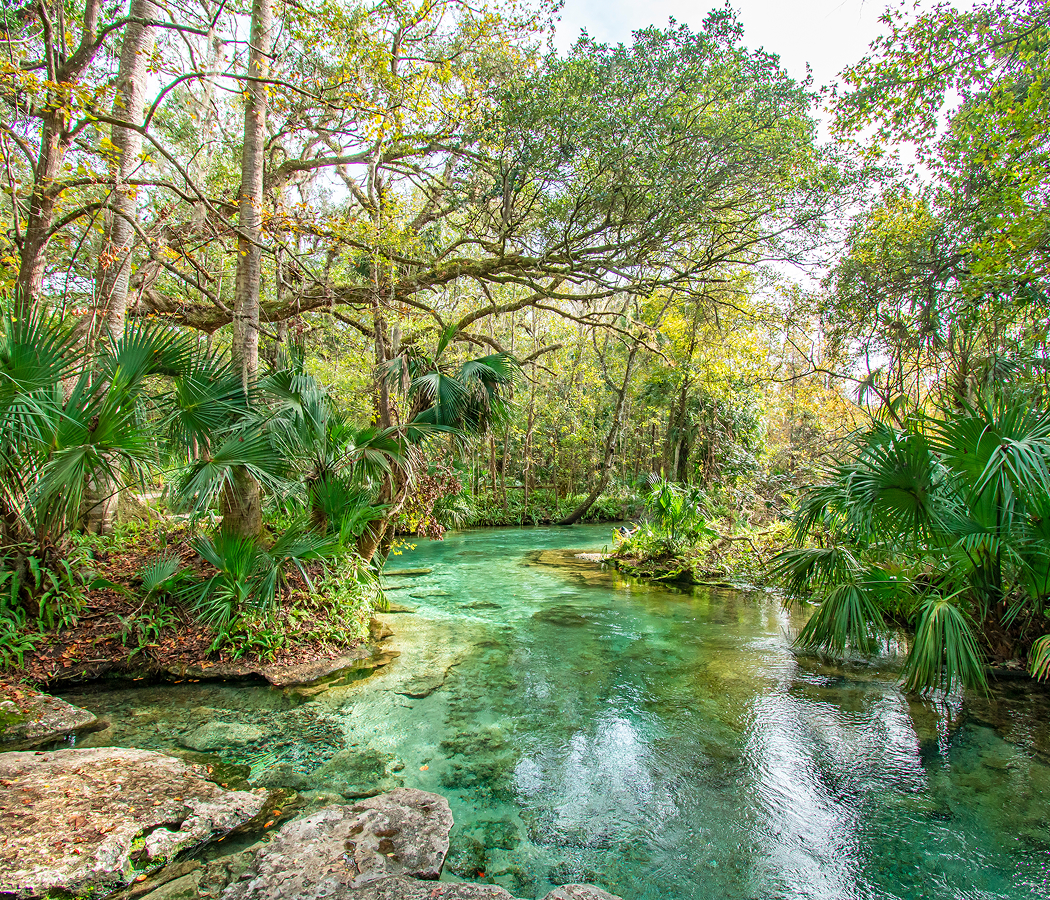
Thanks to offshore reefs that block large surf, Kailua Bay remains calm, crystal clear, and perfect for kayaking, snorkeling, and stand-up paddleboarding.
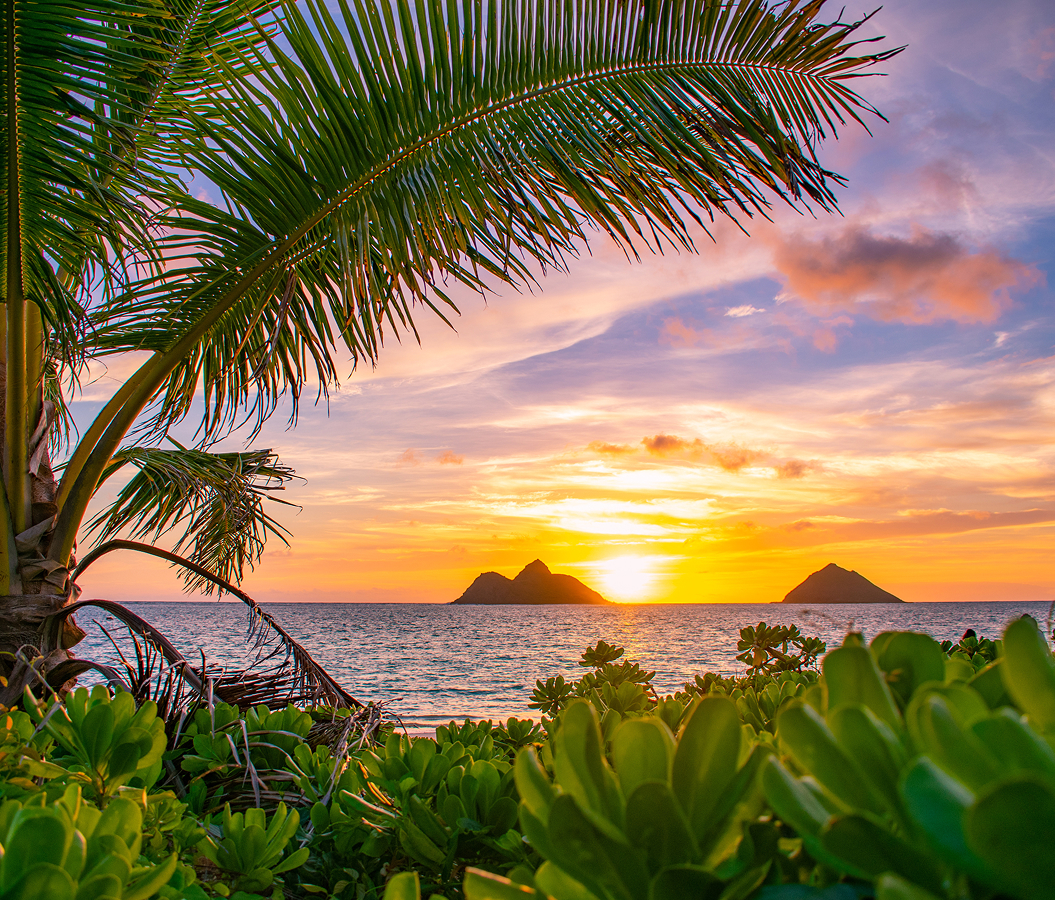
2. The Mokulua Islands are technically off-limits.
While you can kayak out, landing on Moku‘auia (the right islet) is prohibited during seabird nesting seasons, protecting endangered wedge-tailed shearwaters.
1. Kailua is a hotbed for native Hawaiian activism.
The town has seen an increase in land sovereignty efforts and protests against overdevelopment, as locals fight to keep Kailua’s culture and coastline intact.
Where meaningful travel begins.
Start your journey with Foresyte, where the planning is part of the magic.
Discover the experiences that matter most.