Fun facts about Mont-Tremblant, Québec.
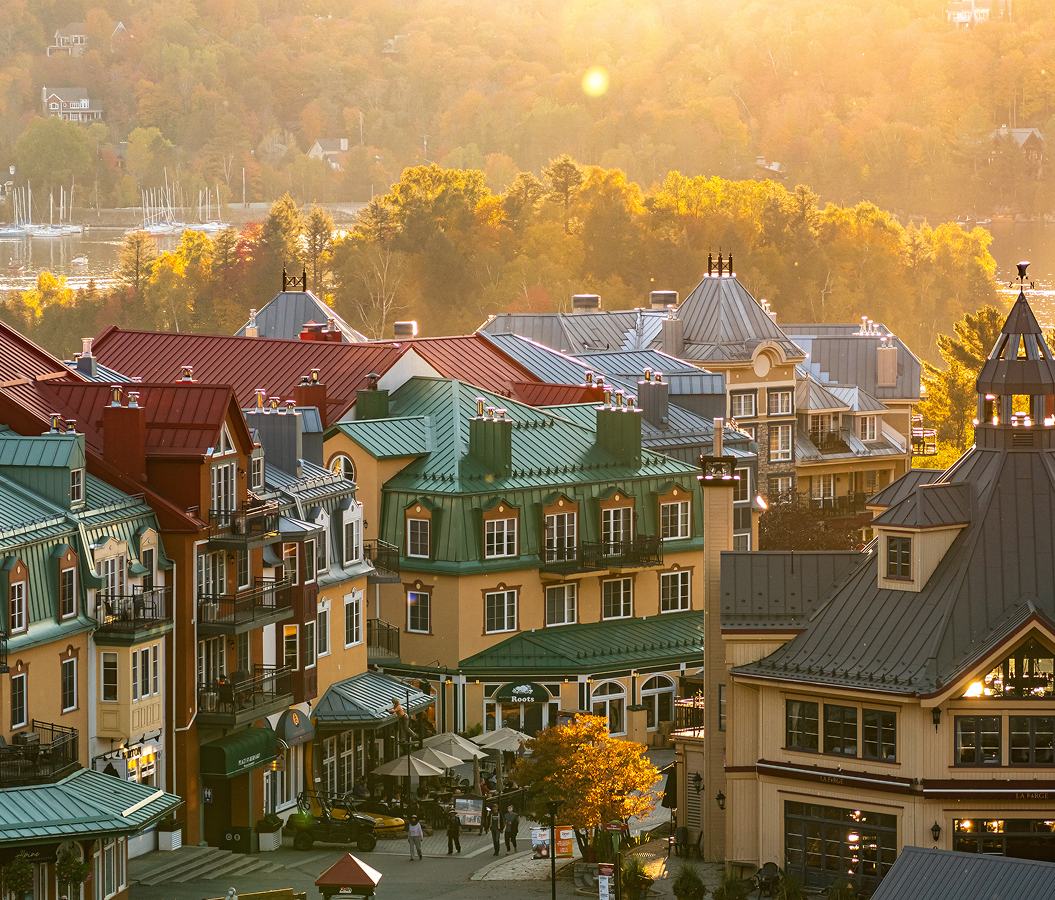
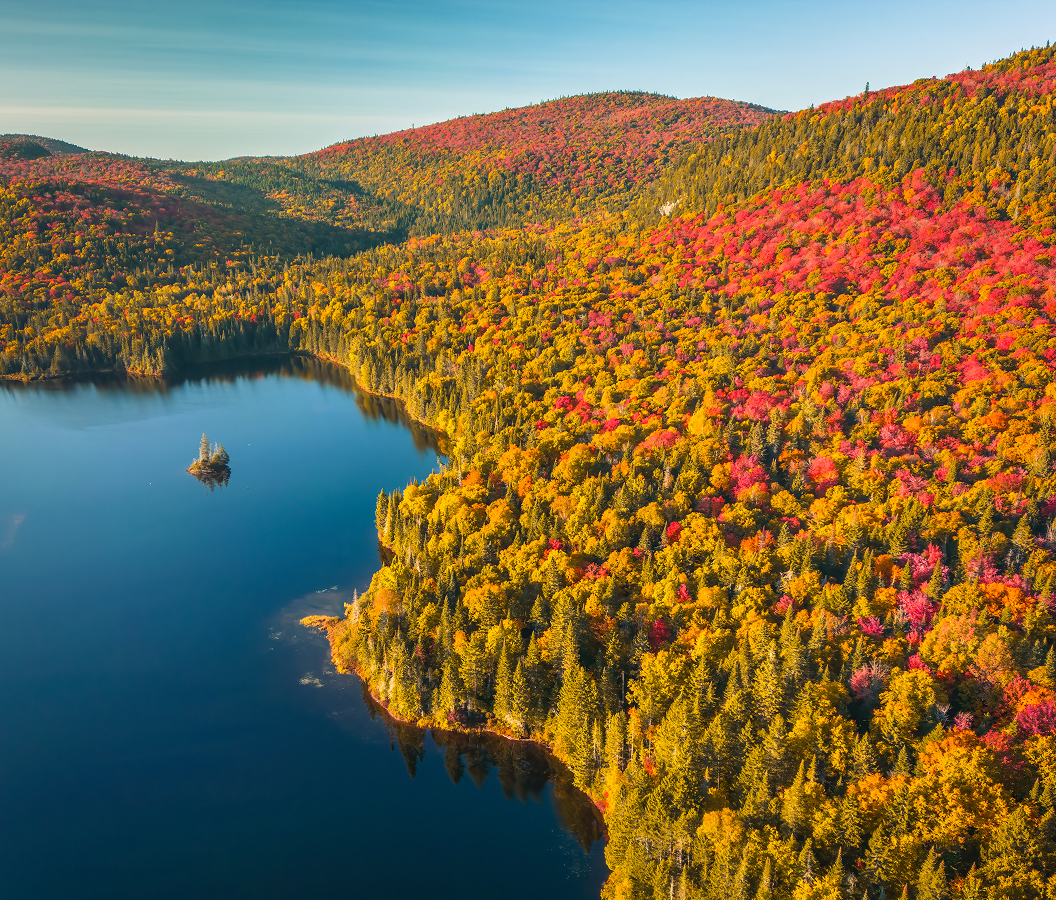
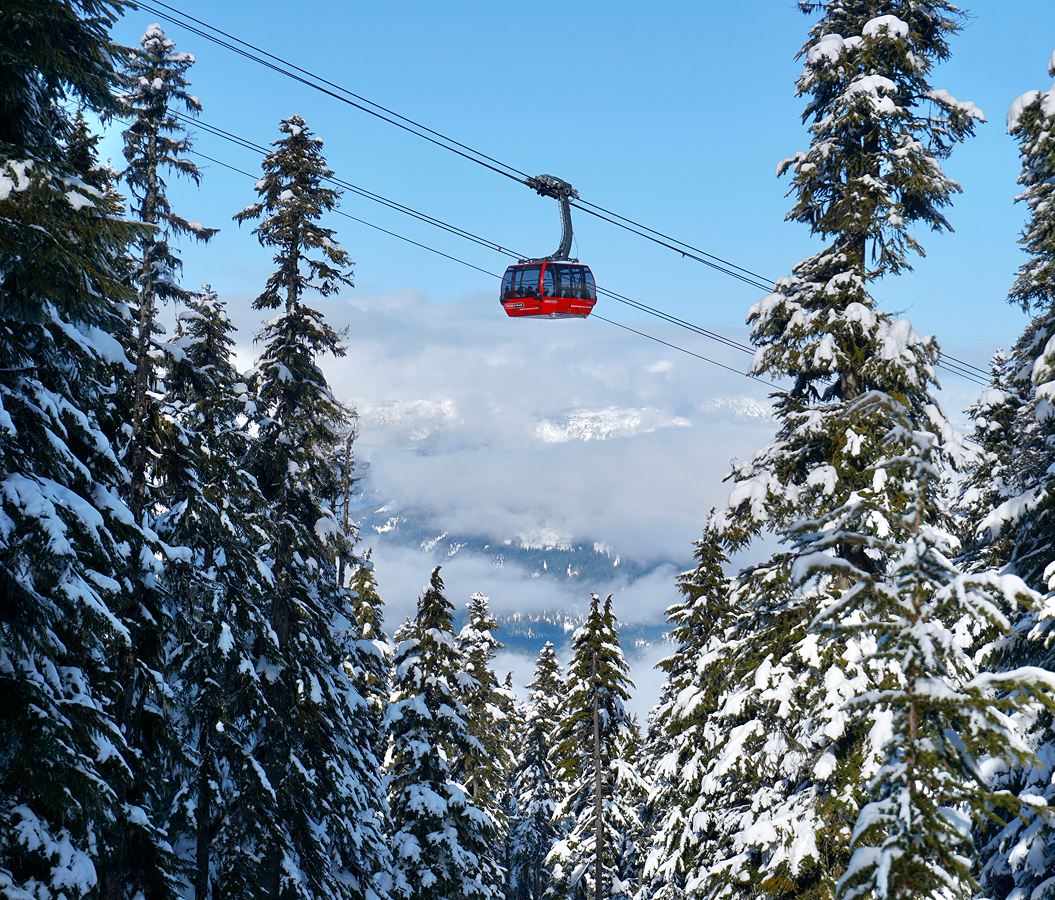
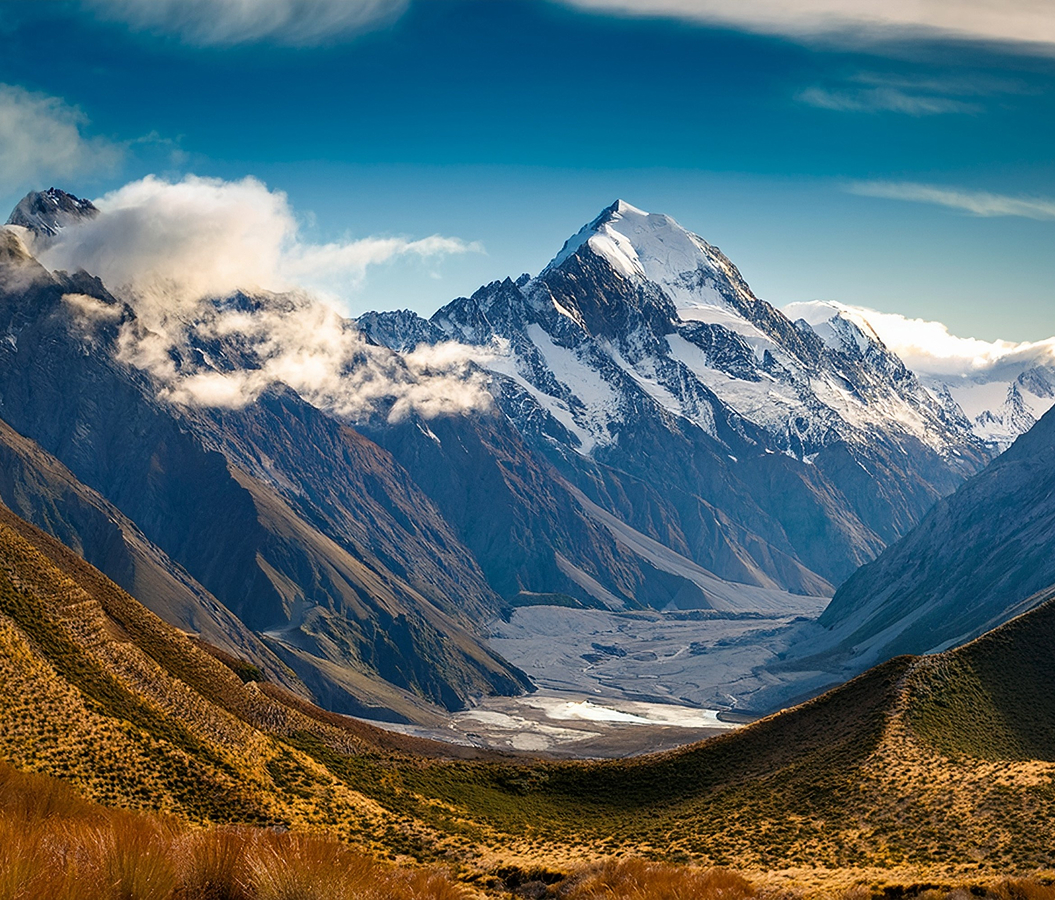
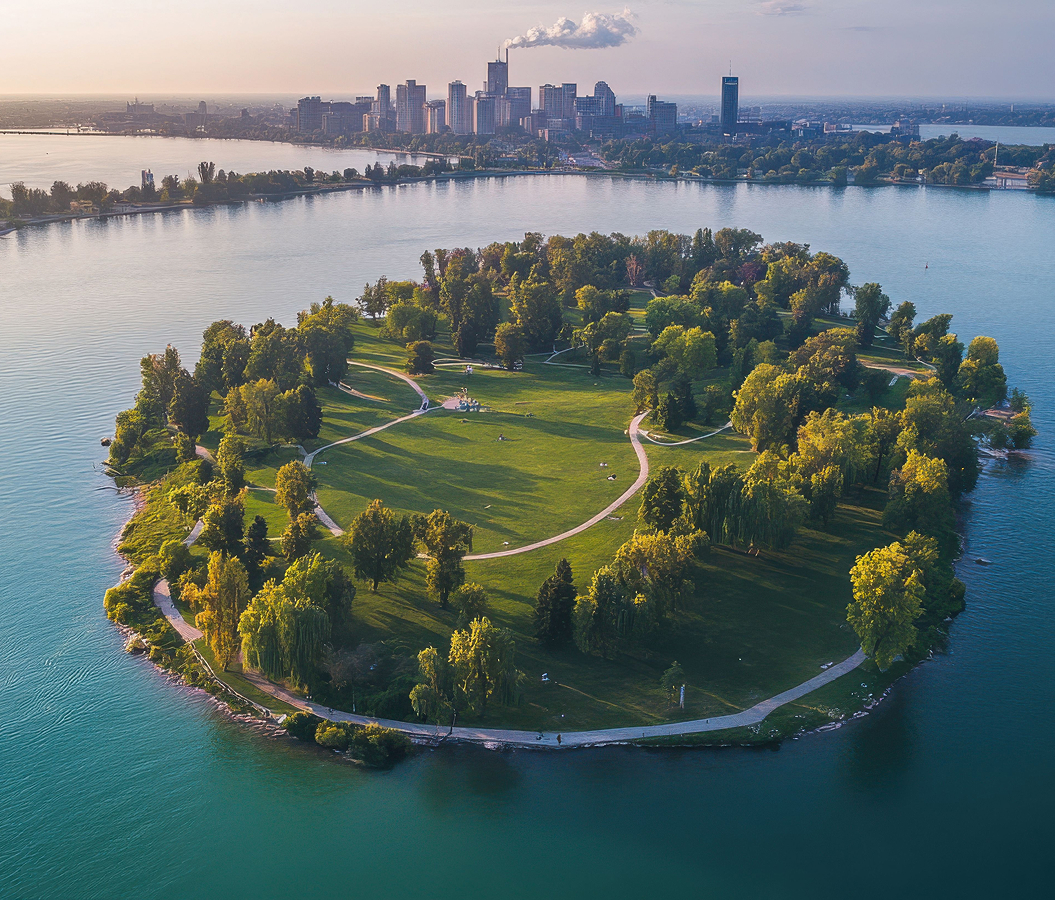
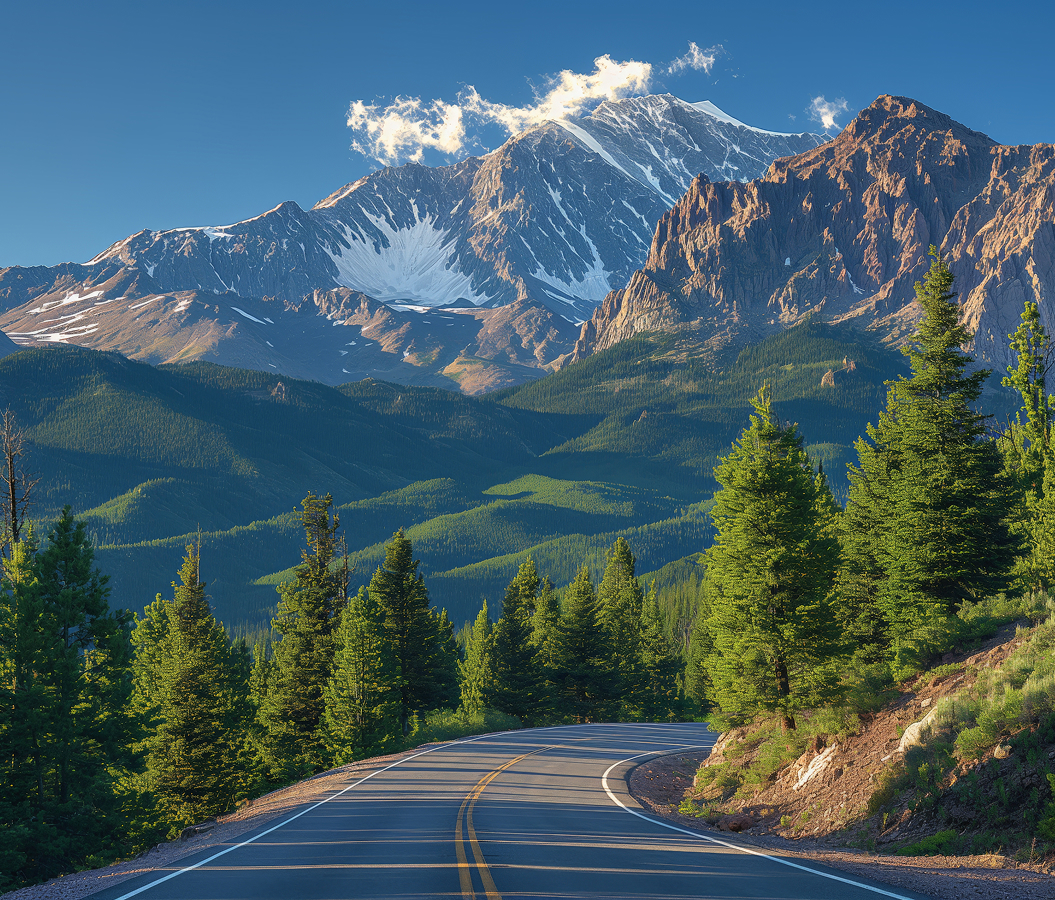
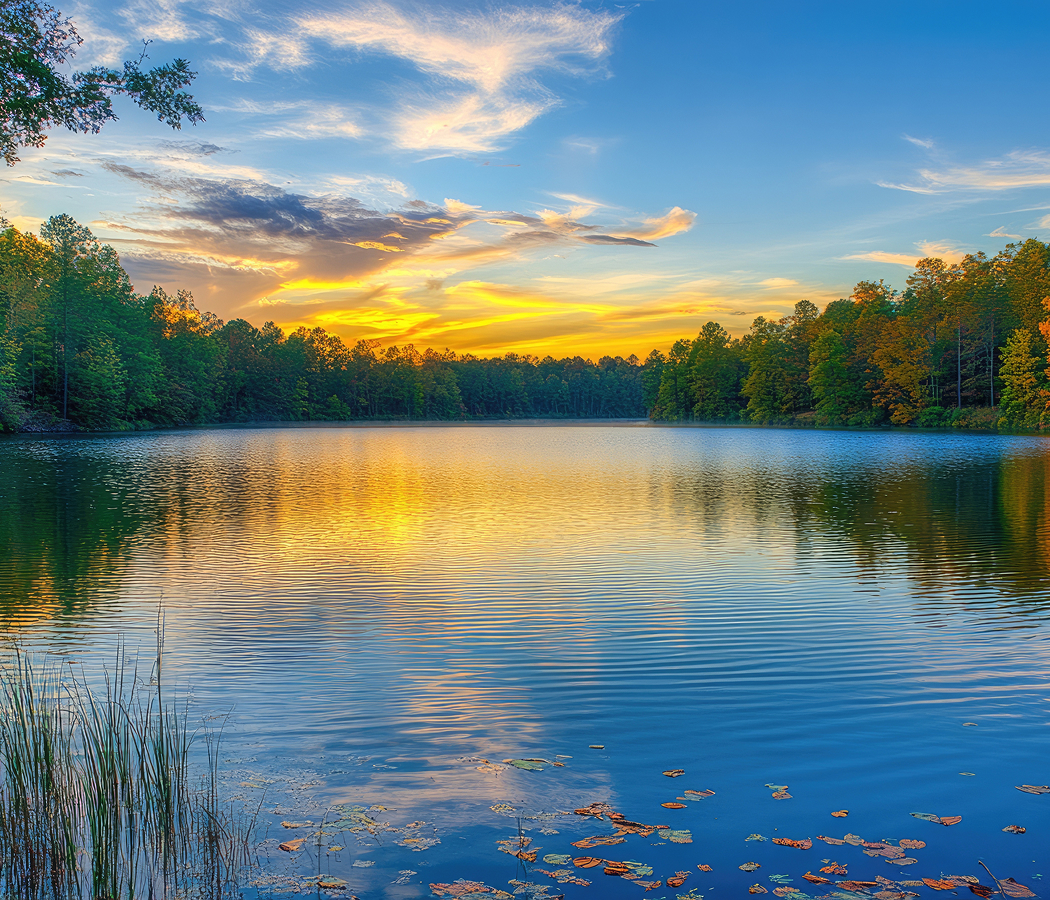
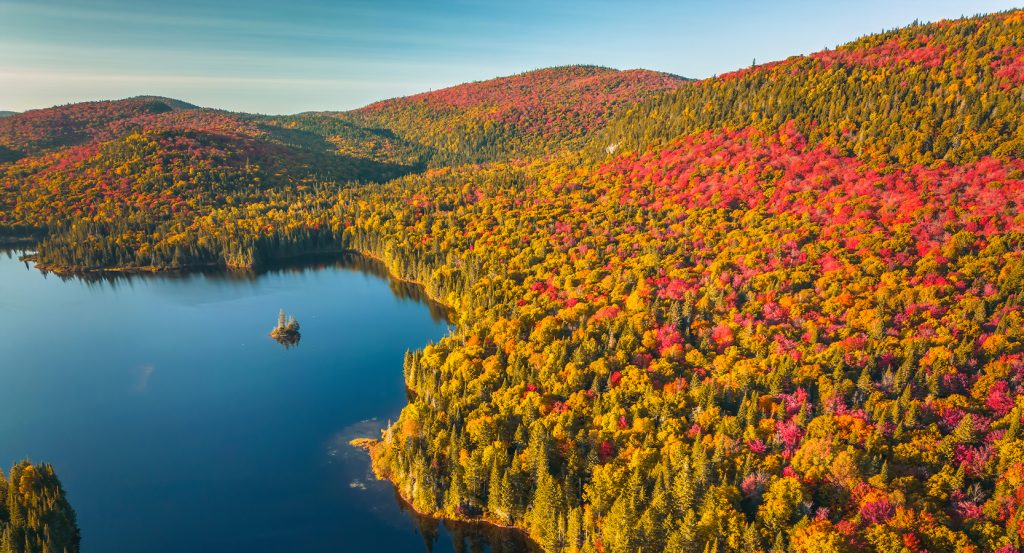
Mont-Tremblant occupies a dramatic landscape of forested mountains, glacial lakes, winding rivers, and compact settlements within Quebec's Laurentian region, 130 kilometers northwest of Montreal. The destination centers on Mont Tremblant, a prominent summit rising 875 meters above sea level, whose slopes descend toward Lac Tremblant and the surrounding valleys. The mountain forms part of the Laurentian Mountains, an ancient geological region associated with the Canadian Shield, where exposed bedrock, rounded summits, and extensive mixed forests reflect immense periods of geological change and glacial erosion. The surrounding landscape contains maple, birch, spruce, and other northern tree species, producing a distinctive seasonal transformation from dense summer greenery to vivid autumn foliage and snow-covered winter terrain. Lac Tremblant extends along the mountain's western base, forming a substantial natural corridor bordered by wooded hills, residential properties, and recreational facilities. The lake's elongated shape reflects the region's glacially influenced topography, creating sheltered bays and expansive views toward the surrounding mountain slopes. The resort's principal pedestrian village rises from the southern base of Mont Tremblant through a compact arrangement of colorful buildings, steeply pitched roofs, balconies, and narrow pedestrian streets inspired by traditional Quebec and European alpine architecture. Place Saint-Bernard forms the village's principal public square, connecting accommodations, restaurants, retail establishments, and mountain access through a carefully organized pedestrian environment. The Cabriolet gondola links lower village areas with the principal ski lift base, introducing an elevated transportation route above the resort's central streets. The mountain's ski terrain extends across multiple sectors, with trails descending through wooded slopes and open corridors toward the principal base areas. The summit provides expansive views across the Laurentians, including Lac Tremblant, neighboring ridgelines, and the extensive forested interior of the region. The historic Village of Mont-Tremblant occupies a quieter lakeside setting southwest of the resort, preserving a more intimate collection of local businesses, residences, and community spaces associated with the area's earlier recreational development. Farther south, the Saint-Jovite sector functions as the municipality's principal commercial and administrative center, with traditional streetscapes, churches, and locally oriented businesses reflecting the settlement history of the Laurentians. The surrounding transportation network connects these distinct communities through scenic roads following valleys, lakeshores, and wooded hills. The P'tit Train du Nord linear park traces a former railway corridor through the Laurentians, providing an extensive recreational route for cycling, walking, and seasonal outdoor activities. Northeast of the resort, Mont-Tremblant National Park protects a vast landscape of lakes, rivers, forests, and mountainous terrain. Its principal sectors include the Diable and Pimbina areas, where waterways such as the Rivière du Diable wind through wooded valleys and rocky landscapes. The park's extensive trail networks connect visitors with waterfalls, lakeshores, elevated viewpoints, and backcountry environments that preserve the ecological character of the Laurentians. The surrounding region also contains numerous smaller lakes and protected natural areas, supporting wildlife including white-tailed deer, black bears, moose, and a variety of northern bird species. Mont-Tremblant's physical distinction arises from the close relationship between its ancient mountain landscape, extensive freshwater systems, protected forests, and purpose-built resort architecture, creating a destination where concentrated recreational development exists within a much broader natural environment.
Quebecois cultural traditions shape Mont-Tremblant through the region's French Canadian heritage, alpine recreation, seasonal festivals, culinary customs, and longstanding relationship with the forests and lakes of the Laurentians. The destination's cultural character developed through the interaction of rural Quebec settlement traditions and the recreational ambitions of visitors from Montreal and beyond. French remains the principal language of the surrounding communities, influencing local commerce, public institutions, cuisine, and the everyday social character of the region. The historic settlement of Saint-Jovite preserves elements of Laurentian village life through its commercial streets, religious heritage, and community institutions, providing a cultural counterpoint to the international atmosphere of the resort. Mont-Tremblant's modern recreational culture is closely associated with the development of alpine skiing in eastern Canada, particularly through the influence of Joseph Bondurant Ryan and the early resort community. Ski instruction, competitive racing, and mountain hospitality helped establish the destination as an important center of winter sports, attracting generations of Canadian and international visitors. The mountain's substantial terrain and reliable winter conditions contributed to its reputation within North American skiing, and its resort infrastructure supported the expansion of snowboarding and other contemporary winter activities. During warmer months, the surrounding lakes, cycling routes, and forest trails sustain a complementary outdoor culture centered on hiking, paddling, mountain biking, and recreational exploration. Mont-Tremblant also hosts major endurance events, including the IRONMAN 70.3 Mont-Tremblant triathlon, which connects the resort village with the surrounding roads, lake, and mountain landscape. The destination's festival calendar introduces another dimension of its cultural life through music, seasonal celebrations, and outdoor performances. The Festival International du Blues de Tremblant has brought blues musicians and audiences to the pedestrian village, establishing an important summer tradition within the resort's public squares and performance spaces. The village's architectural setting supports open-air concerts, holiday events, and cultural programming that connect visitors with Quebec's broader performing arts traditions. Regional craftsmanship contributes to the destination's character through galleries, artisan shops, and locally produced goods reflecting the creative communities of the Laurentians. Quebec's culinary heritage forms another essential element of Mont-Tremblant's cultural environment, particularly through dishes associated with French Canadian home cooking and the agricultural traditions of the province. Tourtière, a savory meat pie traditionally served during winter celebrations, reflects the enduring influence of Quebec's rural culinary customs. Maple syrup occupies a central place in regional food culture, with the spring sugaring season connecting local producers to a longstanding tradition of harvesting and processing maple sap. Poutine, prepared with French fries, cheese curds, and gravy, represents another familiar Quebec specialty, alongside hearty soups, smoked meats, and baked goods associated with the province's cold-weather cuisine. Contemporary restaurants throughout the resort and surrounding villages combine these regional traditions with French culinary techniques and ingredients sourced from Quebec farms and producers. The region's hospitality culture also reflects the influence of European alpine resorts, particularly through après-ski gatherings, mountain dining, and seasonal social events. Mont-Tremblant's cultural significance lies in the integration of French Canadian regional traditions with an internationally recognized mountain resort environment, where the recreational heritage of the Laurentians continues to shape local identity, seasonal celebrations, and the experience of Quebec's natural landscape.
Five fascinations.
5. Mont-Tremblant's name comes from an Algonquin tradition surrounding the mountain.
Long before the region became internationally associated with skiing, the mountain held significance for the Algonquin people. Its name derives from Mont Tremblant, the “trembling mountain,” connected to Indigenous traditions in which the mountain could shake when disturbed or when human behavior displeased the spirit associated with it. The name survived successive periods of settlement, logging, tourism, and resort development, eventually becoming attached to both the mountain and surrounding municipality. One of Québec's most recognizable destinations carries a name rooted in the cultural history that preceded the modern recreational landscape by centuries.
4. Mont-Tremblant became one of North America's earliest major destination ski resorts.
American businessman Joseph Bondurant Ryan encountered Mont Tremblant during the 1930s and recognized the mountain's potential for a large-scale ski destination. He developed Mont Tremblant Lodge, which opened in 1939 as skiing expanded from a specialist pursuit into a major North American recreational industry. Lift infrastructure and purpose-built accommodations allowed visitors to experience the mountain on a scale difficult to achieve in the earlier era of backcountry skiing. Tremblant emerged during a formative period in continental ski culture, decades before the enormous integrated mountain resorts that later transformed winter tourism across North America.
3. Mont-Tremblant rises from some of the oldest exposed rock on Earth.
The Laurentian Mountains surrounding Mont-Tremblant belong to the vast geological province of the Canadian Shield, whose ancient rocks originated more than a billion years ago. Tremblant's rounded profile differs dramatically from the younger, sharper mountains produced by comparatively recent tectonic uplift elsewhere on the continent. Immense spans of erosion and repeated glaciation gradually sculpted the Laurentian landscape into the forested mountains, valleys, and lakes visible today. The ski slopes and hiking trails occupy terrain whose underlying geological history reaches extraordinarily deep into Earth's past, making the mountain's recreational character only the latest chapter in an ancient landscape.
2. Québec created its first national park around the wilderness north of Mont-Tremblant.
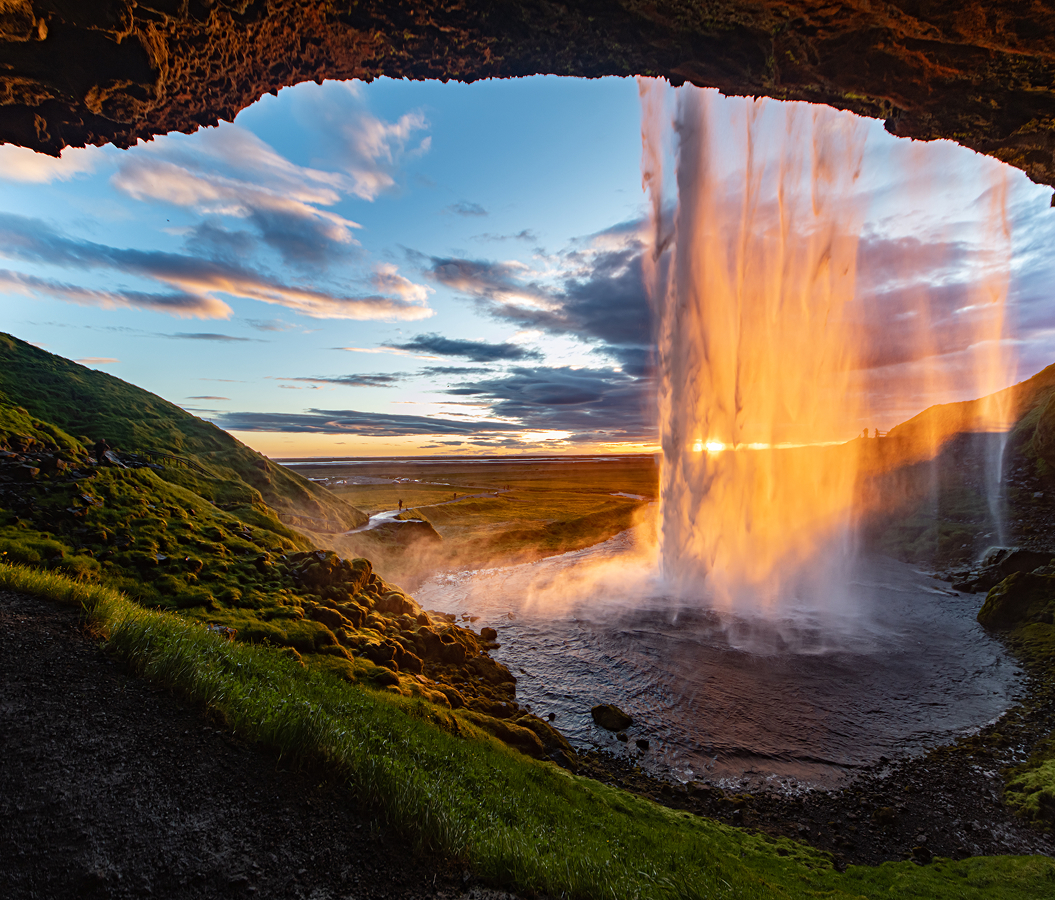
The protected territory now known as Parc national du Mont-Tremblant traces its origins to 1895, when Québec established Parc de la Montagne-Tremblante. The reserve ultimately evolved into a vast protected landscape of forests, rivers, lakes, mountains, and wildlife extending north of the resort region. Its history makes it the oldest national park in Québec's provincial park system. The protected wilderness helped preserve a dramatically different side of Tremblant from the developed ski village, creating an enduring relationship between recreation and conservation across one of the Laurentians' most expansive natural landscapes.
1. Mont-Tremblant's colorful pedestrian village was created during a dramatic resort reinvention in the 1990s.
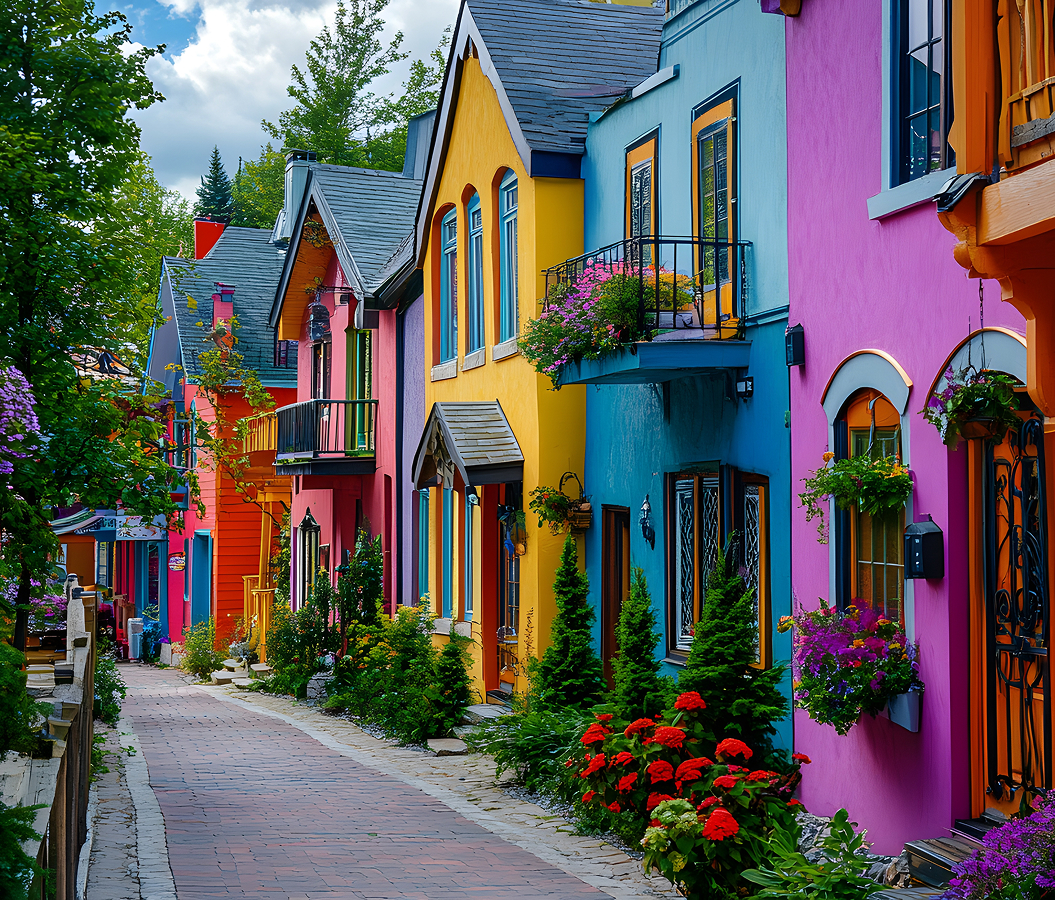
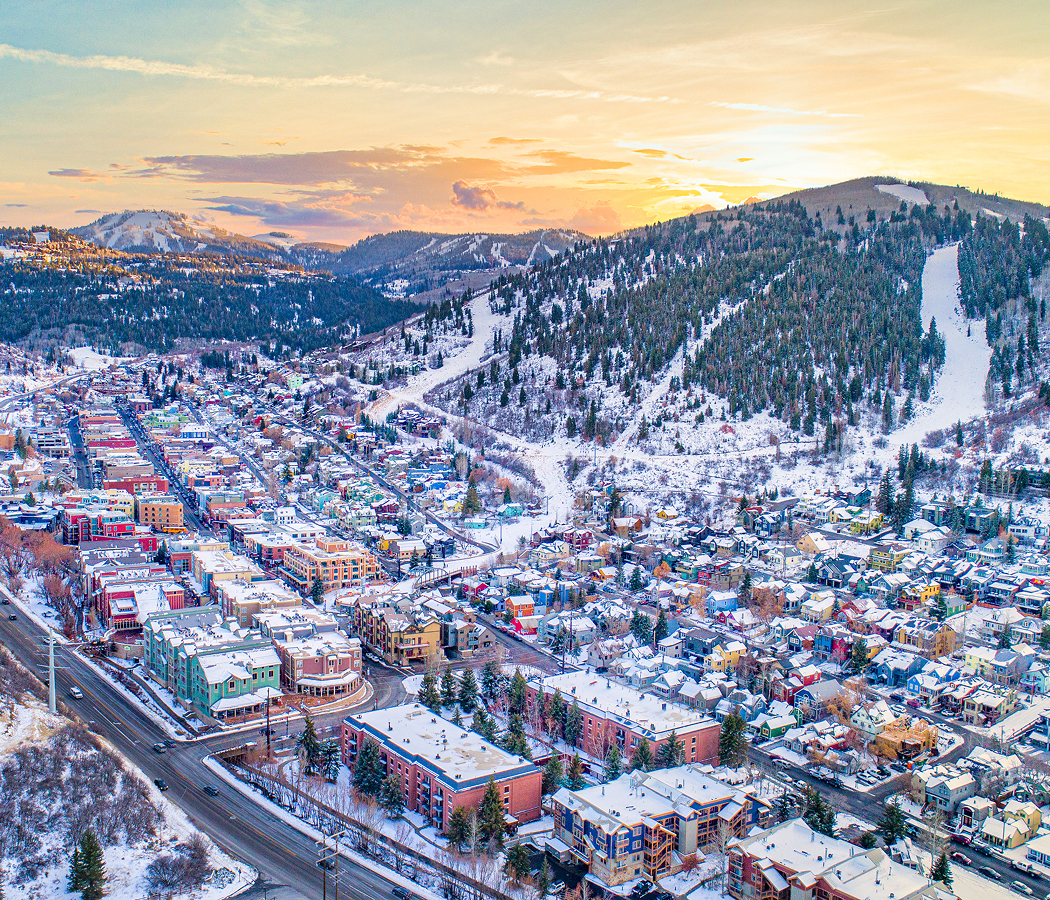
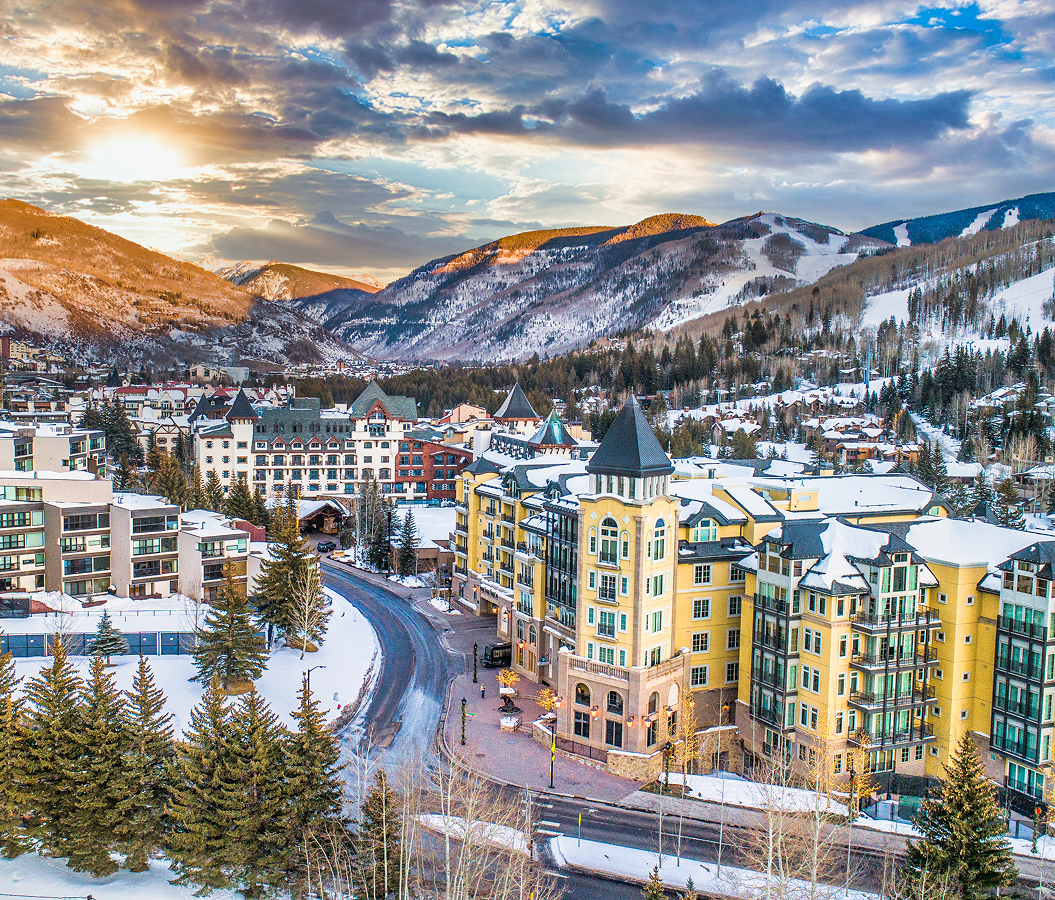
After acquiring Tremblant in 1991, Intrawest undertook a sweeping redevelopment that transformed the base of the mountain into an integrated pedestrian resort. Buildings were arranged along winding, climbing streets designed to follow the terrain, with shops, restaurants, lodging, plazas, and lifts concentrated into a walkable village beneath the slopes. The development helped establish a new generation of destination ski-resort planning in eastern North America and dramatically expanded Tremblant's international profile. The brightly colored village that now appears inseparable from the mountain is comparatively recent, representing a deliberate reinvention of a ski destination whose origins stretch back generations.
Where your story begins.
Foresyte Travel reveals places that feel extraordinary long before you arrive.
Enjoy editorial crafted for luxury travelers.
Foresyte may earn a commission when you book.