Fun facts about Singapore.
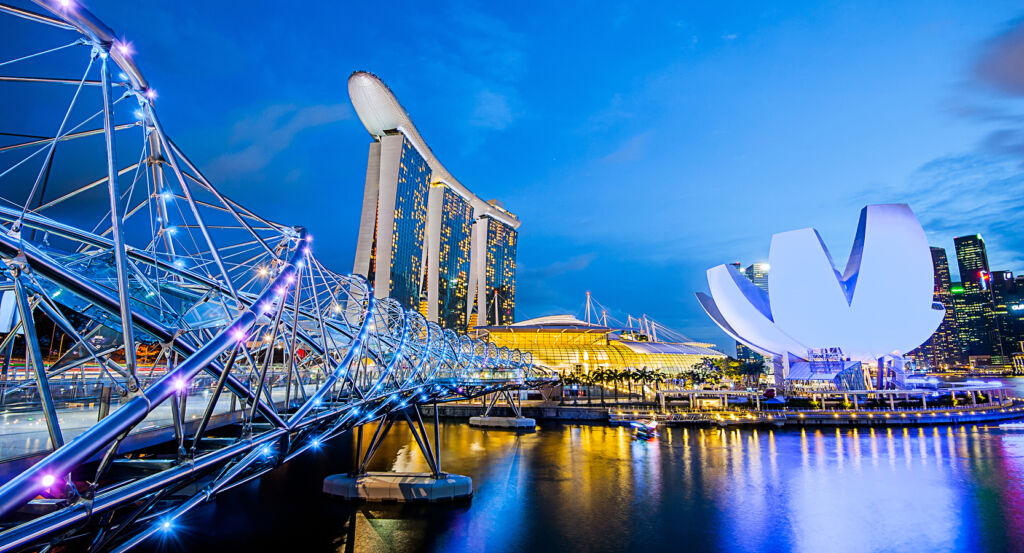
Singapore has transformed from a small island trading port into one of the world's most remarkable urban destinations, creating a city where futuristic architecture, lush green spaces, and rich multicultural heritage exist in extraordinary balance. Iconic landmarks including Marina Bay Sands, Gardens by the Bay, the Merlion, and the striking Supertree Grove have become global symbols of the city-state's ambition, while districts such as Marina Bay, Chinatown, Little India, and Kampong Glam reveal the cultural diversity that continues to shape modern Singapore. Every neighborhood contributes to a destination renowned for innovation, cleanliness, and exceptional urban planning.
Beyond its celebrated skyline, Singapore fascinates through an extraordinary combination of nature, cuisine, and engineering. Visitors can explore the climate-controlled conservatories of the Cloud Forest and Flower Dome, stroll the elevated walkways of the Singapore Botanic Gardens, a UNESCO World Heritage Site, or encounter wildlife at the world-famous Singapore Zoo, Night Safari, and Bird Paradise. Hawker centres including Maxwell Food Centre, Lau Pa Sat, and the Newton Food Centre showcase one of the world's most celebrated street food cultures, while destinations such as Sentosa Island, Orchard Road, and Jewel Changi Airport demonstrate how entertainment, retail, and public spaces have become attractions in their own right.
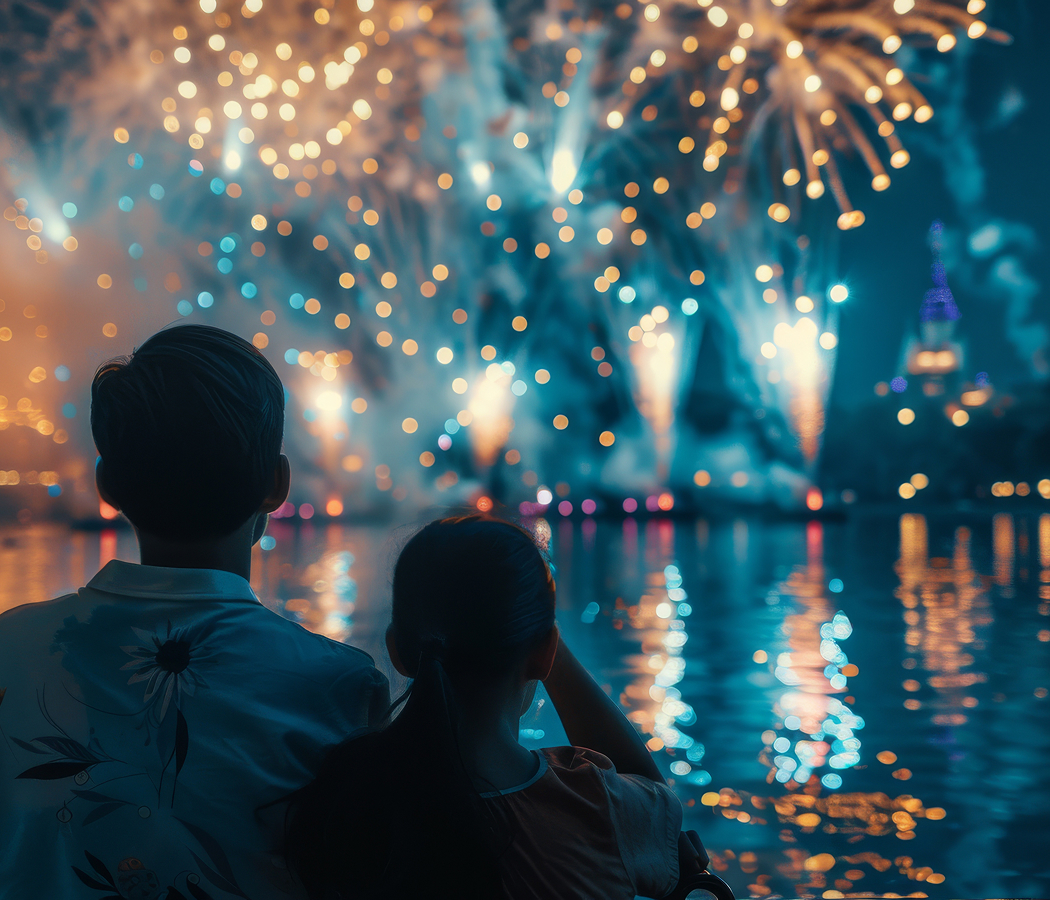
Perhaps Singapore's greatest fascination is the remarkable efficiency with which it continues to reinvent itself while preserving its multicultural identity. Historic shophouses stand alongside soaring skyscrapers, energetic heritage districts flourish beside futuristic developments, and carefully protected parks weave throughout one of the world's most densely populated nations. Whether discovering the waterfront promenade around Marina Bay, exploring the artistic streets of Tiong Bahru, or watching the nightly light displays above the skyline, visitors quickly discover that Singapore's enduring appeal lies in its ability to continually redefine what a modern city can become.
Five fascinations.
5. Singapore changed time zones to stay synchronized with its neighbors.
Singapore's clocks have shifted repeatedly during its modern history. The island once kept time based on local astronomical calculations before adopting standardized offsets under British rule, and the Japanese occupation introduced another change during World War II. The most recent adjustment came in 1982, when Singapore moved its clocks forward by 30 minutes to UTC+8 after neighboring Malaysia standardized its own time. The decision means Singapore now shares the same official time as cities including Beijing and Hong Kong, despite lying geographically much farther west.
4. Singapore has expanded dramatically by creating new land.
Modern Singapore is physically larger than it was at independence because enormous reclamation projects have pushed its coastline outward. Sand, earth, and increasingly sophisticated engineering techniques transformed shallow coastal waters into territory supporting Changi Airport, industrial districts, port facilities, housing, and major developments including Marina Bay. The process has altered the island's geography so extensively that historical maps reveal coastlines substantially different from those visible today. Singapore's famous scarcity of land produced one of its defining engineering responses: expanding the country itself.
3. Marina Bay Sands balances a 340-meter-long park across three towers.
Moshe Safdie designed Marina Bay Sands around three hotel towers crowned by the extraordinary Sands SkyPark, a structure 340 meters long that connects the towers high above the city. Its form presented an unusual engineering problem because the towers move independently under wind, temperature changes, and settlement. Specialized structural systems accommodate that movement while supporting the enormous elevated platform. The result turned a piece of structural engineering into part of Singapore's skyline identity, with what resembles a horizontal city suspended across three separate skyscrapers.
2. Singapore transformed a polluted working river into the heart of a freshwater reservoir.
For generations, the Singapore River and nearby waterways supported trade while accumulating severe pollution from boats, industries, markets, farms, and settlements. A massive cleanup launched in 1977 transformed the waterway over the following decade as polluting activities were relocated and infrastructure rebuilt. Singapore later constructed Marina Barrage across Marina Channel, creating Marina Reservoir in the center of the city. The transformation converted a historically polluted commercial waterway and its surrounding basin into part of Singapore's water-supply system, flood-control infrastructure, and contemporary waterfront landscape.
1. Singapore created the world's first nocturnal wildlife park.
Night Safari opened in 1994 beside Singapore Zoo with a radically different premise from the conventional daytime zoo: visitors would experience animals during the hours when many species are naturally most active. Its habitats use carefully controlled illumination designed to resemble moonlight, allowing visitors to observe nocturnal behavior across landscapes organized around geographic regions. The concept developed into one of Singapore's most influential contributions to modern zoological tourism. What began as an unusual local attraction established an entirely new model for presenting wildlife after dark.
Where your story begins.
Foresyte Travel reveals places that feel extraordinary long before you arrive.
Enjoy editorial crafted for luxury travelers.
Foresyte may earn a commission when you book.