Fun facts about Miami, Florida.
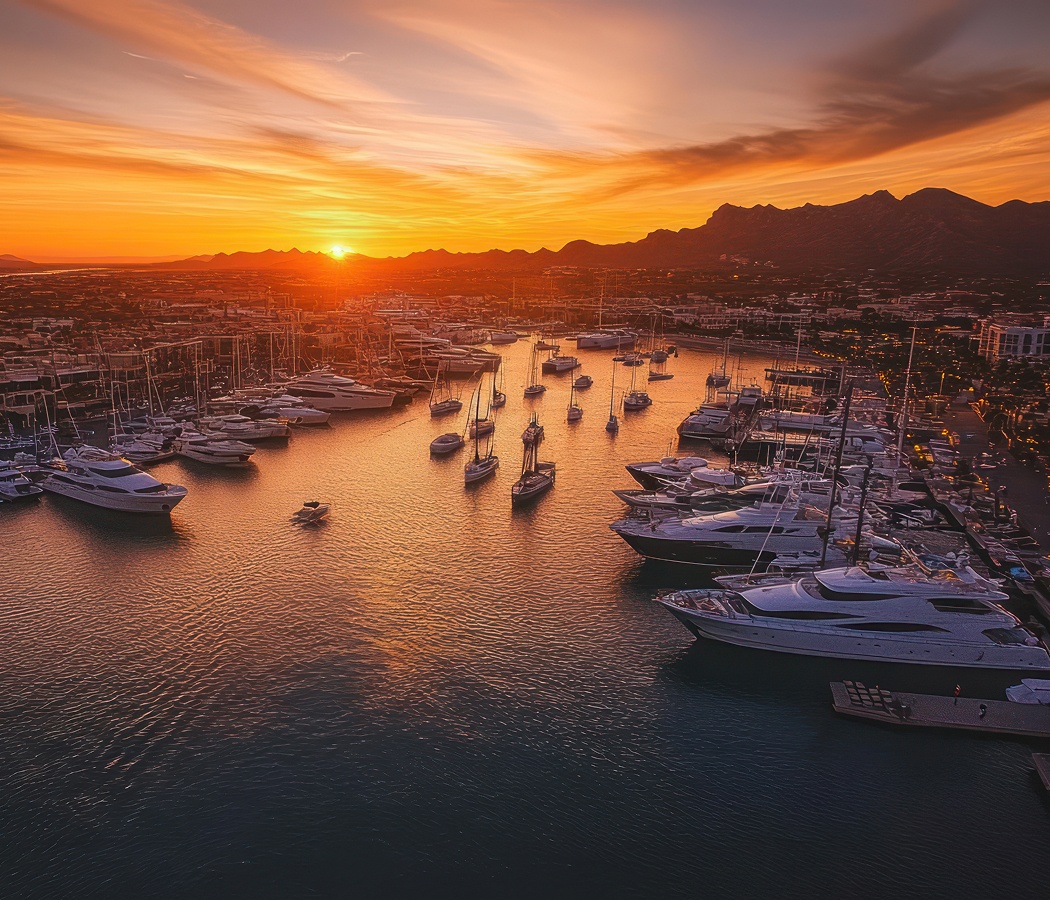
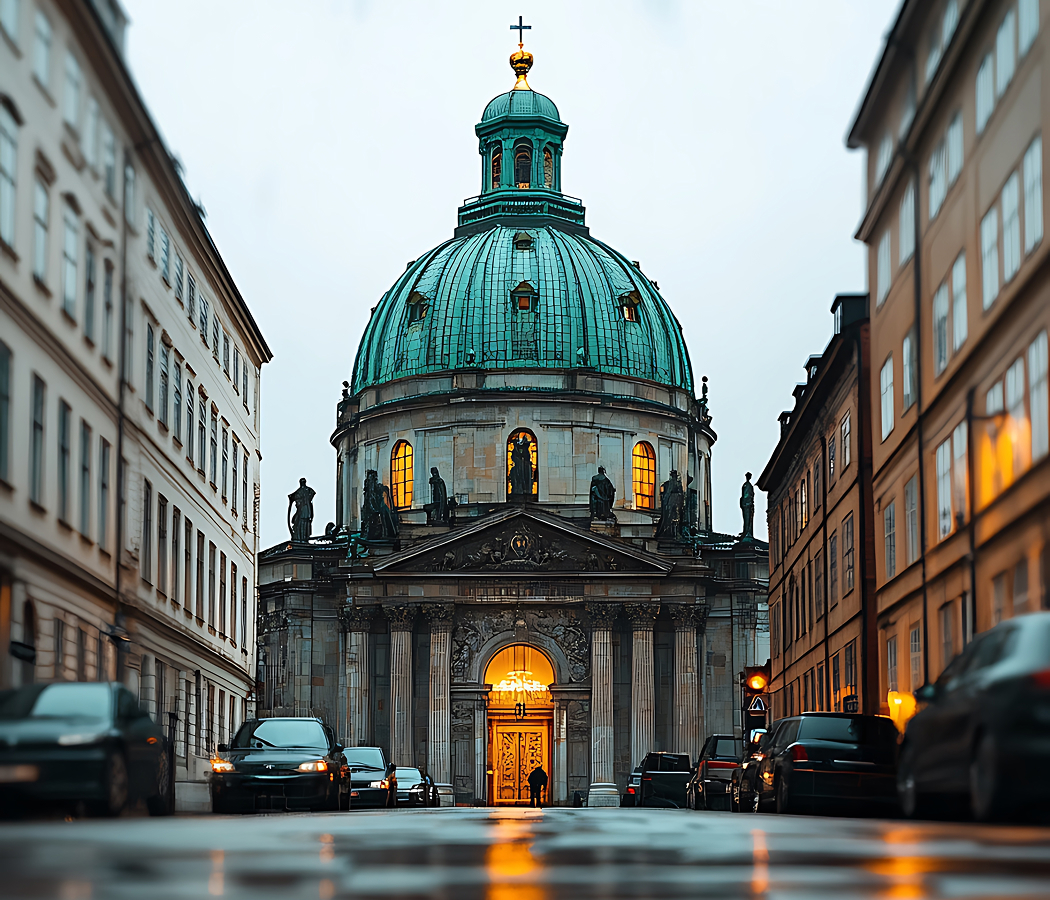
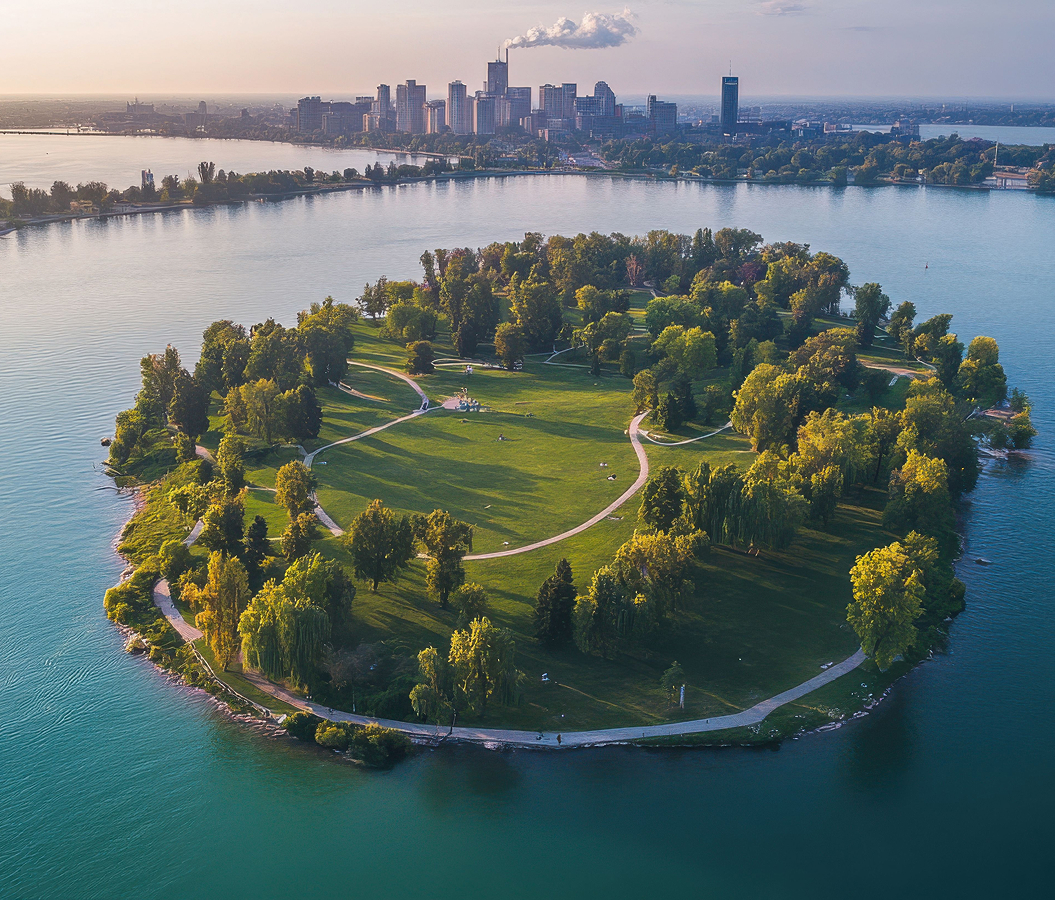
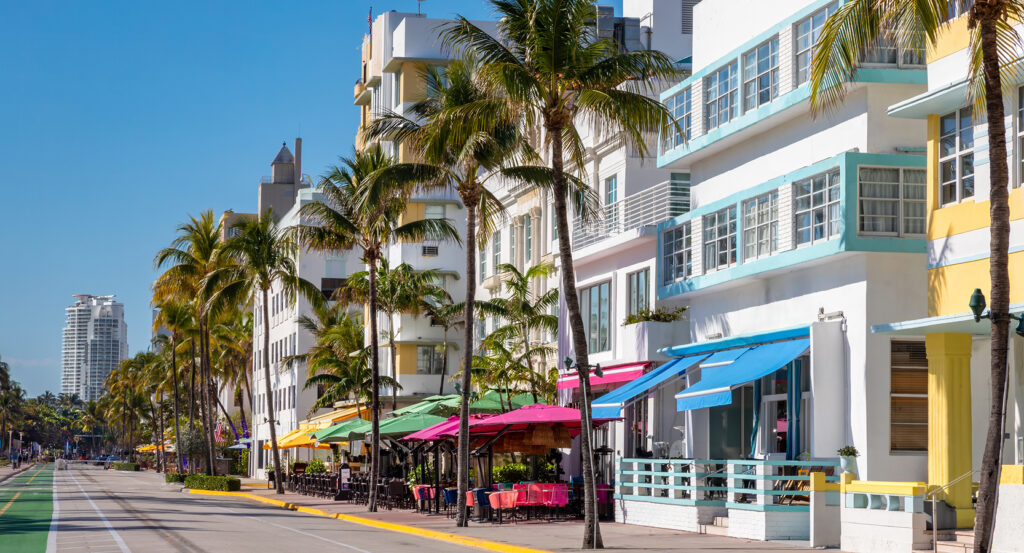
Miami's physical landscape follows the relationship between Biscayne Bay, the Miami River, coastal barrier islands, and the low-lying limestone terrain of southeastern Florida, producing an urban environment shaped by waterfront development, tropical vegetation, and successive architectural movements. Downtown developed near the mouth of the Miami River, where the historic trading settlement expanded into a concentration of commercial towers, civic institutions, and transportation infrastructure. The Freedom Tower, completed in 1925 as the headquarters of the Miami Daily News, introduced a distinctive Mediterranean Revival landmark whose design drew inspiration from the Giralda bell tower in Seville. During the 1960s, the building served as a processing center for Cuban refugees, acquiring enduring significance within the city's immigrant history. Nearby, the Gesù Church preserves an important religious landmark through its early twentieth-century architecture and longstanding association with Miami's Catholic community. The Brickell district developed south of the river through a succession of residential estates, commercial properties, and modern skyscrapers, eventually becoming a principal concentration of international banking and high-rise residential development. Along Biscayne Bay, Bayfront Park provides an important waterfront landscape, connecting the downtown skyline with public promenades, monuments, and recreational spaces. Across the MacArthur Causeway, Miami Beach presents a different urban environment whose architectural development reflects the resort culture of the twentieth century. The Art Deco Historic District contains hundreds of buildings distinguished by streamlined façades, geometric ornamentation, pastel colors, and decorative references to ocean liners and modern transportation. Ocean Drive and Collins Avenue preserve celebrated examples of this architectural movement, including hotels and apartment buildings developed during the 1930s and 1940s. South Beach subsequently became an internationally recognizable setting for hospitality, nightlife, and fashion photography, with its historic buildings contributing to the district's distinctive visual identity. West of downtown, Coral Gables introduced another influential planning tradition through the ambitions of developer George Merrick, whose Mediterranean-inspired community incorporated landscaped boulevards, grand entrances, and architectural references to Spanish and Italian precedents. The Biltmore Hotel, completed in 1926, became a defining landmark of this development through its grand courtyard, elaborate interiors, and prominent tower. Coconut Grove preserves an older residential environment distinguished by mature tropical vegetation, historic estates, and streets shaded by banyan trees and royal palms. Vizcaya Museum and Gardens, constructed during the 1910s for industrialist James Deering, presents an elaborate interpretation of Italian Renaissance architecture through its waterfront villa, formal gardens, and extensive decorative collections. Farther inland, Little Havana retains a concentrated landscape of neighborhood businesses, cultural establishments, and public gathering places associated with Miami's Cuban American communities. The Everglades extend across the western reaches of the metropolitan region, introducing an immense subtropical ecosystem of sawgrass marshes, hardwood hammocks, and freshwater wetlands. Miami's geography reflects the continuous interaction between coastal engineering, resort development, historic preservation, and the environmental conditions of a city built at the edge of the Atlantic tropics.
Floridian cultural life acquired a distinctive international dimension in Miami, where Caribbean rhythms, Latin American artistic movements, immigrant entrepreneurship, and subtropical leisure traditions transformed the city's music, cuisine, visual arts, and social identity. Cuban migration introduced influential musical traditions including son, mambo, bolero, and salsa, establishing a creative environment that connected Miami with Havana, New York, and the wider Spanish-speaking world. During the 1970s and 1980s, musicians including Gloria Estefan and the Miami Sound Machine helped bring Latin pop to international audiences, combining Caribbean percussion, contemporary production, and English- and Spanish-language performance. The city's electronic music culture subsequently developed through its clubs, recording studios, and international festivals, with Miami becoming an influential center of dance music and nightlife. Miami bass emerged during the 1980s through artists and producers who developed a distinctive sound characterized by heavy electronic rhythms, rapid percussion, and energetic vocal performances. The annual Miami Music Week and Ultra Music Festival strengthened the city's position within international electronic music culture, attracting performers and audiences from across the world. Miami's visual arts environment developed through the growth of private collections, independent galleries, and major institutions including Pérez Art Museum Miami, whose waterfront building was designed by Herzog & de Meuron. The Wynwood neighborhood became a prominent center of street art and contemporary creative enterprise, with large-scale murals transforming former warehouses and industrial properties into an internationally recognizable artistic district. The city's cultural institutions also include the Adrienne Arsht Center for the Performing Arts, which presents opera, ballet, theater, and musical performances across its principal venues. Miami's literary character reflects the experiences of migration, exile, and cultural exchange, with writers including Cristina García and Edwidge Danticat exploring the relationships between Caribbean history, family memory, and life in the United States. The city's culinary traditions express an equally diverse inheritance through Cuban sandwiches, croquetas, ropa vieja, and cafecito, alongside Haitian griot, Jamaican jerk preparations, Colombian arepas, and Peruvian ceviche. Versailles Restaurant in Little Havana became an important gathering place for Miami's Cuban American community, connecting everyday dining with political discussion and the preservation of cultural traditions. The city's hospitality culture developed through waterfront hotels, independent restaurants, neighborhood cafés, and a longstanding association with outdoor recreation and tropical leisure. The Calle Ocho Festival celebrates Latin American music, food, and community traditions, drawing large crowds to Little Havana and reinforcing the neighborhood's cultural significance. Haitian communities have contributed substantially to Miami's religious, musical, artistic, and culinary life, particularly through the institutions and businesses of Little Haiti. The city's international character also extends through fashion, photography, contemporary design, and the creative industries associated with its beaches and resort districts. Floridian cultural expression in Miami ultimately reflects the meeting of Caribbean heritage, Latin American creativity, and American metropolitan ambition, producing a city whose influence reaches across music, visual art, cuisine, and the contemporary culture of the Americas.
Five fascinations.
5. Miami Beach was largely created by transforming mangroves into real estate.
Much of modern Miami Beach emerged from an enormous early twentieth-century development project on a barrier island covered by mangroves and wetlands. Entrepreneur Carl Fisher became one of the central figures in dredging, filling, and promoting the land, helping transform it into a resort community connected to mainland Miami by causeways. Hotels, residences, roads, and recreational facilities rapidly followed. The glamorous urban island recognized around the world today owes much of its physical form to one of Florida's most ambitious episodes of land development and environmental transformation.
4. Miami Beach contains one of the world's greatest concentrations of Art Deco architecture.
Hundreds of historic buildings in Miami Beach preserve the vivacious architectural character of the 1920s through the 1940s. Streamlined façades, geometric ornament, rounded corners, nautical motifs, neon lighting, and tropical colors became especially concentrated around South Beach. Many structures faced demolition as the neighborhood declined during the twentieth century, prompting preservationist Barbara Baer Capitman and others to campaign for their survival. The Miami Beach Architectural District entered the National Register of Historic Places in 1979, turning an endangered collection of aging hotels and apartments into one of South Florida's defining cultural landscapes.
3. Miami owes much of its existence to a woman who persuaded a railroad magnate to come south.
Julia Tuttle owned extensive property along the Miami River during the 1890s and believed the isolated settlement could become a major city if Henry Flagler extended his Florida East Coast Railway there. After devastating freezes damaged crops farther north, South Florida's warmer conditions strengthened the case for expansion. Tuttle and fellow landowners offered Flagler land and other incentives, and his railroad reached Miami in 1896. The city incorporated that same year. Tuttle's role in bringing the railroad south earned her an extraordinary distinction in American urban history as the “Mother of Miami.”
2. Miami became a global center of Cuban culture after the Cuban Revolution.
The Cuban Revolution of 1959 initiated waves of migration that fundamentally transformed Miami's population, economy, politics, food, music, and cultural identity. Thousands of Cuban exiles established new lives in South Florida, with the area around Southwest 8th Street developing into the community now internationally recognized as Little Havana. Businesses, restaurants, newspapers, cultural institutions, and political organizations followed. Subsequent generations and later migration waves deepened those connections, making Miami one of the most important centers of Cuban life outside Cuba and permanently reshaping the city's relationship with Latin America and the Caribbean.
1. Miami has one of the largest collections of Art Deco lifeguard towers anywhere.
The brightly colored lifeguard towers lining Miami Beach appear playful, but many trace their modern character to the devastation of Hurricane Andrew in 1992. Architect William Lane designed replacement towers as expressive pieces of functional architecture, introducing vivid colors and whimsical geometric forms that complemented South Beach's visual culture. Additional designs followed over subsequent decades, turning essential beach-safety infrastructure into recognizable landmarks. Their individuality captures something unusually Miami: even small utilitarian structures became opportunities for architecture, color, and theatricality along one of America's most famous shorelines.
Where your story begins.
Foresyte Travel reveals places that feel extraordinary long before you arrive.
Enjoy editorial crafted for luxury travelers.
Foresyte may earn a commission when you book.