Fun facts about Thailand.
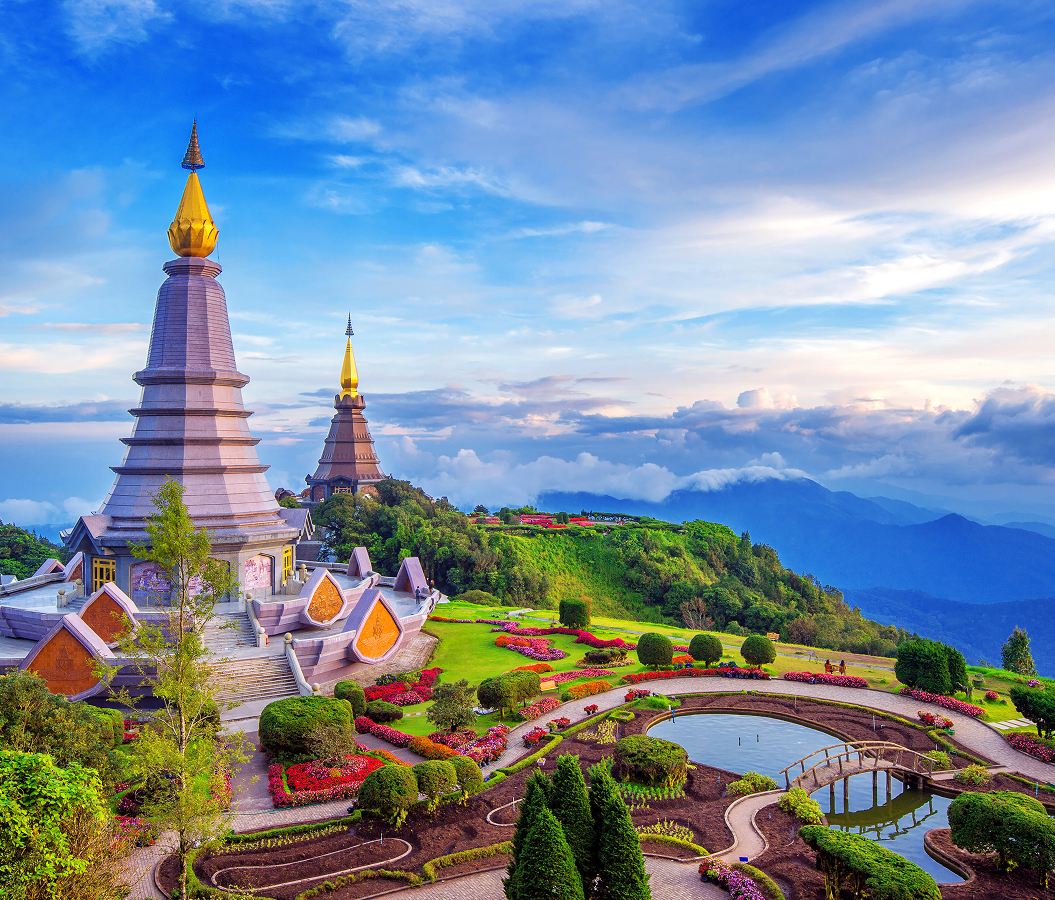
Chiang Mai lies in a broad mountain basin along the Ping River, 700 kilometers north of Bangkok, where fertile agricultural plains meet the forested highlands of northern Thailand. The city stands at an elevation of 310 meters, surrounded by mountain ranges whose slopes rise sharply above the valley floor. Doi Suthep dominates the western skyline, forming part of the Doi Suthep-Pui mountain landscape and providing a prominent natural boundary to the urban area. The historic center occupies a nearly square walled precinct 1.5 kilometers across, enclosed by a moat and surviving sections of brick fortifications. Its street network preserves the spatial organization of the Lanna capital, with temples, markets, traditional houses, and commercial buildings distributed throughout the old city. Tha Phae Gate marks the principal eastern entrance, presenting reconstructed brick walls and an open square that serves as a major civic gathering place. The surrounding streets contain guesthouses, restaurants, shops, and religious compounds whose architectural forms reflect centuries of urban continuity. Near the center, Wat Chedi Luang contains the expansive remains of a fifteenth-century brick stupa, originally among the tallest structures in the Lanna Kingdom before earthquake damage reduced its height. Its substantial base, sculpted elephant figures, and surrounding temple buildings preserve the scale of medieval royal religious patronage. Nearby, Wat Phra Singh presents one of Chiang Mai's most important temple complexes, distinguished by its gilded chedi, richly decorated wooden buildings, and classical Lanna architectural details. The Wihan Lai Kham contains elaborate murals and a revered Buddha image associated with the city's religious history. North of the old city, Wat Chiang Man preserves the earliest royal temple established during Mangrai's reign, incorporating a distinctive elephant-supported chedi and historic Buddha images. Beyond the fortified center, the urban landscape extends toward the Ping River, where historic trading neighborhoods developed along the eastern approaches. The Warorot Market district remains an important commercial center, with traditional shops, produce merchants, textile vendors, and food stalls occupying dense streets near the river. The nearby Wat Ket neighborhood preserves historic wooden houses, religious buildings, and commercial architecture associated with Chinese, Burmese, and European trading communities. West of the old city, Nimmanhaemin Road anchors a contemporary district of cafés, galleries, boutiques, and modern residential buildings connected to the university community. Chiang Mai University occupies a substantial landscaped campus near the foothills of Doi Suthep, with lakes, gardens, and academic buildings extending toward the mountain. The ascent to Wat Phra That Doi Suthep follows a winding forest road to a temple complex situated 1,050 meters above sea level. Its gilded chedi, ceremonial terraces, and elevated viewpoints establish one of northern Thailand's most recognizable religious landmarks. The surrounding Doi Suthep-Pui National Park protects montane forests, waterfalls, and mountain habitats within easy reach of the metropolitan center. Farther southwest, Doi Inthanon rises to 2,565 meters, forming Thailand's highest mountain within a landscape of cloud forests, waterfalls, and highland agricultural communities. The broader Chiang Mai province contains numerous mountain valleys inhabited by Karen, Hmong, Lahu, and other highland communities, whose settlements contribute to the region's varied cultural geography. East of the city, the San Kamphaeng district contains traditional craft villages, workshops, and agricultural settlements extending toward the surrounding foothills. Chiang Mai's physical distinction comes from the preservation of its fortified Lanna center, expansive Buddhist architecture, riverside commercial neighborhoods, and mountain landscapes that remain closely connected to the city's everyday geography.
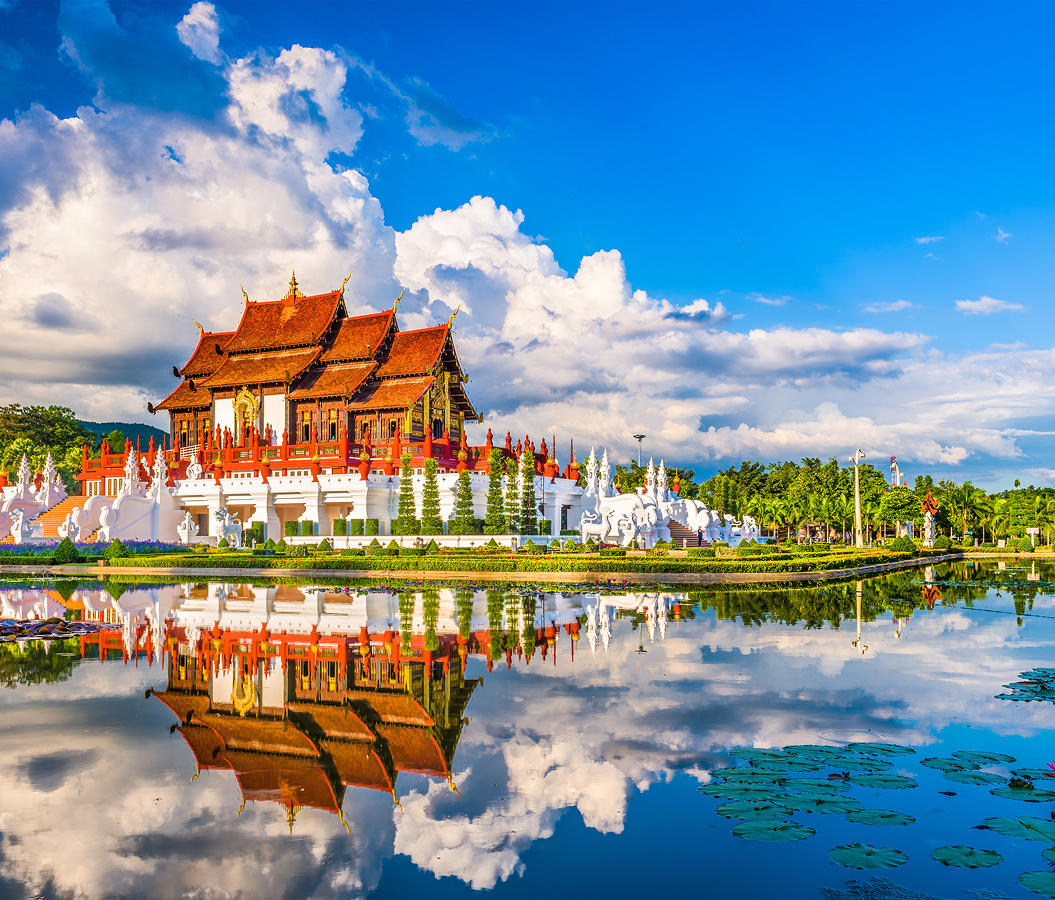
Northern Thai religious art and craftsmanship acquired a distinctive character under the Lanna Kingdom, whose royal courts and Buddhist monasteries supported traditions of sculpture, architecture, manuscript production, and ceremonial performance. Chiang Mai remains the principal center of this heritage, with temple communities sustaining religious practices that differ in important respects from those of Central Thailand. Lanna temple architecture incorporates tiered wooden roofs, elaborate carved gables, gilded ornamentation, and distinctive chedi forms influenced by regional Buddhist traditions. The city's monasteries preserve important examples of northern Thai Buddha sculpture, including images distinguished by rounded faces, elegant proportions, and refined decorative details. Traditional Lanna manuscripts were produced on palm leaves and folded paper, preserving Buddhist teachings, chronicles, medical knowledge, and local literature. The Lanna script, historically used throughout northern Thailand, remains visible in religious contexts, inscriptions, and cultural preservation initiatives. Chiang Mai's ceremonial calendar includes Yi Peng, the northern Thai lantern festival associated with the full moon of the twelfth lunar month. Temples and public spaces are illuminated with lanterns, and traditional observances include merit-making, candle offerings, and decorated lantern displays. The festival coincides with Loy Krathong, when floating offerings are placed on waterways to express gratitude and mark spiritual renewal. Songkran, the Thai New Year celebrated in April, brings elaborate religious ceremonies, processions, and water festivities to Chiang Mai, where the celebrations have become among the country's most prominent. The city also preserves important traditions of northern Thai dance and music, including fon lep, a graceful fingernail dance performed with elongated metal extensions, and fon tian, a candle dance associated with ceremonial occasions. Traditional ensembles incorporate instruments such as the sueng, a plucked lute, and the salo, a bowed string instrument, alongside drums and other regional percussion. Chiang Mai's handicraft industries maintain longstanding traditions of wood carving, lacquerware, silverwork, ceramics, and textile production. The Wua Lai district is particularly associated with silversmithing, with workshops producing decorative objects, jewelry, and ceremonial items. The nearby communities of Bo Sang and San Kamphaeng are known for painted paper umbrellas, silk weaving, and other craft traditions supported by specialized family workshops. The Chiang Mai City Arts and Cultural Centre occupies the former provincial administrative building, presenting exhibitions devoted to the city's history, Lanna society, and regional artistic practices. The Lanna Folklife Museum contributes further collections addressing religious customs, material culture, and traditional community life. Contemporary Chiang Mai also supports a substantial independent arts community, with galleries, design studios, and cultural spaces influenced by the city's universities and international creative networks. The annual Chiang Mai Design Week brings together designers, artists, and craftspeople through exhibitions and installations across the city. Northern Thai cuisine differs from Central Thai cooking through its emphasis on aromatic herbs, fermented ingredients, grilled meats, and dishes influenced by neighboring Myanmar, Laos, and Yunnan. Khao soi, a coconut-based curry noodle soup commonly served with chicken or beef and topped with crispy noodles, has become Chiang Mai's most recognizable regional specialty. Sai ua, a grilled northern Thai sausage seasoned with lemongrass, galangal, chilies, and herbs, reflects the region's distinctive approach to aromatic spice mixtures. Nam prik noom, a roasted green chili relish, and nam prik ong, a tomato-and-pork preparation, are traditionally served with vegetables, sticky rice, and pork cracklings. Khan tok dining presents multiple northern Thai dishes on a low circular tray, reflecting ceremonial and communal eating traditions. Chiang Mai's cultural importance rests upon its enduring Lanna Buddhist institutions, regional craftsmanship, distinctive performing arts, and culinary heritage shaped by centuries of exchange across mainland Southeast Asia.
Five fascinations.
5. Chiang Mai was founded as the capital of an independent northern Thai kingdom.
King Mangrai founded Chiang Mai in 1296 as the new capital of the Lanna Kingdom, selecting a strategic site between the Ping River and Doi Suthep. The planned city was protected by defensive walls and a broad moat, elements that still define the historic center more than seven centuries later. Lanna developed its own artistic, religious, architectural, and linguistic traditions while interacting with neighboring kingdoms across mainland Southeast Asia. Chiang Mai carries a character distinct from Thailand's central plains: its old city originated as the political heart of a powerful northern kingdom whose cultural influence remains embedded throughout the region.
4. Chiang Mai's old city still follows the footprint of its medieval defenses.
The historic center forms a remarkably legible square surrounded by remnants of brick walls and a water-filled moat. Gates positioned around this enclosure once controlled movement into the fortified Lanna capital, with Tha Phae Gate becoming the best-known surviving entrance. Warfare and centuries of urban change damaged much of the original defensive system, yet reconstructed gates, bastions, stretches of masonry, and the continuous moat preserve its underlying geometry. Modern roads now follow the fortifications while temples, residences, markets, and businesses occupy the interior. Chiang Mai retains a medieval planning structure that remains visible within the circulation and everyday life of the contemporary city.
3. Wat Chedi Luang preserves the remains of a monument once among the tallest structures in Lanna.
Construction of Wat Chedi Luang's enormous chedi began during the fourteenth century and continued under later Lanna rulers, eventually producing an expansive structure that dominated Chiang Mai's skyline. The Emerald Buddha, now housed at Wat Phra Kaew in Bangkok, occupied the temple during the fifteenth and sixteenth centuries. An earthquake in the sixteenth century severely damaged the upper portion of the chedi, leaving the immense truncated monument visible today. Its surviving brick mass still conveys the architectural ambition of the Lanna capital, turning the temple complex into a physical record of Chiang Mai's royal power, Buddhist devotion, and centuries of transformation.
2. Doi Suthep turned the mountain above Chiang Mai into part of the city's sacred geography.
Wat Phra That Doi Suthep rises high above Chiang Mai on Doi Suthep, creating one of northern Thailand's most important Buddhist landmarks. Tradition connects the temple's fourteenth-century foundation with a sacred relic carried up the mountain by a white elephant, which stopped near the summit before dying there. A temple was subsequently established at the site, and its gilded chedi became the spiritual centerpiece of the complex. Pilgrims traditionally ascend a long staircase guarded by serpentine naga balustrades. Chiang Mai's character extends vertically from the fortified plain to a sacred mountain whose temple has watched over the city for centuries.
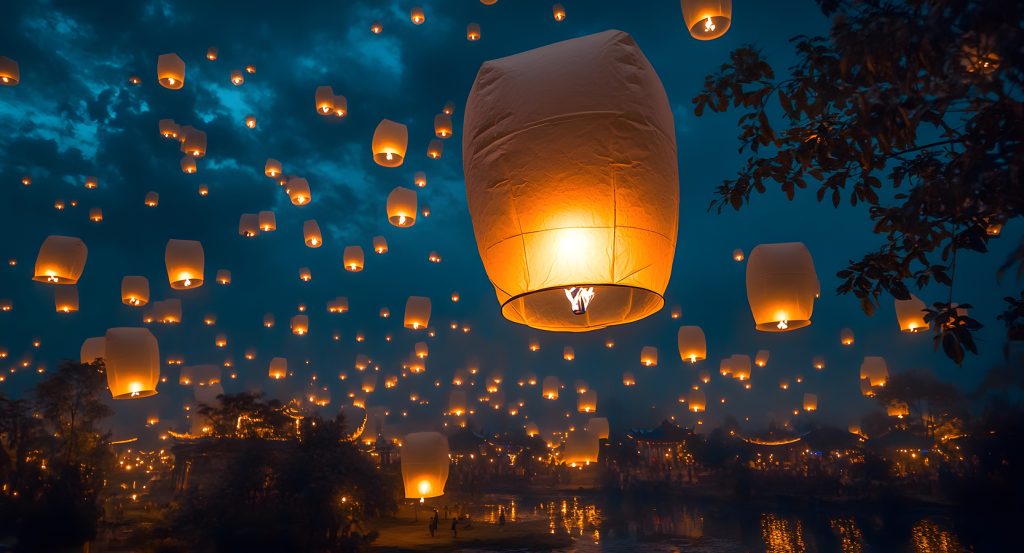
1. Chiang Mai launches thousands of glowing lanterns into the night during one of northern Thailand's defining festivals.
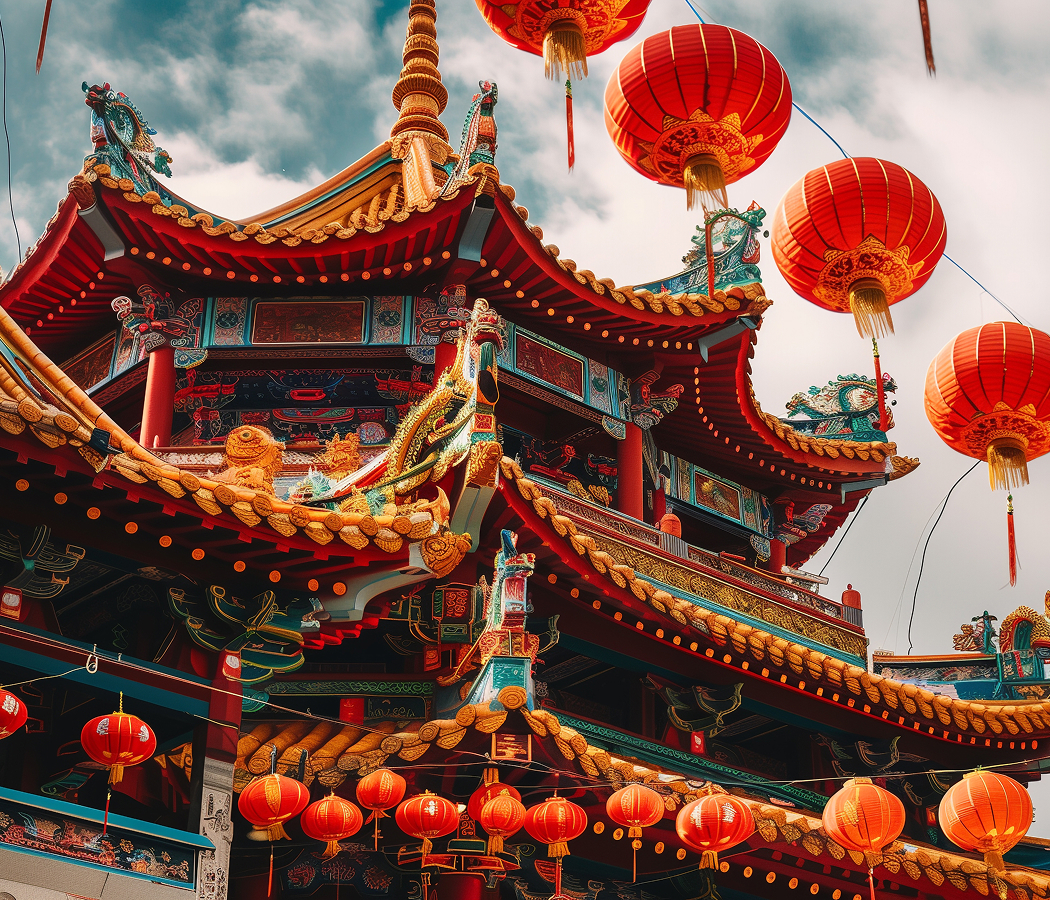
Yi Peng transforms Chiang Mai with illuminated temples, lantern decorations, ceremonies, and the release of khom loi, paper lanterns that rise after hot air fills their interiors. The Lanna festival occurs around the same period as Loy Krathong, when decorated floating offerings are placed on waterways, creating two overlapping traditions of light. Chiang Mai became especially associated with the extraordinary sight of lanterns ascending across the night sky, although modern releases are controlled because of fire and aviation risks. The performance reflects a deeper Lanna religious and cultural tradition, turning light itself into one of the city's most recognizable expressions of collective celebration.
Where your story begins.
Foresyte Travel reveals places that feel extraordinary long before you arrive.
Enjoy editorial crafted for luxury travelers.
Foresyte may earn a commission when you book.