Fun facts about Geneva, Switzerland.
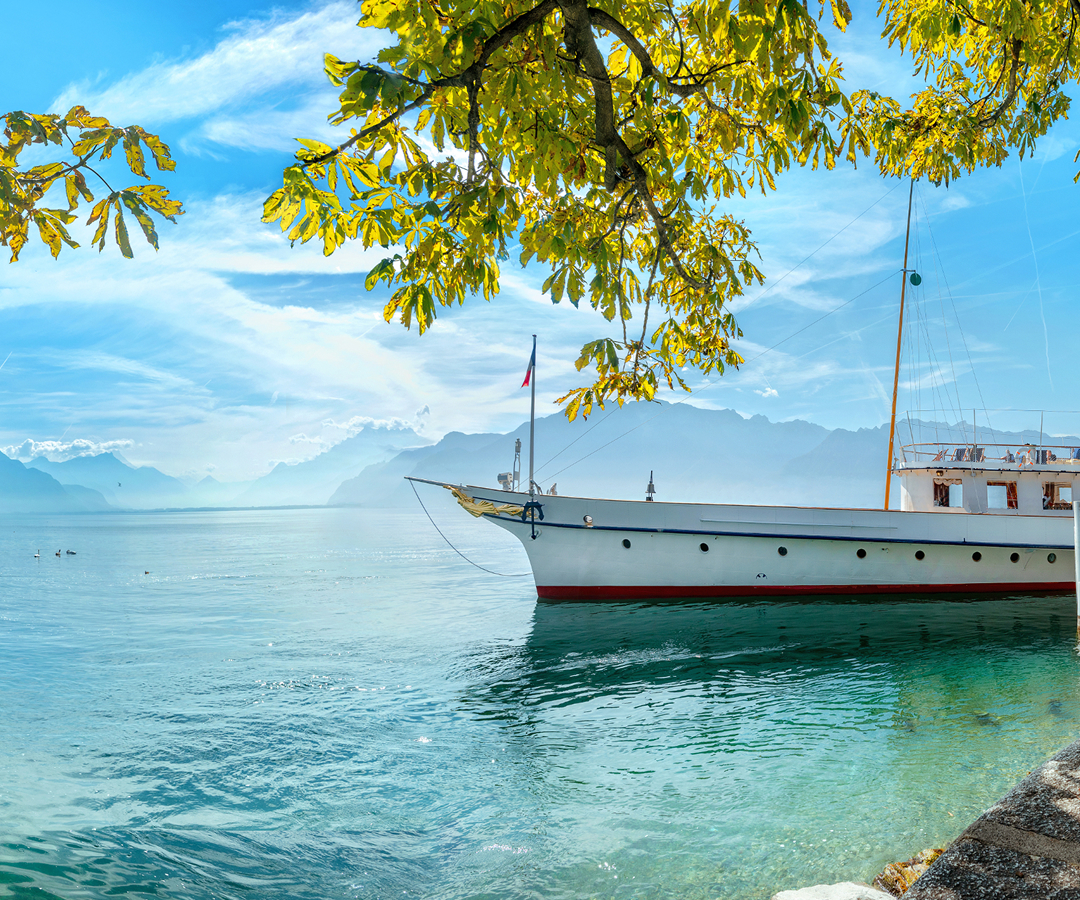
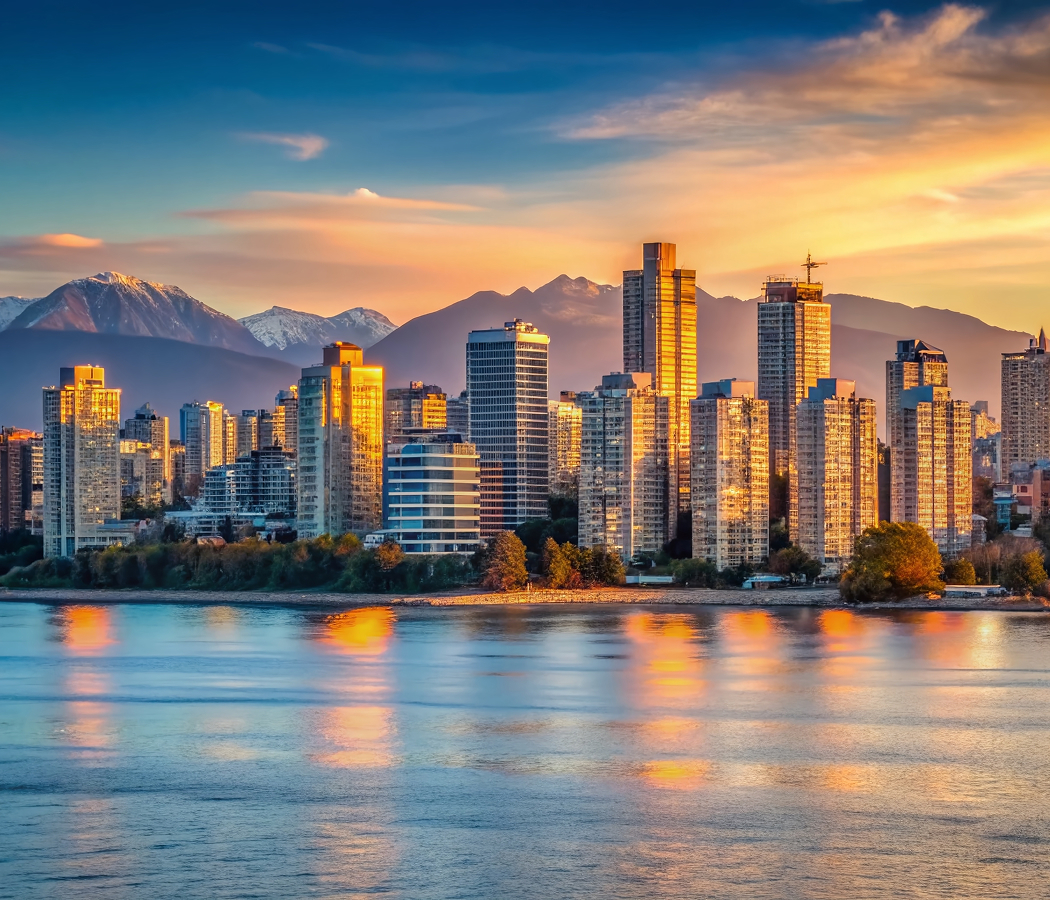
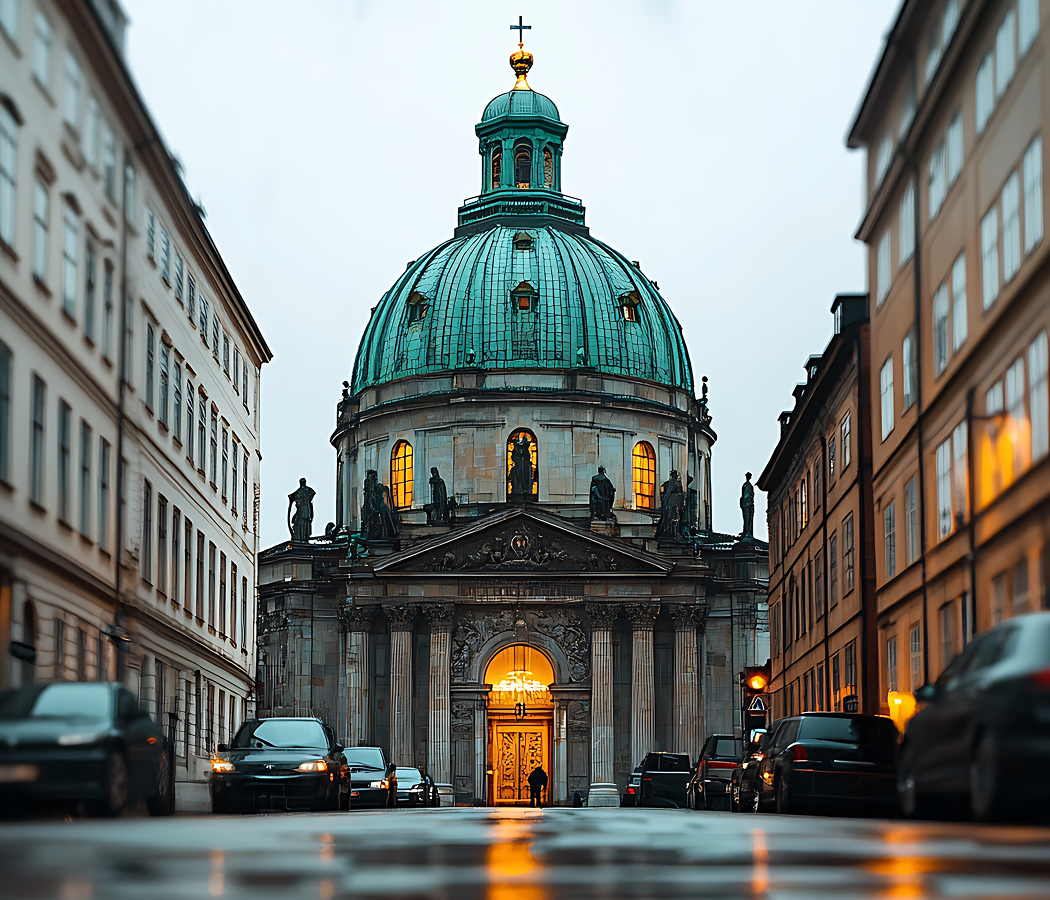
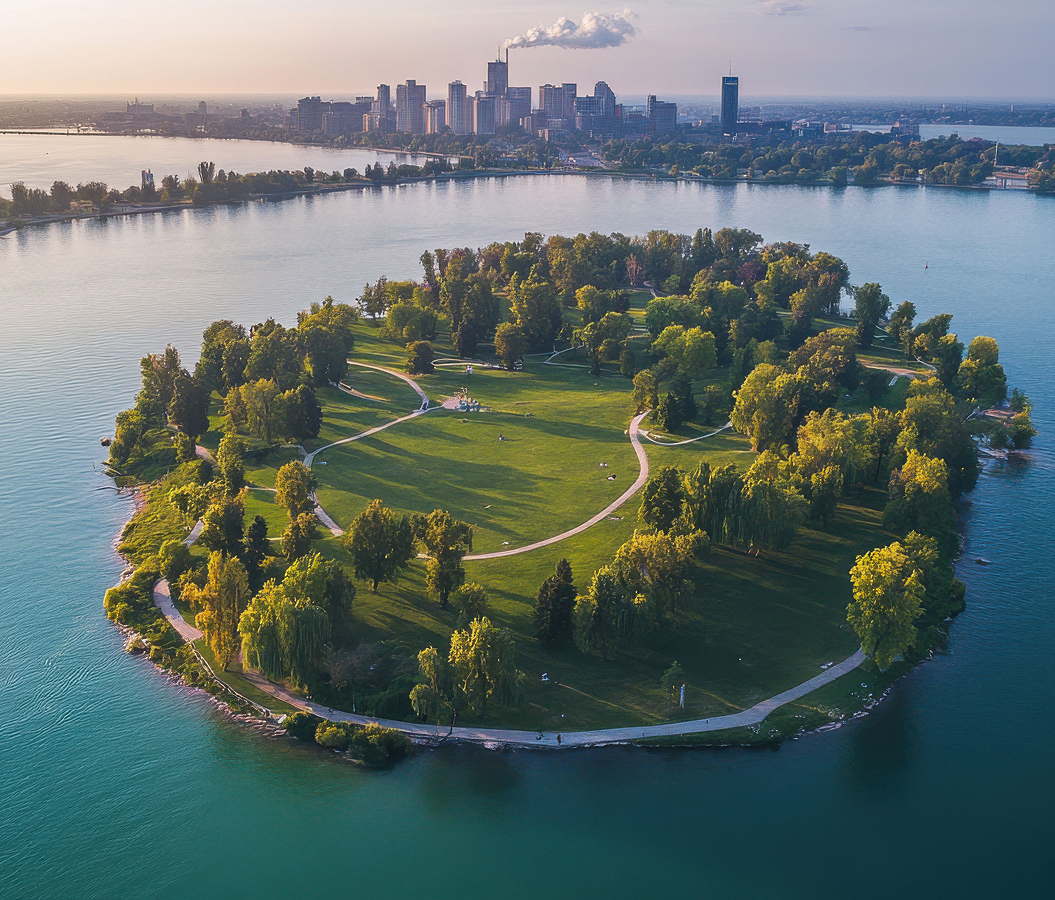
Geneva curves around the southwestern end of Lake Geneva, known locally as Lac Léman, where the Rhône exits the lake beneath a landscape framed by the Jura Mountains to the northwest and the Salève to the southeast. On clear days, the distant summit of Mont Blanc rises above the Alpine horizon, giving the city a striking geographic relationship with the highest mountains of western Europe. The Rhône divides Geneva's central districts, and the Arve joins it farther downstream after descending from the Mont Blanc massif, its sediment-rich waters creating a visible contrast with the lake-fed river. The historic center occupies elevated ground south of the Rhône, where the Vieille Ville preserves narrow streets, stone stairways, enclosed courtyards, and buildings associated with the city's medieval and early modern prosperity. St. Pierre Cathedral crowns the old town, combining Romanesque and Gothic elements with a Neoclassical entrance façade. Its austere interior reflects Geneva's Reformation heritage, and the archaeological site beneath the cathedral reveals successive phases of religious construction. Nearby, the Maison Tavel preserves a medieval townhouse whose exhibitions explore the city's urban history. The Place du Bourg-de-Four forms one of the old town's principal gathering spaces, surrounded by historic façades, cafés, and pedestrian streets. Westward, the Parc des Bastions occupies the former defensive perimeter beneath the old town, containing the Reformation Wall, an expansive tribute to leading figures of Protestant history. The University of Geneva maintains an important presence nearby, connecting the historic civic landscape with contemporary academic life. Along the lakefront, the Jardin Anglais provides landscaped promenades and the celebrated Flower Clock, whose seasonal plantings reflect Geneva's association with precision timekeeping. Offshore, the Jet d'Eau projects a powerful column of water 140 meters above the harbor, establishing the city's most recognizable modern landmark. The Pont du Mont-Blanc connects the southern waterfront with the northern districts, framing views across the lake toward the Alps. On the right bank, the Pâquis neighborhood contains hotels, restaurants, international businesses, and a diverse residential community extending toward the waterfront. The Bains des Pâquis occupies a pier projecting into the lake, with swimming facilities, a sauna, and informal dining spaces that make it a prominent local gathering place. Farther north, the international district surrounds the Palais des Nations, the former League of Nations headquarters that now accommodates the United Nations Office at Geneva. Its expansive Neoclassical buildings overlook extensive parkland and the lake, with diplomatic missions and international institutions concentrated in the surrounding streets. The nearby International Red Cross and Red Crescent Museum explores humanitarian action within a contemporary exhibition setting. East of the center, Eaux-Vives combines residential boulevards, independent businesses, and waterfront parks, including the expansive Parc La Grange and its celebrated rose garden. The neighboring Parc des Eaux-Vives descends toward the lake through mature trees and landscaped lawns. Southward, Carouge presents a distinctive urban landscape developed under the Kingdom of Sardinia during the eighteenth century, with low-rise buildings, interior courtyards, artisan workshops, and a street plan influenced by Italian town planning. The district's markets, cafés, and independent shops give it a recognizable character within the larger metropolitan area. Geneva's built environment also includes substantial nineteenth-century apartment buildings, elegant lakeside residences, modern office districts, and contemporary architecture associated with international organizations. Beyond the central neighborhoods, vineyards extend through the canton, particularly around Satigny, Dardagny, and the Mandement countryside. Geneva's physical distinction comes from the unusually intimate arrangement of a medieval city, an international diplomatic quarter, residential waterfronts, and cultivated rural landscapes around the clear waters of an Alpine lake.
Swiss French-speaking culture in Geneva reflects centuries of Protestant scholarship, international exchange, precision craftsmanship, and a strong tradition of civic independence. The Reformation shaped the city's educational institutions, publishing activity, and intellectual reputation, establishing a scholarly environment that attracted theologians, printers, and political thinkers from across Europe. Jean-Jacques Rousseau remains one of Geneva's most consequential intellectual figures, particularly through The Social Contract and his writings on education, inequality, and political freedom. The city's literary inheritance also includes Jorge Luis Borges, who spent formative years in Geneva and later returned to the city, where he died in 1986. Geneva's humanitarian institutions contribute a distinctive dimension to its public culture. The International Committee of the Red Cross developed from the conviction that wounded soldiers required protection and impartial assistance, and the organization remains closely associated with the city's diplomatic and ethical traditions. The United Nations, World Health Organization, World Trade Organization, and numerous other international bodies bring an exceptionally diverse professional population to the metropolitan region. This concentration supports multilingual cultural programming, international conferences, and public discussions addressing global affairs. Geneva's artistic institutions include the Musée d'Art et d'Histoire, whose collections encompass archaeology, fine arts, and applied arts, and the Musée Rath, an important venue for temporary exhibitions. The Musée d'Ethnographie de Genève explores material culture and human societies through collections assembled across the world. The Grand Théâtre de Genève presents opera, ballet, and major musical productions, contributing to the city's longstanding performing arts tradition. The Orchestre de la Suisse Romande, founded by Ernest Ansermet in 1918, achieved international prominence through its interpretations of French, Russian, and twentieth-century orchestral music. Geneva's watchmaking heritage remains equally significant. The city became a center of fine horology through generations of specialist craftspeople whose technical innovations helped establish Switzerland's reputation for mechanical precision. Historic manufacturers including Patek Philippe and Vacheron Constantin maintain deep connections with Geneva, and the Patek Philippe Museum presents collections of watches, automata, and miniature decorative arts. The annual Escalade festival commemorates the city's successful defense against Savoyard forces through historical processions, period costumes, communal celebrations, and the ceremonial breaking of chocolate cauldrons. Geneva's culinary traditions draw upon the agricultural resources of western Switzerland, neighboring France, and the wider Lake Geneva region. Cheese fondue remains a familiar communal dish, prepared from melted regional cheeses and white wine and served with bread. Filets de perche, delicate freshwater perch fillets commonly pan-fried and accompanied by potatoes, connect local dining with the lake's fishing traditions. Longeole, a pork sausage flavored with fennel, is a distinctive Genevan specialty often served with potatoes or lentils. Cardoon, a vegetable related to the artichoke, occupies an important place in traditional holiday meals and regional cooking. The canton also produces wines from Chasselas, Gamay, and other grape varieties cultivated in its surrounding vineyards. Geneva's restaurants reflect the city's international population, with French, Italian, Middle Eastern, Asian, and contemporary Swiss cooking represented throughout the metropolitan area. Neighborhood markets, lakeside cafés, and seasonal food celebrations sustain a lively everyday dining culture. Geneva's cultural influence is inseparable from its intellectual institutions, humanitarian commitments, watchmaking craftsmanship, and the international community that has made this compact lakeside city a major meeting place for the modern world.
Five fascinations.
5. Geneva's most famous fountain began as a piece of industrial infrastructure.
The Jet d'Eau originated in the nineteenth century as a practical solution for controlling excess pressure in a hydraulic network that powered machinery around Geneva. A pressure-release outlet produced a vertical jet of water near the Rhône, and its striking appearance quickly attracted attention beyond its engineering purpose. Geneva subsequently relocated the fountain to Lake Geneva and transformed it into a deliberate civic landmark. The modern installation propels water 140 meters into the air, making the plume visible across much of the waterfront. One of Switzerland's most recognizable sights evolved from an engineering mechanism designed to manage the operation of an industrial power system.
4. Geneva became one of the great centers of European watchmaking partly because religious reform changed what people wore.
John Calvin and the Protestant Reformation transformed Geneva during the sixteenth century, imposing strict attitudes toward luxury and personal display. Goldsmiths and other skilled artisans increasingly redirected their craftsmanship toward objects with practical functions, including watches. Protestant refugees arriving from elsewhere in Europe brought additional technical expertise, strengthening an industry that became deeply associated with the city. Geneva developed rigorous traditions of precision manufacturing and luxury horology that later helped define Swiss watchmaking internationally. The city's extraordinary connection with mechanical timekeeping emerged from an unusual intersection of religious culture, migration, craftsmanship, and technological specialization.
3. Geneva helped create the Red Cross after a businessman witnessed the aftermath of a battlefield.
Genevan businessman Henry Dunant encountered the devastating aftermath of the Battle of Solferino in northern Italy in 1859, where thousands of wounded soldiers overwhelmed available medical assistance. His experience inspired A Memory of Solferino and proposals for voluntary relief organizations serving wounded combatants. Dunant and other Genevans subsequently formed the committee that evolved into the International Committee of the Red Cross. The first Geneva Convention followed in 1864, establishing protections for wounded soldiers and medical personnel. Geneva became inseparable from the development of modern international humanitarian law, giving a comparatively small Swiss city an extraordinary institutional role in conflicts around the world.
2. Geneva contains an expansive chair with one deliberately shattered leg.
Broken Chair stands outside the Palais des Nations as an enormous wooden sculpture rising twelve meters above the Place des Nations. Swiss artist Daniel Berset designed the work, which was installed in 1997 in connection with a campaign against landmines. Three legs support the structure while the fourth appears violently splintered, turning the familiar form of an ordinary chair into a stark representation of bodily injury and survival. Its position opposite the United Nations complex places the sculpture directly within Geneva's international diplomatic landscape. Broken Chair converts public art into a permanent visual confrontation with the human consequences of armed conflict.
1. Geneva's Palace of Nations was built for an international organization that no longer exists.
The Palais des Nations was constructed during the interwar period as the headquarters of the League of Nations, the ambitious international organization created after World War I to promote cooperation and prevent future conflicts. Architects developed an enormous expansive complex overlooking Lake Geneva and the Alps within Ariana Park. The League ultimately failed to prevent another world war and dissolved in 1946, but its Geneva headquarters acquired a second institutional life. The complex became the European center of the United Nations and developed into one of the world's most important diplomatic sites. Geneva preserved the physical headquarters of one experiment in international governance by transforming it into the working center of its successor.
Where your story begins.
Foresyte Travel reveals places that feel extraordinary long before you arrive.
Enjoy editorial crafted for luxury travelers.
Foresyte may earn a commission when you book.