Fun facts about Brisbane, Australia.
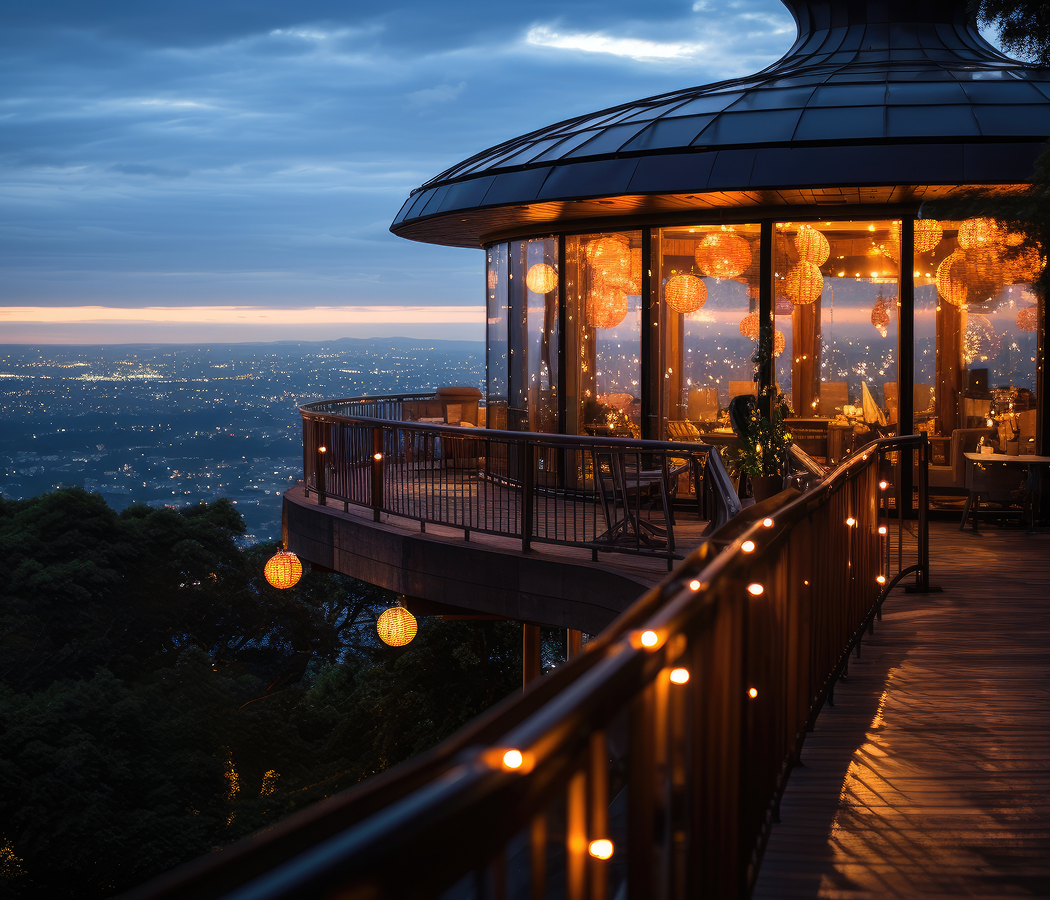
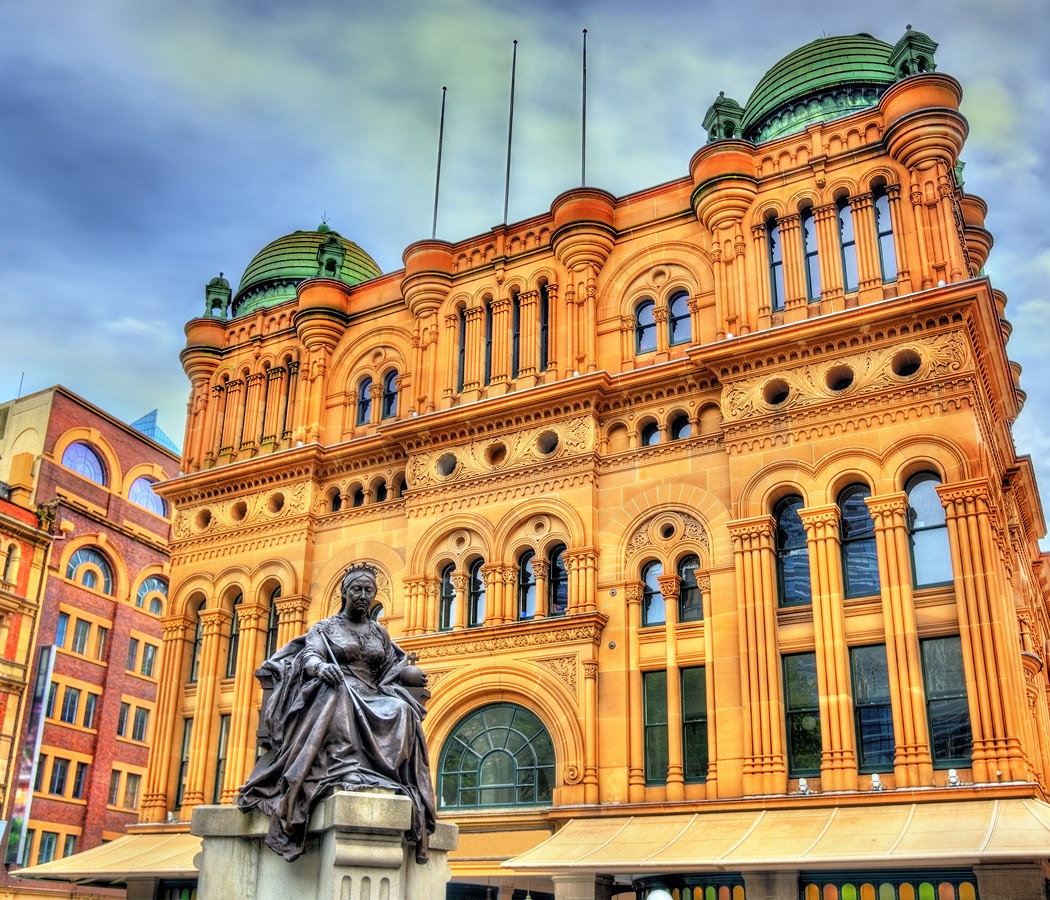
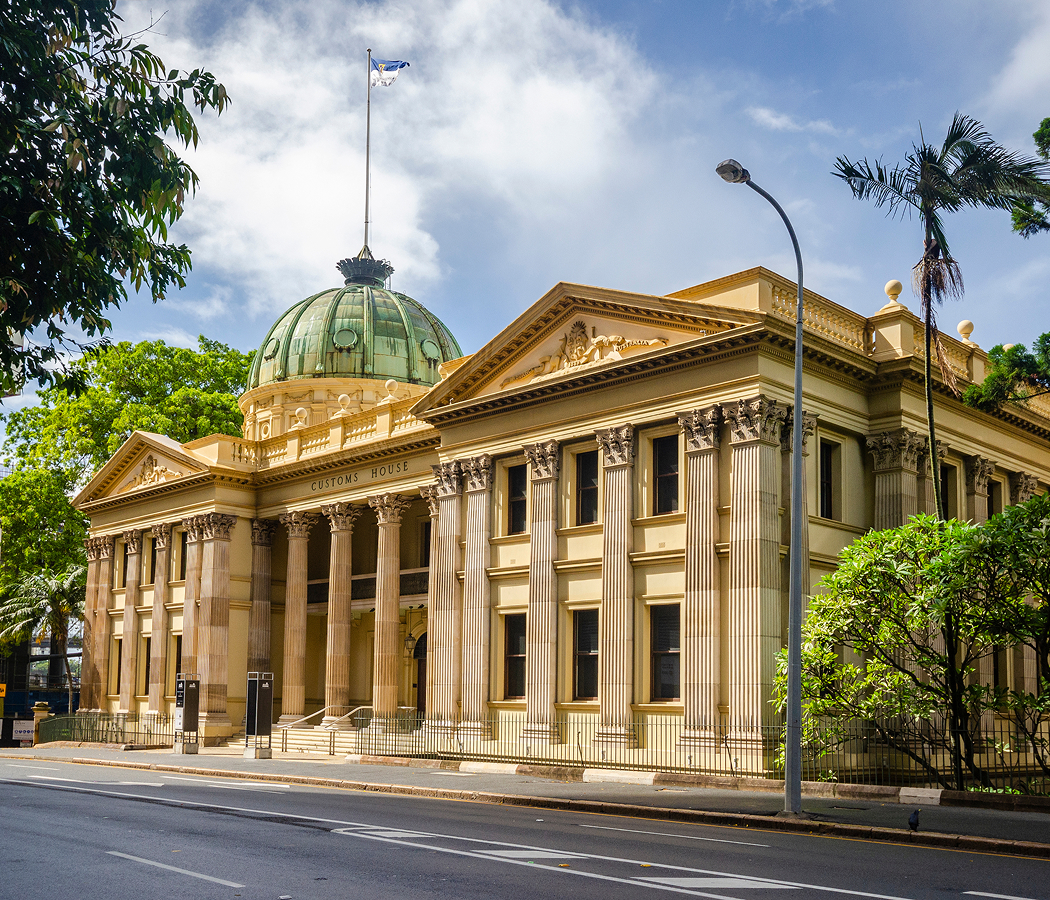
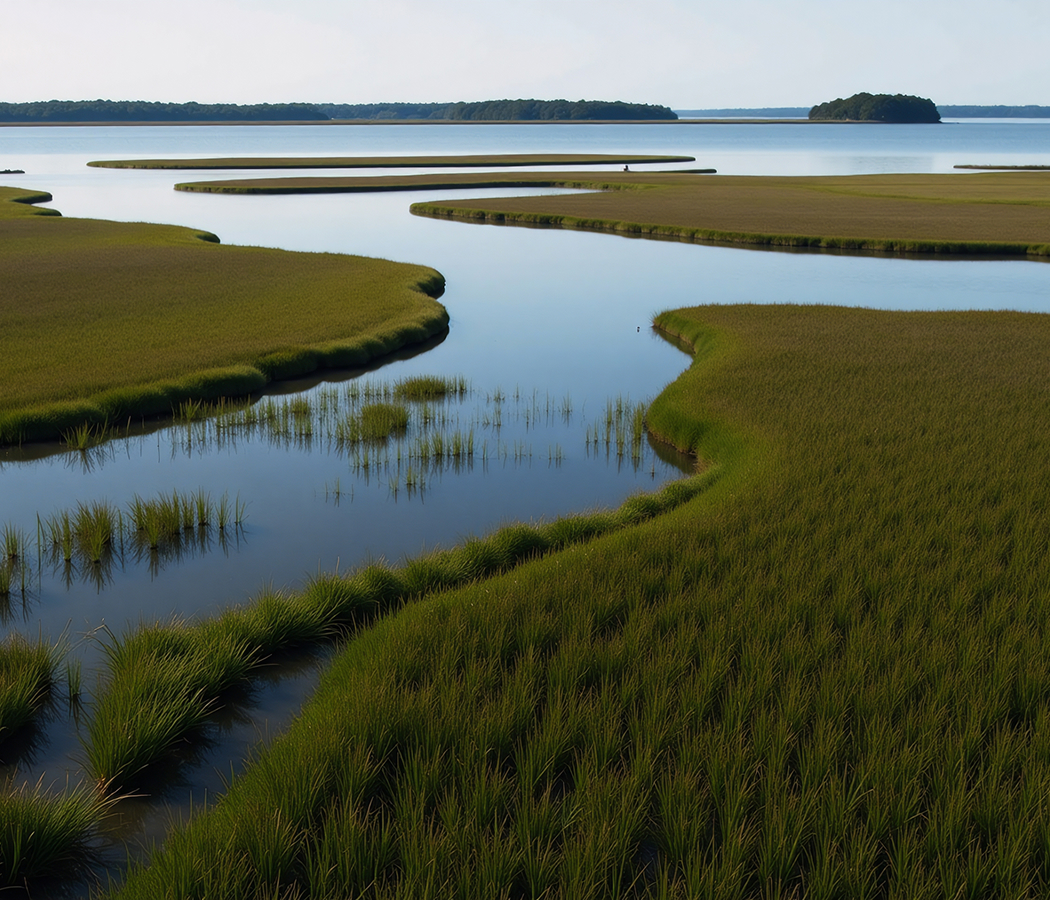
Brisbane follows the winding course of the Brisbane River through a broad subtropical basin, where sandstone ridges, wooded hills, floodplains, and extensive parklands create an urban landscape shaped by the movement of water. The city lies twenty-five kilometers inland from Moreton Bay, with the river connecting its central districts to the coastal waterways and islands of southeastern Queensland. Its distinctive meanders divide the metropolitan core into a series of peninsulas, riverfront neighborhoods, and elevated residential districts, producing an unusually intricate relationship between streets, bridges, and waterfront public spaces. The central business district occupies a peninsula enclosed by a sweeping bend of the river, with a regular street grid named principally for British monarchs. Queen Street forms the main commercial corridor, extending through historic retail buildings and contemporary developments toward the riverfront. The Treasury Building, completed in stages between 1886 and 1928, presents an imposing Italian Renaissance Revival composition overlooking the central city. Nearby, Brisbane City Hall introduces an expansive civic landmark through its sandstone exterior, classical architectural detailing, and prominent clock tower. Across the river, South Bank occupies former industrial and exhibition grounds transformed into an extensive cultural and recreational precinct. The South Bank Parklands contain landscaped gardens, riverside promenades, public plazas, and Streets Beach, an artificial swimming lagoon integrated into the metropolitan waterfront. The Queensland Cultural Centre anchors the precinct through a substantial collection of public institutions, including the Queensland Art Gallery, Gallery of Modern Art, Queensland Museum, and Queensland Performing Arts Centre. The original cultural complex presents a restrained late-modernist architectural composition developed through the work of architect Robin Gibson, with broad terraces and expansive concrete forms overlooking the river. The Gallery of Modern Art, opened in 2006, extends the precinct through a contemporary building distinguished by generous exhibition spaces and a strong relationship with the waterfront. East of the central district, the Story Bridge crosses the Brisbane River through an expansive steel cantilever structure completed in 1940, connecting Fortitude Valley with Kangaroo Point. The bridge forms one of the city's defining engineering landmarks, rising above a river corridor bordered by historic industrial sites and contemporary residential towers. Beneath its southern approaches, the Kangaroo Point Cliffs preserve exposed volcanic rock faces created through former quarrying activity, now incorporated into a recreational landscape overlooking the central skyline. The nearby New Farm district combines historic Queenslander houses, contemporary apartment buildings, and extensive riverside parkland. New Farm Park occupies a broad riverfront setting distinguished by mature fig trees, landscaped gardens, and substantial recreational grounds. Adjacent to the park, the Brisbane Powerhouse occupies a former electricity generating station transformed into a contemporary performance and exhibition venue. Farther west, the University of Queensland's St. Lucia campus extends along another river bend through landscaped grounds and substantial academic buildings. Brisbane's residential architecture is particularly associated with the Queenslander house, a timber dwelling commonly elevated on stumps and distinguished by broad verandas, corrugated metal roofs, and features designed to encourage ventilation in the subtropical climate. Historic examples remain prominent in Paddington, Red Hill, and other established neighborhoods. Mount Coot-tha rises west of the central city, providing extensive views across the metropolitan basin toward Moreton Bay and the distant coastal islands. Its forested slopes contain walking trails, botanical gardens, and important recreational landscapes. The surrounding region includes the protected wetlands of Moreton Bay, whose shallow waters, mangrove forests, and sandy islands support substantial marine and bird populations. Brisbane's physical distinction lies in the integration of a dramatically winding river, elevated timber architecture, expansive civic infrastructure, and expansive subtropical landscapes within a metropolitan environment continually shaped by its waterways.
Queensland's literary, musical, and artistic development has found an influential center in Brisbane, where Aboriginal traditions, independent music, contemporary art, and a distinctive subtropical food culture have shaped the city's modern creative landscape. The Turrbal and Jagera peoples maintain enduring cultural relationships with the Brisbane River and surrounding Country, preserving knowledge of local environments, ceremonial practices, and ancestral histories through successive generations. Contemporary Aboriginal and Torres Strait Islander artists contribute substantially to Brisbane's cultural institutions, with Queensland's position near the Torres Strait strengthening connections to the artistic traditions of northern Australia and the Pacific. The Queensland Art Gallery and Gallery of Modern Art hold major collections of Australian, Indigenous, Asian, and Pacific art, reflecting the city's geographic connections across the wider Asia-Pacific region. The Asia Pacific Triennial of Contemporary Art, established in 1993, developed into a major international exhibition series, bringing artists from across Asia and the Pacific into sustained discussion with Australian audiences. Brisbane's literary history includes David Malouf, whose novels and poetry explore memory, landscape, migration, and the complexities of Australian experience. His novel Johnno, published in 1975, presents a vivid portrait of Brisbane during the mid-twentieth century, capturing the social atmosphere of a city undergoing gradual cultural change. The city's contemporary literary environment also includes the Brisbane Writers Festival, which brings Australian and international authors together through public discussions and literary programming. Brisbane's musical history developed through a vigorous independent scene that challenged the restrictions and conservative political atmosphere of the 1970s and 1980s. The Saints, formed in Brisbane in 1973, became pioneers of punk rock through their raw sound and influential early recordings. The Go-Betweens, founded by Robert Forster and Grant McLennan in 1977, contributed another distinctive musical legacy through literate songwriting, melodic experimentation, and an influential body of independent rock recordings. Their importance to the city's musical history is commemorated by the Go Between Bridge, opened in 2010. Brisbane's contemporary performance culture encompasses the Queensland Symphony Orchestra, Queensland Ballet, and major theater companies presenting classical and experimental work. The Queensland Performing Arts Centre supports a substantial program of opera, dance, theater, and orchestral music, reinforcing South Bank's importance within the city's cultural geography. The Brisbane Festival contributes another major annual celebration through large-scale performances, public installations, and events staged across the riverfront and central neighborhoods. Fortitude Valley supports a particularly influential concentration of live music venues, independent galleries, restaurants, and nightlife, reflecting its longstanding role within Brisbane's creative communities. The city's culinary traditions draw upon the agricultural abundance of southeastern Queensland and the seafood resources of Moreton Bay. Moreton Bay bugs, a distinctive species of flathead lobster, occupy an important place in regional seafood cooking, alongside prawns, mud crabs, and locally caught fish. Queensland's subtropical climate supports an extensive range of produce, including mangoes, avocados, citrus, and tropical fruits that contribute to contemporary restaurant menus. The surrounding agricultural regions provide beef, dairy products, and seasonal vegetables, connecting the metropolitan food scene with the fertile landscapes of the Lockyer Valley and Scenic Rim. Brisbane's substantial Asian communities have also influenced its restaurant culture, particularly through Chinese, Vietnamese, Thai, Japanese, and Korean cooking traditions. The city's café culture developed alongside the expansion of independent restaurants and specialty coffee businesses, creating a substantial neighborhood dining environment across the inner suburbs. Brisbane's cultural influence rests upon its contributions to Australian independent music, its internationally significant engagement with Asia-Pacific art, and the continuing development of creative institutions within a city whose social and architectural traditions remain closely connected to the subtropical environment of southeastern Queensland.
Five fascinations.
5. Brisbane began as a penal settlement that authorities deliberately placed away from Sydney.
European settlement at Brisbane began in the 1820s as the Moreton Bay penal colony, established for convicts who committed further offenses after transportation to New South Wales. The first settlement at Redcliffe proved unsuitable, and the colony relocated to the Brisbane River in 1825. Convict labor constructed roads, buildings, and infrastructure around the emerging settlement, including the surviving Commissariat Store and Old Windmill. Free settlement followed after the penal colony closed. Queensland's largest city developed from an intentionally isolated place of punishment into the metropolitan center of one of Australia's largest states.
4. Brisbane's oldest surviving building became an observatory for tracking time.
The Old Windmill in Wickham Park was constructed by convict labor in the 1820s to grind grain for the Moreton Bay settlement. Problems with wind conditions led to the addition of a treadmill powered by convicts, giving the structure an unusually harsh early history. Its purpose changed repeatedly as Brisbane developed, and the tower later became an important site for surveying, meteorology, and timekeeping. A time ball installed on the building helped residents regulate clocks before electronic synchronization became commonplace. One of Brisbane's earliest structures evolved from penal infrastructure into a scientific instrument serving the growing city.
3. Brisbane once operated trams across the city before destroying much of the network after a depot fire.
Electric trams became fundamental to Brisbane transportation during the twentieth century, eventually serving an extensive network across the expanding city. In 1962, a catastrophic fire destroyed the Paddington tram depot along with dozens of vehicles, dealing a major blow to the system. Brisbane ultimately abandoned tram operations entirely in 1969 as buses and automobiles assumed greater importance. Streets that once carried an enormous electric transit network subsequently lost their rails beneath later road surfaces. The vanished system represents a dramatically different version of Brisbane, when trams structured everyday movement through neighborhoods that are now overwhelmingly associated with road transportation.
2. Brisbane turned a former industrial riverbank into an enormous subtropical public landscape.
South Bank occupies land that once supported wharves, industry, warehouses, and transportation infrastructure opposite Brisbane's central business district. The area was radically transformed for World Expo 88, which drew millions of visitors and accelerated redevelopment along the river. After the exposition closed, much of the site evolved into the South Bank Parklands, integrating gardens, cultural institutions, restaurants, promenades, and recreational spaces. Streets Beach added an artificial swimming beach directly beside the Brisbane River. A former working waterfront became one of the city's principal public landscapes through a world exposition whose physical legacy permanently altered Central Brisbane.
1. Brisbane's Story Bridge was constructed by the same engineer who designed Sydney Harbour Bridge.
Engineer John Bradfield played a central role in two of Australia's defining twentieth-century bridges. After his work on the Sydney Harbour Bridge, Bradfield became closely involved with Brisbane's new crossing of the river at Kangaroo Point. Construction began during the 1930s, providing employment during the Great Depression, and the cantilever bridge opened in 1940. Its steel structure connected Fortitude Valley with Kangaroo Point and became a permanent element of Brisbane's skyline. Two Australian cities acquired expansive harbor and river crossings linked by the engineering career of the same Queensland-born designer.
Where your story begins.
Foresyte Travel reveals places that feel extraordinary long before you arrive.
Enjoy editorial crafted for luxury travelers.
Foresyte may earn a commission when you book.