Fun facts about Mumbai, India.
Mumbai extends along India's western coastline across a densely developed peninsula and adjoining mainland districts, where the Arabian Sea, tidal creeks, reclaimed land, and expansive urban infrastructure define a metropolitan landscape of remarkable geographical complexity. The historic city occupies the southern portion of Salsette Island and the former seven islands of Bombay, whose gradual consolidation through reclamation fundamentally altered the original coastline. Mumbai Harbour lies to the east, sheltered by the mainland and surrounding islands, providing the maritime foundation for the city's commercial development. The Arabian Sea borders the western shoreline, where broad promenades, rocky headlands, beaches, and residential districts follow the contours of the peninsula. At its southern extremity, Colaba preserves a distinctive concentration of colonial architecture, maritime institutions, historic hotels, and commercial streets. The Gateway of India, completed in 1924, rises beside the harbor through an imposing Indo-Saracenic arch designed by George Wittet, incorporating architectural elements associated with Gujarat's Islamic traditions. Nearby, the Taj Mahal Palace hotel presents an expansive composition of domes, balconies, and elaborate masonry overlooking the waterfront. North of Colaba, the Fort district contains one of India's most significant collections of nineteenth-century civic and commercial architecture. Chhatrapati Shivaji Maharaj Terminus, designed by Frederick William Stevens and completed in 1888, combines Victorian Gothic Revival architecture with Indian decorative elements through its domes, turrets, sculptural ornament, and expansive railway facilities. The station anchors Mumbai's suburban railway network, whose extensive services connect the historic center with densely populated northern districts. The adjoining commercial streets lead toward the Bombay High Court, the University of Mumbai's Rajabai Clock Tower, and the landscaped expanse of Oval Maidan, where expansive Gothic buildings face a remarkable collection of twentieth-century Art Deco architecture. Mumbai's Art Deco heritage is particularly prominent along Marine Drive, the sweeping waterfront boulevard that curves around Back Bay beneath residential towers distinguished by streamlined façades, curved balconies, and geometric ornament. The promenade's illuminated shoreline forms the celebrated Queen's Necklace, among the city's defining nighttime panoramas. At the northern end of the bay, Chowpatty Beach introduces an important public waterfront beneath the slopes of Malabar Hill, whose elevated residential districts overlook the Arabian Sea. Farther inland, the neighborhoods of Girgaon, Kalbadevi, and Bhuleshwar preserve dense commercial streets, historic temples, markets, and traditional residential buildings associated with Mumbai's mercantile communities. The former mill districts of Lower Parel and Worli contain a contrasting landscape of industrial heritage, contemporary office towers, residential skyscrapers, and redeveloped commercial complexes. The Bandra-Worli Sea Link, opened in 2009, crosses Mahim Bay through a cable-stayed structure that has transformed coastal connections between central and western Mumbai. Northward, Bandra combines historic Catholic neighborhoods, contemporary residential buildings, and lively commercial streets overlooking the sea. Juhu Beach extends along the western coastline through a broad sandy waterfront associated with residential development and the entertainment industry. The city's eastern districts contain extensive port facilities, industrial areas, and tidal landscapes surrounding Thane Creek. Sanjay Gandhi National Park preserves a substantial tract of forest within the northern metropolitan area, containing hills, lakes, wildlife habitats, and the ancient rock-cut Kanheri Caves. Across the harbor, Elephanta Island contains another major complex of rock-cut temples, including expansive sculptures dedicated to Shiva dating principally to the sixth century. Mumbai's physical distinction arises from the transformation of a fragmented island landscape into an immense coastal metropolis whose Gothic landmarks, Art Deco waterfront, railway corridors, and contemporary towers remain inseparable from the geography of its harbor.
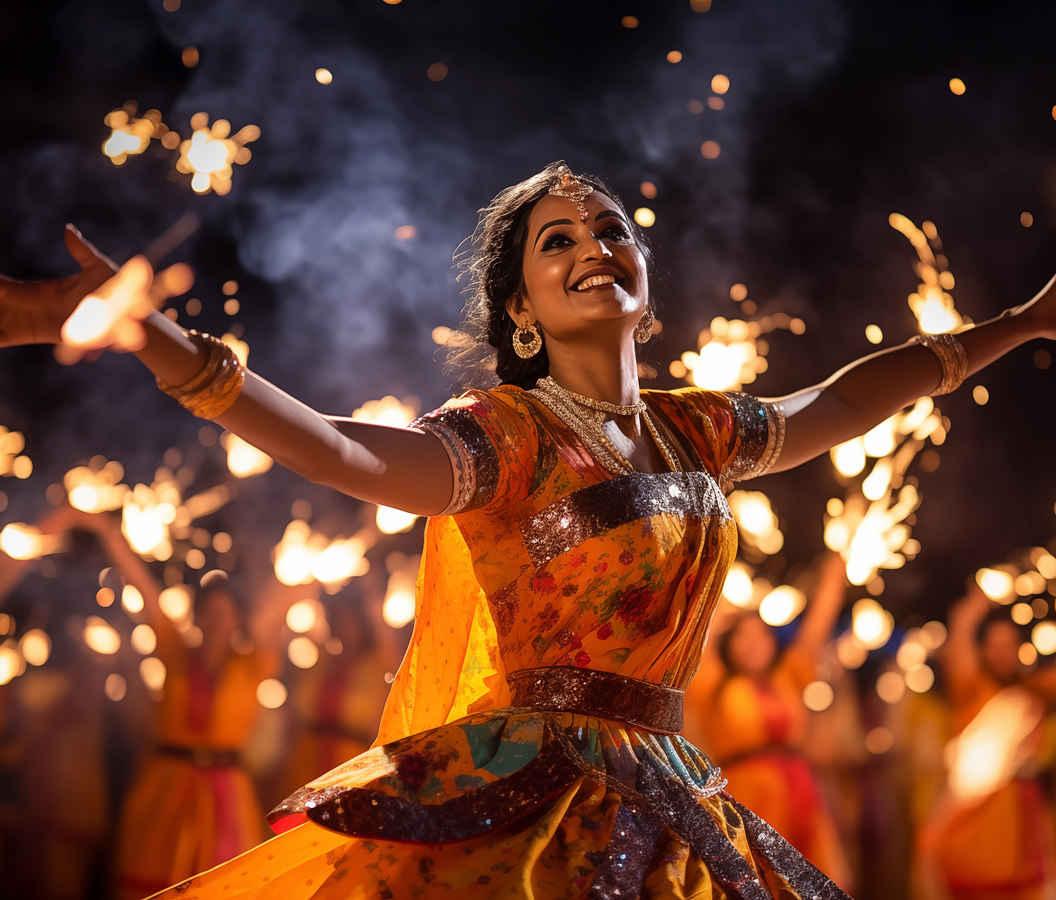
Indian cinema, Marathi theater, Hindustani music, and a remarkably diverse literary tradition have made Mumbai one of South Asia's most influential centers of artistic production. The city's cultural foundations draw upon the traditions of Maharashtra and the commercial communities that settled along the western coast, creating an environment shaped by Marathi, Gujarati, Hindi, Urdu, Konkani, and numerous other languages. Mumbai's theater history includes the development of Marathi drama and the influential Parsi theater companies of the nineteenth century, whose elaborate productions, musical performances, and popular storytelling helped establish conventions later adopted by Indian cinema. The first Indian feature film, Raja Harishchandra, was produced by Dadasaheb Phalke and premiered in Bombay in 1913, establishing a foundational milestone in the country's film industry. During the twentieth century, Bombay developed into the principal center of Hindi-language commercial filmmaking, attracting directors, actors, musicians, screenwriters, and technicians from across India. Filmmakers including Raj Kapoor, Guru Dutt, and Yash Chopra shaped successive generations of popular cinema through distinctive approaches to romance, social commentary, music, and visual storytelling. The city's recording studios and film production networks supported the development of influential playback singers, including Lata Mangeshkar, Mohammed Rafi, and Asha Bhosle, whose performances became central to Indian popular music. Contemporary Hindi cinema continues to operate through extensive production facilities, creative enterprises, and entertainment businesses concentrated across Mumbai's western suburbs. The city's literary heritage includes writers whose work examines migration, class, religious conflict, and the pressures of metropolitan life. Saadat Hasan Manto explored the complexities of Bombay's film industry and urban society before Partition, and Salman Rushdie placed the city at the center of Midnight's Children, his influential novel connecting personal history with India's independence and political transformation. Rohinton Mistry's fiction offers another powerful examination of Bombay's social divisions and the experiences of ordinary residents. Mumbai's visual arts institutions include the Chhatrapati Shivaji Maharaj Vastu Sangrahalaya, whose collections encompass Indian sculpture, decorative arts, archaeological objects, and historical painting. The Jehangir Art Gallery, established in 1952, occupies an important position within the city's modern artistic community, supporting exhibitions by established and emerging Indian artists. The National Centre for the Performing Arts contributes major facilities for classical music, dance, theater, and contemporary performance overlooking the southern waterfront. Religious celebrations animate Mumbai's neighborhoods throughout the year, particularly Ganesh Chaturthi, whose public festivities developed into a major civic tradition through the influence of Bal Gangadhar Tilak during the independence movement. Elaborately constructed pandals, devotional music, community gatherings, and processions culminate in the immersion of Ganesh idols in the Arabian Sea. Mumbai's culinary traditions reflect its coastal setting and extensive migration history, combining Maharashtrian, Gujarati, Parsi, Muslim, and South Indian influences. Vada pav, a spiced potato fritter served in a bread roll, has become an emblematic street food associated with the city's working population. Pav bhaji developed through Mumbai's commercial food culture, combining a richly seasoned vegetable preparation with buttered bread. Coastal cooking emphasizes seafood, coconut, kokum, and regional spice blends, particularly through Malvani and Konkani traditions. Parsi cuisine contributes dishes including dhansak and patrani machhi, preserving culinary practices shaped by the community's long history in western India. Irani cafés, established by migrants from Iran, introduced another enduring element of Mumbai's social landscape through tea, baked goods, and distinctive restaurant interiors. The city's artistic and culinary institutions ultimately reveal the scale of its influence: Mumbai has transformed the languages, performances, stories, and regional traditions of millions of residents into cultural forms recognized throughout India and across the world.
Five fascinations.
5. Mumbai was originally a group of islands.
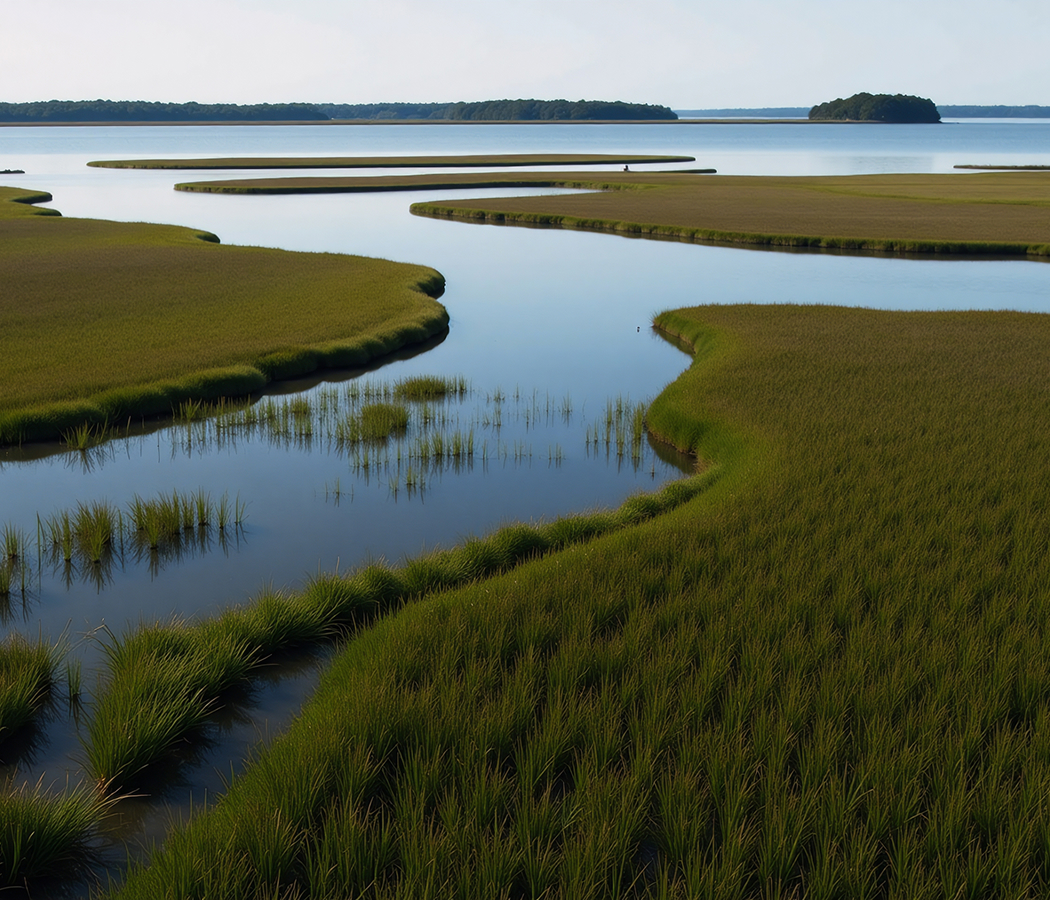
The landscape occupied by modern Mumbai once consisted of seven principal islands separated by tidal creeks, marshes, and shallow water. Centuries of reclamation progressively joined them, with major projects accelerating under British rule as engineers constructed causeways and filled low-lying areas. The Hornby Vellard project helped close tidal breaches between islands during the late eighteenth and early nineteenth centuries, opening additional land for development. Mumbai's immense urban peninsula did not simply expand across an existing coastline. Large portions of its contemporary geography were physically assembled from formerly separate islands through generations of hydraulic engineering and land reclamation.
4. Mumbai's railway history began with the first passenger train in India.
On April 16, 1853, India's first passenger railway service departed from Bori Bunder in Bombay and traveled 34 kilometers to Thane. The train carried hundreds of passengers behind three steam locomotives, inaugurating a transportation system that would profoundly reshape the subcontinent. Railways subsequently became fundamental to Mumbai's growth by connecting its port and commercial districts with expanding suburbs and distant regions. The city's contemporary suburban railway carries millions of passenger journeys on busy days, making the site of India's earliest passenger service the starting point for one of the defining transportation networks of modern urban India.
3. Mumbai contains a railway station designed like an expansive Victorian palace.
Chhatrapati Shivaji Maharaj Terminus opened in the late nineteenth century as the headquarters and principal station of the Great Indian Peninsula Railway. British architect Frederick William Stevens combined Victorian Gothic Revival architecture with forms and decorative traditions associated with India, producing an extraordinary composition of towers, pointed arches, stone carving, domes, and sculptural details. Originally known as Victoria Terminus, the building transformed railway infrastructure into an architectural declaration of Bombay's importance within the British Empire. It remains an intensely used transportation hub, placing everyday commuter movement inside one of India's most elaborate nineteenth-century buildings.
2. Marine Drive exists partly because Mumbai pushed its shoreline into the sea.
The sweeping boulevard curving around Back Bay occupies terrain profoundly altered by twentieth-century reclamation. Projects along Mumbai's western waterfront created new land and helped establish the shoreline followed by Marine Drive, which opened during the 1930s. An extraordinary concentration of Art Deco apartment buildings subsequently rose along the boulevard and neighboring streets, giving the district a modern architectural character distinct from the Victorian Gothic monuments farther north. Mumbai ultimately developed one of the world's most significant Art Deco ensembles along this manufactured edge, turning reclaimed coastal ground into one of the city's defining urban landscapes.
1. Mumbai built an entire film industry whose name fused Bombay with Hollywood.
The Hindi-language film industry centered in Mumbai developed into one of the world's most prolific centers of popular cinema during the twentieth century. The nickname “Bollywood” emerged by combining Bombay, the city's former English name, with Hollywood. Studios, producers, directors, actors, composers, playback singers, choreographers, and technicians built a distinctive filmmaking ecosystem whose movies reached audiences throughout India and across an enormous international diaspora. Mumbai became more than a production center: its streets, aspirations, music, fashion, and social transformations repeatedly entered the films themselves, allowing the city to shape popular culture across generations and continents.
Where your story begins.
Foresyte Travel reveals places that feel extraordinary long before you arrive.
Enjoy editorial crafted for luxury travelers.
Foresyte may earn a commission when you book.