Fun facts about Thailand.
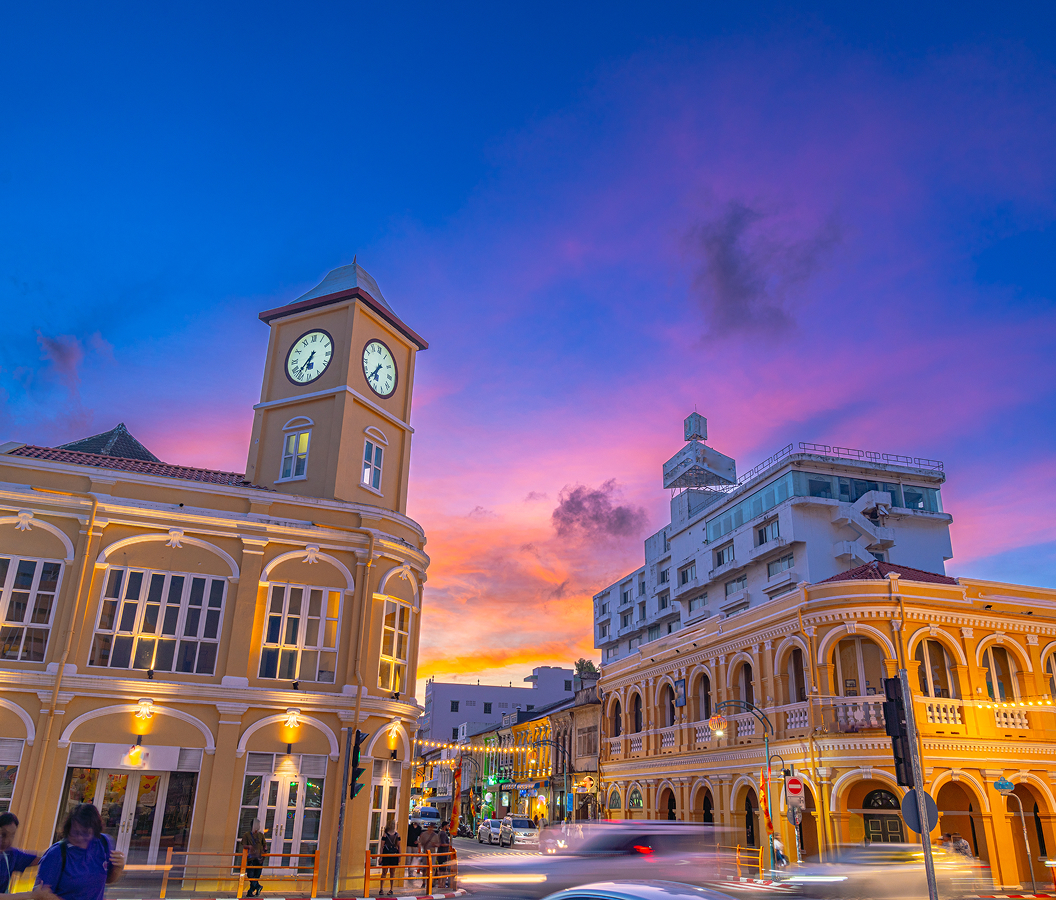
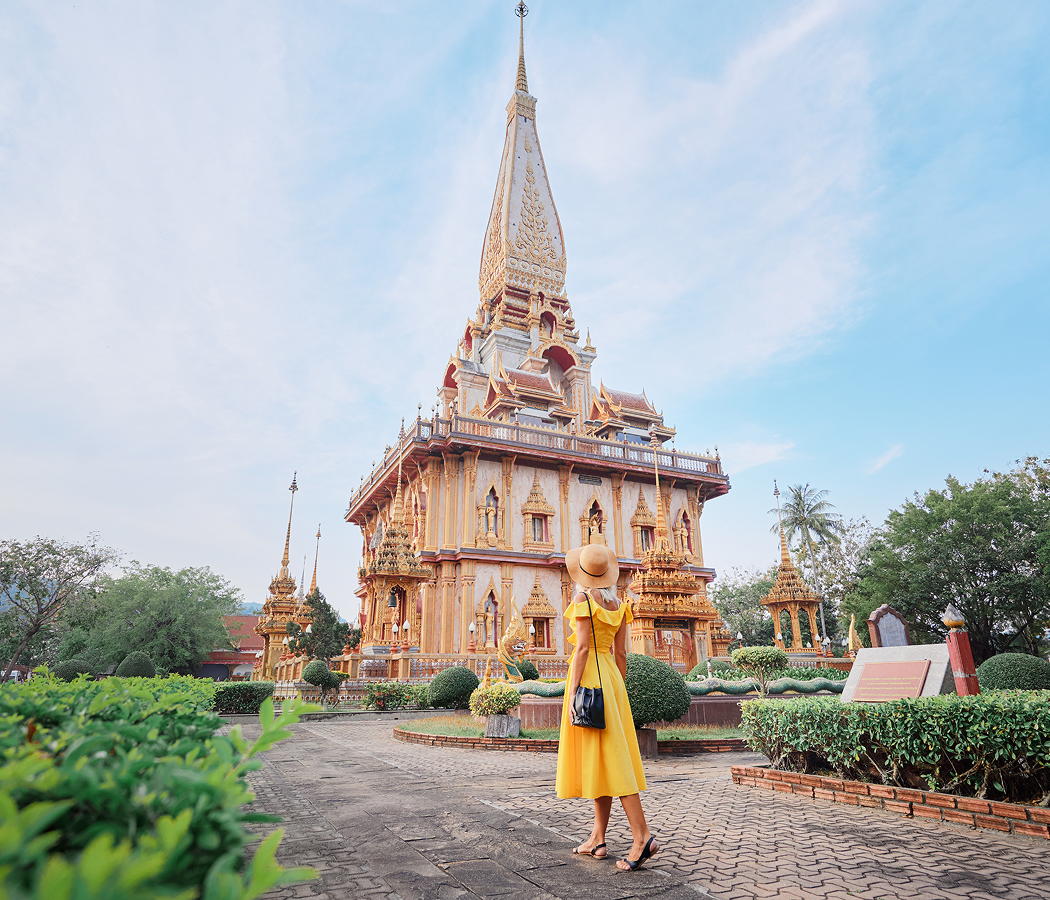
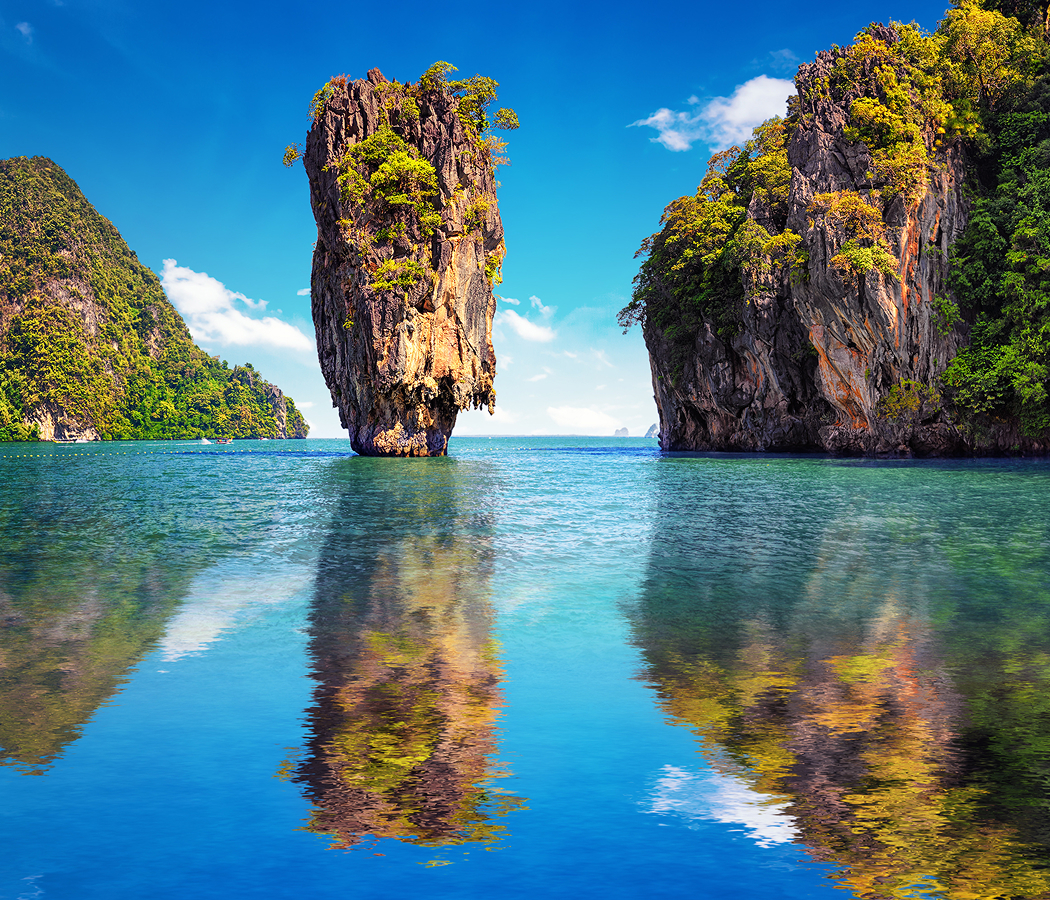
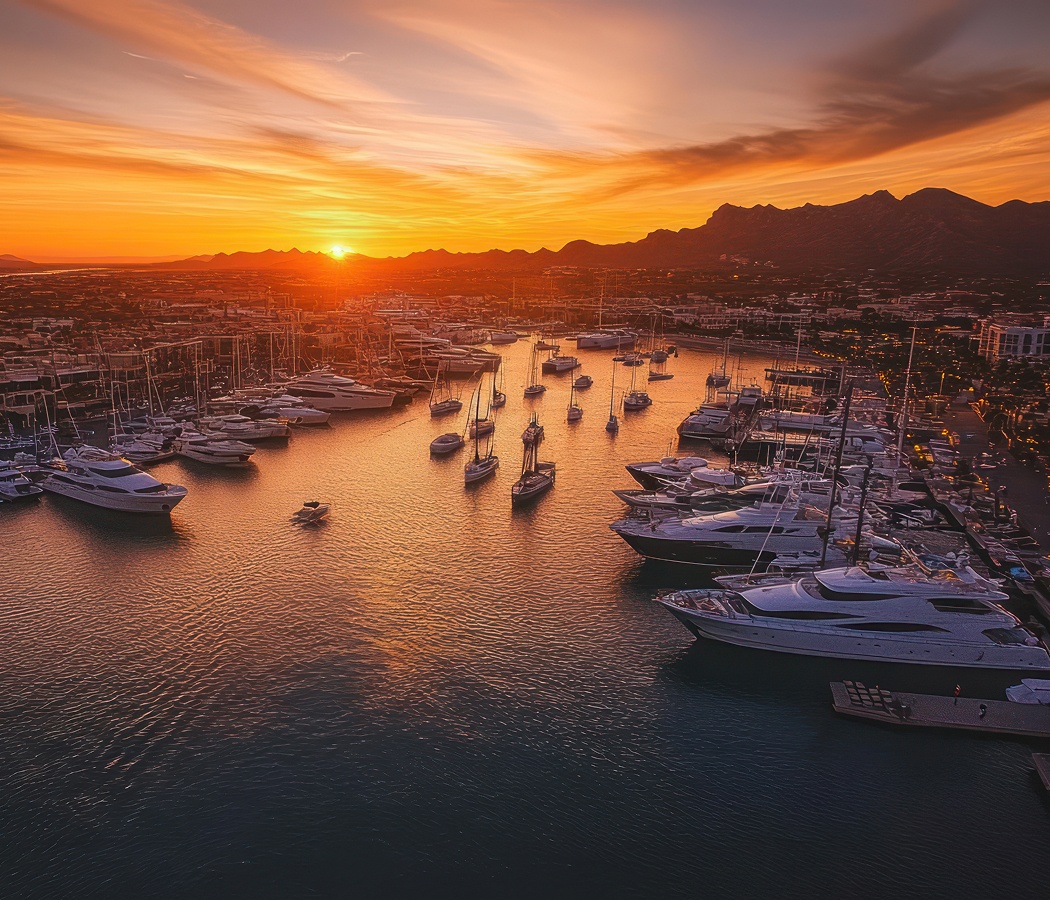
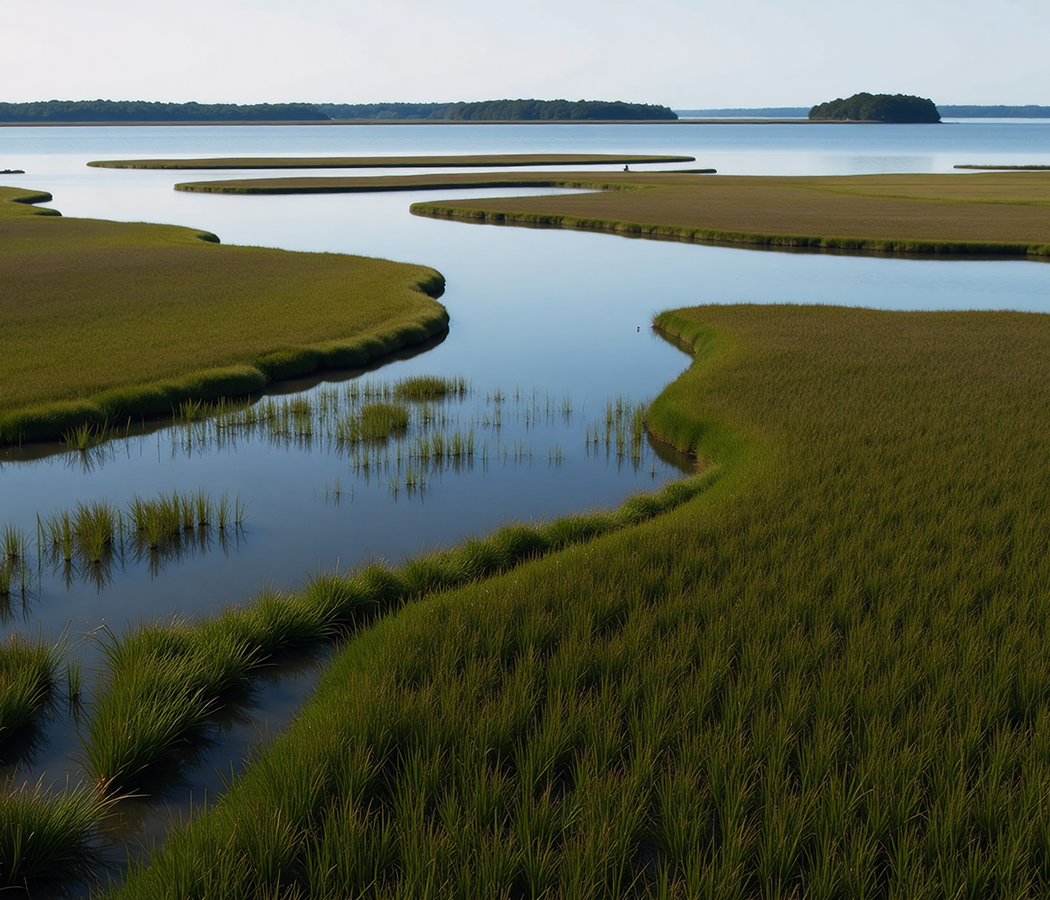
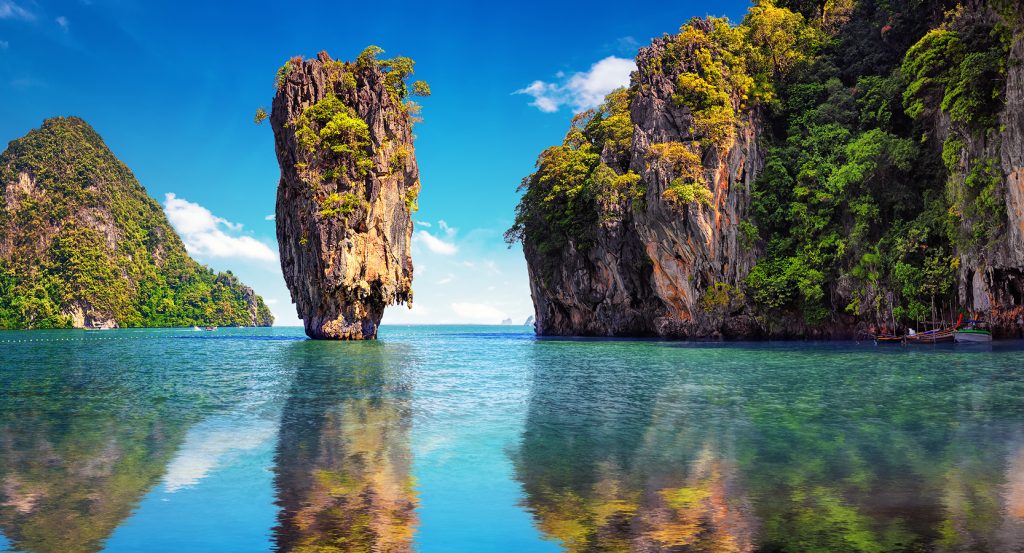
Phuket forms Thailand's largest island, separated from the mainland by the narrow Pak Phra Strait and connected to Phang Nga province by bridges at its northern end. The island extends forty-eight kilometers from north to south, with a mountainous interior descending toward coastal plains, mangrove estuaries, rocky headlands, and sandy bays. Its western shoreline faces the Andaman Sea, where a succession of beaches occupies sheltered coves between forested hills. Patong Beach curves around a broad bay backed by one of Phuket's most concentrated commercial districts, with hotels, restaurants, shopping centers, and entertainment streets extending inland from the waterfront. Southward, Karon Beach presents a long sweep of sand beneath wooded hills, followed by the smaller, more enclosed bay of Kata. Kata Noi occupies a neighboring cove framed by steep coastal slopes, and the peninsula beyond rises toward viewpoints overlooking the island's southern beaches. Promthep Cape marks Phuket's southwestern extremity, where rocky terrain and open sea views create one of its most recognizable coastal landscapes. Nearby, Nai Harn Beach lies within a protected bay backed by a freshwater lagoon and forested hillsides. Farther north, Kamala retains a broad beachfront setting beneath the slopes separating it from Patong and Surin. Bang Tao extends along an expansive sandy shoreline associated with the Laguna Phuket resort district, whose lagoons, landscaped grounds, and residential developments occupy former tin-mining land. The northern coast becomes progressively quieter around Nai Thon and Nai Yang, where Sirinat National Park protects coastal forest, beaches, and marine habitats near the airport. Across the island, the eastern shoreline faces the more sheltered waters of Phang Nga Bay, with mangroves, fishing settlements, marinas, and tidal channels replacing the exposed beaches of the west. Phuket Town stands inland from the southeastern coast, organized around historic commercial streets including Thalang Road, Dibuk Road, and Soi Romanee. Its old quarter contains rows of Sino-Portuguese shophouses distinguished by narrow frontages, covered walkways, decorative plasterwork, shuttered windows, and internal courtyards. The architectural style combines Chinese merchant-house planning with European colonial influences transmitted through regional trading centers such as Penang and Singapore. Former mansions, including the early twentieth-century Baan Chinpracha, preserve the scale and craftsmanship of Phuket's mining-era prosperity. West of town, the hills around Kathu contain remnants of the island's industrial landscape alongside contemporary residential districts and golf courses. Above Chalong Bay, the grand Big Buddha sits on Nakkerd Hill, overlooking southern Phuket and the surrounding coastline. Wat Chalong, the island's most prominent Buddhist temple complex, contains richly decorated halls and a towering chedi associated with revered local monks. Offshore, limestone islands rise from the emerald waters of Phang Nga Bay, and the Phi Phi Islands lie southeast across the Andaman Sea. Phuket's geography combines two markedly different coastal environments: the open beaches and surf-facing headlands of the west, and the protected channels, working harbors, and limestone seascapes of the east.
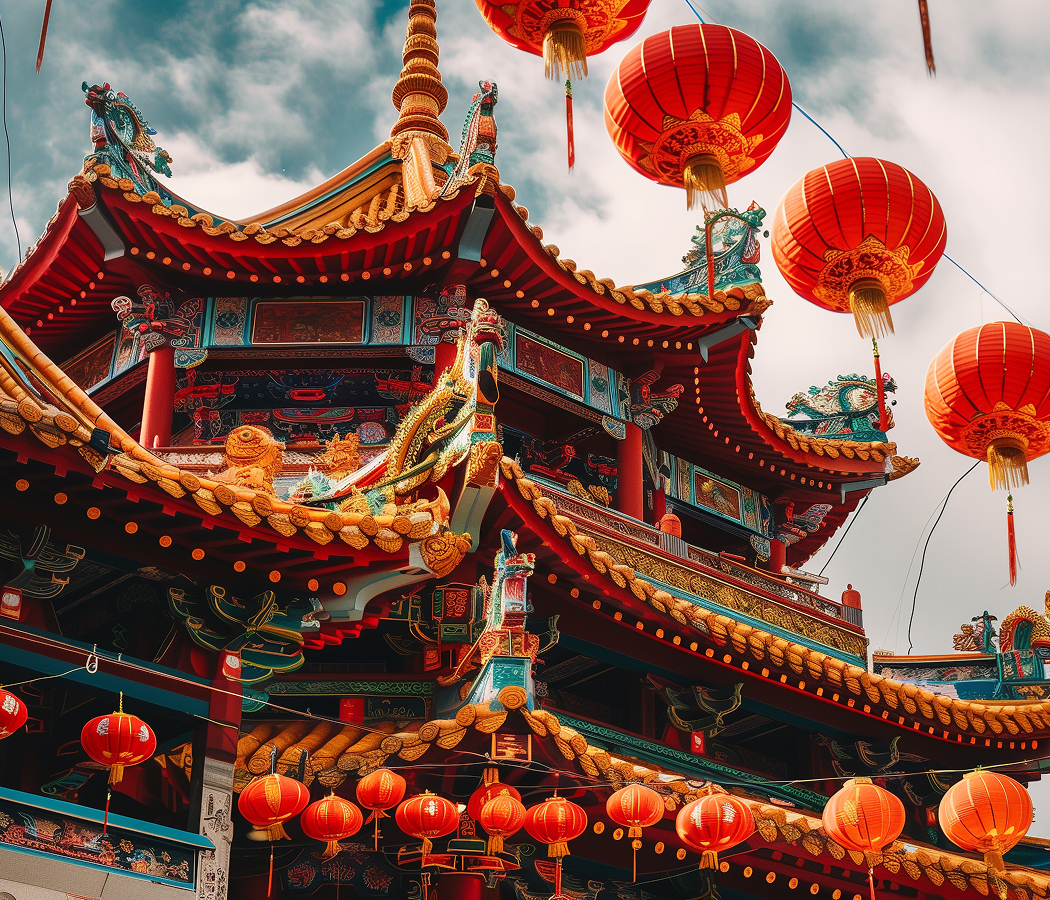
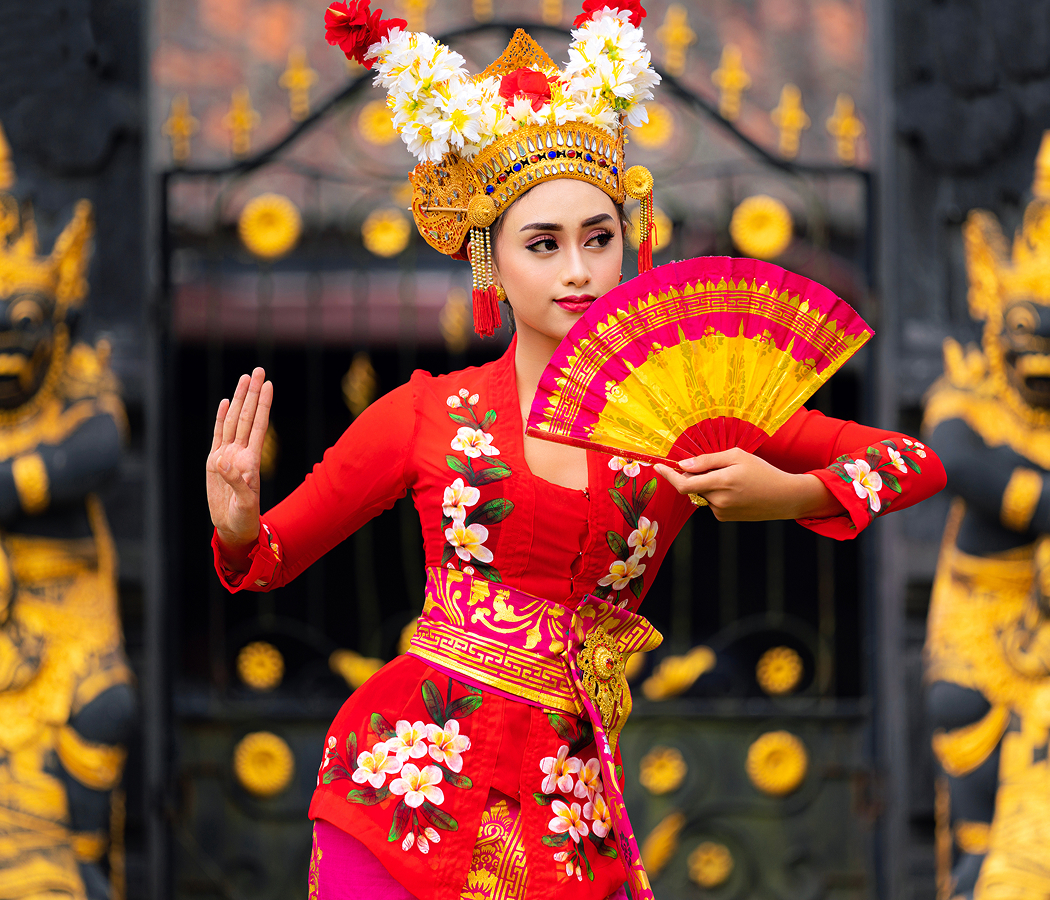
Southern Thai culture in Phuket carries the influence of Chinese migration more visibly than almost anywhere else in the country, particularly through its temples, festivals, domestic architecture, and cuisine. The island's Chinese-Thai communities maintain traditions associated with Hokkien ancestry, including ancestor veneration, shrine ceremonies, and elaborate observances honoring Taoist deities. The Phuket Vegetarian Festival, held during the ninth Chinese lunar month, transforms the old town through processions, ritual purification, vegetarian food offerings, and ceremonies centered on Chinese shrines. Its distinctive practices reflect the island's historical relationship with Chinese opera troupes, religious associations, and mining communities. Jui Tui Shrine and Bang Neow Shrine remain important centers of ceremonial activity, and the streets surrounding them become focal points for public celebrations. Phuket also maintains a substantial Peranakan heritage, shaped by marriages and cultural exchange between Chinese migrants and local communities across the Malay Peninsula. Traditional Baba and Yaya clothing, embroidered textiles, jewelry, and wedding customs preserve elements of this interconnected regional culture. The Phuket Thai Hua Museum occupies a former Chinese-language school, presenting the history of Chinese migration and its influence on the island's commercial and social institutions. The Peranakan Phuket Museum contributes further interpretation of family traditions, dress, and domestic life. Beyond the historic center, Buddhist monasteries and Muslim fishing communities reflect the religious diversity of southern Thailand, with mosques particularly prominent in several coastal settlements. Phuket's culinary repertoire brings together southern Thai spice traditions, Hokkien noodles, Malay influences, and ingredients drawn from the Andaman Sea. Mee Hokkien, thick yellow noodles stir-fried with seafood, pork, and vegetables, reflects the island's Chinese commercial heritage. Moo hong, pork belly slowly braised with garlic, pepper, and soy-based seasonings, is another characteristic Phuket preparation. Oh aew, a chilled dessert made with translucent jelly, syrup, and shaved ice, originated within the island's Hokkien food culture. Southern Thai curries feature assertive chilies, turmeric, shrimp paste, and aromatic herbs, producing dishes with a different flavor profile from those of Central Thailand. Fresh crab, prawns, squid, and locally caught fish contribute to the coastal cooking of markets and family restaurants. Phuket Town's Sunday Walking Street Market on Thalang Road brings food vendors, artisans, and performers into the historic shophouse district, connecting contemporary commerce with the old quarter's pedestrian scale. The island's creative community also draws upon its maritime environment through contemporary galleries, design businesses, and festivals. Marine recreation forms another substantial part of local life, with sailing, diving, and boating centered on the Andaman coast. The annual Phuket King's Cup Regatta, established in 1987, has become a prominent international sailing competition, drawing crews to the waters surrounding the island. Phuket's most distinctive cultural experiences remain concentrated where its trading history is still tangible: in the shrines, family kitchens, merchant houses, and ceremonial streets of the old town, whose inheritance gives the island a character extending far beyond its celebrated beaches.
Five fascinations.
5. Phuket's famous beaches exist partly because the island's western coast faces the open Andaman Sea.
Phuket sits off Thailand's southwestern coast, where its western shoreline meets the Andaman Sea and a sequence of bays interrupts the island's mountainous terrain. Beaches including Patong, Kata, Karon, and Nai Harn developed where sand accumulated between rocky headlands, producing the curved coastal landscapes now associated with the island. Seasonal monsoon systems dramatically alter these waters, bringing calmer conditions during the dry season and stronger waves during the southwest monsoon. Phuket's international resort character emerged from a specific geological and climatic setting where mountains descend toward a succession of naturally sheltered bays.
4. Phuket became wealthy from tin long before tourism transformed the island.
Tin mining shaped Phuket's economy for centuries as deposits attracted merchants, laborers, and entrepreneurs from across Asia and beyond. Demand accelerated during the nineteenth century, bringing substantial Chinese migration and creating fortunes that reshaped settlements across the island. Mining pits, dredging operations, trading networks, and commercial businesses developed around the industry before tourism became Phuket's dominant international identity. The resulting cultural exchange profoundly influenced local food, religion, architecture, and family life. Phuket's modern prosperity represents the latest chapter in a much older history of global commerce centered first on mineral wealth.
3. Phuket Old Town's colorful architecture grew from the island's mining-era multicultural society.
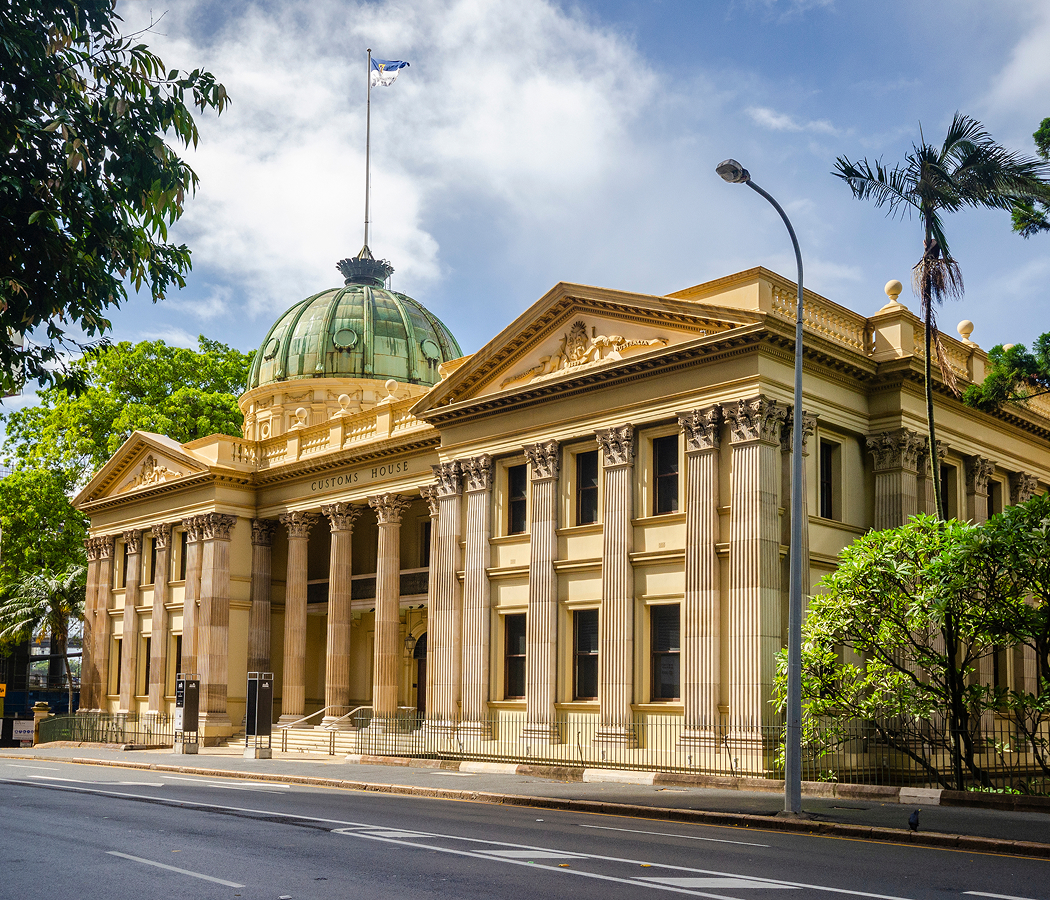
Tin wealth transformed Phuket Town during the nineteenth and early twentieth centuries as Chinese and Peranakan merchant families established businesses and residences around its commercial streets. Rows of narrow shophouses developed with covered walkways, internal courtyards, decorative façades, shutters, tiles, and architectural elements drawing from Chinese and European traditions. Wealthier families built elaborate mansions that expressed the same cultural fusion on a larger scale. Streets including Thalang and Dibuk preserve much of this urban fabric today. Phuket possesses an architectural character far removed from its resort coastline, revealing the mercantile society that flourished during the island's tin-mining era.
2. Phuket is an island connected to mainland Thailand by bridges.
Although development makes Phuket feel closely integrated with southern Thailand, a narrow marine channel separates the island from Phang Nga Province. The Sarasin Bridge established the first permanent road connection across this gap in 1967, fundamentally changing access to Phuket by allowing vehicles to reach the island directly from the mainland. Additional bridges later expanded capacity as population and tourism grew. The crossings became critical infrastructure connecting Phuket with Thailand's highway network while the island's international airport linked it directly with cities across Asia and beyond. One of Southeast Asia's most heavily visited resort destinations remains geographically an island despite its seamless modern land connection.
1. The 2004 Indian Ocean tsunami permanently changed Phuket's relationship with coastal disaster preparedness.
On December 26, 2004, the enormous undersea earthquake off Sumatra generated a tsunami that struck coastlines throughout the Indian Ocean. Waves reached Phuket's western shore, devastating communities and tourism districts including Patong, Kamala, Karon, and Kata and killing residents and visitors. Reconstruction restored the island's major resort areas, but the catastrophe also transformed regional preparedness. Evacuation routes, warning signs, emergency procedures, public education, and an Indian Ocean tsunami warning system became part of the post-disaster landscape. Phuket carries a profound modern history in which one of the world's most celebrated coastlines also became a catalyst for stronger tsunami monitoring and preparedness across the region.
Where your story begins.
Foresyte Travel reveals places that feel extraordinary long before you arrive.
Enjoy editorial crafted for luxury travelers.
Foresyte may earn a commission when you book.