Fun facts about Mexico.
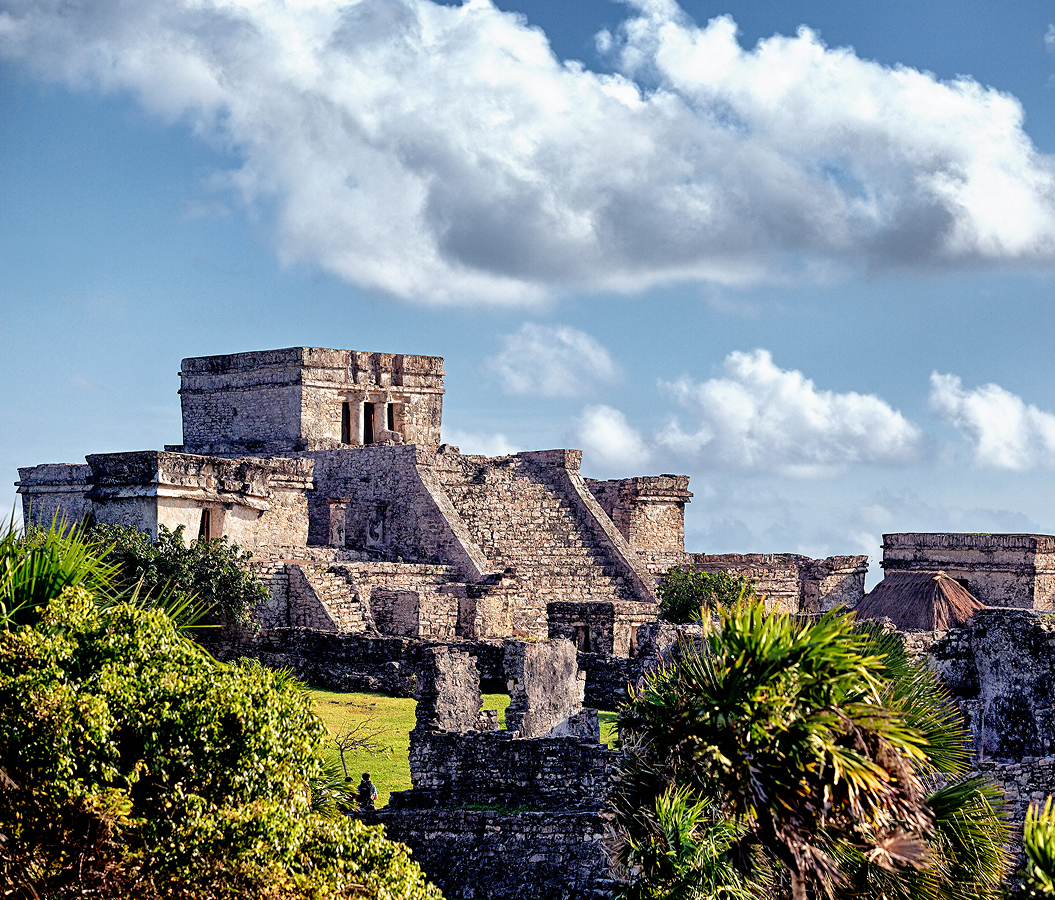
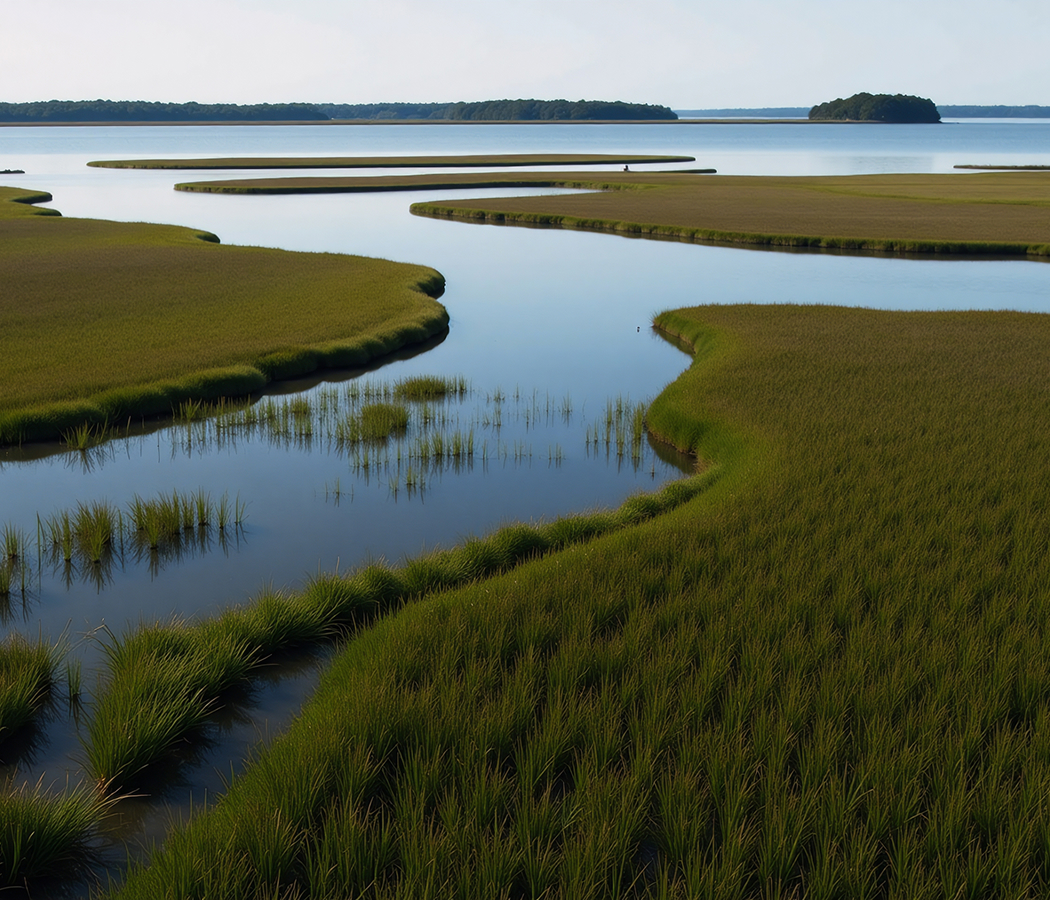
Tulum extends along the eastern edge of the Yucatán Peninsula, where pale limestone terrain meets the turquoise waters of the Caribbean Sea through a coastline of white-sand beaches, rocky headlands, coastal wetlands, and tropical forest. The region forms part of a vast karst landscape shaped by porous limestone, underground rivers, and natural sinkholes known as cenotes. Surface rivers are scarce, and freshwater moves through extensive subterranean systems that connect inland caverns with coastal lagoons and the sea. This unusual geology creates one of Tulum's defining natural features: a concentration of freshwater swimming sites, flooded caves, and underground passages set among dense vegetation. The archaeological zone occupies a limestone promontory north of the principal beachfront districts, where surviving Maya structures stand above a dramatic stretch of Caribbean coastline. El Castillo rises near the edge of the bluff, its stepped stone form framed by the sea and the open horizon. The surrounding temples, platforms, and defensive walls create a compact ceremonial landscape distinguished by its immediate relationship with the water. South of the archaeological site, the coastal road follows a narrow corridor between the Caribbean and a succession of low-lying wetlands, connecting beachfront hotels, restaurants, and small commercial developments. The beach zone is characterized by palapa roofs, timber structures, open-air terraces, and buildings integrated into stands of palms and coastal vegetation. Playa Paraíso and neighboring beaches offer broad stretches of pale sand beneath the coastal cliffs, with shallow turquoise water extending toward the offshore reef system. Farther south, the coastline approaches the Sian Ka'an Biosphere Reserve, a protected landscape encompassing tropical forests, mangroves, freshwater wetlands, coastal lagoons, and marine habitats. Established in 1986 and designated a UNESCO World Heritage Site in 1987, the reserve protects a substantial portion of the eastern Yucatán's ecological diversity. Its lagoons and waterways provide habitat for manatees, crocodiles, sea turtles, and numerous bird species, and its coastal waters form part of the wider Mesoamerican Barrier Reef System. Inland from the beaches, Tulum's town center occupies a comparatively regular street grid organized around Avenida Tulum, where local markets, restaurants, shops, and residential neighborhoods reflect the community's rapid expansion. The town's built environment combines modest masonry buildings, contemporary apartment developments, small hotels, and commercial structures serving both residents and visitors. La Veleta and Aldea Zamá have experienced substantial residential and hospitality development, with contemporary architecture frequently incorporating exposed concrete, local stone, timber, and tropical landscaping. The surrounding forest contains numerous cenotes, each shaped by distinctive geological conditions. Gran Cenote features clear freshwater pools, limestone chambers, and submerged passages beneath a canopy of tropical vegetation. Cenote Calavera is known for its circular openings and deep water, creating a striking contrast between the forest floor and the cavern beneath. The Dos Ojos cave system, north of Tulum, contains extensive flooded passages visited by divers and snorkelers. Farther inland, the Cobá archaeological site occupies a forested setting around ancient lakes, preserving the remains of a major Maya settlement connected by elevated stone causeways. Tulum's physical setting is defined by the convergence of ancient coastal architecture, Caribbean beaches, underground freshwater systems, and a vast tropical landscape whose ecological complexity extends far beyond the developed shoreline.
Maya heritage gives Tulum a cultural foundation extending far beyond its celebrated archaeological ruins, connecting the contemporary community with the language, agricultural knowledge, ceremonial traditions, and foodways of the eastern Yucatán Peninsula. Yucatec Maya remains a living language throughout the region, and Indigenous communities continue to preserve traditions associated with maize cultivation, forest resources, textile production, and religious observance. Maya cosmology historically connected sacred landscapes with water, caves, celestial cycles, and agricultural renewal, giving the peninsula's cenotes a significance that extended beyond their practical importance as freshwater sources. The region's archaeological heritage reflects sophisticated knowledge of astronomy, architecture, mathematics, and maritime navigation, with Tulum's surviving temples preserving elements of the religious world that shaped the ancient coastal settlement. Nearby Cobá contributes another important dimension to this history through its expansive architecture and extensive network of sacbeob, the raised stone roads that connected ceremonial precincts and surrounding communities. Contemporary cultural experiences also reflect the influence of the broader Riviera Maya, where artisans, musicians, chefs, and designers have contributed to a rapidly evolving creative economy. Tulum's visual aesthetic has become associated with natural materials, sculptural furniture, woven textiles, handcrafted ceramics, and architecture emphasizing open-air living within tropical surroundings. This design culture draws upon regional building traditions, including the use of palm thatch, timber, and limestone, alongside contemporary interpretations developed for boutique hotels, restaurants, and private residences. Art galleries, independent shops, and creative studios present work by Mexican and international artists, frequently incorporating organic forms and locally inspired materials. The town's musical environment encompasses electronic music, Latin American popular styles, and live performances, with beachfront venues and seasonal events attracting an international audience. Tulum's culinary traditions are rooted in the cooking of the Yucatán Peninsula, where maize, achiote, sour orange, habanero chiles, pumpkin seeds, and slow-roasted meats produce distinctive regional flavors. Cochinita pibil, pork marinated with achiote and citrus before being cooked slowly, remains one of the peninsula's best-known dishes. Traditional preparation uses an underground oven, or pib, whose name survives in the dish. Sopa de lima combines a fragrant broth with shredded poultry, crisp tortilla strips, and the sharp citrus flavor of regional lime. Panuchos and salbutes feature fried corn tortillas topped with combinations of beans, poultry, vegetables, and pickled onions. Poc chuc, grilled pork marinated in sour orange, reflects another established Yucatecan preparation. Fresh fish, shrimp, octopus, and other seafood contribute to coastal menus, frequently accompanied by tropical fruits, chiles, and citrus. Tulum's contemporary restaurants have expanded these traditions through inventive Mexican cooking, wood-fired techniques, and menus centered on regional produce. Beachfront dining emphasizes open-air settings beneath palms and thatched roofs, and the town's inland restaurants offer a wider range of traditional Yucatecan dishes, casual taquerías, and international cuisines. The surrounding region also sustains craft traditions involving hammocks, embroidered textiles, carved wood, and woven fibers, connecting everyday objects with generations of local expertise. Seasonal religious celebrations, community festivals, and regional markets preserve the social traditions of the Yucatán alongside the international cultural activity associated with tourism. Tulum's most compelling cultural experiences remain closely connected to the peninsula itself: a meal prepared with achiote and sour orange, a Maya archaeological site surrounded by forest, and the remarkable presence of freshwater caverns beneath the limestone ground.
Five fascinations.
5. Tulum was among the few major Maya cities built directly beside the Caribbean Sea.
Tulum occupies limestone cliffs overlooking the Caribbean, giving the ancient settlement an extraordinary position above maritime routes running along the eastern Yucatán Peninsula. The city flourished particularly during the Late Postclassic period, centuries after many famous Maya centers farther inland had declined. Defensive walls enclosed the settlement on three landward sides, while cliffs and the sea protected its eastern edge. Buildings including El Castillo rose prominently above the shoreline and served religious, ceremonial, and navigational functions. Tulum combined fortified urbanism with maritime geography, creating one of the most distinctive surviving cityscapes of the ancient Maya world.
4. Tulum's ancient Maya name was Zamá, meaning “dawn.”
The archaeological city is widely associated with the Maya name Zamá, commonly translated as “dawn” or “city of dawn,” an appropriate description for a settlement facing east across the Caribbean. The modern name Tulum refers to the wall or enclosure surrounding the ancient city and became associated with the site after its original occupation. Sunrise remains fundamental to its physical experience because the principal ruins stand above an unobstructed eastern horizon. The two names capture different dimensions of the same place: Zamá evokes its relationship with the rising sun and Caribbean, while Tulum emphasizes the fortifications that distinguished the settlement from many other Maya communities.
3. Tulum formed part of a sophisticated Maya maritime trading network.
The Caribbean was a transportation corridor long before modern tourism transformed the Riviera Maya. Maya merchants moved goods along the coast in large canoes, connecting communities across the Yucatán Peninsula and farther into Mesoamerica. Tulum's position above the shoreline gave it access to this commercial system, through which commodities such as cotton, cacao, salt, honey, obsidian, and other valuable materials circulated between regions. Its protected settlement and commanding coastal position had economic significance alongside their ceremonial functions. The turquoise water beneath Tulum's ruins was not an isolated frontier of the Maya world; it formed part of an active maritime network linking distant communities through trade.
2. The landscape around Tulum conceals an immense flooded world beneath the jungle.
The Yucatán Peninsula consists largely of porous limestone, allowing rainwater to dissolve the rock and create extensive underground caves, passages, and sinkholes known as cenotes. Around Tulum, interconnected flooded cave systems extend for extraordinary distances beneath the forest. Sac Actun and neighboring systems have revealed submerged passages, geological formations, archaeological material, and evidence connected with human and animal life stretching deep into prehistory. Cenotes also carried profound practical and spiritual importance for Maya communities as freshwater sources and sacred places. Tulum's flat tropical landscape hides a second geography underground: a labyrinthine freshwater environment shaped over immense spans of geological time.
1. Tulum sits beside one of the largest coral reef systems on Earth.
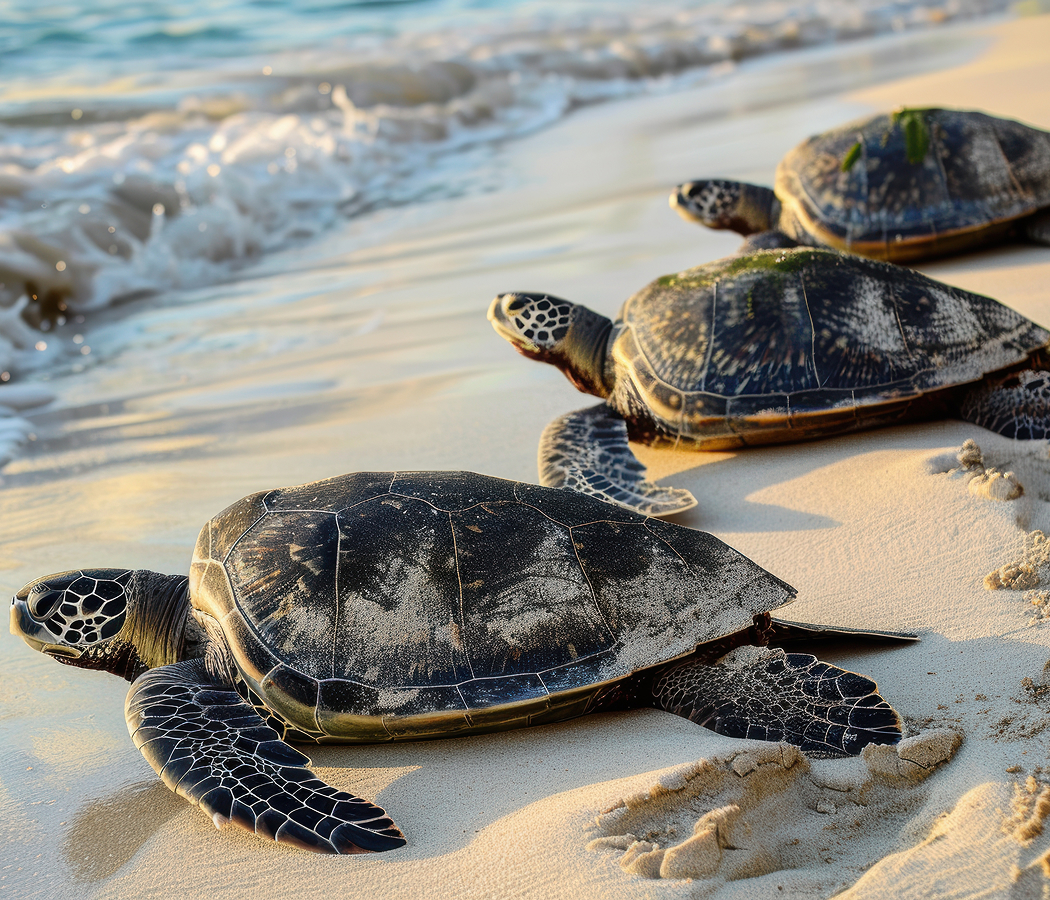
Just offshore lies the Mesoamerican Reef, an immense coral ecosystem extending along the Caribbean coasts of Mexico, Belize, Guatemala, and Honduras. Reefs, seagrass beds, mangroves, beaches, and coastal wetlands interact as parts of a connected marine environment supporting sea turtles, rays, reef fish, corals, and numerous other species. This offshore structure also influences the physical coastline by absorbing wave energy before it reaches shore. Tulum's celebrated combination of pale sand and turquoise Caribbean water belongs to a much larger ecological system extending hundreds of miles beyond the destination itself. The ancient Maya city occupies the edge of both a major archaeological landscape and an extraordinary living marine corridor.
Where your story begins.
Foresyte Travel reveals places that feel extraordinary long before you arrive.
Enjoy editorial crafted for luxury travelers.
Foresyte may earn a commission when you book.