Fun facts about Portland, Oregon.
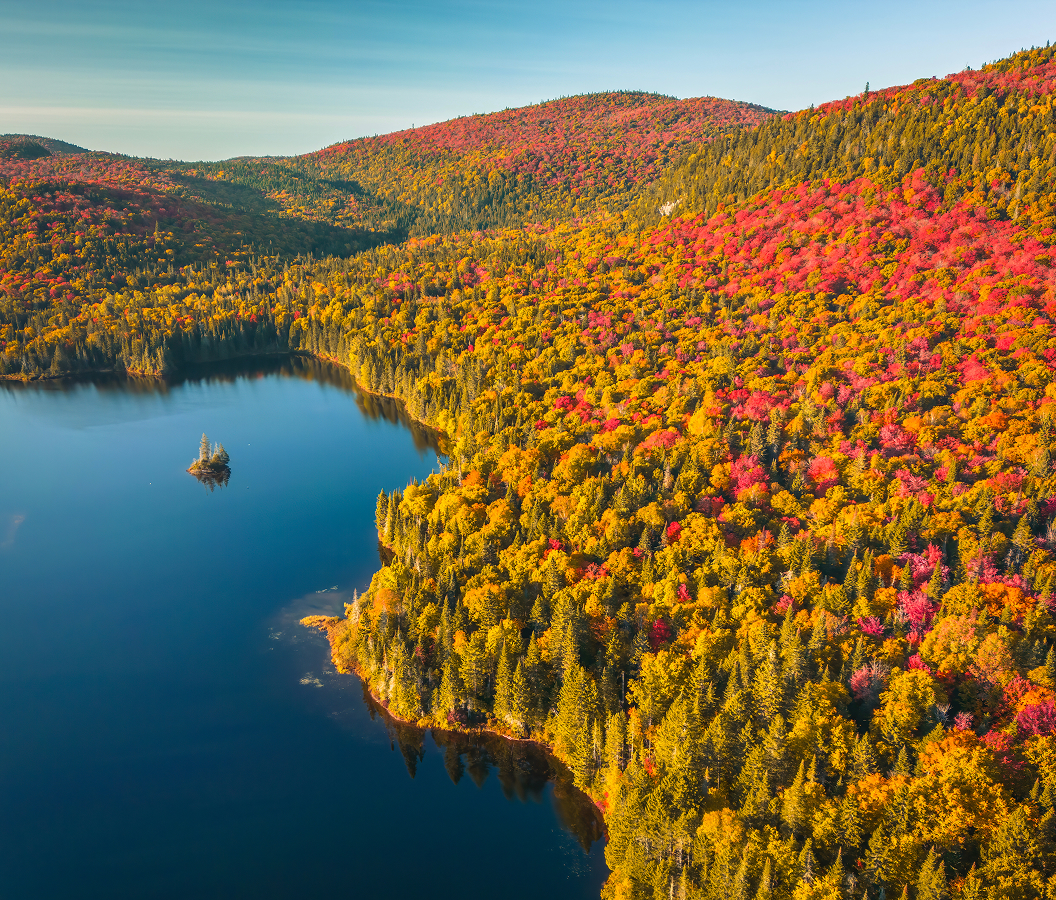
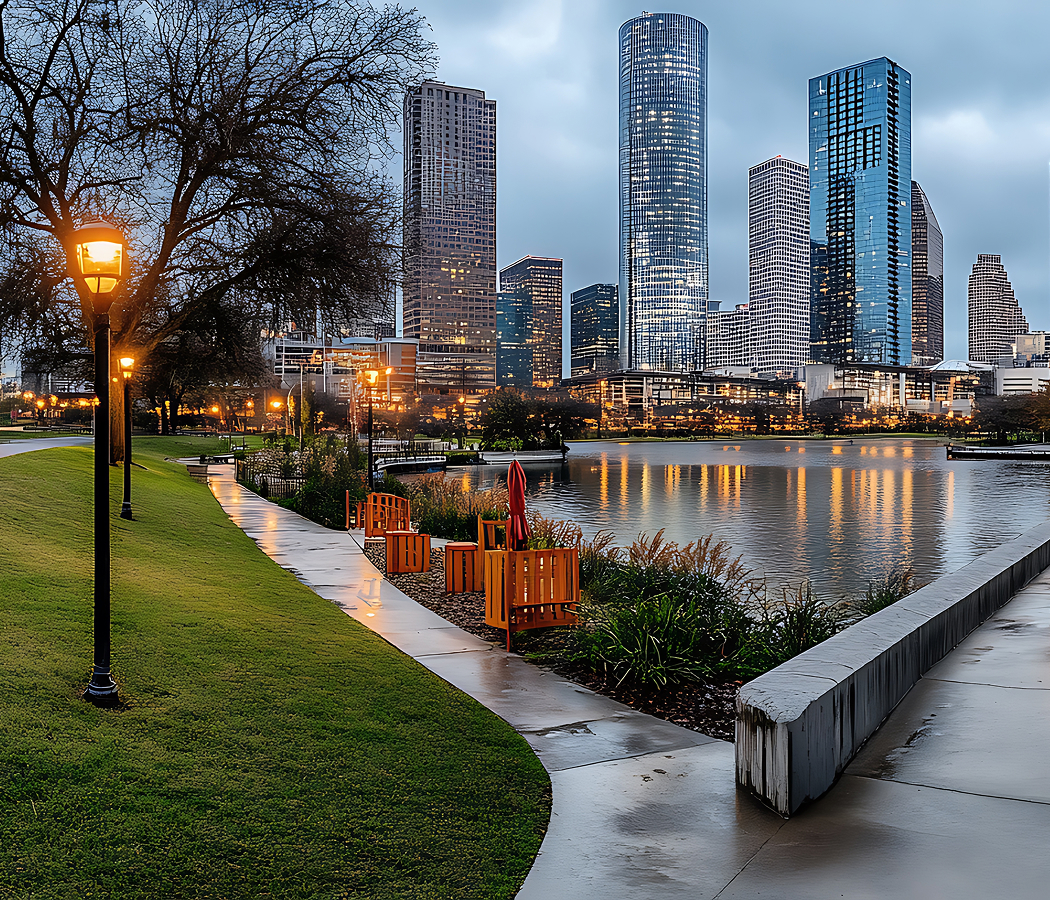
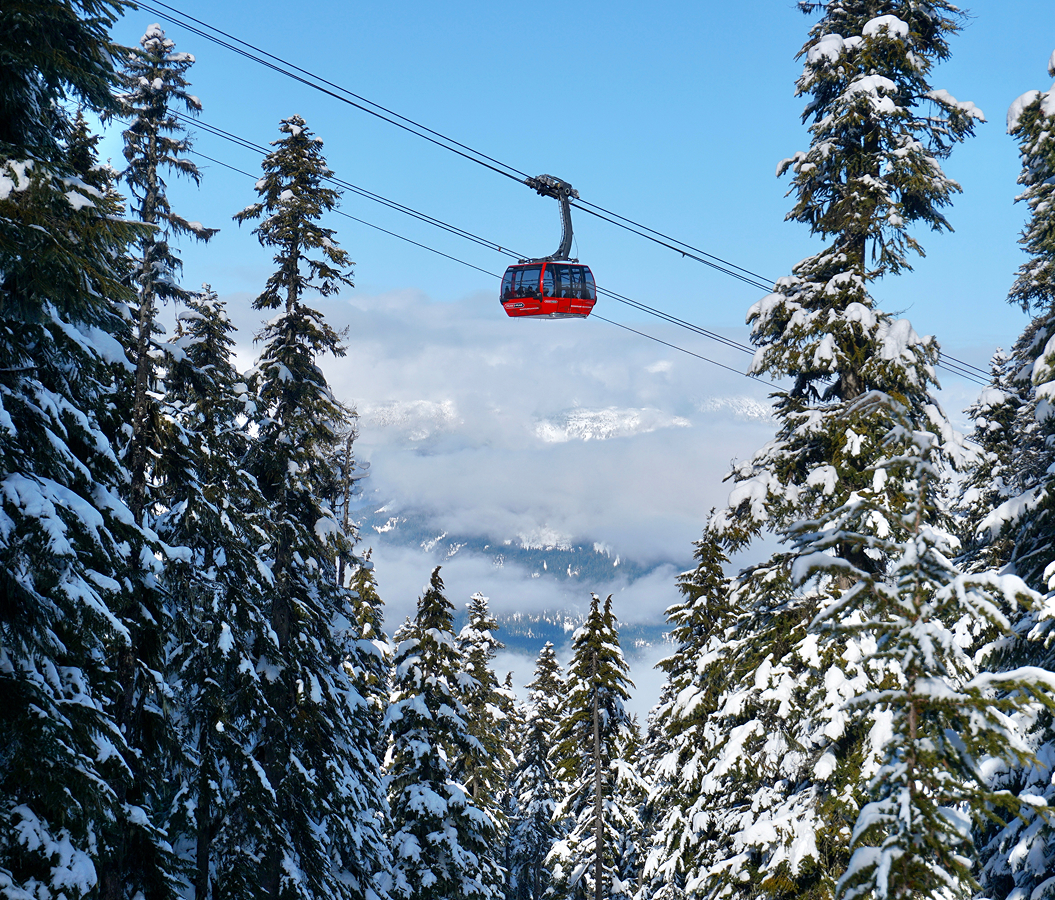
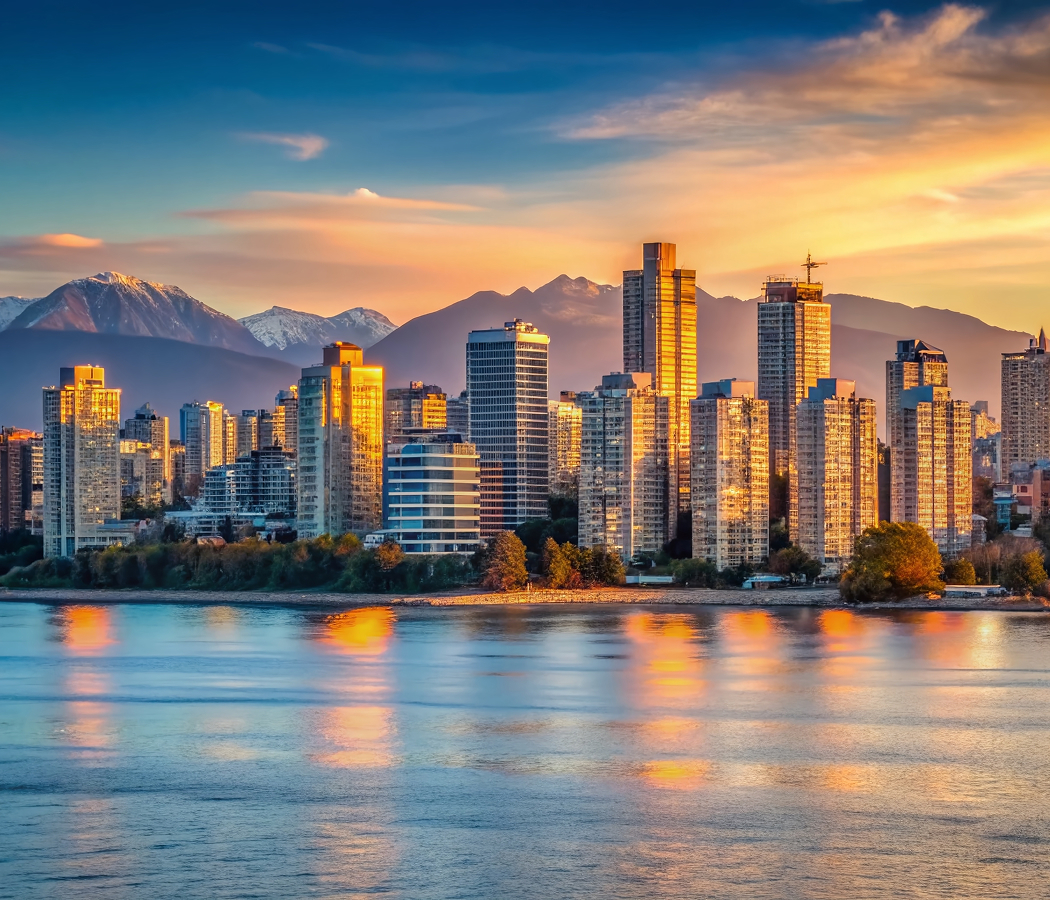
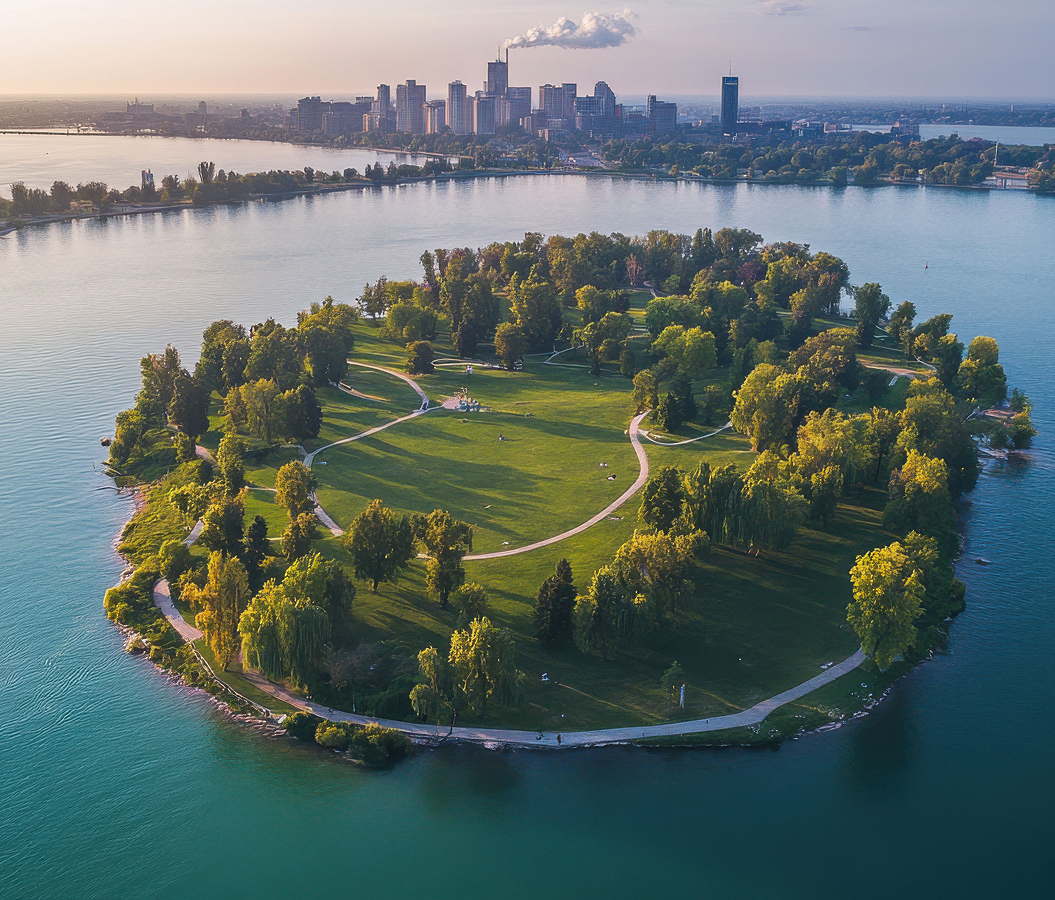
Portland extends across both banks of the Willamette River near its confluence with the Columbia, occupying a landscape of wooded hills, volcanic formations, river terraces, and broad lowland neighborhoods beneath the Cascade Range. The city lies seventy miles east of the Pacific Ocean, with Mount Hood rising prominently on the eastern horizon during clear weather. The Willamette divides the historic western commercial center from extensive eastern residential districts, connected by a succession of bridges that have become defining elements of Portland's urban landscape. Downtown occupies relatively level ground on the river's western bank, where compact blocks, historic commercial buildings, office towers, and public squares create a walkable central district. Pioneer Courthouse Square forms the city's principal civic gathering place, surrounded by shops, transit connections, and major downtown streets. The nearby Pioneer Courthouse, completed in 1875, preserves an expansive example of nineteenth-century federal architecture. West of downtown, the terrain rises toward the West Hills, where residential streets and forested slopes provide expansive views across the city. Washington Park occupies a substantial section of this elevated landscape, containing the International Rose Test Garden, Portland Japanese Garden, and extensive recreational grounds. The rose garden presents thousands of plants within terraced beds overlooking downtown and Mount Hood, reflecting Portland's longstanding association with rose cultivation. The Japanese Garden occupies a wooded hillside nearby, combining traditional landscape design, water features, stone paths, and carefully composed garden spaces. Forest Park extends northward through more than 5,000 acres of wooded terrain, forming one of the country's largest urban forest reserves. Its extensive trail network passes through deep ravines, mature conifer forests, and fern-covered slopes immediately west of the metropolitan core. Northwest Portland contains historic residential streets and the Pearl District, where former warehouses and industrial buildings have been transformed into galleries, restaurants, shops, and contemporary apartments. The district's brick façades, converted loading structures, and landscaped public spaces preserve elements of its industrial past. Nearby, the Northwest District follows streets such as Northwest 23rd Avenue, lined with Victorian houses, boutiques, cafés, and neighborhood businesses. South of downtown, the South Waterfront district occupies redeveloped industrial land along the Willamette, with residential towers, medical facilities, and landscaped riverfront paths. The Portland Aerial Tram connects this waterfront with Oregon Health & Science University's hilltop campus, providing a striking transportation link above the steep terrain. Across the river, the Central Eastside Industrial District combines historic manufacturing buildings, creative businesses, breweries, and contemporary commercial development. Farther east, neighborhoods including Buckman, Sunnyside, and Richmond contain extensive residential streets, neighborhood parks, and commercial corridors centered on Southeast Hawthorne and Division streets. These districts are distinguished by early twentieth-century Craftsman houses, Victorian residences, small apartment buildings, and independent storefronts. Northeast Portland contains the Alberta Arts District, whose galleries, murals, restaurants, and performance spaces occupy a historically significant commercial corridor. Mississippi Avenue forms another prominent neighborhood center, with restored buildings accommodating music venues, shops, and restaurants. North Portland extends toward the Columbia River through residential neighborhoods, industrial facilities, and expansive waterfront landscapes. Cathedral Park occupies the banks of the Willamette beneath the St. Johns Bridge, whose Gothic-inspired towers and long suspension span create one of the city's most dramatic architectural compositions. The bridge connects the northern neighborhoods with the wooded hills across the river, framing views toward the surrounding industrial waterfront. Portland's extensive bicycle routes, light-rail system, streetcars, and pedestrian infrastructure reflect decades of transportation planning. Its physical character is best known for the relationship between working rivers, densely planted neighborhoods, historic bridges, and forested hills that bring the Pacific Northwest landscape directly into the city.
Pacific Northwest creativity has a particularly independent character in Portland, where literary institutions, experimental music, craft production, and an influential food culture developed alongside the city's neighborhood-centered social traditions. Portland's literary reputation is closely associated with Powell's City of Books, an extensive independent bookstore occupying an entire downtown block and serving as a major gathering place for readers, authors, and publishers. The city's literary heritage includes writers such as Ursula K. Le Guin, whose speculative fiction explored power, language, society, and human relationships through works including The Left Hand of Darkness and A Wizard of Earthsea. Beverly Cleary drew upon her Portland childhood in creating the neighborhood settings of her celebrated children's books, particularly those featuring Ramona Quimby and Henry Huggins. The Oregon Historical Society preserves substantial collections related to the state's Indigenous communities, settlement history, political development, and cultural institutions. The Portland Art Museum, founded in 1892, contains important collections of Native American art, Asian art, European painting, and modern and contemporary works. The Oregon Museum of Science and Industry occupies a major riverfront complex dedicated to science, technology, and interactive education. Portland's performing arts community includes the Oregon Symphony, Portland Opera, and numerous independent theater and dance companies. The Arlene Schnitzer Concert Hall, distinguished by its illuminated historic marquee and elaborate interior, serves as a principal venue for orchestral performances and major touring productions. The city's music scene has supported influential independent rock, folk, punk, and experimental artists, with performers including Elliott Smith, The Decemberists, and Sleater-Kinney contributing to its international reputation. Small clubs and neighborhood venues continue to provide an important setting for emerging musicians. Portland's craft economy encompasses independent design studios, ceramics, textiles, woodworking, and specialty manufacturing, supported by a longstanding culture of local entrepreneurship. Its culinary prominence grew through the close relationship between Oregon's agricultural abundance and chefs interested in seasonal ingredients, regional producers, and inventive cooking. The Willamette Valley supplies berries, hazelnuts, vegetables, mushrooms, and wines, particularly Pinot Noir, while the Pacific coast contributes Dungeness crab, oysters, and fresh fish. Portland became especially influential in the development of American food-cart culture, with concentrated groups of independently operated kitchens offering dishes drawn from cuisines around the world. The city's restaurants reflect substantial Vietnamese, Thai, Japanese, Mexican, Ethiopian, and other immigrant culinary traditions, alongside contemporary interpretations of Pacific Northwest cooking. Its coffee culture helped shape the national specialty-coffee movement through independent roasters and cafés emphasizing sourcing, roasting techniques, and careful preparation. Craft brewing developed into another defining industry, supported by Oregon's hop production and a community of innovative breweries. Portland's annual Rose Festival celebrates the city's horticultural heritage through parades, waterfront activities, and public events. The Portland Saturday Market provides a longstanding venue for local artisans, craftspeople, and independent makers near the Old Town waterfront. Public gardens, neighborhood farmers markets, and extensive urban trails connect these cultural activities with the region's environmental traditions. Portland's distinctive appeal is tangible in the transition from a forest path in the West Hills to a historic neighborhood bookstore, a riverside concert hall, or a food-cart courtyard serving dishes from across the world.
Five fascinations.
5. Portland's downtown contains some of the smallest city blocks in the United States.
Portland's founders laid out the original city with compact blocks measuring 200 feet on each side, divided by comparatively narrow streets. The resulting grid created far more intersections than the larger blocks common in many American downtowns, producing short walking distances and an unusually fine-grained urban fabric. Small blocks also generated numerous corner properties and helped storefronts maintain close relationships with sidewalks and pedestrians. As towers eventually rose within the historic grid, the underlying nineteenth-century dimensions remained intact. Downtown Portland's celebrated walkability owes part of its character to a remarkably compact planning decision embedded in the city more than a century ago.
4. Portland turned an expressway into a waterfront park.
For decades, Harbor Drive carried automobiles along the western bank of the Willamette River, separating Downtown Portland from much of its waterfront. Shifting transportation priorities eventually led to the roadway's closure in 1974, clearing valuable riverfront land for public use. Governor Tom McCall Waterfront Park subsequently emerged along the former transportation corridor, reconnecting Central Portland with the Willamette through lawns, paths, gathering spaces, and festival grounds. The project became an influential example of American freeway removal and urban waterfront reclamation. A landscape once dominated by moving vehicles became one of Portland's defining civic spaces, fundamentally changing the relationship between downtown and the river.
3. Portland's famous fountains emerged from an ambitious effort to make water part of downtown public life.
During the twentieth century, Portland commissioned a remarkable collection of modernist fountains and plazas across its central districts. Forecourt Fountain, now known as Keller Fountain, became the most dramatic example after opening in 1970 opposite what is now Keller Auditorium. Landscape architect Lawrence Halprin designed its expansive concrete forms to evoke the waterfalls and fractured geology of the Pacific Northwest, allowing water to cascade through terraces, channels, and pools that people could physically enter. The fountain formed part of a larger sequence of downtown public spaces. Portland translated the region's powerful natural landscape into interactive urban architecture at the center of the city.
2. Portland contains an extinct volcano inside its city limits.
Mount Tabor rises from Portland's east side as a volcanic cinder cone formed hundreds of thousands of years ago. The city developed a major public park around the landform during the early twentieth century, incorporating winding roads, forested slopes, reservoirs, and viewpoints into its volcanic terrain. Frederick Law Olmsted's sons helped influence the broader planning vision for Portland's park system during this period. Today, visitors move through a neighborhood park whose underlying geology belongs to the Boring Volcanic Field, a collection of volcanic features scattered across the region. Portland's urban landscape includes the physical remains of volcanism embedded directly among residential neighborhoods.
1. Portland's celebrated rose character grew from an international strategy built around the city's climate.
Portland's mild, wet winters and comparatively dry summers proved highly favorable for growing roses, helping horticultural enthusiasts make the flower an increasingly prominent part of civic culture. The International Rose Test Garden was established in Washington Park during World War I as a place where European rose varieties threatened by wartime destruction could be cultivated and evaluated in the United States. Thousands of rose plants representing numerous varieties now occupy its terraced landscape above downtown. The garden strengthened Portland's longstanding association with roses and helped give substance to the nickname “City of Roses,” turning favorable regional growing conditions into an enduring piece of civic identity.
Where your story begins.
Foresyte Travel reveals places that feel extraordinary long before you arrive.
Enjoy editorial crafted for luxury travelers.
Foresyte may earn a commission when you book.