Fun facts about Colorado.
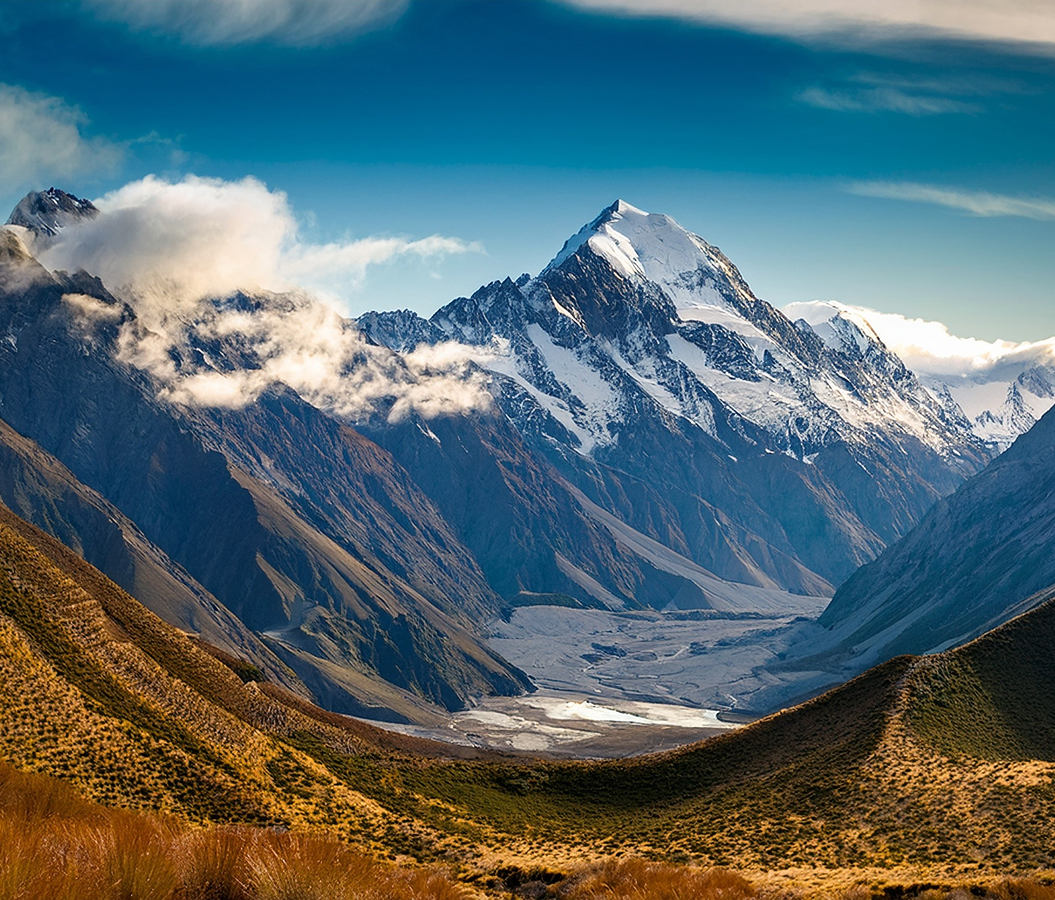
Vail extends through a narrow section of the Eagle River Valley at 8,150 feet above sea level, surrounded by the steep forested slopes and alpine ridgelines of Colorado's Central Rocky Mountains. The Gore Range rises dramatically to the north, its jagged summits and glacially carved valleys forming one of the most recognizable mountain landscapes in the region. To the south, Vail Mountain occupies a broad massif within the White River National Forest, with ski terrain extending from wooded lower slopes into expansive high-elevation bowls. Interstate 70 follows the valley floor, providing the principal transportation corridor between Denver, Vail Pass, and the western Colorado communities beyond. Gore Creek flows westward through town, creating a natural axis around which pedestrian paths, landscaped public spaces, and residential neighborhoods have developed. Vail Village forms the historic resort center, distinguished by pedestrian streets, stone-paved plazas, decorative balconies, timber detailing, and buildings influenced by traditional Alpine architecture. Its compact layout encourages movement between hotels, restaurants, shops, and the mountain's principal lift connections. The Covered Bridge over Gore Creek provides one of the village's most familiar landmarks, linking the commercial center with the surrounding residential streets and landscaped river corridor. Nearby, the Clock Tower and other chalet-inspired structures contribute to the atmosphere of a European mountain settlement. The Colorado Snowsports Museum, situated within the village, occupies an important place in the destination's historical landscape through its exhibitions devoted to skiing, snowboarding, and the 10th Mountain Division. East of the village, Golden Peak serves as a major mountain access point and training area, associated with ski racing, youth programs, and international competition. Its terrain includes facilities used by elite athletes, connecting the resort's recreational environment with its competitive skiing heritage. Westward, Lionshead Village forms a second principal base area, developed during the 1960s and extensively redeveloped in subsequent decades. Its pedestrian streets, public squares, lodging properties, and mountain-facing terraces surround the Eagle Bahn Gondola, which provides access to the western side of Vail Mountain. The nearby Arrabelle complex reflects the resort's emphasis on Alpine-inspired luxury architecture through stone façades, steep rooflines, and elaborate public spaces. Between the principal villages, residential districts and hospitality properties extend along the valley floor, connected by pedestrian routes and public transportation. Farther west, Cascade Village occupies a quieter section of the resort corridor, with hotels and residences positioned near Gore Creek and the Cascade chairlift. East Vail presents a contrasting residential landscape beneath the dramatic cliffs and steep slopes of the Gore Range, with condominiums, homes, and access to nearby hiking trails. The surrounding mountains contain extensive recreational terrain, including the trails of Booth Creek, Pitkin Creek, and the nearby Eagles Nest Wilderness. The Vail Pass area provides additional opportunities for cycling, hiking, cross-country skiing, and backcountry recreation across high mountain terrain. On Vail Mountain itself, the Front Side contains the principal network of groomed runs and lift-served terrain, descending toward the village through forests of spruce and aspen. Beyond the summit ridges, the Back Bowls open into broad expanses of high-alpine skiing, including Sun Down Bowl, Sun Up Bowl, China Bowl, and Siberia Bowl. Blue Sky Basin extends farther into the mountain's southern terrain, combining gladed descents, open slopes, and remote-feeling alpine scenery. During summer, the same mountain environment supports hiking, mountain biking, scenic gondola access, and outdoor recreation. Vail's physical character comes from the deliberate concentration of pedestrian resort villages beneath an unusually extensive mountain landscape, where Alpine-inspired architecture meets the scale and ruggedness of the Colorado Rockies.
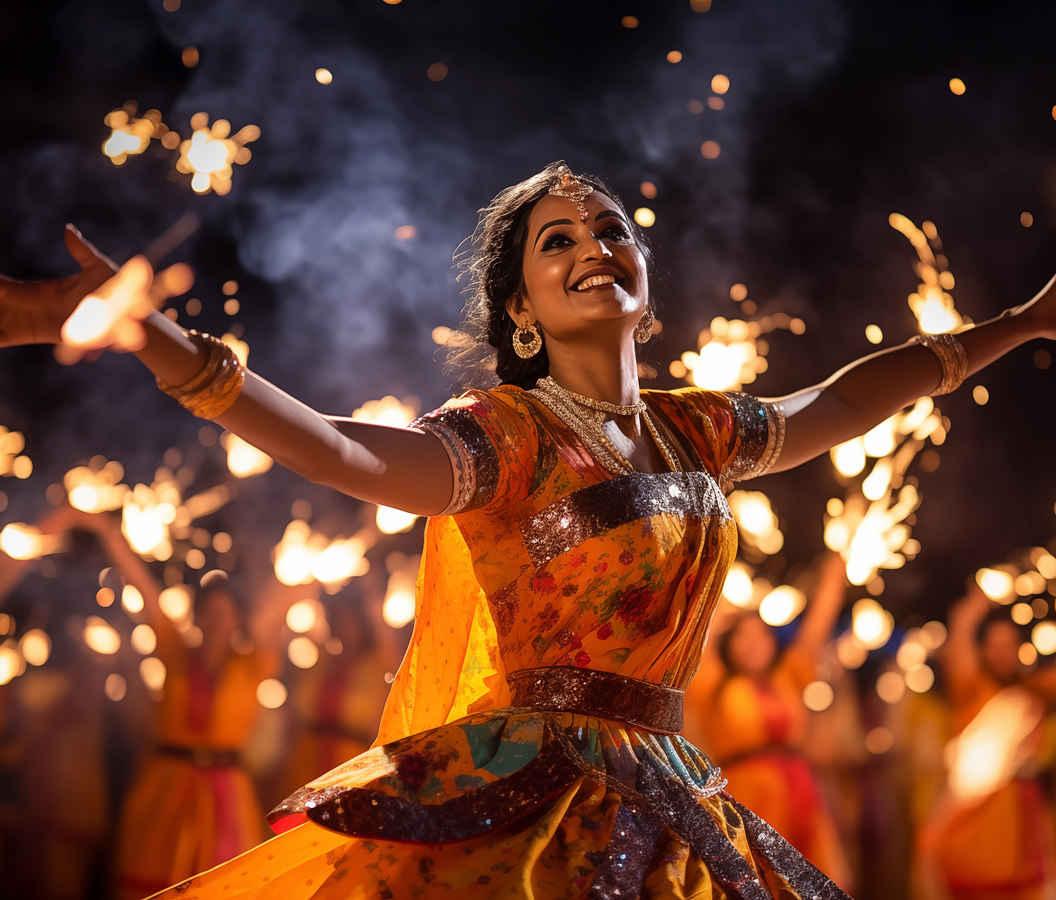
Colorado mountain culture in Vail is closely connected to the development of American skiing, the legacy of the 10th Mountain Division, and a resort community that has cultivated substantial traditions in music, dance, cuisine, and outdoor recreation. The experiences of soldiers who trained for mountain warfare at Camp Hale helped establish a generation of ski instructors, resort founders, and industry leaders who transformed winter recreation throughout the American West. The Colorado Snowsports Museum preserves this history through collections of equipment, photographs, memorabilia, and exhibitions exploring the evolution of skiing and snowboarding. Vail's competitive skiing heritage remains prominent through international racing events, training programs, and the presence of athletes drawn to the region's extensive mountain terrain. The town's cultural calendar expands substantially during summer, when outdoor performance venues and festivals bring music and dance into the alpine setting. The Gerald R. Ford Amphitheater, located near Ford Park, provides a major open-air venue surrounded by mountain scenery and landscaped grounds. Bravo! Vail presents an internationally recognized classical music festival, bringing leading orchestras, soloists, and chamber musicians to the valley for summer performances. The Vail Dance Festival contributes another major artistic institution, presenting ballet, contemporary dance, and collaborative performances involving prominent international dancers and choreographers. These events have established Vail as an important seasonal destination for performing arts within the Rocky Mountain region. Ford Park also contains the Betty Ford Alpine Gardens, a high-elevation botanical institution devoted to alpine plants, mountain ecology, and horticultural education. Its landscaped gardens and educational programs reflect the distinctive environmental conditions of the surrounding alpine region. The Vail Public Library, local galleries, and community arts organizations contribute additional cultural programming throughout the year. The town's architectural and hospitality traditions draw heavily upon Central European mountain resorts, with chalet-style hotels, outdoor terraces, and pedestrian gathering spaces encouraging a social atmosphere centered on the village. Après-ski culture occupies a particularly visible place in winter, when restaurants and bars fill with skiers returning from the mountain. This tradition combines European influences with contemporary American resort hospitality, ranging from casual taverns to sophisticated lounges and fine-dining establishments. Vail's culinary landscape reflects both Colorado's ranching heritage and the international character of its visitor economy. Regional ingredients include Rocky Mountain trout, Colorado lamb, bison, game meats, and seasonal produce sourced from surrounding agricultural valleys. Contemporary restaurants incorporate these ingredients into menus influenced by French, Italian, Austrian, and modern American cooking. Fondue, schnitzel, and other Alpine dishes appear alongside contemporary tasting menus, reflecting the resort's longstanding European inspiration. The neighboring Eagle Valley supports breweries, cafés, bakeries, and restaurants serving both residents and visitors, contributing to a broader regional food culture. Summer brings farmers markets, outdoor dining, and culinary events that connect the village with Colorado producers. Beyond formal cultural institutions, outdoor recreation forms an essential part of daily life, with skiing, snowboarding, hiking, cycling, fly fishing, and mountain exploration shaping the town's seasonal rhythms. The Gore Creek corridor supports recreational fishing and riverside activities, and nearby wilderness areas provide access to the high mountain environments that originally attracted the resort's founders. Vail's cultural character reflects the combination of pioneering ski history, internationally recognized performing arts, Alpine-inspired hospitality, and a mountain setting that continues to define the community's relationship with the natural world.
Five fascinations.
5. Vail was created as a ski resort before it became an incorporated town.
Pete Seibert and Earl Eaton began developing Vail Mountain during the early 1960s after recognizing the skiing potential of the terrain surrounding what became known as Vail Pass. The resort opened in 1962, bringing lifts, trails, lodging, and commercial activity to a valley that had never contained a conventional mountain town of comparable scale. Residential and visitor development followed the ski operation, and Vail incorporated as a municipality in 1966. Its history reverses the pattern of many Colorado resorts that evolved from nineteenth-century mining settlements: Vail was purpose-built around skiing, making recreation the foundation of the community from its beginning.
4. Vail's founders deliberately gave the resort the atmosphere of an Alpine village.
The architecture of early Vail drew heavily from the mountain communities of Austria, Switzerland, and Bavaria. Pitched roofs, balconies, stucco façades, timber details, pedestrian passages, and compact plazas established a European-inspired character that subsequent development expanded across Vail Village and Lionshead. This visual language was particularly appropriate to Pete Seibert, who had served with the U.S. Army's 10th Mountain Division and experienced the European Alps during World War II. Vail became more than a collection of ski lifts and hotels: its founders created an entire architectural environment designed to translate the atmosphere of an Alpine resort into the Colorado Rockies.
3. Vail Mountain became famous for skiing terrain hidden behind its summit ridge.
Much of Vail's defining terrain lies beyond the mountain's front face in the enormous Back Bowls. Reaching the summit reveals broad expanses of predominantly open skiing descending across bowls including Sun Up, Sun Down, China, Siberia, and Mongolia. This unusual geography gives the mountain a scale that is not immediately apparent from the town below, where the visible slopes represent only part of the ski area. Later expansion into Blue Sky Basin extended the experience still farther into forested and remote-feeling terrain. Vail's international reputation rests partly on a mountain whose most celebrated landscapes remain concealed until skiers cross its upper ridgelines.
2. Vail helped bring the Alpine World Ski Championships to the United States twice.
Vail and nearby Beaver Creek hosted the FIS Alpine World Ski Championships in 1989, placing Colorado at the center of international competitive skiing. The championships returned to the region in 1999, and Vail Valley hosted them again with Beaver Creek in 2015. These events brought the world's leading alpine racers to terrain associated with a resort created only decades earlier. Competitive skiing became deeply embedded in Vail's character through racing programs, international events, and the legacy of figures connected with American ski development. The resort progressed from a purpose-built 1960s ski mountain into a recurring stage for one of the sport's most prestigious global competitions.
1. Vail Pass carries an interstate highway across the Continental Divide at more than 10,000 feet.
Interstate 70 climbs east of Vail through the Central Rocky Mountains before crossing Vail Pass at an elevation above 10,600 feet. The highway created a crucial high-altitude transportation connection through terrain dominated by steep slopes, heavy snowfall, avalanche exposure, and severe winter weather. Its construction and subsequent operation required major engineering across one of Colorado's most difficult mountain corridors. The interstate also transformed access to Vail from Denver and the Front Range, helping make large-scale resort visitation practical. Vail's rise as an international mountain destination is inseparable from an extraordinary piece of transportation infrastructure threading directly through the surrounding Rockies.
Where your story begins.
Foresyte Travel reveals places that feel extraordinary long before you arrive.
Enjoy editorial crafted for luxury travelers.
Foresyte may earn a commission when you book.