Perfect weekend in Colorado.
Vail's history is inseparable from the development of American alpine skiing, the engineering ambitions of the postwar era, and the transformation of Colorado's Central Rocky Mountains into an internationally celebrated winter destination. Situated in the Gore Creek Valley at an elevation of 8,150 feet, the town lies beneath the Gore Range within a mountainous landscape of dense conifer forests, alpine meadows, and high-elevation watersheds. The surrounding territory formed part of the ancestral homelands of the Ute people, whose communities maintained longstanding relationships with the region's mountain passes, wildlife, and seasonal resources. European American settlement expanded during the nineteenth century as prospectors, ranchers, and transportation enterprises entered the valleys of Central Colorado. The discovery of precious metals in nearby mining districts accelerated regional development, establishing commercial routes across the Continental Divide and supporting communities throughout the Upper Eagle River watershed. The mountain crossing acquired the name Vail Pass in honor of Charles Vail, a Colorado highway engineer whose work contributed to the development of the state's mountain transportation network. During the Second World War, the United States Army established Camp Hale near Leadville, where the 10th Mountain Division trained soldiers in skiing, mountaineering, and winter warfare. Veterans of the division subsequently played an influential role in the expansion of American ski resorts. Among them were Pete Seibert and Earl Eaton, who recognized the recreational potential of the surrounding mountains and developed plans for a major alpine destination. Their partnership led to the opening of Vail Ski Resort in December 1962, initiating the construction of a purpose-built mountain community influenced by European alpine architecture. The town incorporated in 1966, and the completion of Interstate 70 through the region strengthened access from Denver and other Colorado communities. Vail subsequently expanded through international ski competitions, hospitality investment, and the development of recreational facilities supporting year-round mountain tourism. The 1989 and 1999 Alpine World Ski Championships, followed by the 2015 championships shared with Beaver Creek, established the surrounding region as an important center of international competitive skiing.
Coloradoan mountain culture acquired a distinctive international character in Vail through the convergence of European skiing traditions, American outdoor recreation, classical music, and contemporary hospitality. The town's early architectural vision drew inspiration from Alpine communities in Austria, Switzerland, and Bavaria, establishing a recognizable mountain setting through steeply pitched roofs, decorative balconies, and pedestrian-oriented commercial streets. Austrian ski instructor Pepi Gramshammer became an influential figure in the resort's formative decades, contributing to its hospitality traditions and connections with European alpine society. Vail's competitive skiing history includes the development of internationally prominent athletes, particularly Lindsey Vonn, whose early training in the region preceded her achievements in World Cup competition and the Winter Olympics. The Vail Valley Foundation, established in 1981, contributed to the expansion of the region's cultural and athletic institutions through major sporting events and performing arts programming. The Bravo! Vail Music Festival, founded in 1987, developed into a distinguished summer classical music gathering, attracting major American orchestras and internationally celebrated soloists. The Vail Dance Festival, established in 1989, subsequently brought prominent ballet companies, contemporary choreographers, and dancers to the mountain community, strengthening its connections to international performing arts. The Gerald R. Ford Amphitheater became an important setting for these programs, combining professional performance facilities with the surrounding alpine landscape. Vail's culinary traditions draw upon Colorado ranching, Rocky Mountain agriculture, and the influence of European mountain cooking. Regional ingredients include beef, lamb, trout, wild mushrooms, root vegetables, and seasonal produce cultivated throughout the state's western valleys. Traditional alpine preparations such as fondue, schnitzel, and hearty mountain stews contributed to the resort's early dining culture, reflecting the European influences that shaped its hospitality establishments. Colorado's agricultural communities supply artisanal cheeses, orchard fruits, craft beverages, and specialty meats that support contemporary regional cooking. Vail's restaurants have expanded these foundations through French techniques, Japanese cuisine, Mediterranean preparations, and modern American interpretations of mountain ingredients. Summer agricultural production and winter dining traditions contribute different seasonal dimensions to the town's restaurant culture, reinforcing its relationship with the surrounding landscape. A weekend in Vail connects the pioneering ambitions of America's postwar ski industry with European alpine architecture, internationally celebrated performing arts, and the enduring recreational traditions of the Colorado Rockies.
Three day itinerary.
Day 1: Vail Village
Vail Village is best known for its distinctive Alpine-inspired architecture, pedestrian streets, and central role in the transformation of Colorado's Gore Creek Valley into an internationally celebrated mountain resort destination. The village developed alongside Vail Mountain, which opened for skiing in 1962 through the efforts of Pete Seibert and Earl Eaton. Seibert, a veteran of the U.S. Army's 10th Mountain Division, envisioned a major ski destination inspired by the European mountain communities he encountered during his military service. Architect Fitzhugh Scott helped establish the resort's early architectural character, incorporating Bavarian and Austrian influences into the design of its commercial buildings and hospitality establishments. The village's pedestrian-oriented layout introduced intimate public squares, narrow passageways, and carefully arranged storefronts that evoke the spatial character of traditional European Alpine settlements. Bridge Street became a principal commercial corridor, connecting the resort's central gathering places with the mountain's original skiing infrastructure. The Covered Bridge spanning Gore Creek developed into one of the community's most recognizable architectural features, establishing a scenic entrance to the historic village center. Vail Village represents one of America's most influential purpose-built mountain resort communities through its distinctive architectural planning, international skiing heritage, and enduring relationship with the surrounding Rocky Mountain landscape.
Day 1: Sweet Basil
Sweet Basil is best known for its influential contemporary American cuisine and its longstanding position among Vail's most distinguished independent restaurants. Established in 1977, the restaurant developed into a defining institution within the village's culinary culture, introducing an ambitious approach to seasonal ingredients and sophisticated mountain dining. Its kitchen combines contemporary American techniques with international influences, incorporating carefully prepared seafood, premium meats, vegetables, and inventive flavor combinations. The restaurant's culinary philosophy emphasizes the relationship between ingredient quality, precise preparation, and the creative adaptation of established gastronomic traditions. Its location along Gore Creek Drive places it within the historic commercial center of Vail Village, connecting its dining environment with the resort's distinctive Alpine architecture. Sweet Basil contributed to the development of Vail's reputation as a destination for sophisticated dining alongside its internationally recognized skiing and mountain recreation. Sweet Basil represents an important institution in Colorado's mountain gastronomy through its sustained culinary influence and commitment to contemporary American cooking.
Day 2: Vail Ski Resort
Vail Ski Resort is best known for its extraordinary ski terrain, expansive Back Bowls, and foundational role in the development of modern destination skiing in the American Rocky Mountains. Situated within the White River National Forest, the mountain rises above the Gore Creek Valley and forms the centerpiece of one of North America's most influential ski resorts. Its development began through the efforts of Pete Seibert and Earl Eaton, whose exploration of the surrounding terrain revealed extensive opportunities for lift-served skiing across the mountain's northern slopes and broad southern bowls. The resort opened in December 1962 with a small collection of lifts and rapidly expanded through major infrastructure investments that transformed its recreational capacity. Its celebrated Back Bowls encompass extensive high-elevation terrain characterized by broad alpine slopes, distinctive ridgelines, and exceptional winter snow conditions. Blue Sky Basin subsequently expanded the resort's terrain into more remote sections of the surrounding mountains, introducing additional glades and varied alpine descents. Vail hosted the Alpine World Ski Championships in 1989 and again in 1999, reinforcing its international standing within competitive skiing. The mountain's extensive lift network and sophisticated resort infrastructure contributed to the evolution of American ski tourism during the late twentieth century. Vail Mountain represents one of the most consequential destinations in North American skiing through its exceptional terrain, international competition heritage, and pioneering resort development.
Day 2: Mountain Standard
Mountain Standard is best known for its distinctive wood-fired cooking and its contemporary interpretation of rustic American mountain cuisine. Established by the culinary team associated with Sweet Basil, the restaurant developed a separate gastronomic character centered on open-fire preparation, substantial regional ingredients, and the traditions of hearth-based cooking. Its kitchen emphasizes the transformation of meats, seafood, and seasonal vegetables through direct exposure to wood embers, smoke, and carefully controlled heat. The cooking process introduces distinctive roasted flavors and textures that reflect the historical importance of fire within mountain and frontier food traditions. The restaurant's menu incorporates contemporary American influences through carefully composed dishes that balance robust preparations with refined culinary technique. Its setting beside Gore Creek establishes a close relationship between the dining environment and the natural landscape surrounding Vail Village. Mountain Standard represents a distinctive expression of contemporary Colorado mountain gastronomy through its concentration on wood-fired technique and carefully sourced seasonal ingredients.
Day 2: Betty Ford Alpine Gardens
Betty Ford Alpine Gardens is best known for its exceptional collection of high-elevation plants and its internationally significant commitment to alpine horticulture and botanical conservation. Established in 1985, the gardens developed into one of North America's most distinguished institutions dedicated to the preservation and study of mountain plant communities. Named in honor of former First Lady Betty Ford, the gardens occupy a remarkable setting near Ford Park at an elevation exceeding 8,000 feet. Their specialized collections incorporate alpine wildflowers, rock garden plants, native Colorado species, and botanical specimens adapted to the challenging environmental conditions of high mountain ecosystems. The garden's carefully designed terraces, stone pathways, and water features reflect the distinctive horticultural requirements of plants originating in mountainous regions around the world. Its conservation programs emphasize the preservation of vulnerable alpine species and the ecological importance of high-elevation habitats threatened by environmental change. Educational programs and botanical exhibitions connect visitors with the extraordinary biological diversity of the Rocky Mountains and other major mountain systems. Betty Ford Alpine Gardens represents an exceptional achievement in American botanical conservation through its specialized alpine collections and its relationship with the high-elevation landscapes of Colorado.
Day 2: Left Bank Restaurant
Left Bank Restaurant is best known for chef-owner Jean-Michel Chelain's classical French gastronomy and its longstanding position among Vail's most distinguished fine-dining establishments. Founded in 1970 by Liz and Luc Meyer, the restaurant occupies the Sitzmark Lodge overlooking Gore Creek in the heart of Vail Village, establishing a culinary institution during the resort's formative decade. Chelain began his professional apprenticeship at fifteen at Les Trois Biches in the Chartreuse region of the French Alps, developing the classical techniques that would define his culinary career. His subsequent experience included the Noga Hilton in Cannes and three years as chef of Chez Le Per Gras in Grenoble. In 1996, he moved to California's Carmel Valley to become executive chef of Stonepine Estate Resort, a distinguished Relais & Châteaux property, before establishing his professional future in Vail. Chelain and his wife Kimberly acquired Left Bank from its founders in 2006, continuing the restaurant's French culinary traditions and cultivating an extensive cellar of distinguished French and Californian wines. Signature preparations include Dover sole meunière, côte de boeuf, homemade pasta with fresh truffles, and buckwheat blinis accompanied by smoked salmon and Osetra caviar. The kitchen prepares its breads, sauces, and classical accompaniments in-house, preserving the technical foundations of traditional French restaurant cooking. Left Bank represents an enduring connection between the culinary heritage of the French Alps and the evolution of fine dining in Colorado's Rocky Mountains.
Day 3: The Little Diner
The Little Diner is best known for its substantial American breakfast preparations and its longstanding popularity within Vail's mountain dining culture. Located in Lionshead Village, the restaurant specializes in traditional diner cooking, emphasizing freshly prepared eggs, pancakes, breakfast meats, and carefully executed comfort food. Its celebrated breakfast menu reflects the importance of hearty morning meals within Colorado's skiing and outdoor recreation communities. The kitchen incorporates familiar American preparations alongside regional influences, including substantial breakfast skillets and dishes designed around the agricultural traditions of the Mountain West. Its compact dining environment preserves the intimate character of traditional American diners, where counter seating and direct interaction with the kitchen contribute to the restaurant's distinctive atmosphere. The Little Diner represents an established expression of Vail's independent breakfast culture through its concentration on traditional cooking and the hospitality traditions of American mountain communities.
Day 3: Eagle Bahn Gondola
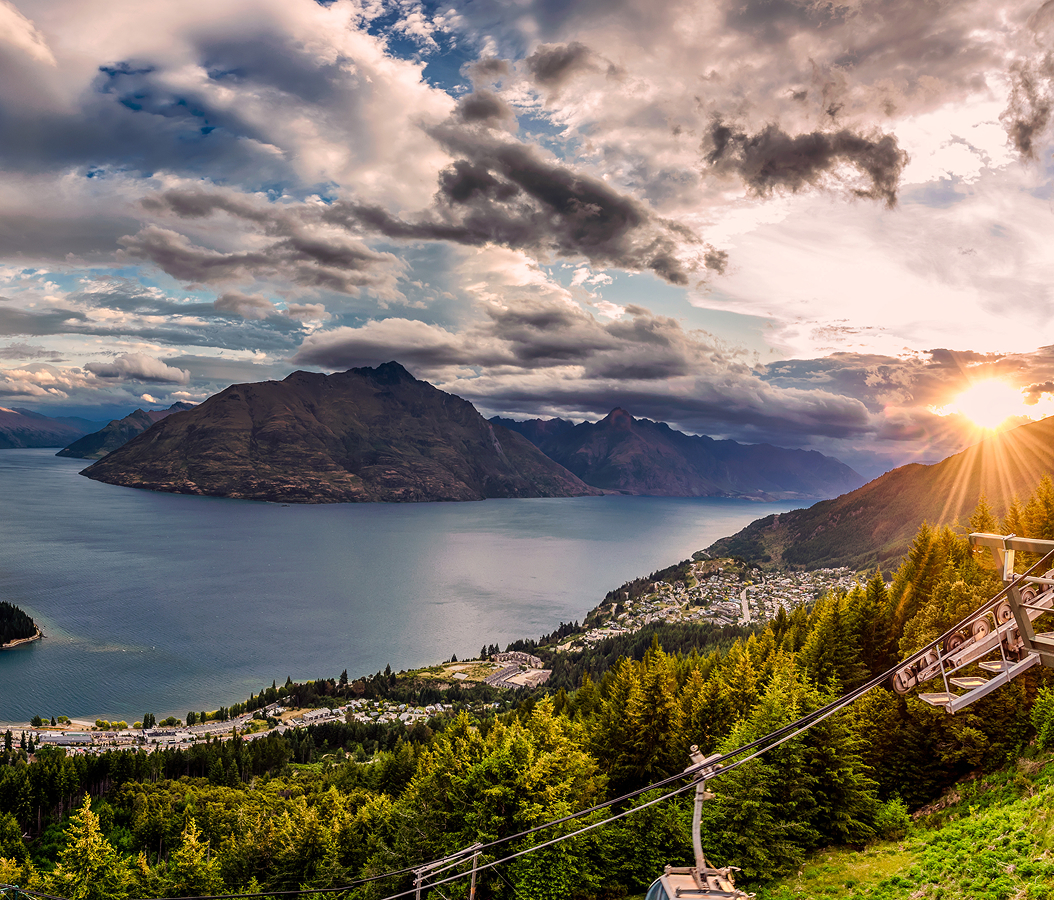
Eagle Bahn Gondola is best known for its scenic ascent from Lionshead Village to the high-elevation landscapes of Vail Mountain and its role in connecting the resort's western village with the surrounding alpine terrain. The gondola's route climbs through forested slopes toward Eagle's Nest, an established mountain recreation area overlooking the Gore Creek Valley. Its elevated cabins provide expansive views of the surrounding peaks, including sections of the Gore Range and the forested mountains extending across the Central Colorado Rockies. The lift infrastructure reflects the technological evolution of American mountain resorts, whose modern transportation systems support both winter skiing and seasonal alpine recreation. Eagle's Nest serves as an important access point for mountain activities, incorporating scenic viewpoints and recreational facilities associated with the resort's summer and winter programs. The surrounding landscape reflects the ecological transitions characteristic of Colorado's high elevations, where dense conifer forests give way to more exposed mountain environments. Eagle Bahn Gondola represents an important component of Vail's mountain infrastructure through its integration of modern aerial transportation and exceptional Rocky Mountain scenery.
Day 3: Vail Pass
Vail Pass is best known for its dramatic Continental Divide crossing, exceptional Rocky Mountain scenery, and historic importance as a transportation corridor connecting Central Colorado's mountain communities. Rising to an elevation of 10,666 feet, the pass traverses the mountainous terrain between Vail and Copper Mountain along Interstate 70. Its surrounding landscape incorporates extensive conifer forests, alpine meadows, high-elevation wetlands, and rugged mountain slopes shaped by the geological development of the Central Rocky Mountains. The modern highway corridor represents a major achievement in American mountain transportation engineering, providing a critical connection between the Front Range and Colorado's western communities. The pass also supports an extensive network of recreational trails associated with hiking, cycling, cross-country skiing, and snowshoeing. Its high-elevation environment supports distinctive plant communities adapted to short growing seasons, substantial winter snowfall, and dramatic seasonal temperature changes. Vail Pass represents one of Colorado's most significant mountain transportation corridors through its exceptional elevation, dramatic alpine geography, and relationship with the development of modern Rocky Mountain recreation.
Day 3: Matsuhisa
Matsuhisa is best known for its sophisticated Japanese-Peruvian cuisine and its association with internationally celebrated chef Nobu Matsuhisa. Matsuhisa developed his distinctive culinary philosophy through professional experiences in Japan, Peru, Argentina, and the United States, incorporating South American ingredients and flavor combinations into traditional Japanese culinary techniques. His cooking became internationally recognized through innovative preparations combining raw seafood, citrus, chile peppers, and carefully balanced sauces. The Vail restaurant occupies a prominent position within Solaris, a contemporary mixed-use development in the village's central commercial district. Its culinary program emphasizes premium sushi, sashimi, seafood, and celebrated Matsuhisa specialties, including black cod with miso and yellowtail sashimi with jalapeño. These preparations reflect the chef's influential approach to integrating Japanese culinary precision with the assertive flavors of Latin American gastronomy. The restaurant's refined interior and international wine and sake selections reinforce its position within Vail's luxury hospitality culture. Matsuhisa Vail represents an influential expression of contemporary Japanese-Peruvian fine dining through its connection with one of the world's most celebrated culinary innovators.
Where your story begins.
Foresyte Travel reveals places that feel extraordinary long before you arrive.
Enjoy editorial crafted for luxury travelers.
Foresyte may earn a commission when you book.