Perfect weekend in New Orleans, Louisiana.
New Orleans developed at a strategic bend of the Mississippi River, where the waterways of the continental interior converge with the Gulf of Mexico and centuries of French, Spanish, African, and Caribbean influence shaped one of America's most historically significant cities. The surrounding delta formed part of the ancestral territories of Indigenous peoples including the Chitimacha, Houma, and Choctaw, whose communities navigated the region's bayous and maintained extensive trading relationships. French colonists founded New Orleans in 1718 under the direction of Jean-Baptiste Le Moyne de Bienville, establishing a settlement intended to control commerce between the Mississippi Valley and France's colonial possessions. The city became the capital of French Louisiana in 1722, attracting merchants, soldiers, enslaved Africans, and settlers from across the Atlantic world. Spanish administration began during the 1760s, introducing new commercial relationships and rebuilding initiatives following devastating fires in 1788 and 1794. The Louisiana Purchase transferred the territory to the United States in 1803, and New Orleans subsequently expanded through cotton exports, riverboat transportation, and international shipping. During the nineteenth century, the city's port became one of the nation's busiest commercial centers, with its prosperity inseparable from slavery and the forced migration of African Americans. The Battle of New Orleans in January 1815 established the city as the setting of Andrew Jackson's celebrated military victory during the War of 1812. Following the Civil War, Reconstruction brought significant political activity among newly emancipated Black communities, including campaigns for education, voting rights, and equal citizenship. The construction of extensive drainage infrastructure during the early twentieth century enabled residential expansion into previously waterlogged terrain. Hurricane Katrina devastated New Orleans in 2005, exposing catastrophic failures in the region's flood protection infrastructure and displacing substantial portions of its population. The city's subsequent rebuilding reshaped housing, transportation, and public institutions across the metropolitan area.
Louisianan jazz emerged from the extraordinary musical creativity of New Orleans, where African American performers combined blues, ragtime, brass-band traditions, and collective improvisation into a revolutionary form of American music. Congo Square became an important gathering place for enslaved and free Black residents during the nineteenth century, sustaining African-derived musical and dance practices that contributed to the city's cultural development. Buddy Bolden helped pioneer early jazz performance around the beginning of the twentieth century, and musicians including Jelly Roll Morton, King Oliver, and Louis Armstrong subsequently brought New Orleans musical innovations to audiences across the United States. Armstrong's recordings during the 1920s transformed jazz improvisation and established his international prominence. The city's musical traditions also encompass rhythm and blues, gospel, funk, and brass-band performance, with Professor Longhair, Fats Domino, and the Neville Brothers contributing to its twentieth-century musical achievements. New Orleans literature includes the work of Tennessee Williams, whose play A Streetcar Named Desire premiered in 1947 and established an enduring association between the city and American theater. The Ogden Museum of Southern Art contributes to the region's artistic institutions through collections devoted to painting, photography, sculpture, and the visual history of the American South. New Orleans cuisine developed through the cooking traditions of French and Spanish colonists, enslaved Africans, Indigenous communities, and successive generations of Caribbean and European immigrants. Creole preparations include gumbo, jambalaya, shrimp Creole, and red beans and rice, combining regional seafood, rice, vegetables, and layered seasonings. Cajun cooking, associated with the Acadian communities of southern Louisiana, contributed additional traditions involving smoked meats, crawfish, and rustic one-pot preparations. The city's commercial bakeries and neighborhood restaurants established enduring specialties including po'boys, muffulettas, beignets, and bread pudding. Gulf oysters, blue crab, shrimp, and seasonal crawfish remain central to local cooking, supported by the fisheries and agricultural communities of the Mississippi Delta. Contemporary chefs extend these foundations through Louisiana ingredients, historical recipes, and inventive interpretations of regional food. A weekend in New Orleans unfolds through a city whose musical innovations, literary achievements, and deeply rooted culinary practices emerged from centuries of cultural exchange along the Mississippi River.
Three day itinerary.
Day 1: French Quarter
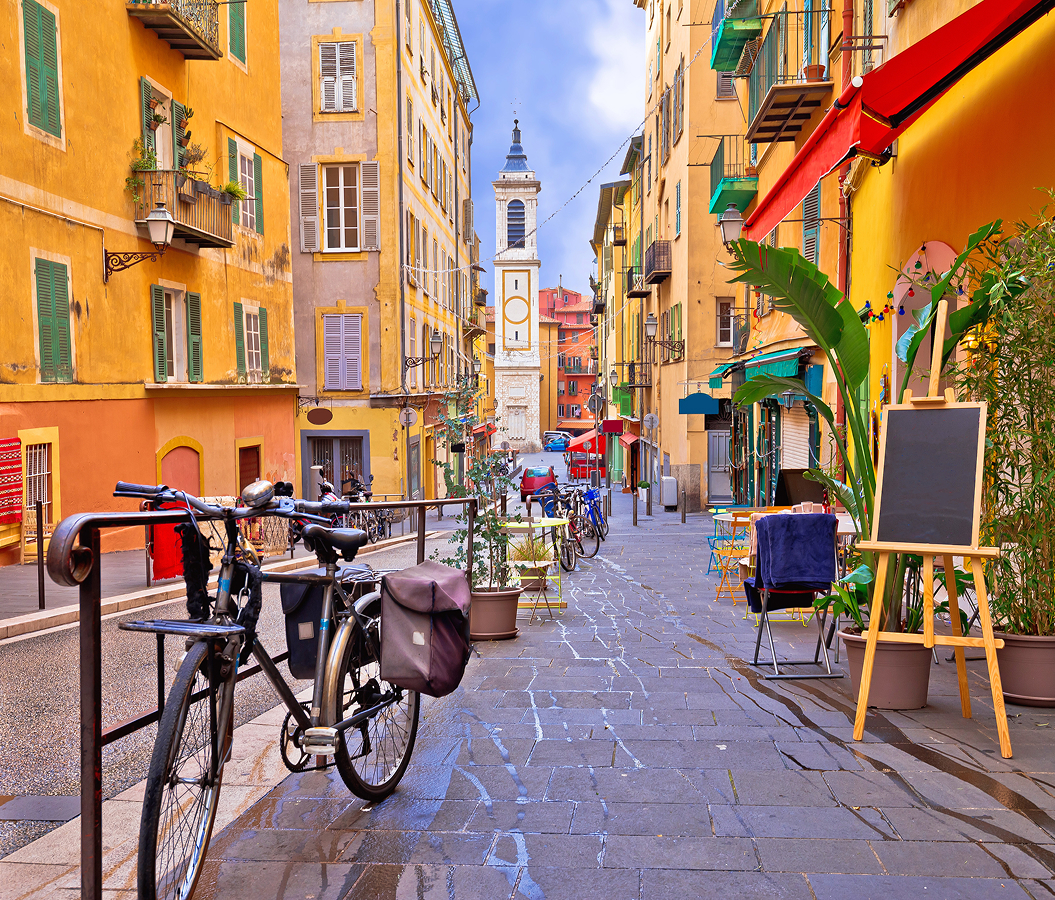
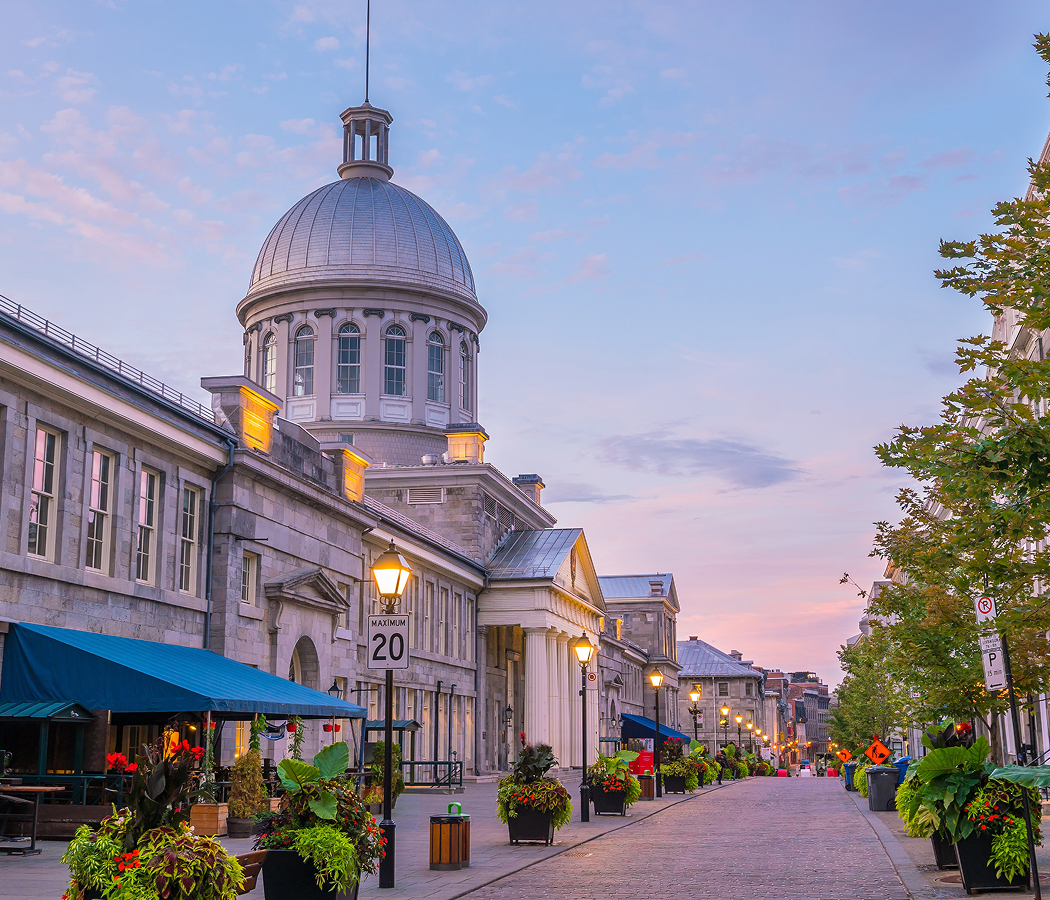
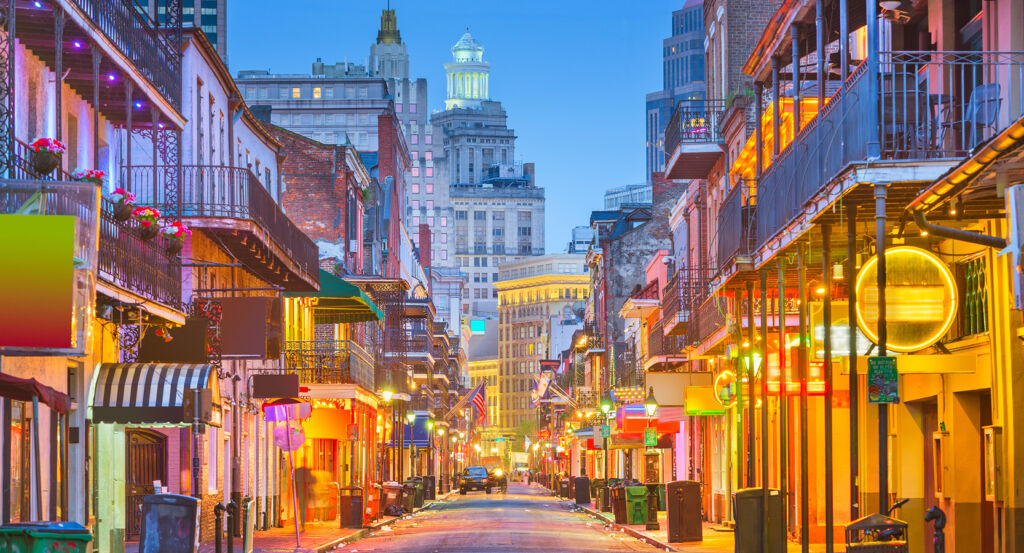
French Quarter is best known for preserving the historic core of New Orleans within a dense urban fabric shaped by French, Spanish, Caribbean, African, and American influences. Jean-Baptiste Le Moyne de Bienville founded New Orleans in 1718, and engineer Adrien de Pauger subsequently imposed the rectilinear street plan that established the settlement around the Mississippi River. Fires in 1788 and 1794 destroyed substantial portions of the colonial city during Spanish rule, producing reconstruction that introduced masonry walls, courtyards, arcades, and ironwork into its architectural development. Creole townhouses, cottages, commercial buildings, churches, and public spaces subsequently accumulated across the district as New Orleans became one of the continent's most important ports. The surviving streetscape preserves the physical imprint of the cultures that transformed a colonial river settlement into a major American city.
Day 1: Commander's Palace
Commander's Palace is best known for shaping modern Creole fine dining through generations of influential New Orleans chefs. Emile Commander established the restaurant in the Garden District during the nineteenth century, and the Brennan family acquired it in 1969 before developing it into one of the city's defining culinary institutions. Ella Brennan turned the kitchen into a proving ground for chefs capable of extending Louisiana cooking through disciplined technique and deep command of regional ingredients. Paul Prudhomme led the kitchen before opening K-Paul's Louisiana Kitchen, and Emeril Lagasse subsequently served as executive chef before building his own restaurant career. Commander's Palace became a powerful incubator for contemporary Louisiana cuisine, connecting Creole tradition with generations of chefs who carried New Orleans cooking to national prominence.
Day 2: The National WWII Museum
The National WWII Museum is best known for interpreting the American experience of World War II through an institution rooted in New Orleans's contribution to amphibious warfare. Historian Stephen Ambrose and University of New Orleans colleague Gordon H. Mueller developed the museum from Ambrose's extensive work on the war and his recognition of the city's connection to Andrew Jackson Higgins. Higgins Industries manufactured thousands of landing craft in New Orleans, including the Higgins boat that enabled troops and equipment to move directly from ships onto contested beaches. The institution opened in 2000 as the National D-Day Museum before Congress designated it America's National World War II Museum. Successive expansions created a substantial campus devoted to military campaigns, industrial mobilization, individual service, technological development, and the global consequences of the conflict.
Day 2: Dooky Chase Restaurant
Dooky Chase Restaurant is best known for joining Creole cuisine to the political and cultural history of Black New Orleans. Dooky Chase Sr. and Leah Chase developed the Tremé restaurant into a gathering place for musicians, artists, civil rights leaders, politicians, and community organizers during an era when segregation restricted public accommodations across the city. Leah Chase became the institution's defining culinary figure, preparing gumbo, fried chicken, shrimp Clemenceau, and other Creole dishes within a dining room that also accumulated an important collection of African American art. Civil rights activists used the restaurant as a meeting place during campaigns challenging segregation in New Orleans. Chase's work ultimately made the restaurant a national institution where food, Black entrepreneurship, art, and the civil rights movement became inseparable parts of a single New Orleans history.
Day 2: Frenchmen Street
Frenchmen Street is best known for concentrating New Orleans live music within the Faubourg Marigny immediately downriver from the French Quarter. The surrounding neighborhood developed from land subdivided by Bernard de Marigny during the early nineteenth century, extending the city beyond its colonial core as Creole residential districts expanded along the Mississippi. Music venues later clustered along Frenchmen near the boundary between Marigny and the French Quarter, creating a compact performance corridor grounded in the city's jazz traditions. Clubs, bars, restaurants, record shops, and street musicians support a dense nightly circulation of jazz, brass-band music, blues, funk, and related forms. Frenchmen preserves the connection between New Orleans music and small-scale venues where performers, neighborhoods, and audiences remain in unusually close physical contact.
Day 2: Dakar NOLA
Dakar NOLA is best known for Serigne Mbaye's exploration of the historical and culinary connections between Senegal and New Orleans. Mbaye was born in Harlem, spent formative years in Senegal, and developed his professional career through restaurant kitchens before establishing Dakar as a permanent New Orleans project. His tasting menus connect Senegalese ingredients and techniques with Louisiana products, examining food traditions carried across the Atlantic through migration, commerce, and the forced movement of enslaved Africans. Rice, seafood, vegetables, grains, spices, and deeply developed sauces expose continuities between West African cooking and the cuisines that emerged in Louisiana. Mbaye's work earned the James Beard Award for Best New Restaurant in 2024, giving contemporary Senegalese cuisine an influential institutional presence in the city whose food history carries profound West African foundations.
Day 3: Brennan's
Brennan's is best known for establishing the elaborate New Orleans restaurant breakfast as a major expression of Creole dining. Owen Brennan developed the institution during the mid-twentieth century, and the restaurant moved into its Royal Street home in 1956, occupying a historic French Quarter complex organized around a courtyard. Chef Paul Blangé created Bananas Foster there in 1951, flambéing bananas with butter, brown sugar, cinnamon, rum, and banana liqueur for a dessert named after civic leader Richard Foster. The Brennan family subsequently became one of the most consequential restaurant families in New Orleans, extending its influence through numerous establishments and generations of restaurateurs. Brennan's enduring breakfast tradition joins Creole cooking, theatrical tableside service, and family restaurant history within one of the Quarter's defining dining institutions.
Day 3: Jackson Square
Jackson Square is best known for forming the ceremonial heart of historic New Orleans around one of the city's oldest public spaces. Adrien de Pauger incorporated the square into the colonial plan as the Place d'Armes, positioning it between the Mississippi River and the principal religious and governmental buildings of the settlement. Louisiana formally transferred from France to the United States there in 1803, placing the square at the center of the Louisiana Purchase's most consequential territorial transition. The space later took the name of Andrew Jackson following his victory at the Battle of New Orleans, and Clark Mills's equestrian statue of Jackson became its central monument. St. Louis Cathedral, the Cabildo, and the Presbytère frame the square, preserving an extraordinary concentration of architecture tied to the colonial, religious, political, and civic development of New Orleans.
Day 3: St. Louis Cemetery No. 1
St. Louis Cemetery No. 1 is best known for its dense collection of above-ground tombs and its connection to generations of New Orleans social, religious, and cultural history. Established in 1789 beyond the limits of the colonial city, the cemetery developed a distinctive landscape of family tombs, society tombs, wall vaults, and funerary monuments. Its burial practices reflect Catholic traditions and local adaptations to repeated interment within limited urban space. Marie Laveau, the nineteenth-century spiritual practitioner who became the most famous figure associated with New Orleans Voodoo, is entombed there in the Glapion family crypt. The cemetery's compact architecture preserves the names and physical memorials of free people of color, immigrants, political figures, families, and religious communities that shaped the city across more than two centuries.
Day 3: Galatoire's
Galatoire's is best known for preserving the formal Creole restaurant tradition that developed along Bourbon Street during the early twentieth century. French immigrant Jean Galatoire established the restaurant in 1905, bringing culinary traditions from southwestern France into a city already defined by Creole combinations of European, African, Caribbean, and Gulf Coast foodways. The menu developed around dishes including trout meunière amandine, crabmeat preparations, oysters, shrimp, sauces, and other foundations of New Orleans Creole dining. Generations of the Galatoire family maintained the restaurant's distinctive system of personal service and long-standing relationships between waiters and diners. The James Beard Foundation named Galatoire's an America's Classic in 2005, recognizing an institution whose dining room preserves a living form of New Orleans restaurant culture.
Where your story begins.
Foresyte Travel reveals places that feel extraordinary long before you arrive.
Enjoy editorial crafted for luxury travelers.
Foresyte may earn a commission when you book.