Perfect weekend in Tokyo, Japan.
Tokyo's history extends from the fortified settlement of Edo to the political center of the Tokugawa shogunate and the metropolitan capital of modern Japan. Situated on the Kantō Plain at the head of Tokyo Bay, the city developed along rivers, coastal lowlands, and elevated terraces that supported agriculture, maritime commerce, and the expansion of residential communities. The region was inhabited for thousands of years before the establishment of a permanent political center, with archaeological remains connecting the surrounding landscape to the Jōmon and Yayoi periods. Edo acquired increasing strategic importance during the medieval era, particularly following the construction of a fortified residence by Ōta Dōkan in 1457. Tokugawa Ieyasu established his headquarters in Edo in 1590 and became shogun in 1603, initiating more than two centuries of military government. Under the Tokugawa shogunate, Edo grew into one of the world's largest cities, supported by an extensive network of canals, bridges, merchant quarters, and residential compounds associated with the country's feudal lords. The sankin-kōtai system required regional daimyō to maintain residences in Edo and spend alternating periods at the shogunal capital, stimulating commercial activity and population growth. The Meiji Restoration of 1868 ended Tokugawa rule and transferred imperial authority from Kyoto to Edo, which received the name Tokyo, meaning Eastern Capital. During the subsequent decades, railway construction, industrialization, and Western architectural influences transformed the city into the administrative center of an increasingly industrialized nation. The Great Kantō Earthquake of 1923 devastated substantial portions of Tokyo and Yokohama, prompting extensive reconstruction and changes to urban infrastructure. American bombing during the Second World War caused further destruction, particularly during the incendiary attacks of March 1945. Postwar reconstruction accelerated through manufacturing, transportation investment, and commercial expansion, culminating in the 1964 Summer Olympics and the inauguration of the Tōkaidō Shinkansen. Tokyo subsequently developed into a global center of finance, technology, design, and cultural production, retaining historical connections to the institutions and commercial traditions of Edo.
Japanese craftsmanship acquired exceptional refinement in Edo, where the concentration of merchants, artisans, and wealthy patrons encouraged the development of specialized artistic and culinary practices. Ukiyo-e printmaking flourished during the seventeenth through nineteenth centuries, with artists including Katsushika Hokusai and Utagawa Hiroshige transforming scenes of urban entertainment, theatrical performance, and natural landscapes into influential works of Japanese visual art. Hokusai's Thirty-six Views of Mount Fuji, published during the 1830s, became one of the most celebrated achievements of Japanese woodblock printing. The Edo-Tokyo Museum explores the historical development of the former shogunal capital through architectural reconstructions, historical objects, and exhibits devoted to urban society. Tokyo's theatrical history includes kabuki, which developed during the early seventeenth century and acquired an enthusiastic audience among Edo's merchant population. The Kabuki-za theater became an important center of performance following its establishment in 1889, continuing traditions of elaborate costumes, stylized movement, and classical dramatic repertory. Japanese literature also underwent significant development in Tokyo during the modern era, with writers including Natsume Sōseki, Ryūnosuke Akutagawa, and Yukio Mishima exploring the tensions between inherited social conventions and the transformations of modern society. The city's architectural history encompasses the work of Kenzō Tange, whose postwar designs contributed to the international recognition of Japanese modernism. Tokyo's culinary traditions developed through the demands of a large urban population, with Edo-period food vendors popularizing preparations suited to the commercial streets and waterways of the growing city. Edomae sushi originated through the use of seafood harvested from Tokyo Bay, with vinegar, salt, and other preservation techniques supporting the development of hand-formed nigiri. Tempura became associated with street stalls serving battered seafood and vegetables, and soba developed into a staple of the city's dining culture through specialist noodle shops. Traditional confectioners refined wagashi preparations using rice flour, red bean paste, and seasonal ingredients, preserving relationships between Japanese sweets and the ceremonial practices of tea culture. Contemporary Tokyo restaurants extend these foundations through regional Japanese cooking, meticulous ingredient selection, and international culinary influences. A weekend in Tokyo moves between the historical sophistication of Edo, the creative ambitions of modern Japan, and a culinary culture shaped by centuries of specialized craftsmanship.
Three days you'll remember.
Day 1: Tokyo Skytree
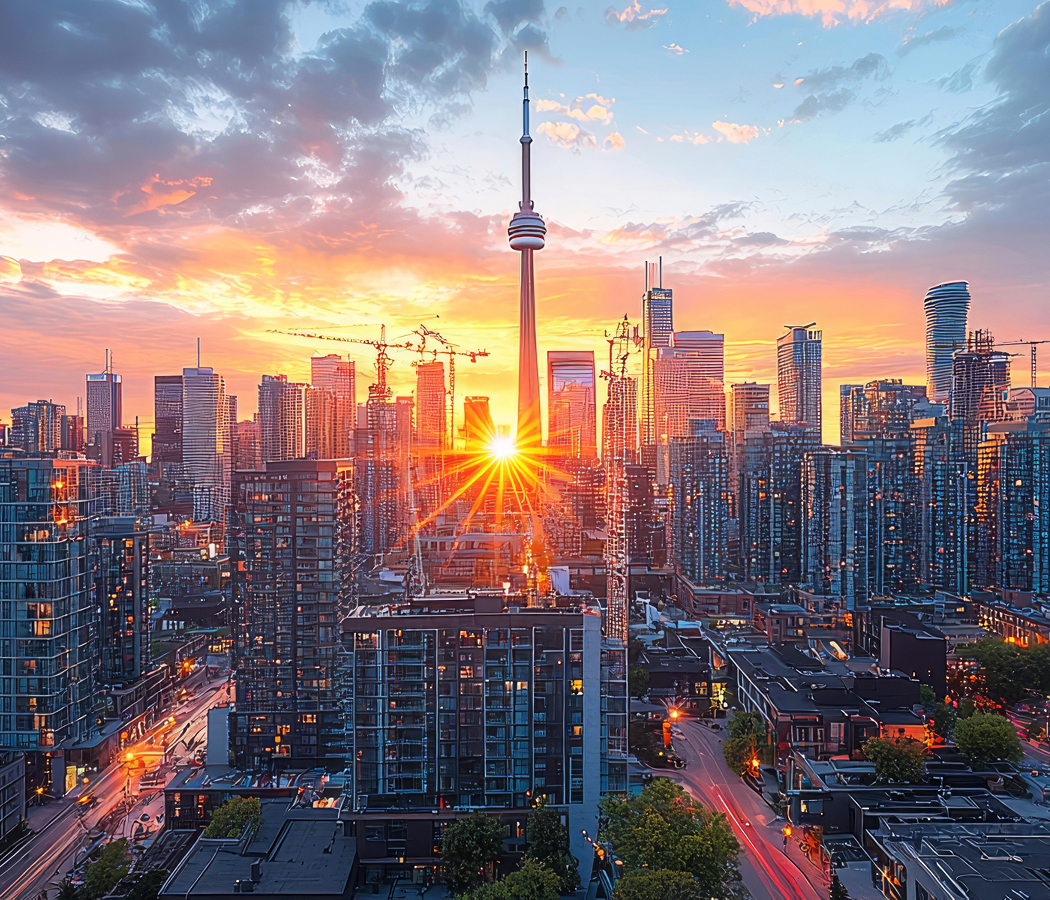
Tokyo Tower is best known for embodying Japan's postwar reconstruction through a 333-meter broadcasting structure modeled on the engineering principles of the Eiffel Tower. Architect and engineer Tachū Naitō designed the steel lattice structure as Japan's television networks required increasingly powerful transmission infrastructure during the 1950s. Takenaka Corporation completed the tower in 1958, creating a structure taller than the Eiffel Tower with substantially less structural steel. Its orange-and-white aviation markings became inseparable from Tokyo's rapidly modernizing skyline during the decades of extraordinary economic growth that followed. Subsequent skyscraper development altered the surrounding city dramatically, leaving Tokyo Tower as one of the most recognizable physical expressions of Japan's transformation after World War II.
Day 1: Narisawa
Narisawa is best known for Yoshihiro Narisawa's development of a cuisine grounded in the forests, coastlines, fermentation traditions, and seasonal ingredients of Japan. Narisawa trained extensively in Europe under chefs including Joël Robuchon and Paul Bocuse before returning to Japan and establishing his own restaurant in 1996. His cooking subsequently developed around the concept of coexistence with nature, drawing particular attention to Japan's satoyama landscapes and the relationship between human communities and surrounding ecosystems. Signature preparations have incorporated forest aromas, soil imagery, fermentation, and ingredients sourced across the Japanese archipelago. Two MICHELIN stars and sustained international recognition established Narisawa as one of the chefs who expanded global understanding of contemporary Japanese fine dining beyond established kaiseki and sushi traditions.
Day 2: Meiji Shrine
Meiji Shrine is best known for monumentalizing Emperor Meiji and Empress Shōken within a vast human-created forest at the center of Tokyo. Construction followed Emperor Meiji's death in 1912 and Empress Shōken's death in 1914, with the shrine completed in 1920 as a national project involving contributions from across Japan. Foresters designed the surrounding woodland for long-term ecological succession, and 100,000 donated trees were planted by volunteers to create a forest intended to mature naturally across generations. Air raids destroyed much of the principal shrine complex during World War II. Public donations financed its reconstruction in 1958, restoring a sacred precinct associated with the emperor whose reign encompassed Japan's transformation into a modern industrial state.
Day 2: Den
Den is best known for Zaiyu Hasegawa's lively reworking of kaiseki through personal memory, humor, and an unusually informal approach to hospitality. Hasegawa grew up around traditional Japanese cooking through his mother's work as a geisha and began professional training at a ryotei before opening Den in 2008. His multicourse menus preserve the seasonal logic and technical foundations of Japanese cuisine, then disrupt its formality through dishes carrying jokes, autobiographical references, and individualized details for diners. Preparations such as Dentucky Fried Chicken turned familiar visual language into vehicles for technically serious cooking. Two MICHELIN stars and major international recognition established Hasegawa as a defining figure in the generation that broadened contemporary kaiseki's resonant and stylistic range.
Day 2: Senso-ji Temple
Sensō-ji is best known as Tokyo's oldest Buddhist temple and the religious nucleus around which Asakusa developed. Its traditional origin dates to 628, when brothers Hinokuma Hamanari and Hinokuma Takenari pulled an image of Kannon from the Sumida River. A temple dedicated to the bodhisattva subsequently arose at Asakusa, attracting worshippers and commercial activity across centuries of urban change. Tokugawa Ieyasu designated Sensō-ji a temple of the shogunate after establishing his government in Edo, strengthening its position within the growing city. Much of the complex was destroyed during the 1945 bombing of Tokyo and reconstructed after the war, with the rebuilt main hall and Kaminarimon becoming powerful symbols of Asakusa's recovery and the persistence of religious life within modern Tokyo.
Day 2: Ginza Kojyu
Ginza Kojyu is best known for Toru Okuda's highly disciplined expression of seasonal Japanese cuisine in the dense commercial center of Ginza. Okuda built his cooking around the structures of kaiseki, using changes in ingredients, ceramics, temperature, aroma, and presentation to articulate Japan's seasonal calendar across successive courses. His work emphasizes exceptionally precise treatment of seafood and vegetables, allowing preparation to intensify the natural characteristics of individual ingredients. MICHELIN recognition placed Ginza Kojyu among Tokyo's elite Japanese restaurants and established Okuda internationally as an important interpreter of traditional cuisine. His subsequent work in Paris extended that culinary philosophy beyond Japan, connecting the intimate Ginza dining room to a broader international appreciation of kaiseki.
Day 3: Tsuta
Tsuta is best known for elevating ramen into the highest tier of international restaurant recognition. Yuki Onishi opened the original restaurant in Sugamo in 2012 and developed a style built around unusually complex broths, carefully sourced ingredients, house-made noodles, and unconventional aromatic elements. His shoyu ramen combined multiple soy sauces with layered stocks and truffle accents, moving decisively beyond the standardized model associated with inexpensive ramen shops. MICHELIN awarded Tsuta a star in its 2016 Tokyo guide, making it the world's first MICHELIN-starred ramen restaurant. Onishi's death in 2022 ended the restaurant's founding era, but the concept continued as a powerful marker of ramen's progression from everyday Japanese food into an internationally scrutinized culinary form.
Day 3: teamLab Planets
teamLab Planets is best known for dissolving conventional boundaries between viewer and artwork through grand digital environments entered with the entire body. Interdisciplinary collective teamLab opened the Toyosu museum in 2018 around installations combining projected light, mirrored space, sound, water, flowers, and responsive digital systems. Visitors remove their shoes before entering environments that place their bodies directly in water and other changing physical conditions, making physical movement part of the operation of individual works. Several installations respond continuously to human presence and surrounding conditions, producing imagery that evolves across encounters. The project became one of Tokyo's defining manifestations of large-scale digital art and expanded teamLab's international influence across museums and permanent installations throughout Asia and beyond.
Day 3: Shibuya Crossing
Shibuya Crossing is best known for converting ordinary pedestrian circulation into one of the defining spectacles of metropolitan Tokyo. The intersection occupies the convergence of major streets immediately outside Shibuya Station, among the railway nodes that drove the district's transformation into a major commercial and entertainment center. Its scramble system stops vehicle traffic across the intersection and releases pedestrians simultaneously from multiple directions, producing the dense multidirectional movement associated with the site. Giant video screens, illuminated signage, department stores, fashion businesses, and entertainment venues amplify the crossing's visual intensity. Decades of redevelopment around Shibuya Station have subsequently transformed the surrounding skyline, placing the famous street-level movement inside one of Tokyo's most ambitious contemporary urban reconstruction projects.
Day 3: L'Effervescence
L'Effervescence is best known for Shinobu Namae's integration of French culinary technique with Japanese agriculture, seasonality, and environmental responsibility. Namae studied political science before entering professional kitchens and subsequently worked under Michel Bras and Heston Blumenthal, two chefs whose radically different approaches helped shape his technical foundation. He opened L'Effervescence in Tokyo in 2010 and developed a cuisine that highlights Japanese producers, regional ingredients, fermentation, and careful examination of food systems. MICHELIN elevated the restaurant to three stars, placing Namae among Tokyo's most internationally significant contemporary chefs. His work beyond the kitchen has extended into sustainability and food policy, connecting haute cuisine with questions surrounding biodiversity, agriculture, marine resources, and the long-term future of Japanese food production.
Where your story begins.
Foresyte Travel reveals places that feel extraordinary long before you arrive.
Enjoy editorial crafted for luxury travelers.
Foresyte may earn a commission when you book.