Perfect weekend in Kuala Lumpur, Malaysia.
Kuala Lumpur's transformation from a nineteenth-century mining settlement into Malaysia's capital unfolded through the expansion of tin production, British colonial administration, commercial migration, and the development of an independent Southeast Asian nation. Situated at the confluence of the Klang and Gombak rivers, the city occupies a valley surrounded by the forested hills of Peninsular Malaysia, where mineral resources and navigable waterways encouraged early commercial settlement. The region formed part of the Malay state of Selangor, whose rulers exercised authority over territories connected to the Strait of Malacca and the wider trading networks of maritime Southeast Asia. Kuala Lumpur emerged during the 1850s as Chinese mining entrepreneurs and laborers established tin-mining operations in the surrounding Klang Valley. The settlement expanded under the leadership of Yap Ah Loy, a prominent Chinese community leader who helped rebuild its commercial institutions following destructive conflicts during the Selangor Civil War. British intervention in Selangor during the 1870s strengthened colonial administrative influence, and Kuala Lumpur became the state capital in 1880. The establishment of the Federated Malay States in 1896 elevated the city into an administrative center serving Selangor, Perak, Negeri Sembilan, and Pahang. Railway construction, commercial investment, and the growth of rubber plantations accelerated its expansion during the early twentieth century. Japanese occupation between 1942 and 1945 interrupted British colonial administration, followed by the political negotiations that produced the Federation of Malaya's independence in 1957. Kuala Lumpur subsequently became the capital of Malaysia following the federation's formation in 1963, developing into a center of government, finance, education, and international commerce. Its architectural landscape carries the imprint of these successive periods, from colonial-era commercial buildings and traditional religious institutions to the skyscrapers associated with Malaysia's late twentieth-century economic expansion.
Kuala Lumpur's artistic institutions, religious architecture, and culinary traditions reveal the enduring influence of Malaysia's diverse ethnic communities and its historical connections to the wider Malay Archipelago. The Islamic Arts Museum Malaysia houses an extensive collection of manuscripts, textiles, ceramics, jewelry, and architectural objects associated with Islamic artistic traditions across Asia, the Middle East, and North Africa. The National Museum of Malaysia explores the country's archaeological history, traditional kingdoms, colonial period, and independence movement through collections devoted to the development of Malaysian society. The National Art Gallery, established in 1958, contributed to the institutional development of Malaysian visual art, supporting artists whose work engaged with traditional craftsmanship, modern painting, and contemporary artistic movements. Kuala Lumpur's performing arts traditions encompass Malay theater, Chinese opera, Indian classical dance, and contemporary Malaysian music, with institutions including the Kuala Lumpur Performing Arts Centre supporting theatrical productions and multidisciplinary performances. The city's literary community has produced influential writers working in Malay, English, Chinese, and Tamil, contributing to Malaysia's multilingual publishing traditions. Kuala Lumpur's cuisine draws upon Malay, Chinese, Indian, Peranakan, and regional Southeast Asian cooking, incorporating ingredients such as coconut milk, pandan, lemongrass, turmeric, tamarind, and aromatic spices. Nasi lemak, prepared with coconut rice and accompanied by sambal, anchovies, peanuts, and other traditional components, occupies a prominent place in Malaysian food culture. Additional specialties include char kway teow, Hokkien mee, roti canai, and beef rendang, each connected to particular culinary communities and regional histories. The city's hawker stalls, traditional coffee shops, and contemporary restaurants sustain an extensive dining culture shaped by generations of migration and commercial exchange. A weekend in Kuala Lumpur connects the history of Malaysia's independence, distinctive religious and residential architecture, multilingual artistic traditions, and one of Southeast Asia's most varied culinary landscapes.
Three day itinerary.
Day 1: Petronas Twin Towers
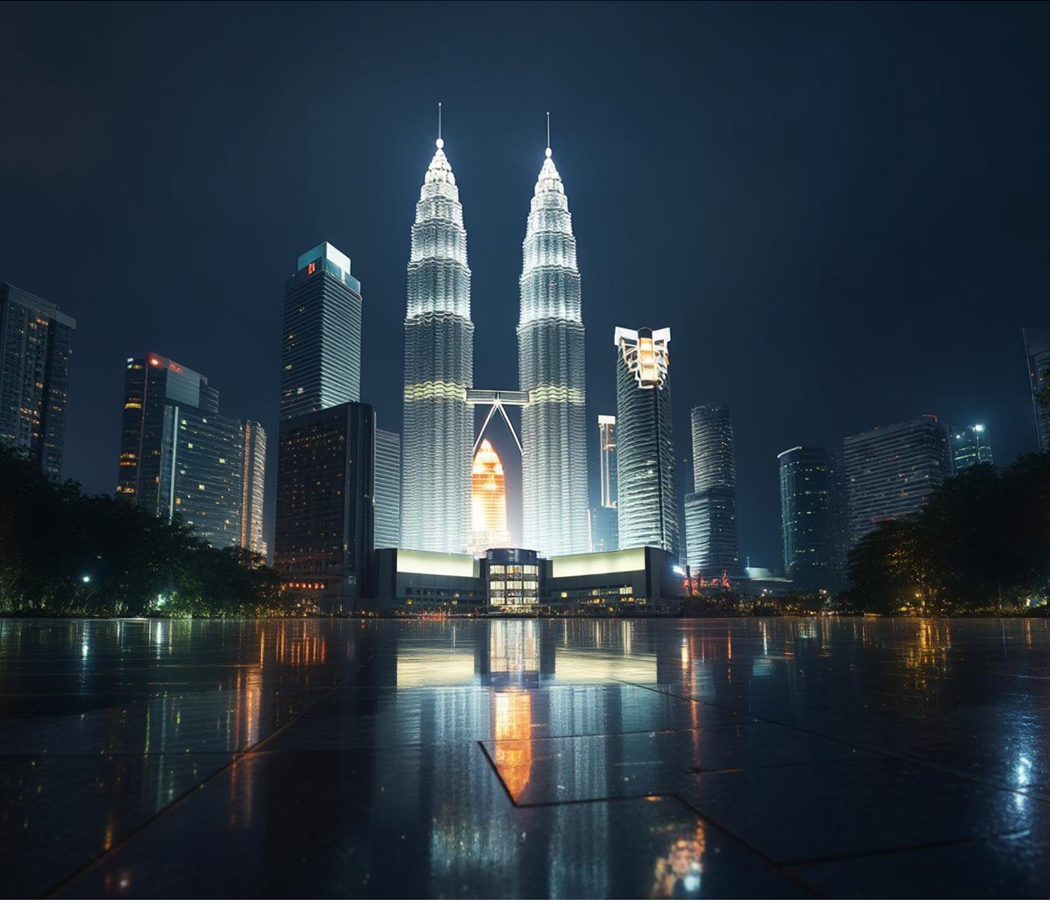
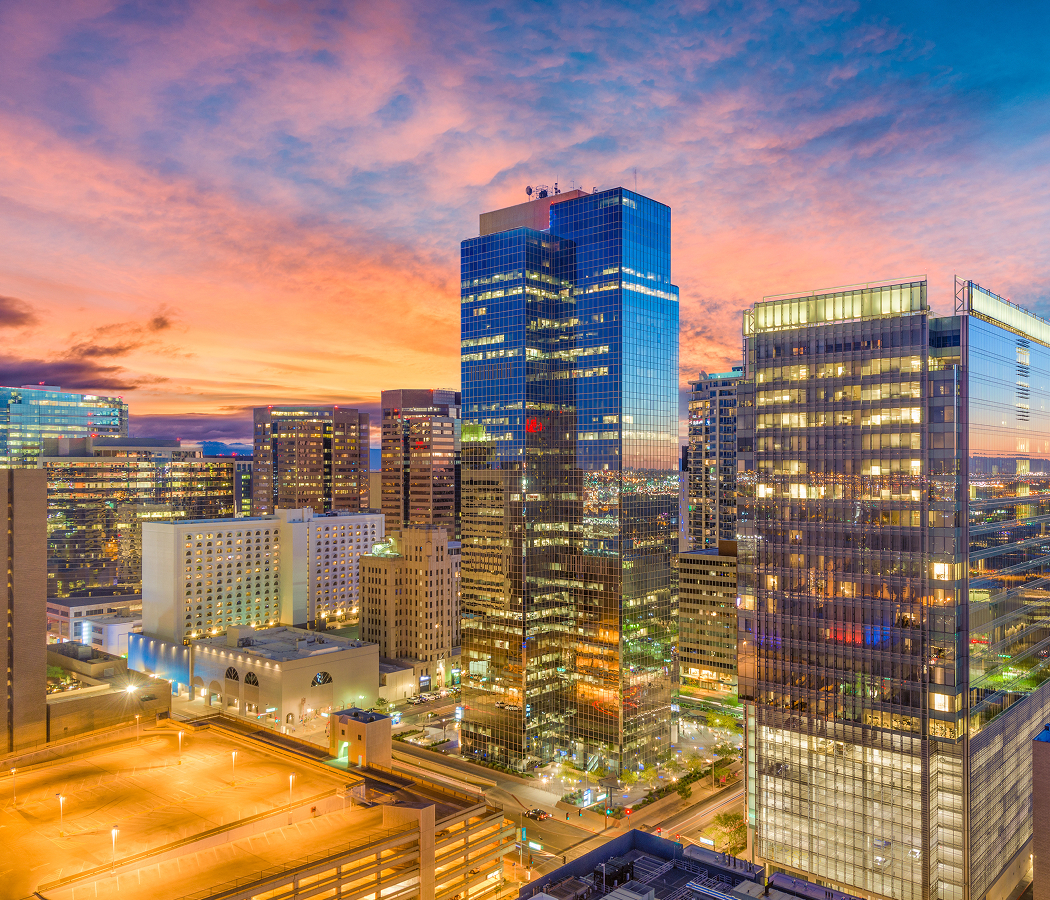
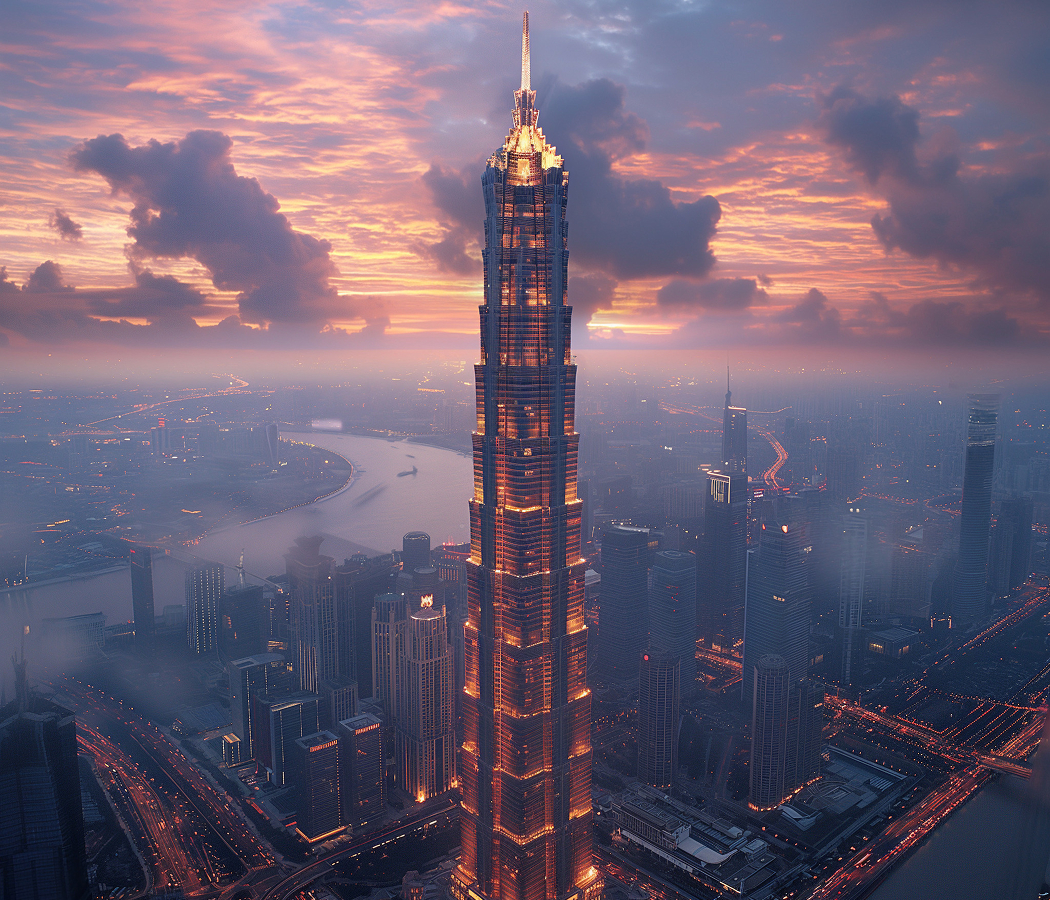
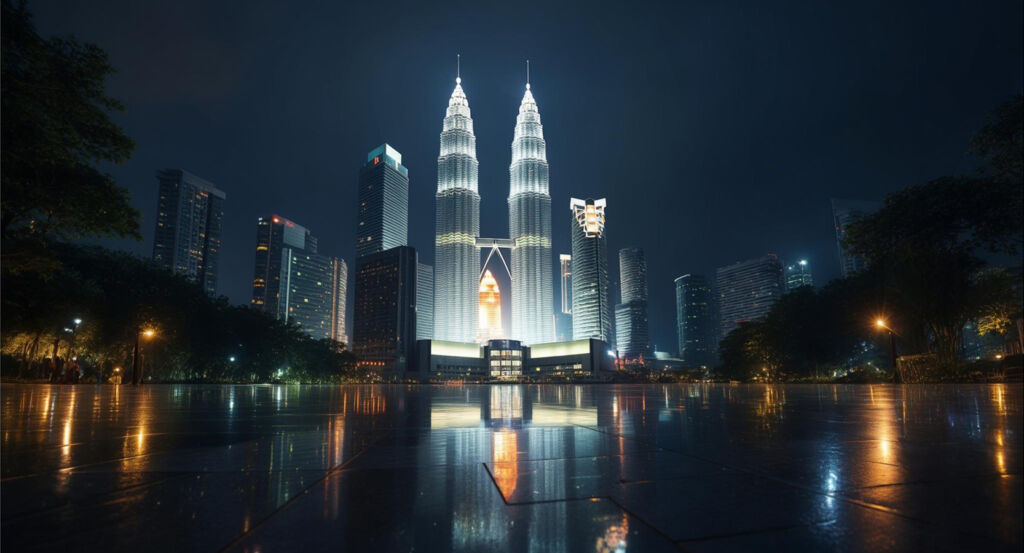
Petronas Twin Towers are best known for transforming Kuala Lumpur's skyline through a pair of 452-meter skyscrapers that became the tallest buildings on Earth upon completion. Argentine-American architect César Pelli designed the towers around an eight-pointed geometry derived from intersecting squares, connecting the plan with patterns associated with Islamic art. High-strength concrete allowed the structures to reach exceptional height despite the limited availability of structural steel within Malaysia during development. Separate construction teams erected the towers simultaneously, and a two-level skybridge links them high above the city while permitting independent structural movement. Petronas established its headquarters within the complex as Kuala Lumpur City Centre developed around the former Selangor Turf Club grounds. The towers gave Malaysia an architectural expression of rapid industrialization, technological ambition, and economic transformation at the end of the twentieth century.
Day 1: Dewakan Restaurant
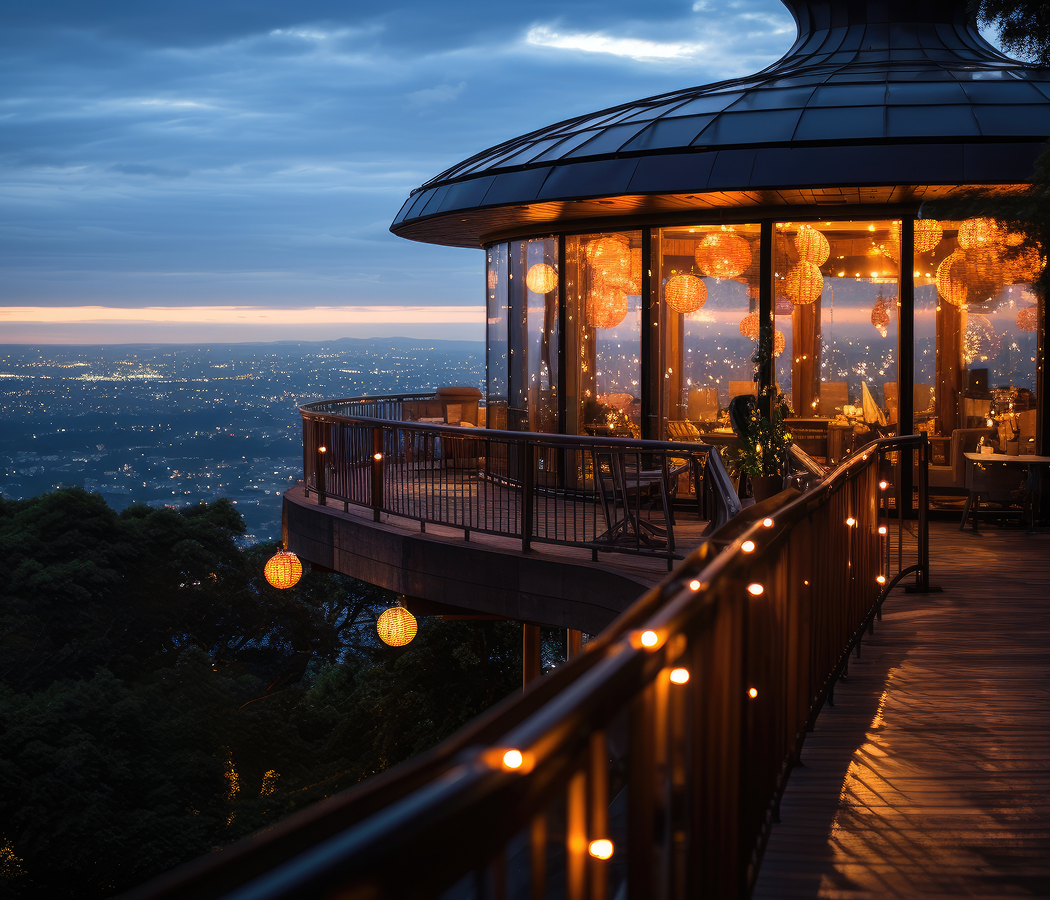
Dewakan Restaurant is best known for Darren Teoh's exploration of Malaysia through indigenous ingredients, endemic plants, fermentation, preservation, and products drawn from the country's extraordinarily diverse ecosystems. Teoh built the restaurant around ingredients frequently absent from conventional fine dining, including native fruits, jungle plants, regional seafood, unusual herbs, seeds, and products sourced through relationships with Malaysian growers and communities. Fermentation and dry-aging deepen those ingredients while preserving their connection with place. The dining room occupies the upper levels of a tower overlooking Central Kuala Lumpur, placing a cuisine devoted to Malaysian landscapes above the modern capital. Dewakan holds two MICHELIN stars and a Green Star, standing alone as Malaysia's highest-ranked MICHELIN restaurant. Its work has made indigenous Malaysian biodiversity a subject of international fine dining.
Day 2: Thean Hou Temple
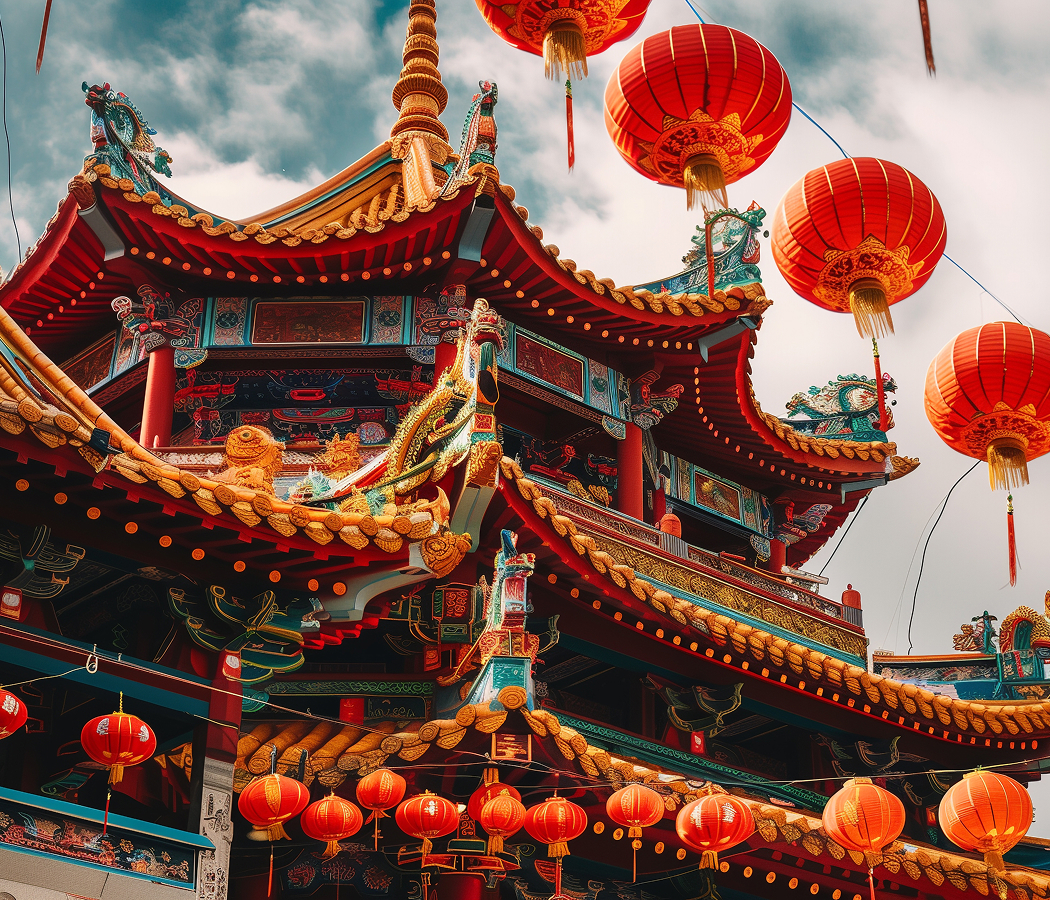
Thean Hou Temple is best known for monumentalizing Kuala Lumpur's Chinese religious heritage through a hilltop sanctuary dedicated principally to the sea goddess Mazu. The Selangor and Federal Territory Hainan Association developed the complex during the late twentieth century, connecting the temple directly with the Hainanese community established in Malaysia through successive waves of Chinese migration. Its architecture combines sweeping tiled roofs, red columns, ornamental gateways, carved decoration, lanterns, and multiple prayer halls drawing from Chinese temple traditions. Mazu shares the religious complex with other female deities, including Guan Yin and Shui Wei Sheng Niang. Ceremonies associated with the Chinese lunar calendar bring worshippers into the temple throughout the year. Thean Hou Temple joins migration, community organization, religious practice, and expansive Chinese architecture within the multicultural development of Kuala Lumpur.
Day 2: Beta KL
Beta KL is best known for chef Raymond Tham's contemporary investigation of Malaysian regional cuisine through ingredients and culinary traditions drawn from across the country. Its tasting menus move through geographic and cultural references encompassing Peninsular Malaysia and Borneo, treating Malaysia's extraordinary ethnic and ecological diversity as the foundation of the kitchen. Indigenous ingredients, seafood, spices, herbs, fermented products, rice, vegetables, and familiar flavor structures enter highly controlled contemporary compositions. Individual preparations connect Malay, Chinese, Indian, Peranakan, and regional traditions through a distinctly Malaysian frame. Beta earned one MICHELIN star, establishing it among Kuala Lumpur's most accomplished restaurants. The kitchen turns Malaysia's internal diversity into a coherent culinary study of the country itself.
Day 2: Merdeka Square
Merdeka Square is best known as the site where the flag of independent Malaya was raised at midnight on August 31, 1957, giving Kuala Lumpur's former colonial administrative center its defining national significance. The open field originated as the cricket ground of the Selangor Club during British rule and stood opposite major government buildings constructed around the turn of the twentieth century. A. C. Norman designed the Sultan Abdul Samad Building, whose arcades, copper domes, clock tower, and Indo-Saracenic influences created the architectural centerpiece of the square. Independence transformed the former colonial civic landscape into a ceremonial space associated with Malaysian sovereignty. National celebrations subsequently reinforced that role. Merdeka Square places colonial administration, independence, architecture, and Malaysian nationhood within the same urban ensemble.
Day 2: Terra Dining KL
Terra Dining KL is best known for transforming Malaysian ingredients and regional food traditions through a contemporary tasting-menu format. The kitchen draws its foundations from the country's farms, coastlines, tropical vegetation, spices, fermented products, and culturally layered culinary inheritance. Familiar Malaysian flavors emerge through precise compositions that concentrate their essential characteristics while expanding their technical treatment. Local sourcing gives the menu a geographic structure rooted in the agricultural and ecological conditions of the peninsula. The restaurant's progression through Malaysian products gives fine dining a direct relationship with the country beyond Kuala Lumpur itself. Terra Dining earned one MICHELIN star in the 2026 selection, placing it within the capital's upper culinary tier and giving this dinner substantially greater national relevance than WXYZ Bar.
Day 3: Limapulo
Limapulo is best known for preserving the food traditions of Malaysia's Baba-Nyonya communities through recipes grounded in Peranakan domestic cooking. Its repertoire draws from the centuries-long cultural exchange among Chinese migrants and communities of the Malay Archipelago, producing a cuisine distinguished by aromatic spices, coconut, fermented ingredients, chilies, herbs, noodles, seafood, and slow-developed sauces. Nyonya laksa became one of the restaurant's defining preparations, concentrating coconut richness, spice, noodles, and garnishes into a dish deeply associated with Peranakan food culture. The dining room reinforces that historical foundation through objects and decorative references connected with older Malaysian domestic life. Limapulo gives the daytime position a culturally specific encounter with one of Malaysia's most consequential hybrid culinary traditions.
Day 3: Perdana Botanical Gardens
Perdana Botanical Gardens is best known for preserving an expansive tropical landscape within the institutional heart of Kuala Lumpur. Established during the British colonial period as the Lake Gardens, the grounds developed around an artificial lake amid the hills west of the historic city center. Successive horticultural programs expanded the landscape through collections of tropical trees, palms, flowering plants, orchids, and other species suited to Malaysia's equatorial climate. The gardens occupy a broader cultural precinct containing major museums, monuments, religious institutions, and public landscapes. Their mature vegetation creates a substantial ecological counterpoint to the dense commercial development that subsequently transformed Kuala Lumpur. Perdana Botanical Gardens preserves the relationship between tropical horticulture, civic recreation, and the planning history of the Malaysian capital.
Day 3: Petaling Street Market
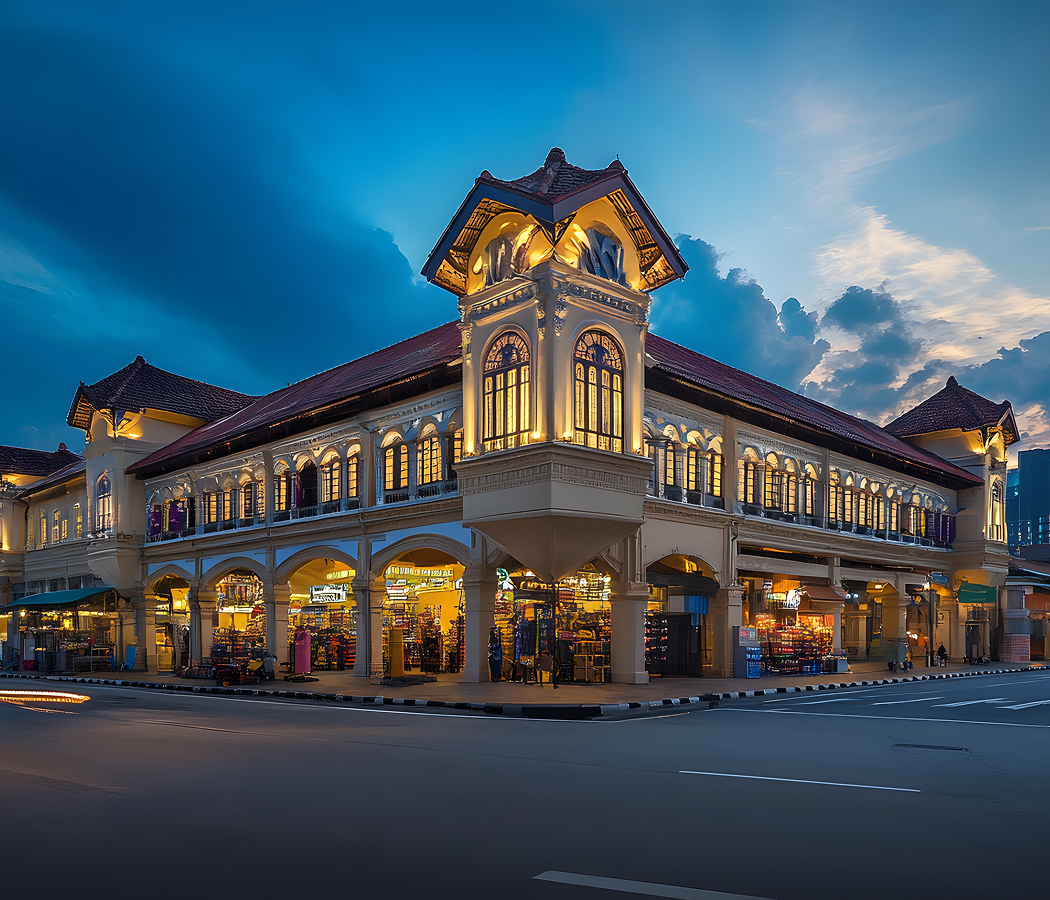
Petaling Street Market is best known for concentrating the commercial history of Kuala Lumpur's Chinese community within the historic urban core. Chinese miners and merchants became fundamental to the nineteenth-century development of Kuala Lumpur as tin extraction transformed the settlement into a regional economic center. Yap Ah Loy played an especially consequential role in rebuilding and organizing the town after conflict and destruction during the 1800s. Businesses, clan associations, temples, food stalls, medicine shops, and trading houses subsequently shaped the surrounding streets. Nearby Sri Mahamariamman Temple and Sin Sze Si Ya Temple reveal the remarkable religious density created by immigrant communities within the same district. Petaling Street preserves the mercantile energy and multicultural urban history from which modern Kuala Lumpur emerged.
Day 3: Akar
Akar is best known for chef Aidan Low's contemporary exploration of Malaysian ingredients through a deeply personal fine-dining format. Low draws on his Malaysian and Japanese heritage while grounding the restaurant in products sourced from local farms, fishermen, growers, and food producers. Tropical fruits, seafood, vegetables, herbs, rice, spices, fermentation, and regional flavors provide the material for compositions shaped by meticulous contemporary technique. The kitchen's Malaysian foundation emerges through ingredient relationships and recognizable flavors developed into increasingly intricate forms. Akar earned one MICHELIN star in the 2026 Kuala Lumpur selection, marking its ascent into the city's highest culinary tier. Its combination of Malaysian authorship, local sourcing, and technical ambition gives the itinerary a final dinner centered firmly on the country itself.
Where your story begins.
Foresyte Travel reveals places that feel extraordinary long before you arrive.
Enjoy editorial crafted for luxury travelers.
Foresyte may earn a commission when you book.