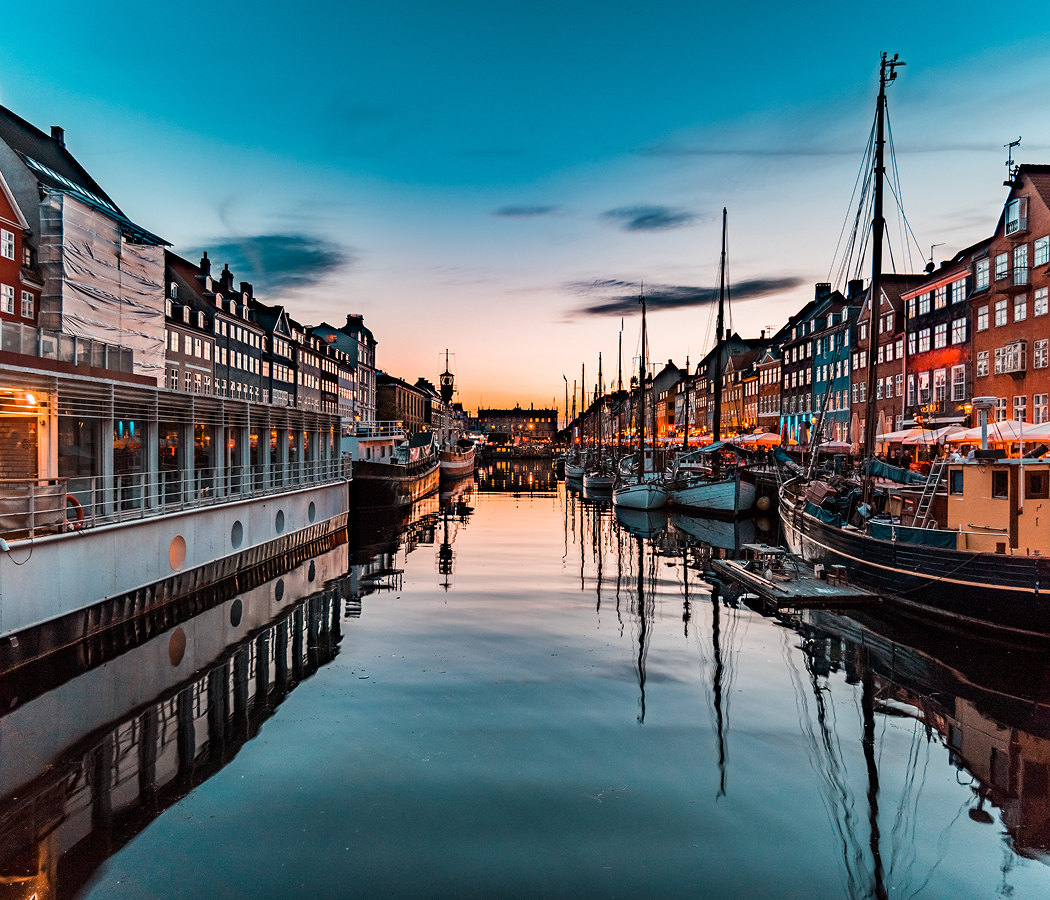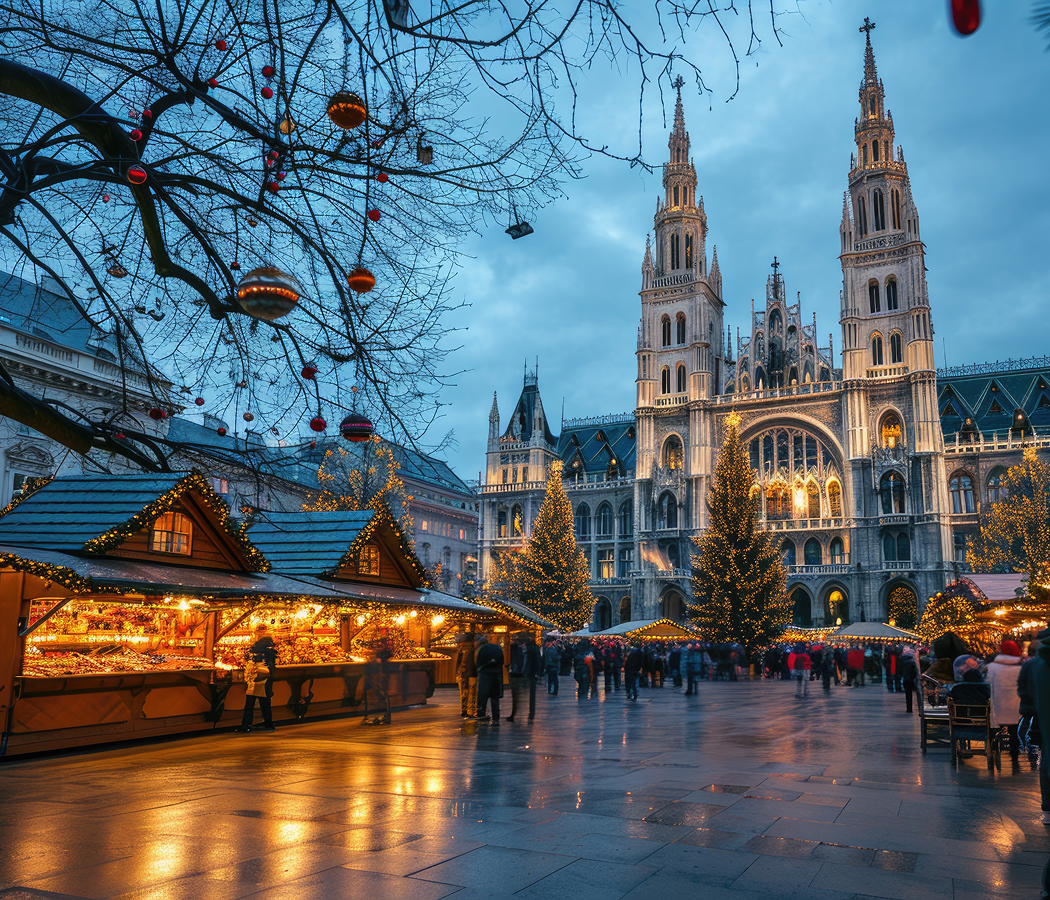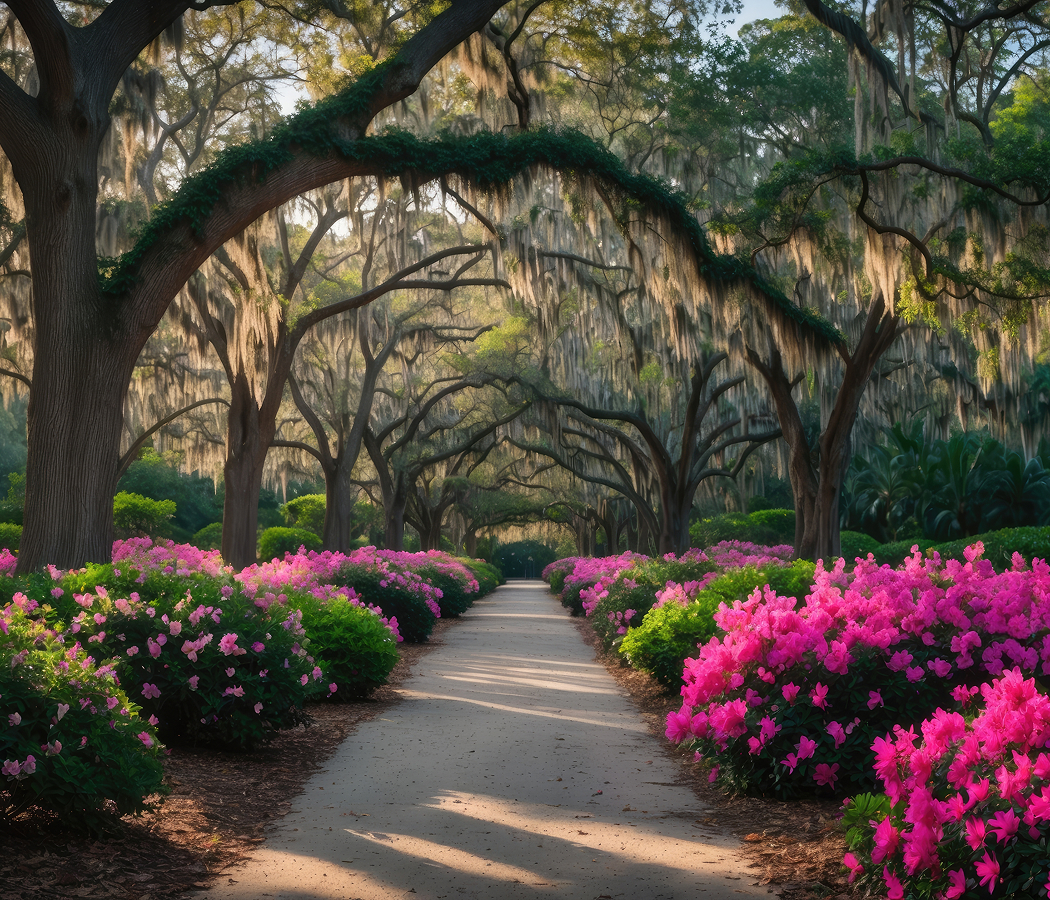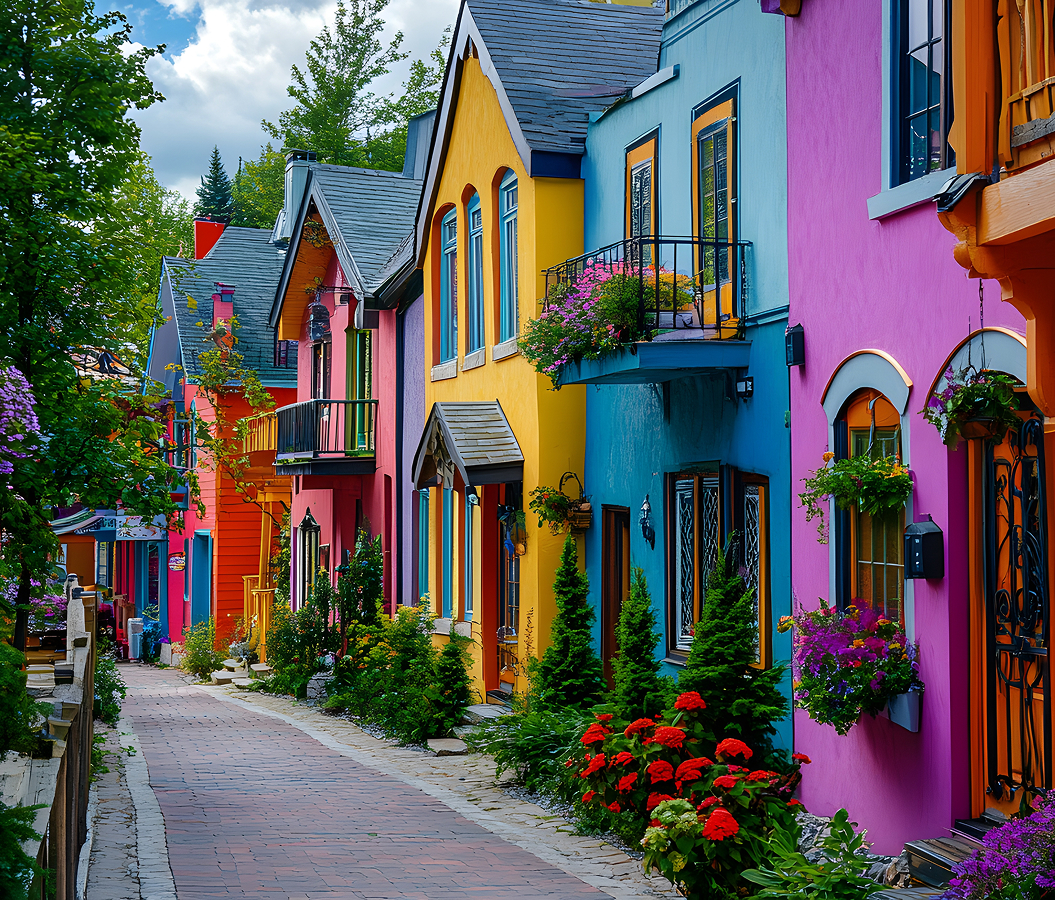
Perfect weekend in Iceland.
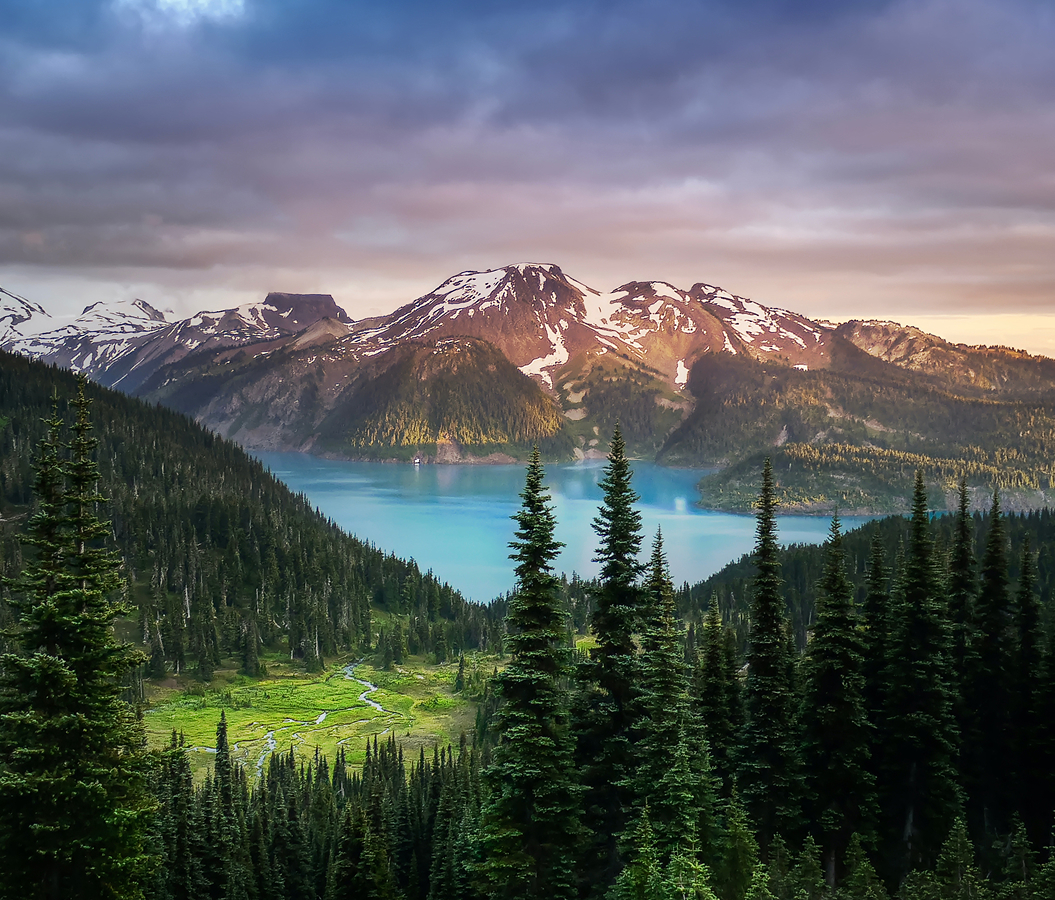
Iceland is a country where volcanic landscapes, thundering waterfalls, geothermal wonders, and dramatic coastlines create one of the world's most unforgettable natural destinations.
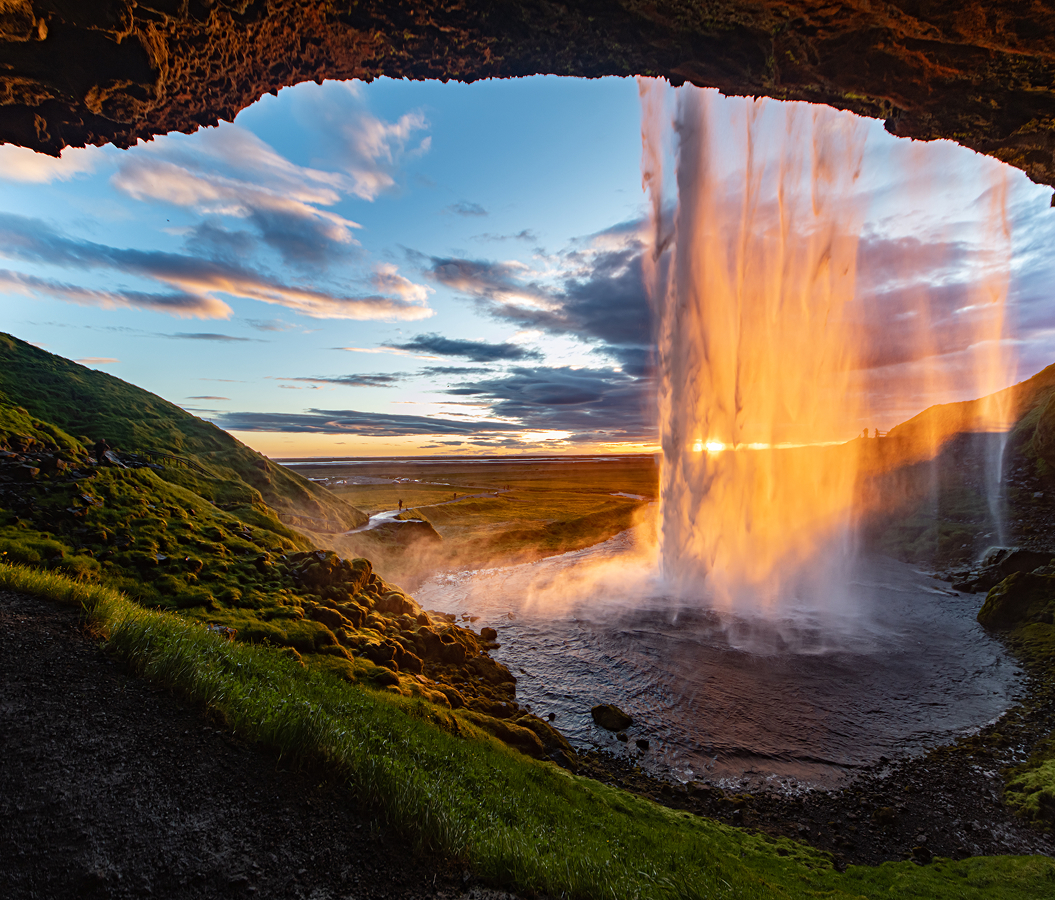
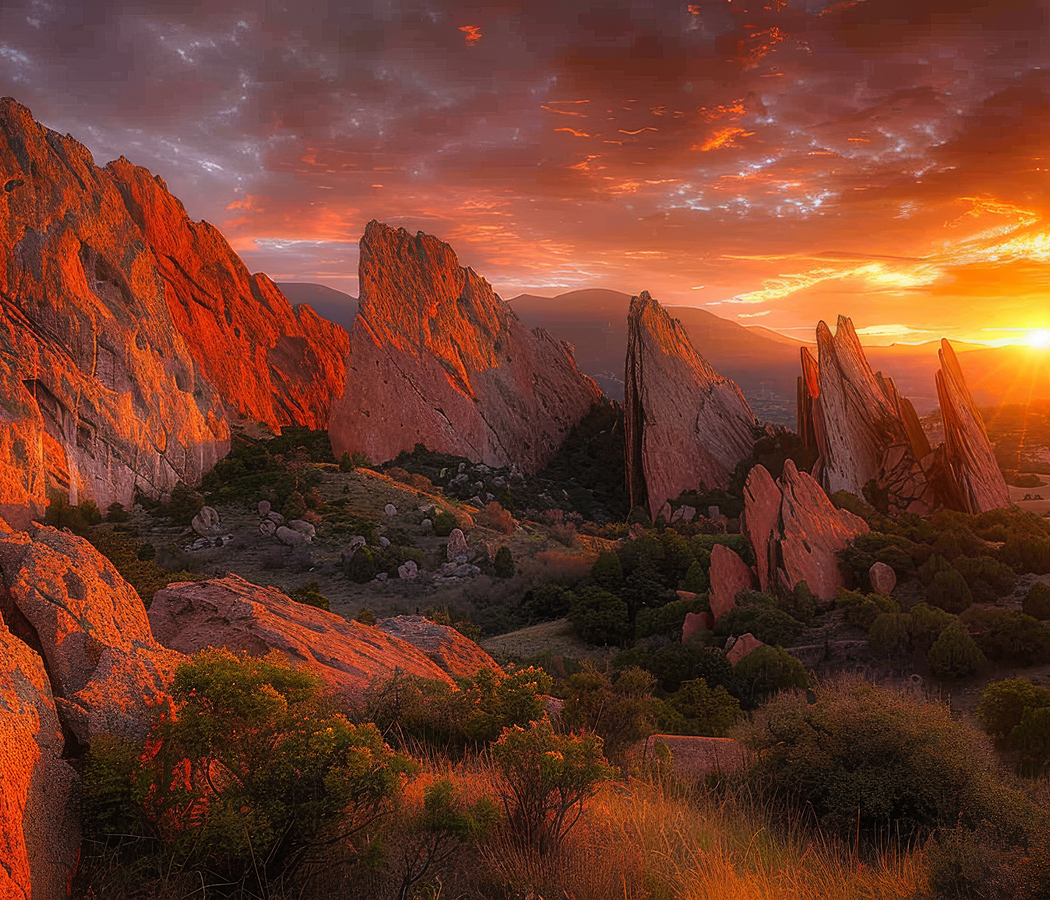
Begin the mornings exploring the geological wonders of Þingvellir National Park, where the North American and Eurasian tectonic plates meet amid lava fields, crystal-clear springs, and one of Iceland's most historically significant landscapes. Continue along the Golden Circle to the erupting geysers of the Geysir Geothermal Area before watching the powerful cascade of Gullfoss plunge into its rugged canyon. By late morning, Iceland's extraordinary scenery unfolds through the black sand shoreline of Reynisfjara Beach, the towering sea stacks rising from the Atlantic, the cascading waters of Seljalandsfoss and Skógafoss, and the glacier-capped peaks surrounding Vatnajökull National Park, where waterfalls, volcanic terrain, and ancient ice fields reveal another side of the island's remarkable geology. Spend afternoons soaking in the mineral-rich waters of the Blue Lagoon, exploring the ice caves and glacial lagoons of Jökulsárlón Glacier Lagoon, driving the dramatic coastline of the Snæfellsnes Peninsula, or spotting whales and seabirds from the harbor of Húsavík, where Iceland's wildlife becomes part of the landscape.
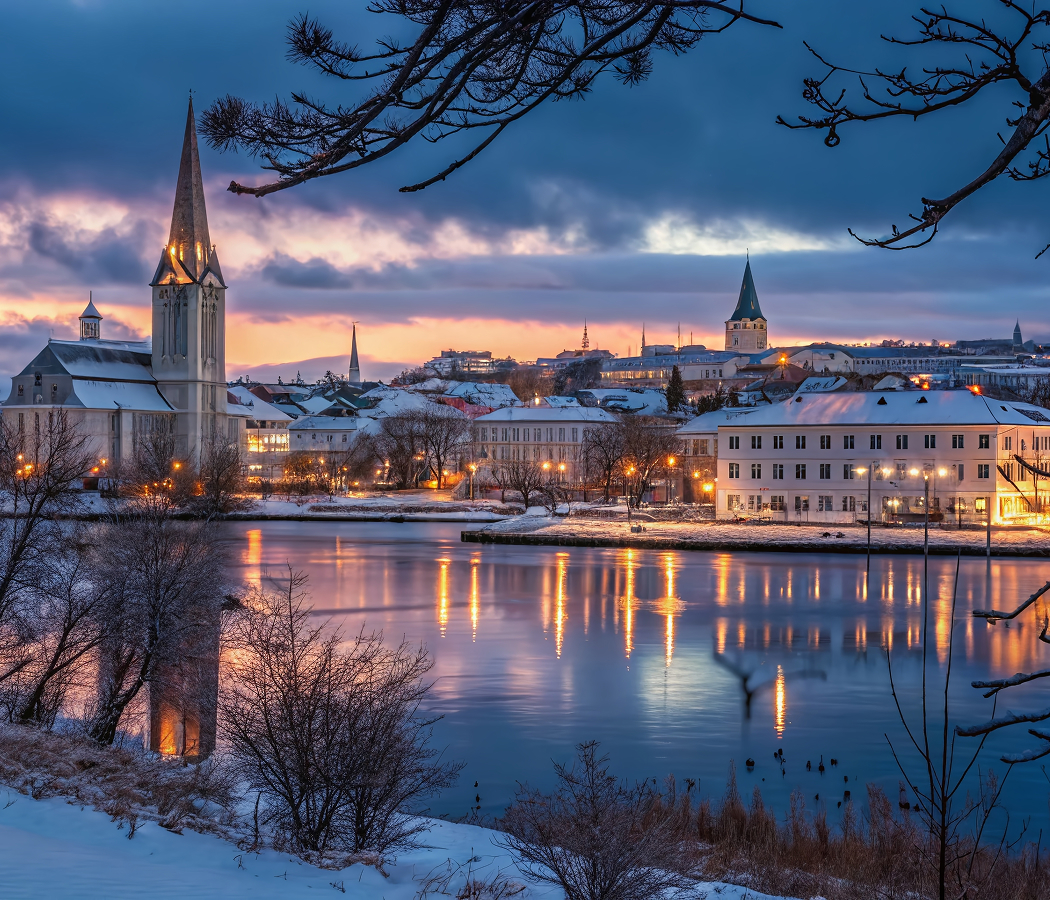
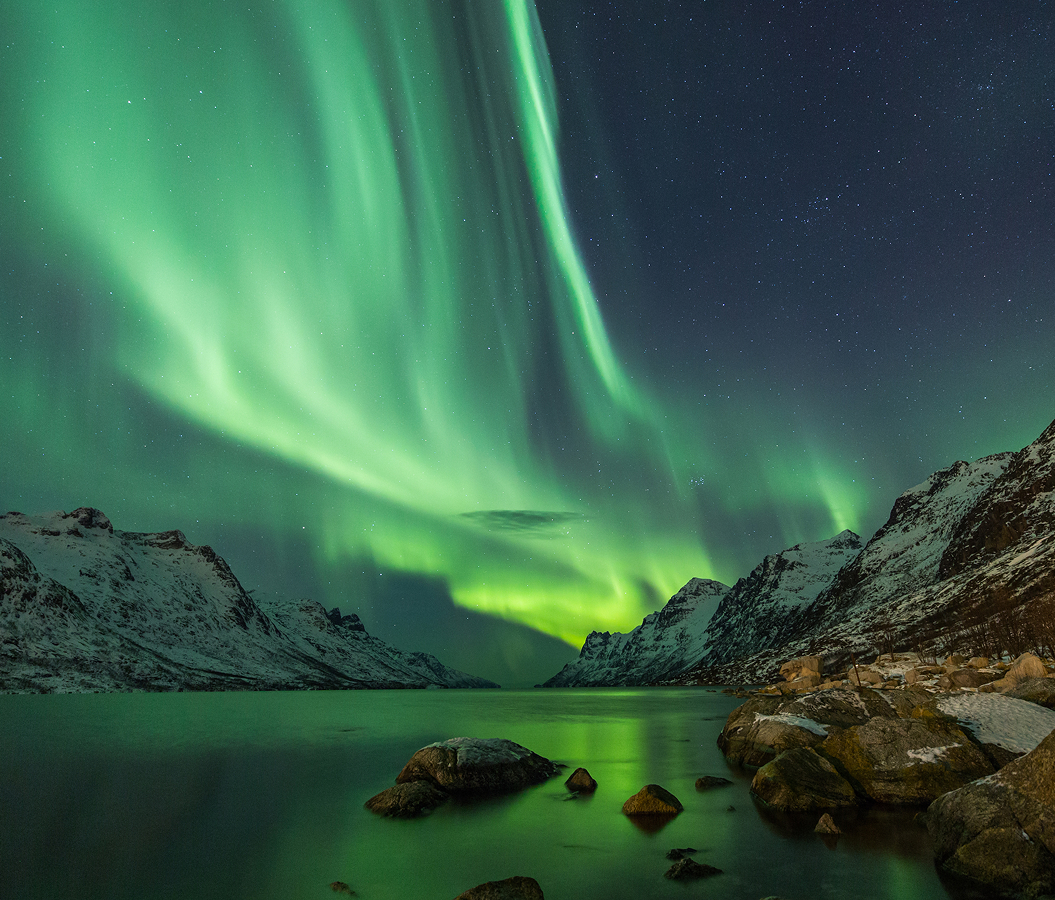
As evenings approach, Iceland settles into a quiet rhythm shaped by geothermal spas, coastal villages, and sweeping views that seem to stretch. Restaurants celebrate fresh seafood, Icelandic lamb, Arctic char, and locally sourced ingredients, while the colorful streets of Reykjavík fill with cafés, music venues, and welcoming bars beneath the lingering light of summer or the darkness of winter. After dark, the Northern Lights often dance across the sky beyond the city, while countless remote landscapes reveal some of the clearest stargazing in Europe. Between the geothermal beauty of the Blue Lagoon, the waterfalls of the Golden Circle, the glaciers of Vatnajökull National Park, and the volcanic coastlines stretching around the island, Iceland rewards every visit with another unforgettable encounter with nature on an extraordinary scale.
Three day itinerary.
Day 1: Harpa Concert Hall
Harpa Concert Hall is best known for giving Reykjavík a grand cultural building whose crystalline facade translates Icelandic basalt formations and shifting northern light into architecture. Henning Larsen Architects developed the building with Batteríið Architects, and artist Ólafur Elíasson conceived the geometric glass facade from modular structures derived from Icelandic geology. Construction began during Iceland's extraordinary financial expansion and survived the banking collapse of 2008, turning completion of the project into a symbol of Reykjavík's recovery. Harpa opened in 2011 as the home of the Iceland Symphony Orchestra and Icelandic Opera. Its principal hall, Eldborg, takes its name from a volcanic crater and uses faceted surfaces to shape acoustics and visual depth. The building transformed Reykjavík's former working waterfront into one of the city's principal architectural and cultural districts.
Day 1: Grillmarkaðurinn
Grillmarkaðurinn is best known for translating Icelandic ingredients through fire, grilling, smoke, and a theatrical downtown dining room. Chef Hrefna Rósa Sætran developed the restaurant with Jóhannes Steinn Jóhannesson, establishing a kitchen centered on Icelandic seafood, lamb, beef, vegetables, and products sourced from the country's farms and fisheries. Live fire gives the cooking its organizing mechanism, producing char, caramelization, and concentrated flavor across ingredients whose origins remain distinctly Icelandic. The interior extends that connection through stone, wood, moss, and other materials referencing the country's landscape. Grillmarkaðurinn lacks the MICHELIN distinction of Reykjavík's strongest tasting-menu restaurants, yet its identity, scale, and command of Icelandic products give it genuine destination value. Retained.
Day 2: Hallgrímskirkja
Hallgrímskirkja is best known for Guðjón Samúelsson's grand synthesis of Lutheran architecture and Iceland's volcanic landscape. Reykjavík's state architect designed the church with an ascending composition of concrete columns whose forms evoke the basalt formations created as lava cools and fractures. Construction began in 1945 and continued for decades, producing a tower that rises above the low urban fabric surrounding Skólavörðuholt. The church takes its name from Hallgrímur Pétursson, the seventeenth-century Icelandic poet and clergyman celebrated for the Passion Hymns. Johannes Klais Orgelbau constructed the immense pipe organ installed within the austere interior during the twentieth century. Einar Jónsson's statue of Leif Erikson stands before the church, connecting Iceland's modern national architecture with the Norse exploration of North America.
Day 2: Café Loki
Café Loki is best known for concentrating traditional Icelandic food beside Hallgrímskirkja in a setting devoted to the country's everyday culinary inheritance. Rye bread provides one of its strongest foundations, carrying forward Iceland's long relationship with a grain historically shaped by limited agricultural conditions and distinctive baking traditions. Lamb, fish, dairy, preserved foods, and preparations associated with domestic Icelandic cooking extend that focus across savory dishes. Rye-bread ice cream turns one of the country's foundational foods into the café's most recognizable contemporary preparation. The kitchen occupies a deliberately different register from Reykjavík's tasting-menu restaurants, making cultural specificity its principal strength. Café Loki earns retention through direct engagement with Icelandic food traditions and exceptional geographic logic beside Hallgrímskirkja.
Day 2: Golden Circle
Golden Circle is best known for concentrating three of Iceland's defining geological and historical environments into the country's most consequential inland route. Þingvellir occupies the exposed boundary between the North American and Eurasian tectonic plates and served as the meeting place of the Alþingi beginning in 930. The Geysir geothermal area gave the international style of erupting hot springs the word “geyser,” derived from the Great Geysir whose documented activity shaped scientific understanding of geothermal phenomena. Nearby Strokkur repeatedly sends columns of heated water above the surrounding geothermal field. Gullfoss carries the Hvítá River through a dramatic two-stage descent into a narrow canyon carved through layered rock. The route compresses parliamentary history, continental rifting, geothermal activity, glacial hydrology, and Iceland's extraordinary volcanic geology into a single regional landscape.
Day 2: DILL
DILL is best known for Gunnar Karl Gíslason's contemporary interpretation of Icelandic ingredients through preservation, fermentation, smoking, curing, and an unusually disciplined relationship with the country's natural environment. Gíslason founded DILL during the emergence of a modern Icelandic cuisine that treated local products and inherited techniques as foundations for ambitious restaurant cooking. Fish, shellfish, vegetables, grains, seaweeds, wild ingredients, dairy, and carefully sourced meat move through preparations built around seasonality and resourcefulness. The kitchen extends traditional preservation logic into misos, seasonings, ferments, and other modern applications while pursuing extensive use of each ingredient. DILL holds one MICHELIN star in the 2026 Nordic guide, placing it among only three starred restaurants in Iceland and preserving its status as a foundational institution of modern Icelandic gastronomy.
Day 3: Brauð & Co
Brauð & Co is best known for making naturally fermented bread and laminated pastry a defining part of Reykjavík's contemporary bakery culture. The bakery emerged from a compact operation on Frakkastígur and is best known for sourdough loaves, croissants, and intensely aromatic cinnamon rolls produced in open working spaces. Long fermentation gives its breads structure and depth, connecting modern artisan baking with the elemental importance of grain in a country whose historic food culture developed under severe agricultural constraints. The bakery's cinnamon rolls became particularly associated with its character through laminated dough, spice, sugar, and deeply caramelized edges. Brauð & Co gives the morning position a focused expression of Reykjavík's modern food culture at a scale fundamentally different from the tasting menus elsewhere in the itinerary.
Day 3: Blue Lagoon
Blue Lagoon is best known for transforming geothermal seawater produced by the Reykjanes Peninsula's energy infrastructure into Iceland's most internationally recognized bathing environment. The lagoon developed beside the Svartsengi geothermal power station, where mineral-rich water brought from deep underground entered the surrounding lava field after passing through the energy system. Bathers began using the resulting pools during the 1980s, and the site subsequently developed into a purpose-built geothermal spa. Silica suspended in the water produces its distinctive pale blue appearance and accumulates along the dark volcanic terrain surrounding the pools. The setting lies within a geologically young landscape repeatedly shaped by volcanic and geothermal processes. Blue Lagoon joins Iceland's renewable-energy engineering, mineral geology, bathing culture, and Reykjanes volcanism within a single constructed landscape.
Day 3: Fish Company
Fish Company is best known for building an ambitious seafood restaurant around Iceland's extraordinary relationship with the North Atlantic. Chef-driven preparations place cod, salmon, shellfish, and other marine products within compositions drawing on Icelandic ingredients and international culinary techniques. The restaurant occupies the historic Zimsen building, whose nineteenth-century origins connect the dining room with Reykjavík's development as a trading and maritime settlement. Iceland's fisheries shaped national employment, exports, settlement patterns, and political sovereignty across generations, giving seafood unusual cultural weight within the country's cuisine. Fiskfélagið translates that maritime inheritance into polished contemporary restaurant cooking. Its longevity and subject matter give the restaurant substantial Reykjavík relevance, although the city's fine-dining ceiling now rises higher.
Day 3: Northern Lights
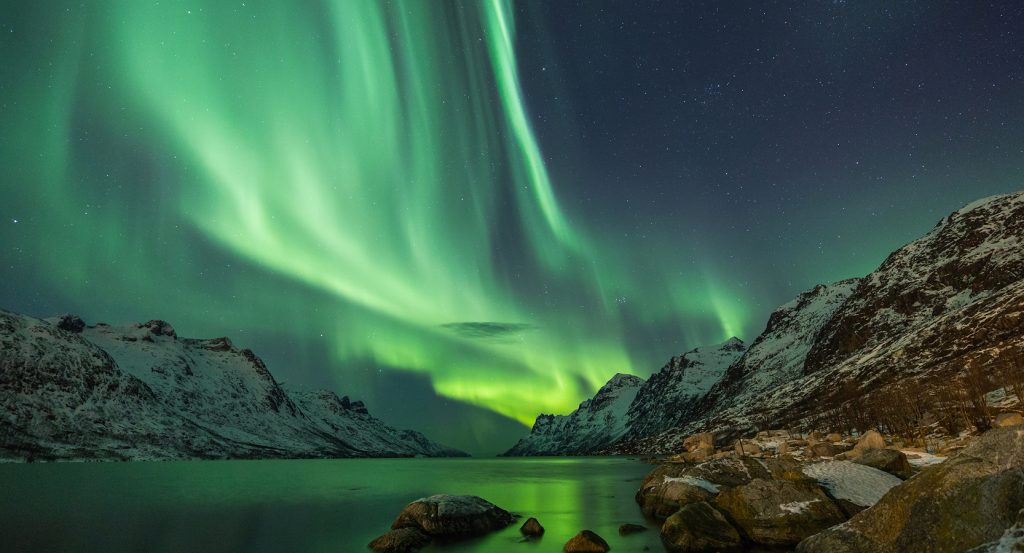
Northern Lights is best known for the aurora borealis, produced when charged particles carried by the solar wind interact with Earth's magnetosphere and upper atmosphere. Iceland lies beneath the auroral oval surrounding the geomagnetic pole, giving dark skies across the island frequent exposure to the phenomenon during the autumn and winter season. Oxygen produces the familiar green emission under common auroral conditions, with red appearing at greater altitudes; molecular nitrogen contributes blue and purple tones. Solar activity, cloud cover, darkness, and geomagnetic conditions determine visibility on any individual night. Curtains, arcs, rays, and rapidly changing bands emerge as energetic particles follow magnetic field lines into the atmosphere. Iceland's combination of high latitude and extensive landscapes beyond concentrated artificial light makes the aurora one of the country's defining natural phenomena.
Where your story begins.
Foresyte Travel reveals places that feel extraordinary long before you arrive.
Enjoy editorial crafted for luxury travelers.
Foresyte may earn a commission when you book.