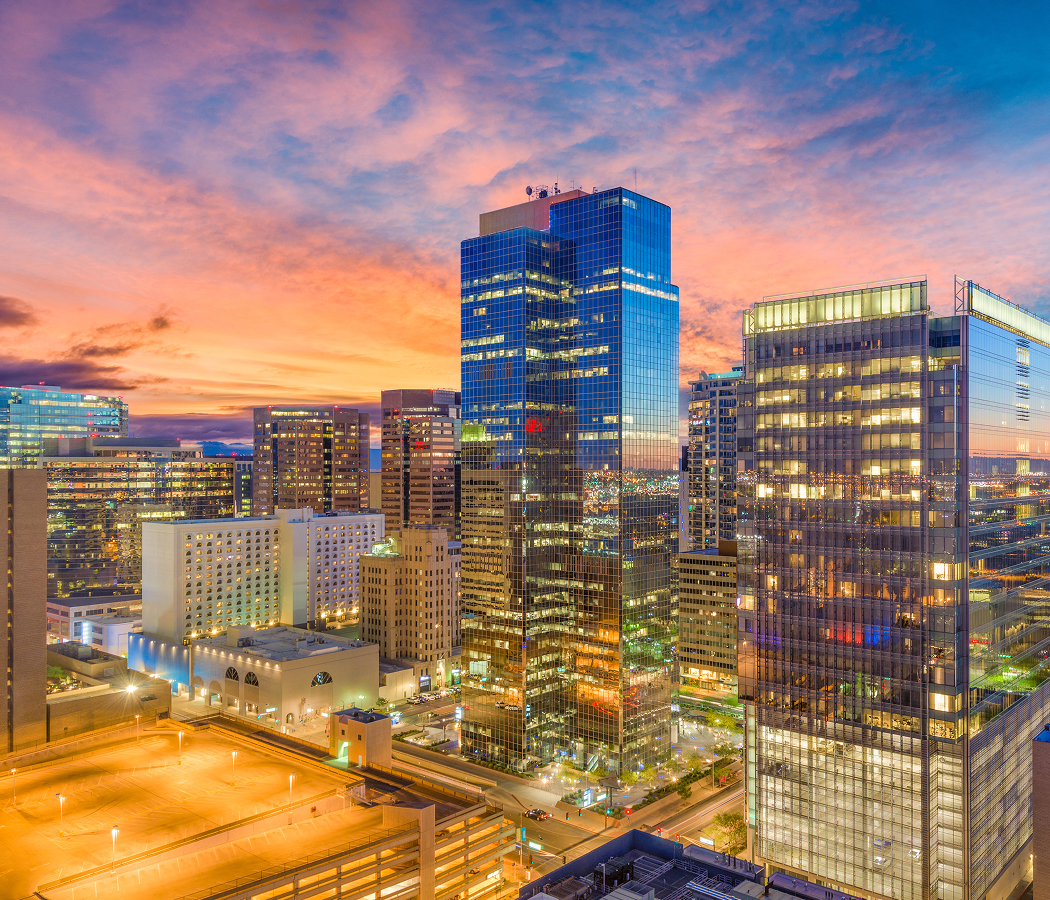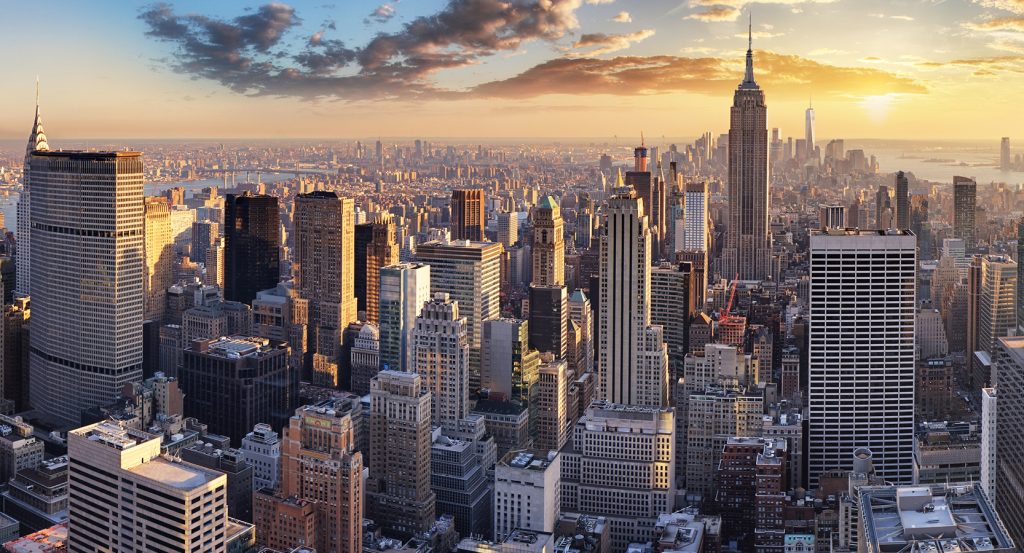
Perfect weekend in New York, NY.
New York City is a place where world-famous landmarks, celebrated museums, diverse neighborhoods, acclaimed restaurants, and unmistakable energy come together to create one of the world's great urban experiences.
Begin the mornings beneath the towering skyline of Central Park, where quiet pathways, lakes, and tree-lined promenades offer a peaceful start before the city reaches full speed. Continue along 5th Avenue toward Rockefeller Center, admire the collections of The Metropolitan Museum of Art or the Museum of Modern Art, or wander the historic streets of the Upper West Side and Upper East Side, where neighborhood cafés and brownstones reveal a more intimate side of Manhattan. By late morning, New York begins unfolding through its remarkable diversity. Browse the boutiques of SoHo, discover the galleries of Chelsea, follow the elevated gardens of the High Line, explore the markets and restaurants of Chelsea Market, or pause beneath the soaring architecture of Grand Central Terminal, where one of the world's busiest transportation hubs continues to define the city's rhythm. Spend afternoons exploring the neighborhoods of Greenwich Village, West Village, and Tribeca, walking across the Brooklyn Bridge, discovering the waterfront parks of DUMBO, or taking in panoramic skyline views from the Empire State Building, One World Observatory, or SUMMIT One Vanderbilt.
As evenings approach, New York transforms once again. The marquees of Broadway illuminate the Theater District, destination restaurants welcome diners throughout NoMad, Flatiron District, and the Lower East Side, while rooftop lounges reveal sweeping views across the skyline from every direction. After dark, the lights of Times Square, the jazz clubs of Harlem, the cocktail bars of the East Village, and the waterfront promenades of Brooklyn Bridge Park each present another distinct side of the city long after sunset. Between the cultural institutions lining Museum Mile, the unmistakable skyline of Midtown, the creative energy of Downtown Manhattan, and the ever-evolving neighborhoods stretching across all five boroughs, New York City rewards every visit with another entirely different story waiting around the next corner.
Three day itinerary.
Day 1: Central Park
Central Park is best known for transforming 843 acres of Manhattan into the foundational American experiment in large-scale urban landscape design. New York authorized the park in 1853 as the city expanded rapidly northward, and the project displaced 1,600 residents, including the predominantly Black property-owning community of Seneca Village. Frederick Law Olmsted and Calvert Vaux defeated 32 competing proposals with their Greensward Plan in 1858. Their design concealed transverse roads below the landscape, separated different forms of circulation, and constructed an idealized countryside from rocky and marshy terrain. The park subsequently became a model for public landscapes across the United States, establishing Olmsted and Vaux as defining figures in American landscape architecture.
Day 1: The Modern
The Modern is best known for joining Danny Meyer's hospitality model with the Museum of Modern Art's institutional setting. Union Square Hospitality Group opened the restaurant at MoMA in 2005, placing its principal dining room directly against the Abby Aldrich Rockefeller Sculpture Garden. Bentel & Bentel designed the restaurant around that relationship, giving the garden a defining role in the room itself. The restaurant accumulated four James Beard Awards and two MICHELIN stars as it developed into one of Midtown's most consequential museum restaurants. Executive chef Thomas Allan leads a contemporary American kitchen built around seasonality and tightly structured preparations, extending the restaurant's connection to MoMA through culinary precision and visual composition.
Day 2: Statue of Liberty
The Statue of Liberty is best known for turning a French republican gift into one of the defining physical symbols of the United States. Frédéric Auguste Bartholdi developed the colossal copper figure, and Alexandre-Gustave Eiffel engineered the internal iron structure that allowed its skin to withstand New York Harbor winds. Richard Morris Hunt designed the grand granite pedestal on Bedloe's Island. A funding crisis threatened the American portion of the project until Joseph Pulitzer mobilized more than 120,000 contributors and raised over $100,000. The completed statue was dedicated in 1886, placing an immense work of French sculpture and engineering at the maritime entrance through which millions of immigrants subsequently approached New York.
Day 2: Manhatta
Manhatta is best known for translating Danny Meyer's New York hospitality lineage into a dining room sixty floors above Lower Manhattan. Union Square Hospitality Group opened the restaurant in 2018 inside 28 Liberty Street, the former One Chase Manhattan Plaza conceived during David Rockefeller's transformation of the Financial District. The tower's elevation places the harbor, surrounding waterways, and Manhattan skyline directly within the dining room's architectural composition. Executive chef Michele Brogioni leads the kitchen, extending a restaurant whose significance comes from the intersection of contemporary cooking and one of Lower Manhattan's defining corporate towers. Its location also makes Manhatta an unusually coherent continuation from the Statue of Liberty.
Day 2: Empire State Building
The Empire State Building is best known for compressing the ambition of New York's skyscraper race into one of the most consequential construction projects of the twentieth century. John J. Raskob and former governor Al Smith assembled the Empire State Corporation after acquiring the former Waldorf-Astoria site in 1929. Shreve, Lamb & Harmon developed the Art Deco tower as its proposed height escalated during competition for global skyscraper supremacy. The project moved from initial architectural work to completion within 21 months, meeting an extraordinary construction schedule during the opening phase of the Great Depression. Its 1931 completion gave New York the world's tallest building and transformed the stepped skyscraper into an enduring expression of Manhattan's vertical development.
Day 2: Gramercy Tavern
Gramercy Tavern is best known for establishing one of Danny Meyer's most durable contributions to modern American restaurant culture. Meyer opened the restaurant with chef Tom Colicchio in 1994 inside a historic building north of Union Square, creating complementary tavern and formal dining rooms under one roof. Bentel & Bentel developed the interior during the architecture firm's first hospitality commission. Michael Anthony assumed culinary leadership in 2006 and subsequently became a partner, carrying the restaurant into a second major era. Nine James Beard Awards, including Outstanding Restaurant and Outstanding Chef in America, placed Gramercy Tavern among the most decorated institutions produced by New York's late twentieth-century restaurant renaissance.
Day 3: Pastis
Pastis is best known for helping transform Manhattan's Meatpacking District into a major dining and social district at the turn of the twenty-first century. Keith McNally encountered the neighborhood's unusual 9th Avenue and Little West 12th Street intersection and opened the original French brasserie there in 1999. Its arrival preceded the luxury redevelopment that subsequently reshaped the surrounding former meatpacking blocks, and the restaurant became one of the district's defining social institutions. The original closed in 2014 amid redevelopment of its site. McNally and restaurateur Stephen Starr revived Pastis nearby in 2019, returning its French café tradition to the neighborhood it had helped propel into international prominence.
Day 3: High Line
The High Line is best known for converting an obsolete industrial railway into one of the most influential urban reuse projects of the twenty-first century. The elevated freight line opened in 1934 to move goods directly through Manhattan's West Side industrial buildings and remove dangerous rail traffic from street level. Declining freight use eventually left the structure abandoned, setting up a preservation campaign that rejected demolition. James Corner Field Operations and Diller Scofidio + Renfro won the transformation commission in 2004 and developed a landscape that preserved the railway's industrial character within a new linear park. The first section opened in 2009, accelerating the architectural and economic transformation of Chelsea and the Meatpacking District.
Day 3: Chelsea Market
Chelsea Market is best known for occupying the industrial complex where some of America's most consequential commercial baking operations developed. The former National Biscuit Company assembled its West Chelsea manufacturing presence across interconnected nineteenth- and early twentieth-century buildings, creating the industrial setting associated with Nabisco and the early production history of the Oreo. Food manufacturing eventually gave way to adaptive reuse as the complex became Chelsea Market, preserving substantial traces of its brick, steel, and factory architecture. The building subsequently became part of the larger transformation of West Chelsea from manufacturing district into a dense concentration of food, technology, architecture, and public space, with the High Line passing directly through the complex.
Day 3: Don Angie
Don Angie is best known for giving Italian-American cooking one of its most influential contemporary New York expressions. Married chefs Angie Rito and Scott Tacinelli opened the Greenwich Avenue restaurant in 2017 after developing their partnership through earlier New York kitchens. Rito's culinary foundation reaches back to her Italian-American family and her grandfather's Cleveland bakery, connecting the restaurant's cooking to a multigenerational food tradition. The couple rebuilt familiar Italian-American forms through techniques and ingredients drawn from a broader New York culinary environment, producing a restaurant whose demand rapidly exceeded its diminutive West Village footprint. MICHELIN recognition followed, and the pair expanded their Greenwich Avenue presence with seafood-focused San Sabino in 2024.
Where your story begins.
Foresyte Travel reveals places that feel extraordinary long before you arrive.
Enjoy editorial crafted for luxury travelers.
Foresyte may earn a commission when you book.