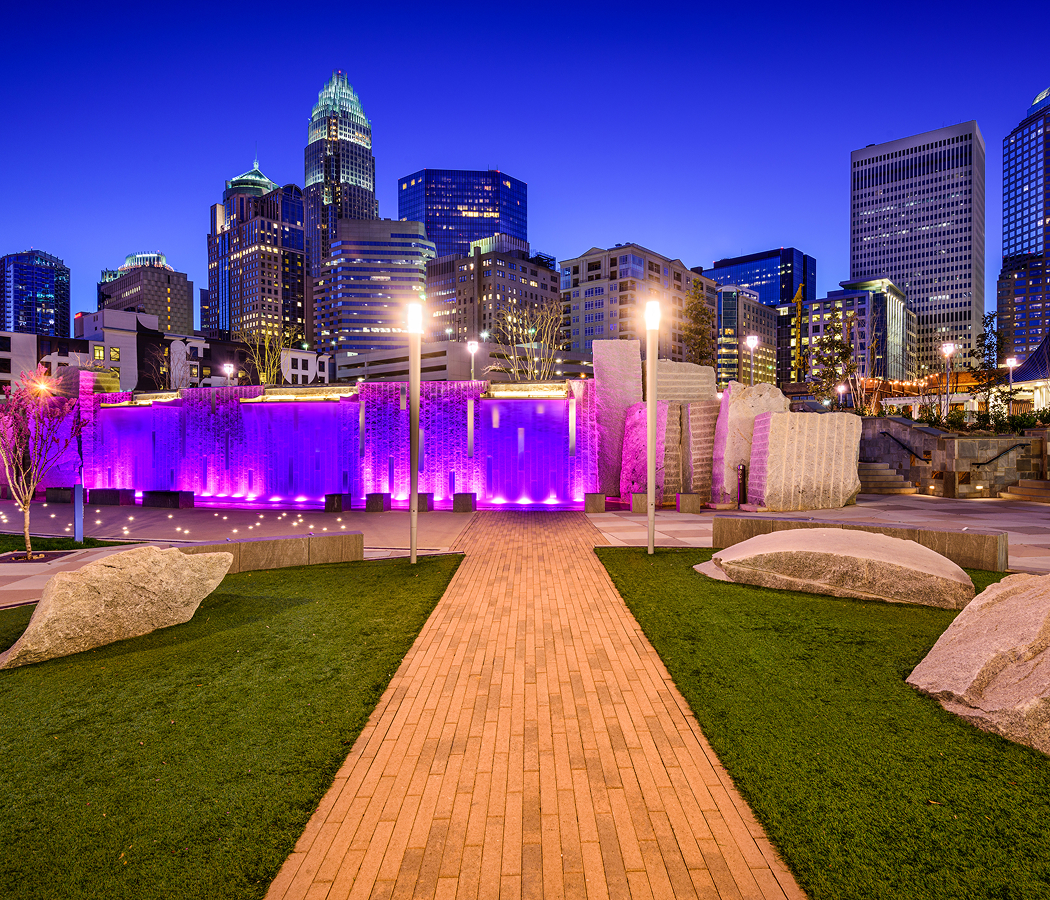
Perfect weekend in Colorado.
Aspen's transformation from a nineteenth-century silver-mining settlement into an internationally celebrated mountain destination unfolded through the Colorado Silver Boom, industrial decline, alpine recreation, and the development of influential artistic and intellectual institutions. Situated in the Upper Roaring Fork Valley of the Central Rocky Mountains, the city stands at an elevation of 7,900 feet, surrounded by the Elk Mountains and the White River National Forest. The surrounding territory formed part of the ancestral homelands of the Ute people, whose communities maintained extensive relationships with the region's mountain valleys, rivers, wildlife, and seasonal travel routes. European American prospectors entered the Upper Roaring Fork Valley during the late 1870s, establishing a mining settlement initially called Ute City before adopting the name Aspen in 1880. Rich silver deposits attracted thousands of miners, merchants, and entrepreneurs, transforming the isolated mountain community into one of Colorado's most prosperous mining centers. The completion of railroad connections during the late 1880s accelerated ore transportation and commercial expansion, supporting the construction of substantial hotels, banks, theaters, and civic institutions. Aspen's mining economy suffered a devastating contraction following the repeal of the Sherman Silver Purchase Act in 1893, initiating decades of population decline and reduced industrial activity. The community's revival began during the 1930s and 1940s as winter sports enthusiasts recognized the surrounding mountains' potential for organized alpine skiing. Industrialist Walter Paepcke and his wife Elizabeth subsequently advanced a broader vision for Aspen as a center of recreation, intellectual exchange, and artistic achievement. Their efforts contributed to the establishment of the Aspen Institute in 1949 and the development of institutions that connected the former mining town with internationally prominent scholars, musicians, and cultural figures. Aspen's subsequent expansion as a four-season resort established a distinctive relationship between its Victorian mining history, mountain environment, and commitment to the arts.
American intellectual and artistic traditions acquired an influential mountain setting in Aspen during the mid-twentieth century, when philanthropists, composers, architects, and educators established institutions that transformed the former mining community into a center of international cultural exchange. The Aspen Music Festival and School originated in 1949, developing into a distinguished institution for classical performance and advanced musical education. Its summer programs attracted prominent conductors, composers, and instrumentalists, including Igor Stravinsky, whose association with Aspen contributed to the town's growing importance within American musical life. The Aspen Institute developed through Walter Paepcke's interest in humanistic education and international discussion, hosting scholars, political leaders, and business figures through programs devoted to philosophy, public affairs, and leadership. Architect Herbert Bayer, associated with the Bauhaus movement, contributed substantially to Aspen's visual character through modernist buildings, landscape design, and graphic projects connected to these institutions. The Aspen Center for Physics, established in 1962, subsequently attracted distinguished theoretical physicists for collaborative research in the mountain environment. Aspen's performing arts traditions expanded through organizations including Theatre Aspen and the Aspen Santa Fe Ballet, contributing to the development of professional theater and contemporary dance within the Roaring Fork Valley. The surrounding region's culinary traditions draw upon Colorado ranching, high-altitude agriculture, mountain fisheries, and the influence of European alpine cooking. Regional ingredients include grass-fed beef, lamb, trout, seasonal mushrooms, root vegetables, and produce cultivated throughout western Colorado. The state's agricultural communities contribute artisanal cheeses, orchard fruits, and specialty crops that support contemporary mountain cuisine. Aspen's dining establishments have developed these foundations through French, Italian, Japanese, and modern American techniques, creating a restaurant culture closely associated with the town's international visitors and longstanding hospitality traditions. A weekend in Aspen connects Colorado's silver-mining past with alpine recreation, modernist design, classical music, and the culinary traditions of the American Rocky Mountains.
Three day itinerary.
Day 1: Aspen Mountain Ski Resort
Aspen Mountain Ski Resort is best known for its steep, technically demanding ski terrain and its central role in transforming a former Colorado mining settlement into one of the world's most celebrated alpine destinations. Rising directly above Downtown Aspen, the mountain reaches an elevation of 11,212 feet and forms part of the Elk Mountains within the Colorado Rockies. The Aspen Skiing Corporation began developing the mountain during the 1940s, introducing lift infrastructure that helped establish the town as an international winter sports destination. The original Lift 1 opened in 1947, marking a decisive moment in Aspen's transition from a declining silver-mining community to a major ski resort. The mountain hosted the 1950 FIS Alpine World Ski Championships, bringing international recognition to American competitive skiing. Its terrain encompasses steep groomed runs, challenging mogul fields, and demanding glades descending toward the historic town center. The Silver Queen Gondola connects Downtown Aspen with the summit, establishing one of North America's most distinctive relationships between an established mountain town and its principal ski area. Aspen Mountain represents a defining achievement in American alpine recreation through its competitive skiing heritage, challenging terrain, and extraordinary integration with Downtown Aspen.
Day 1: Matsuhisa
Matsuhisa is best known for chef Nobu Matsuhisa's influential interpretation of Japanese cuisine through techniques and ingredients associated with his international culinary career. Matsuhisa developed his distinctive cooking style through experiences in Japan, Peru, Argentina, and the United States, combining traditional Japanese methods with Latin American ingredients and contemporary presentations. His signature preparations include black cod with miso, yellowtail with jalapeño, and refined seafood dishes that reflect the fusion of Japanese culinary discipline with international flavor combinations. The Aspen restaurant occupies a historic Victorian building, connecting the chef's globally influential culinary character with the architectural character of the former mining town. Its menu emphasizes premium seafood, precise knife work, carefully balanced sauces, and the distinctive blend of acidity, spice, and umami. Matsuhisa's international restaurant group helped establish Japanese-Peruvian cuisine as a major influence within contemporary global gastronomy. Matsuhisa Aspen represents an important expression of Aspen's international luxury dining culture through its connection with one of the world's most influential contemporary chefs.
Day 2: Maroon Bells
Maroon Bells are best known for its extraordinary twin mountain summits reflected in the waters of Maroon Lake, creating one of the most celebrated alpine landscapes in the American Rocky Mountains. Maroon Peak rises to 14,163 feet, and North Maroon Peak reaches 14,019 feet, establishing a dramatic pair of summits within the Elk Mountains southwest of Aspen. The mountains derive their distinctive reddish coloration from iron-rich sedimentary rock associated with the Maroon Formation, whose geological history extends to the late Paleozoic era. Their steep slopes and fractured rock formations reflect the powerful geological processes that shaped the Central Colorado Rockies. Maroon Lake occupies a glacially influenced mountain basin surrounded by extensive aspen forests, alpine meadows, and rugged mountain terrain. Seasonal changes transform the surrounding landscape through spring snowmelt, summer wildflowers, and the celebrated golden foliage of autumn. The Maroon Bells-Snowmass Wilderness protects the surrounding mountain ecosystem, preserving extensive habitats and some of Colorado's most significant high-elevation landscapes. Maroon Bells represents an extraordinary synthesis of Rocky Mountain geology, alpine ecology, and protected wilderness.
Day 2: White House Tavern
White House Tavern is best known for its refined interpretation of American tavern cuisine within one of Aspen's oldest surviving buildings. The historic white clapboard structure dates to the late nineteenth century, preserving the architectural character of the town's silver-mining era. The restaurant developed a contemporary culinary character centered on carefully prepared sandwiches, premium meats, fresh salads, and classic American comfort food. Its celebrated crispy chicken sandwich reflects a menu focused on familiar preparations executed through high-quality ingredients and precise technique. The intimate dining room retains the proportions and character of the historic building, creating a distinctive relationship between Aspen's architectural heritage and contemporary hospitality. White House Tavern represents an established expression of Aspen's independent casual dining culture through its combination of historic preservation, ingredient-driven cooking, and refined American tavern traditions.
Day 2: Aspen Art Museum
Aspen Art Museum is best known for its ambitious contemporary art program and its extraordinary architectural setting designed by Japanese architect Shigeru Ban. Founded in 1979, the institution developed into a significant center for contemporary art through exhibitions devoted to internationally influential artists and emerging creative movements. Its present building opened in 2014, introducing a distinctive woven wooden screen that wraps the exterior and establishes a sophisticated relationship between architectural structure, natural materials, and the surrounding mountain environment. Ban's design incorporates expansive galleries, carefully controlled natural light, and an elevated rooftop terrace overlooking Aspen's alpine landscape. The museum operates as a noncollecting institution, concentrating its resources on temporary exhibitions, commissions, and public programs. Its exhibitions explore contemporary painting, sculpture, installation, photography, and experimental artistic practices. Aspen Art Museum represents a significant cultural institution through its combination of internationally recognized architecture and ambitious contemporary artistic programming.
Day 2: Element 47
Element 47 is best known for its sophisticated interpretation of contemporary American cuisine within The Little Nell, Aspen's celebrated luxury hotel at the base of Aspen Mountain. The restaurant takes its name from silver's position as element 47 on the periodic table, connecting its culinary character with the mining industry that shaped Aspen's nineteenth-century development. Its kitchen emphasizes seasonal ingredients, premium meats, seafood, and carefully composed preparations informed by classical European technique and contemporary American gastronomy. The restaurant's culinary program incorporates produce and ingredients associated with Colorado's agricultural regions, establishing a relationship between alpine hospitality and the broader food traditions of the Rocky Mountain West. Element 47 is particularly distinguished by its extensive wine collection, which has received significant recognition for its depth and international scope. The restaurant represents a defining institution in Aspen's luxury dining culture through its combination of regional ingredients, refined technique, and one of the mountain resort industry's most celebrated wine programs.
Day 3: Poppycocks Cafe
Poppycocks Cafe is best known for its longstanding role in Aspen's breakfast and brunch culture through a menu centered on traditional American morning dishes and carefully prepared comfort food. Established in 1971, the restaurant became an enduring institution within the town's central commercial district during Aspen's expansion as an international mountain destination. Its culinary program emphasizes pancakes, eggs, omelets, breakfast meats, and other familiar preparations associated with American diner traditions. The restaurant's celebrated oatmeal buttermilk pancakes became a defining specialty, reflecting its concentration on substantial breakfast cooking and established recipes. Poppycock's occupies an important position within Aspen's independent restaurant history through its continuity across successive generations of the town's development. The restaurant represents a distinctive expression of Aspen's casual dining heritage through its traditional breakfast preparations and longstanding relationship with the mountain community.
Day 3: Independence Pass
Independence Pass is best known for its extraordinary high-alpine scenery and its historic mountain crossing along the Continental Divide east of Aspen. Reaching an elevation of 12,095 feet, the pass connects the Upper Roaring Fork Valley with the Arkansas River watershed through one of Colorado's most dramatic mountain highways. The route developed from earlier Indigenous travel corridors and nineteenth-century transportation networks associated with the expansion of mining settlements across the Central Rockies. Its modern roadway traverses steep mountain slopes, exposed rock formations, alpine tundra, and extensive conifer forests, revealing the dramatic environmental transitions associated with high-elevation terrain. The summit occupies a landscape shaped by glaciation, severe winter conditions, and the distinctive ecological communities of the Southern Rocky Mountains. Nearby historic mining settlements preserve the relationship between the pass and Colorado's nineteenth-century mineral exploration. Independence Pass represents one of the state's most significant mountain crossings through its combination of transportation history, alpine geology, and extraordinary Rocky Mountain scenery.
Day 3: Ashcroft Ghost Town
Ashcroft Ghost Town is best known for preserving the remains of a nineteenth-century silver-mining settlement within the striking alpine landscape of Castle Creek Valley. Founded during Colorado's mining boom in the early 1880s, Ashcroft developed rapidly following discoveries of silver deposits in the surrounding mountains. The settlement briefly supported a substantial population, commercial establishments, and civic institutions before declining as mineral production diminished and investment shifted toward more prosperous mining districts. Its surviving wooden buildings preserve the architectural character of frontier settlements that emerged throughout the Colorado Rockies during the late nineteenth century. The Aspen Historical Society maintains the site as an important heritage destination, interpreting the economic ambitions, daily life, and eventual decline of the former mining community. The surrounding valley encompasses extensive mountain forests, alpine meadows, and dramatic peaks associated with the Elk Mountains. Ashcroft Ghost Town represents an exceptional surviving record of Colorado's silver-mining era and the boom-and-bust economic cycles that shaped the state's mountain communities.
Day 3: The Pine Creek Cookhouse
The Pine Creek Cookhouse is best known for its distinctive alpine dining experience within the remote mountain landscape of Castle Creek Valley south of Aspen. Located near the historic Ashcroft settlement, the restaurant occupies a setting surrounded by extensive mountain forests, open meadows, and the dramatic peaks of the Elk Mountains. Its culinary program emphasizes American mountain cuisine through carefully prepared meats, seafood, seasonal vegetables, and ingredients associated with Colorado's agricultural traditions. The restaurant developed a distinctive relationship with Aspen's outdoor recreation culture through its connection with cross-country skiing, snowshoeing, and summer mountain excursions. Its rustic architecture and secluded location establish a dining environment closely associated with the natural character of the surrounding valley. The Pine Creek Cookhouse represents an exceptional expression of Colorado alpine hospitality through its integration of regional cooking, historic mountain landscapes, and outdoor recreation.
Where your story begins.
Foresyte Travel reveals places that feel extraordinary long before you arrive.
Enjoy editorial crafted for luxury travelers.
Foresyte may earn a commission when you book.