Why Matsuhisa matters.
Matsuhisa Aspen is a Japanese-Peruvian restaurant where Downtown Aspen's Victorian mining heritage meets Nobu Matsuhisa's international culinary career, the adaptation of traditional Japanese seafood techniques to South American ingredients and the expansion of his original Beverly Hills restaurant into Colorado's mountain resort culture.
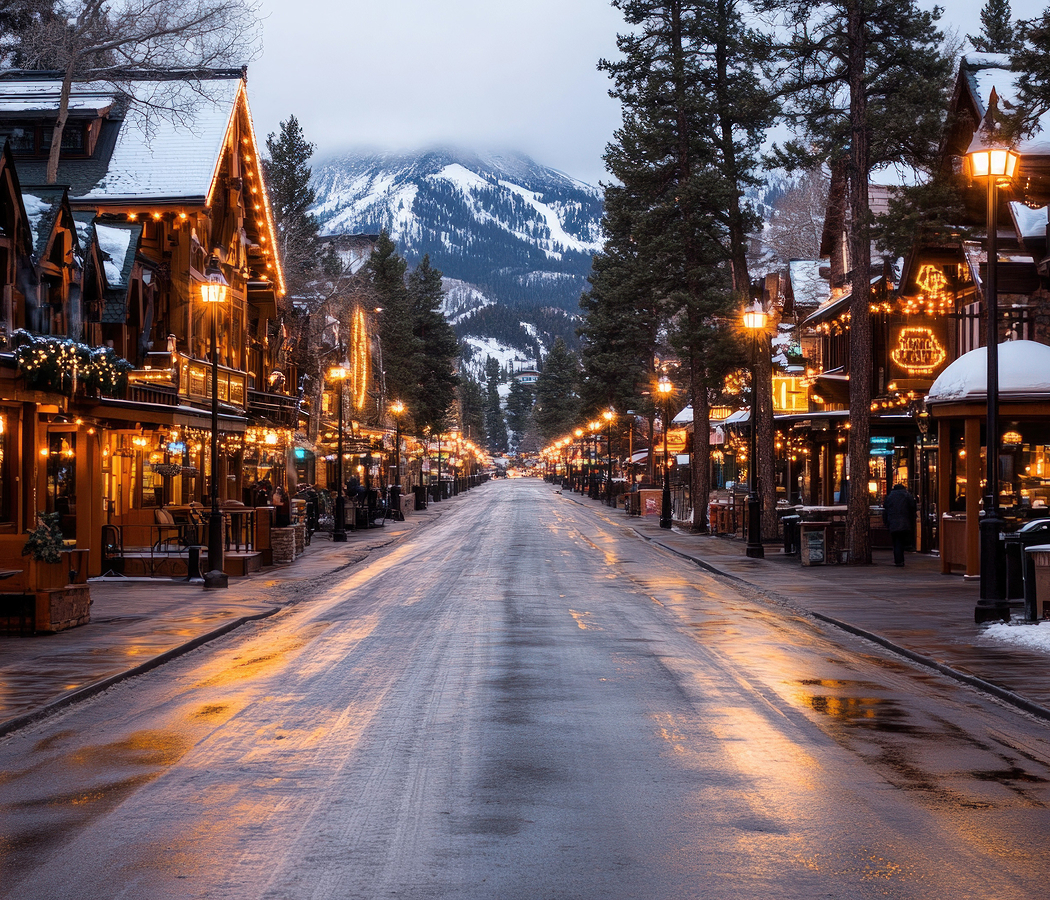
Set along East Main Street near North Monarch Street and a short walk from the historic Hotel Jerome, the restaurant occupies a nineteenth-century Victorian residence within Aspen's original commercial district, between Main Street's preserved storefronts and the residential blocks extending toward the surrounding mountains. Original wood siding, historic windows and a gabled roofline preserve the building's domestic character. The two-story structure contains separate dining rooms, with a lower-level restaurant and an upstairs sushi counter. Its compact frontage maintains the architectural proportions of the neighboring mining-era properties. The result is a restaurant whose preserved Victorian exterior and contemporary Japanese interiors connect Aspen's architectural inheritance with the international dining establishments that accompanied its development as a major mountain resort.
What defines Matsuhisa Aspen.
Matsuhisa Aspen is best known for becoming the first Matsuhisa restaurant outside Nobu Matsuhisa's original Beverly Hills establishment when it opened in 1998, extending his Japanese-Peruvian cooking into Colorado's international ski community. Nobuyuki Matsuhisa was born in Saitama, Japan, in 1949 and began his culinary apprenticeship in Tokyo, where traditional sushi preparation established the technical foundations of his career. A customer subsequently invited him to Lima, Peru, where the availability of local seafood, citrus and chili peppers encouraged adaptations to the Japanese preparations he had learned. His subsequent work in Argentina extended his familiarity with South American ingredients before he established a restaurant in Anchorage, Alaska. A fire destroyed the Alaskan establishment, prompting his return to the continental United States and a new period of restaurant development in Southern California. In 1987, he opened Matsuhisa in Beverly Hills, introducing a combination of Japanese culinary techniques and Peruvian influences that attracted substantial attention among Los Angeles diners. Actor Robert De Niro became an admirer of his cooking and encouraged the chef to establish a restaurant in New York, beginning a collaboration that produced Nobu in Tribeca in 1994. The success of that partnership established an international restaurant enterprise operating alongside the original Matsuhisa name. Aspen's restaurant followed four years later through a collaboration involving Nobuko Kang, bringing the chef's cooking to a town whose hospitality sector had expanded alongside its skiing and cultural institutions. Its location inside a Victorian residence 120 years old at the time of opening connected the new restaurant with the surviving architecture of Aspen's silver-mining settlement. The establishment subsequently became part of a Colorado restaurant group that expanded to Vail in 2011 and Denver in 2016. A substantial interior renovation by Aspen-based architecture firm Rowland+Broughton was completed in 2024, introducing revised dining areas, architectural finishes and kitchen facilities. The project extended the restaurant's original commercial development into a later generation of Aspen hospitality architecture, preserving the historic building's exterior character and the culinary association established by its founding chef.
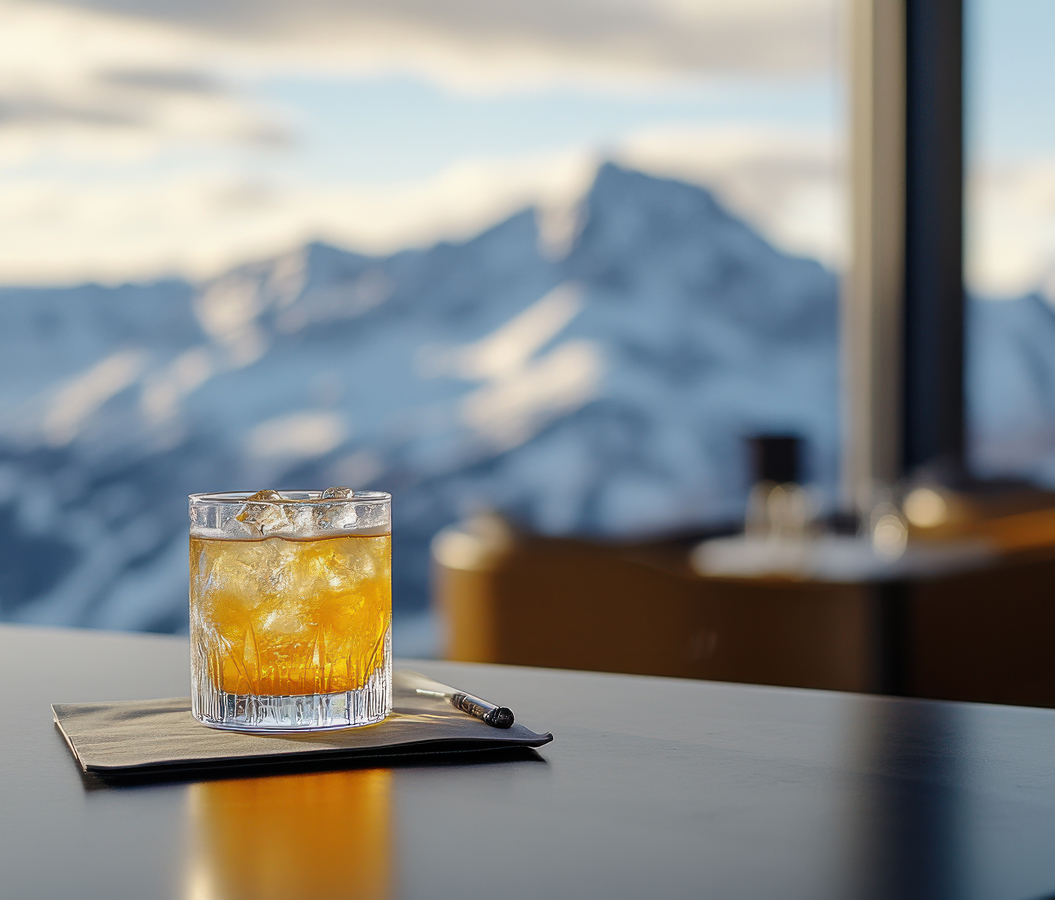
Nobu Matsuhisa's cooking centers on the handling of fresh seafood, controlled application of heat and the combination of Japanese seasonings with the acidity and spice associated with Peruvian preparations. Yellowtail Sashimi with Jalapeño places thin slices of fish beneath fresh chili and a citrus-soy dressing, allowing the fish's richness to balance the sharper seasonings. Whitefish Tiradito draws upon Peru's tradition of thinly sliced raw seafood, incorporating rocoto chili, citrus and Japanese condiments. New Style Sashimi applies heated sesame and olive oils to sliced fish, lightly cooking the surface and introducing a contrast between warm aromatic oil and delicate flesh. Black Cod Miso develops sweetness and depth through a miso marinade followed by broiling, producing a caramelized exterior around the tender fish. Rock Shrimp Tempura introduces crisp battered seafood dressed with a creamy spicy sauce, extending the menu's range of textures. Spicy Tuna Crispy Rice combines seasoned raw tuna with compact fried rice pieces, creating a contrast between cool fish and a crunchy base. The downstairs dining room incorporates bamboo-wrapped ceilings, a walnut cocktail bar and a sushi counter extending across a substantial portion of the interior. Rowland+Broughton's renovation introduced Burmese teak ceiling planks, integrated lighting and a nine-seat liquor bar with antique mirrors and illuminated shelving. A redesigned sushi counter and upstairs kitchen improved the preparation areas serving the restaurant's two levels. Upstairs dining includes an intimate sushi bar and seasonal outdoor seating, with a separate menu emphasizing sushi and selected cooked dishes. The downstairs eight-course omakase service organizes signature preparations and seasonal ingredients into a chef-directed dinner. Master Sommelier Jay Fletcher directs a wine program incorporating Burgundy, California wines and pairings developed for the kitchen's seafood, citrus and chili preparations. The Matsutini combines vodka, Japanese shochu, passion fruit and Champagne, extending the restaurant's combination of Japanese and international ingredients into its cocktail service.
How Matsuhisa Aspen fits.
Matsuhisa Aspen works as the culinary centerpiece for a Downtown Aspen itinerary connecting the town's silver-mining prosperity, the preservation of Victorian residential architecture and the contemporary arts institutions established during its development as an international mountain destination.
Begin at Wheeler Opera House, the historic performance venue situated at East Hyman Avenue and South Mill Street. Mining entrepreneur Jerome B. Wheeler financed its construction in 1889, commissioning a building that combined commercial premises with an upper-floor auditorium. Its Romanesque Revival architecture incorporates substantial masonry construction and decorative elements associated with Aspen's silver-boom prosperity. The auditorium accommodated theatrical performances, public meetings and visiting entertainers during the mining era. A fire in 1912 damaged the interior, initiating decades of changing commercial uses. Subsequent restoration returned the auditorium to public performance, preserving an important connection between Aspen's original economic prosperity and its performing arts institutions. Continue to Wheeler/Stallard Museum, the Victorian residence on West Bleeker Street maintained by Aspen Historical Society. Constructed in 1888 for Jerome B. Wheeler, the house incorporates Queen Anne architectural features, including projecting bays, decorative woodwork and an irregular roofline. The residence later became associated with the Stallard family before its conversion into a historical museum. Its exhibitions examine silver mining, early settlement, transportation and the social changes accompanying Aspen's twentieth-century development. Surviving architectural details preserve the domestic surroundings of a prosperous mining-era household, providing a residential counterpart to the commercial buildings of the historic downtown. Conclude at Aspen Art Museum, the contemporary art institution situated at East Hyman Avenue and North Spring Street. Founded in 1979, the museum moved into its Shigeru Ban-designed building in 2014. The structure incorporates a woven wooden exterior screen, a glass elevator and an open rooftop terrace overlooking the surrounding mountains. Its galleries accommodate changing exhibitions of contemporary art, supported by educational activities and public programs. The building's pedestrian entrances and transparent architectural elements connect its exhibition spaces with the surrounding downtown streets. The progression moves from mining-era entertainment through Victorian residential preservation and culminates in contemporary artistic production, connecting Matsuhisa Aspen with the architectural and cultural development of the mountain town.
Where your story begins.
Foresyte Travel reveals places that feel extraordinary long before you arrive.
Enjoy editorial crafted for luxury travelers.
Foresyte may earn a commission when you book.