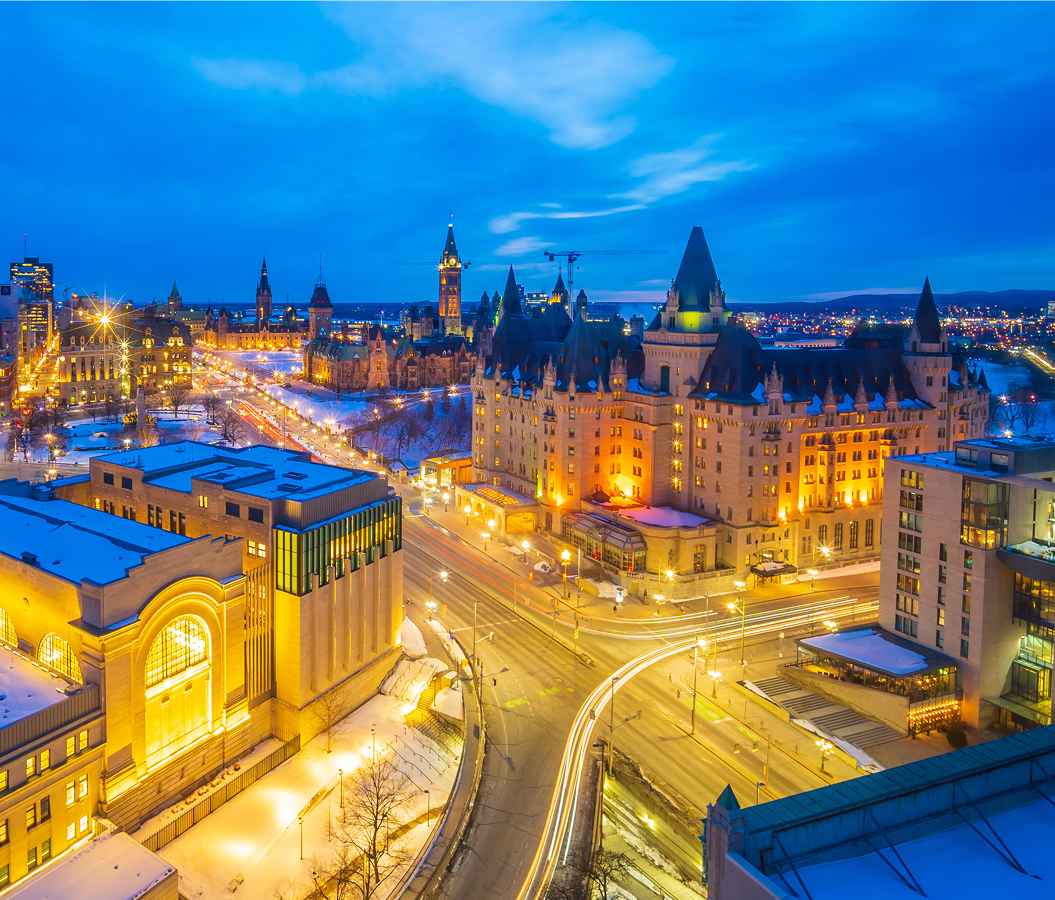
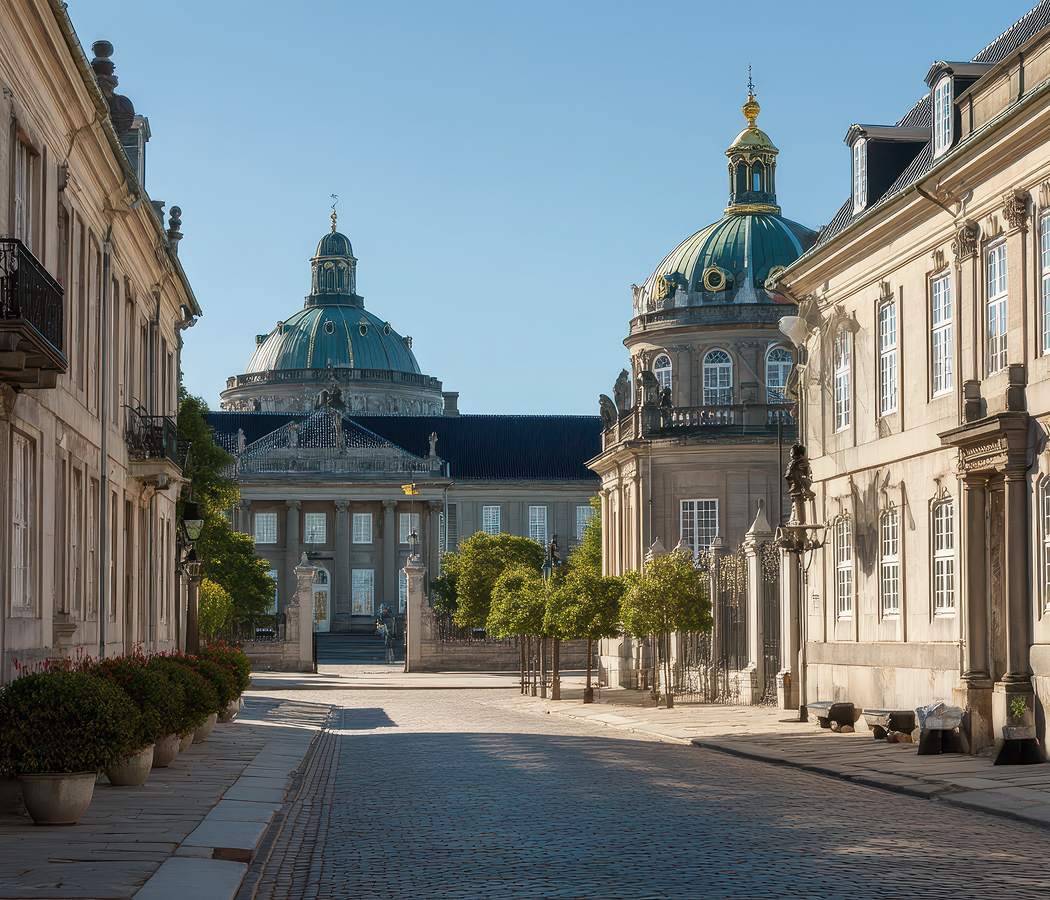
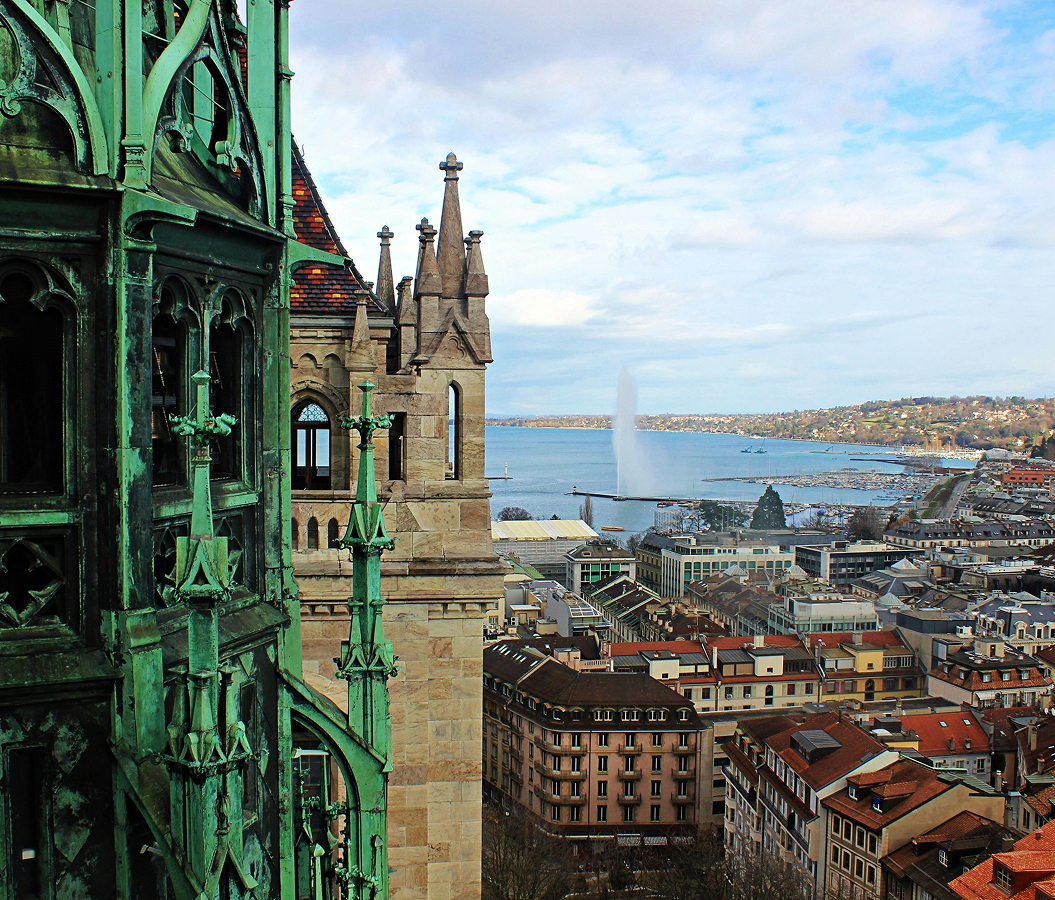
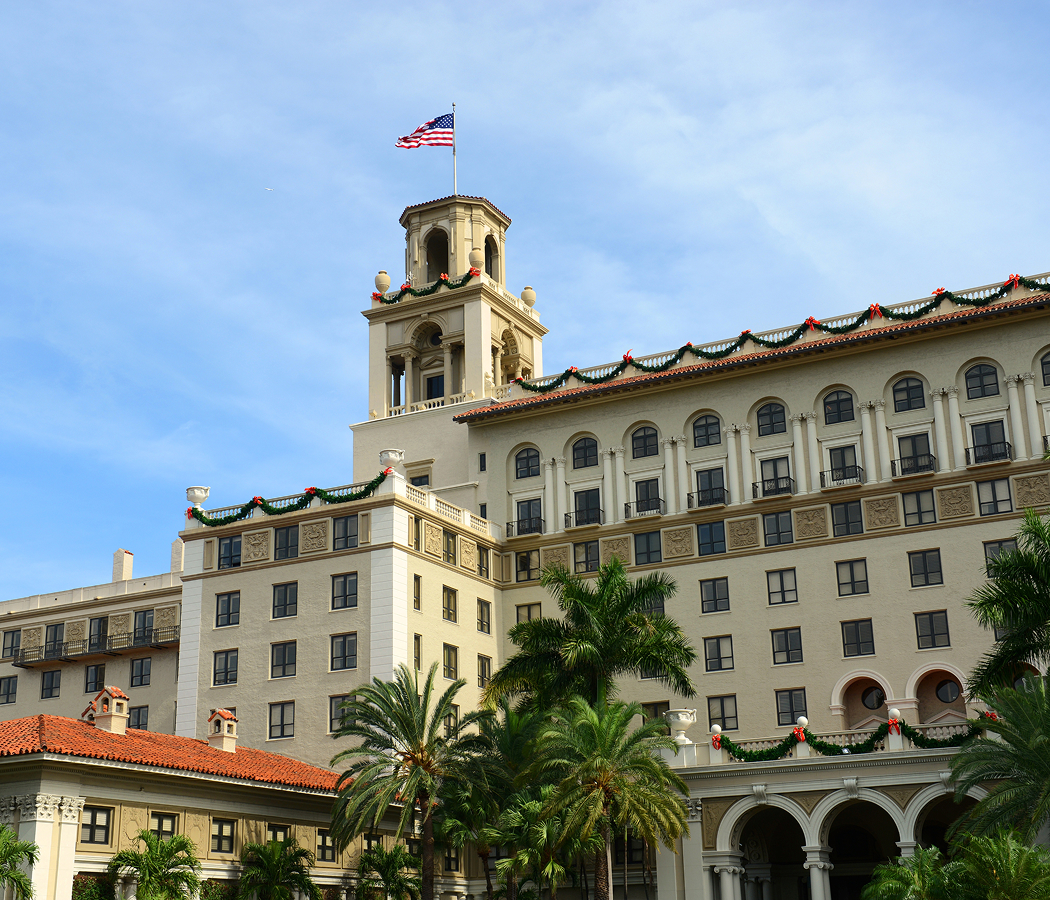
Top places to stay in Edinburgh, Scotland.
Edinburgh owes its enduring hospitality heritage to the political and intellectual life of the Scottish capital, where royal patronage, the Scottish Enlightenment, and the architectural grandeur of the Georgian New Town established a tradition of elegant urban hospitality enriched by literary culture and international travel. The medieval settlement developed along the volcanic ridge connecting Edinburgh Castle with the royal precinct of Holyrood, where merchants, diplomats, and visiting officials gathered around the institutions of the Scottish monarchy. The granting of royal burgh status strengthened commercial activity, supporting inns and lodging houses serving travelers arriving through the principal routes of the Lothians. The establishment of the Palace of Holyroodhouse as a royal residence introduced an influential culture of aristocratic reception, attracting courtiers and foreign visitors to a city increasingly distinguished by political and ceremonial importance. The Union of the Crowns in 1603 transferred the principal royal court to London, although Edinburgh retained its legal, religious, and educational institutions. The parliamentary union of 1707 brought further political change, encouraging commercial investment and the expansion of professional society. During the eighteenth century, the Scottish Enlightenment transformed Edinburgh into an internationally influential center of philosophy, economics, medicine, and literature, with figures including David Hume and Adam Smith contributing to its intellectual reputation. The construction of the New Town, beginning in 1767 under James Craig's plan, introduced an elegant Georgian urban environment whose broad streets and grand squares attracted wealthy residents and distinguished visitors. The development of Princes Street as a prestigious commercial boulevard encouraged the establishment of substantial hotels overlooking the gardens and the dramatic skyline of the Old Town. The arrival of the railway during the nineteenth century strengthened Edinburgh's connections with London and the principal Scottish cities, encouraging the expansion of metropolitan accommodation near the developing transportation terminals. The opening of the North British Hotel in 1902, subsequently renamed The Balmoral, introduced a grand expression of railway-era luxury, with its distinctive clock tower and elaborate architecture establishing a prominent landmark beside Waverley Station. The development of the Caledonian Hotel, opened in 1903 at the western end of Princes Street, introduced a complementary grand hotel associated with the Caledonian Railway and the expansion of prestigious rail travel. The twentieth century brought substantial changes to the city's visitor economy through the development of international festivals and the growing influence of Scottish cultural institutions. The establishment of the Edinburgh International Festival in 1947 introduced a major annual celebration of performing arts, strengthening the city's international reputation and encouraging sustained investment in hotels, restaurants, and cultural infrastructure. The Edinburgh Festival Fringe, also established in 1947, developed into an extraordinary gathering of independent performers and audiences, transforming the city's hospitality economy during the summer festival season. The expansion of international aviation and the growing prominence of Edinburgh as Scotland's financial and administrative center encouraged further development of contemporary luxury accommodation. The restoration of historic Georgian townhouses and substantial commercial buildings introduced a complementary tradition of intimate boutique hotels, preserving distinguished architectural interiors within the historic center. The opening of The Scotsman Hotel in 2001 within the former headquarters of The Scotsman newspaper exemplified the adaptation of important institutional buildings into sophisticated hospitality properties. Edinburgh's hotel industry expresses the relationship between royal ceremony, Enlightenment intellectual culture, railway-era grandeur, and the international artistic institutions that have established the Scottish capital as a destination of exceptional cultural distinction.
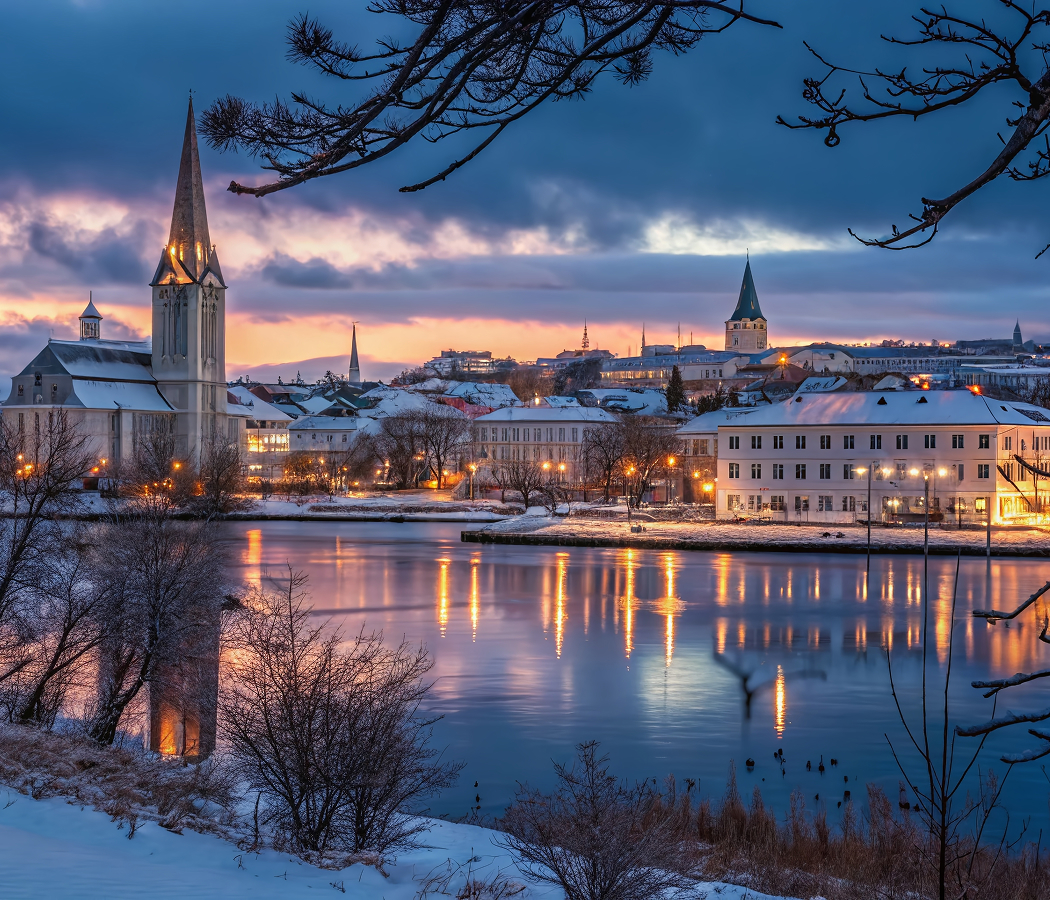
Edinburgh's most distinguished places to stay occupy a dramatic landscape of volcanic ridges, medieval streets, Georgian terraces, and landscaped gardens, creating a remarkable architectural contrast between the Old Town and New Town. The Old Town rises along the Royal Mile between Edinburgh Castle and the Palace of Holyroodhouse, with intimate hotels occupying restored historic buildings and substantial stone properties within the medieval street network. The district's narrow closes, steep stairways, and substantial tenements establish a distinctive architectural environment, with accommodation overlooking the dramatic skyline of the Scottish capital. The streets surrounding St. Giles' Cathedral preserve an especially concentrated historic setting, connecting boutique properties with major civic institutions and the ceremonial spaces of the Royal Mile. Southward, the Grassmarket occupies a sheltered position beneath the volcanic slopes of Castle Rock, where historic inns and restored commercial buildings overlook a lively public square associated with traditional Scottish hospitality. The adjoining streets of Victoria Street introduce a scenic architectural environment through their curved alignment, colorful shopfronts, and substantial nineteenth-century buildings, supporting intimate accommodation near the historic center. North across Princes Street Gardens, the New Town presents a contrasting urban landscape distinguished by broad Georgian avenues, grand crescents, and carefully composed residential squares. Princes Street forms the principal commercial boundary between the historic districts, with substantial hotels occupying prominent positions overlooking the gardens and Edinburgh Castle. The Balmoral establishes a grand eastern landmark through its elaborate stone façade and prominent clock tower, connecting prestigious accommodation with the architectural grandeur of the city's railway heritage. Westward, the Caledonian occupies a distinguished position near Lothian Road, providing views toward the castle and convenient access to the cultural institutions surrounding the western city center. George Street forms the architectural heart of the New Town, where prestigious townhouses and substantial commercial buildings occupy an elegant boulevard associated with distinguished restaurants, luxury retail, and metropolitan hospitality. The neighboring streets of Queen Street and Charlotte Square preserve exceptional examples of Georgian residential architecture, with intimate luxury hotels occupying former aristocratic residences distinguished by symmetrical façades, elaborate entrance halls, and carefully proportioned interiors. Eastward, the streets surrounding St. Andrew Square contain substantial historic buildings and contemporary luxury properties near the principal shopping institutions of the city center. South of the Old Town, the University of Edinburgh district occupies a distinguished institutional landscape through substantial academic buildings, historic residences, and intimate commercial streets. The adjoining neighborhoods of Marchmont and Bruntsfield preserve an established residential character through substantial Victorian tenements, landscaped avenues, and neighborhood cafés, supporting quieter accommodation within walking distance of the central cultural districts. West of the historic center, the Dean Village occupies a secluded position along the Water of Leith, where former milling buildings and substantial stone residences create an intimate riverside environment distinguished by scenic bridges and wooded paths. The neighboring Stockbridge district developed through Georgian and Victorian residential expansion, with elegant terraces, independent shops, and established restaurants supporting boutique hospitality within a refined neighborhood setting. Farther north, Leith preserves Edinburgh's maritime inheritance through historic warehouses, former dock buildings, and substantial commercial properties surrounding the old port. The redevelopment of the waterfront introduced contemporary accommodation near distinguished restaurants, galleries, and the cultural institutions associated with the former Royal Yacht Britannia. The neighboring Shore district retains an intimate historic character through its cobbled streets, substantial stone buildings, and waterside restaurants, offering a contrasting environment to the grand architecture of Central Edinburgh. Beyond the principal urban districts, the slopes of Arthur's Seat and the surrounding Holyrood Park establish an exceptional natural setting, with dramatic volcanic terrain rising above the historic city. The southern neighborhoods near the Meadows provide a complementary landscape of established residential streets and substantial Victorian buildings, connecting accommodation with landscaped public spaces and the university precinct. These contrasting environments establish a distinctive hospitality geography extending from intimate medieval inns and grand railway hotels to elegant Georgian townhouses and restored waterfront properties, each shaped by Edinburgh's extraordinary architectural and topographical character. Foresyte may earn a commission when you book.
Foresyte Travel's top five choices.
5. Fingal Hotel
Fingal began service in 1963 as a lighthouse tender for the Northern Lighthouse Board, carrying supplies, equipment and personnel to remote Scottish lighthouses for more than three decades. The vessel was built by Blythswood Shipbuilding Company on the River Clyde, connecting its working life directly with Scotland's maritime engineering tradition and the network of lights that protected navigation around the country's coastline. The Royal Yacht Britannia Trust acquired Fingal and undertook an extensive conversion that preserved its industrial character while introducing Art Deco-influenced interiors and individually commissioned Scottish craftsmanship. Its reopening as a hotel in Leith transformed a working vessel of Scotland's lighthouse service into a rare piece of maritime heritage permanently moored near the Trust's Royal Yacht Britannia.
4. The Edinburgh Grand, a Luxury Collection Hotel, Edinburgh
The Edinburgh Grand occupies the former headquarters of the National Bank of Scotland on St. Andrew Square, completed in the 1930s during the square's evolution into one of Edinburgh's principal financial addresses. Architects Mewès & Davis, whose work included London's Ritz Hotel, designed the grand banking building with a restrained classical exterior and richly finished interiors intended to convey institutional permanence. Its banking hall, stonework, decorative plaster and other surviving architectural elements became central to the building's later conversion into hospitality use after the bank departed. The transformation preserved a substantial monument to Edinburgh's twentieth-century financial history within the Georgian New Town, linking contemporary hospitality with the institutions that made the city one of Britain's major banking centers.
3. The Caledonian Edinburgh, Curio Collection by Hilton
The Caledonian Edinburgh opened in 1903 as the grand railway hotel of the Caledonian Railway, standing beside Princes Street Station at the western end of Edinburgh's principal commercial boulevard. Architects John More Dick Peddie and George Washington Browne gave the red sandstone building a grand profile intended to announce the railway company's presence within the capital. Princes Street Station closed in 1965 and was subsequently demolished, leaving the hotel as the principal surviving architectural expression of the Caledonian Railway complex. The building preserves a direct physical connection with the age when competing railway companies reshaped Edinburgh's movement, commerce and hotel culture around grand urban terminals.
2. Gleneagles Townhouse
Gleneagles Townhouse occupies the former British Linen Bank headquarters on St. Andrew Square, a nineteenth-century banking building whose history reflects Edinburgh's longstanding importance within Scottish finance. Architect David Bryce transformed and expanded the structure during the Victorian period, bringing the grand classical language associated with his major Scottish commissions to one of the New Town's most important commercial addresses. Ennismore and the Gleneagles organization restored the building before its 2022 opening as the first Gleneagles property beyond the Perthshire estate established in 1924 by the Caledonian Railway. The project joined two strands of Scottish institutional history, adapting a former banking headquarters to carry a hospitality name created during the golden age of railway travel into Central Edinburgh.
1. The Balmoral, a Rocco Forte Hotel
The Balmoral opened in 1902 as the North British Station Hotel, constructed by the North British Railway beside Edinburgh Waverley station as an architectural declaration of the company's importance to the Scottish capital. Architect William Hamilton Beattie designed the immense stone building in a Scottish Baronial-inflected style, culminating in the clock tower that became one of the defining elements of Edinburgh's skyline. The clock was traditionally kept several minutes fast to help railway passengers reach their trains, establishing an unusually direct relationship between the building's architecture and Waverley's transportation function. Renamed The Balmoral in 1991 and subsequently incorporated into Rocco Forte Hotels, the property preserves the grand railway-hotel tradition at the point where the Old Town, New Town and Edinburgh's principal station converge.
Where your story begins.
Foresyte Travel reveals places that feel extraordinary long before you arrive.
Enjoy editorial crafted for luxury travelers.
Foresyte may earn a commission when you book.