Top places to stay in Utah.
Park City's evolution from a silver-mining settlement into one of America's premier mountain destinations reflects a remarkable reinvention of the Wasatch Range. Prospectors entered the surrounding mountains during the 1860s, and discoveries of valuable silver deposits encouraged the growth of mining camps in the high valleys east of Salt Lake City. The settlement incorporated as Park City in 1884, developing a commercial center of boardinghouses, saloons, and modest hotels serving miners, merchants, and railroad passengers. The arrival of rail connections strengthened the mining economy and brought travelers into a town increasingly defined by substantial industrial operations. The Great Fire of 1898 destroyed much of Main Street, prompting reconstruction in brick and stone that established the historic commercial streetscape. The New Park Hotel, completed in 1913, introduced a prominent lodging establishment with modern conveniences for an increasingly established mountain community. Declining mineral production during the twentieth century brought prolonged economic difficulties, and many residents departed as mining operations contracted. The decisive transformation came in 1963, when United Park City Mines opened Treasure Mountain Resort with federal redevelopment assistance. Its ski lifts and mountain facilities introduced a new economic foundation centered on winter recreation. The resort subsequently became Park City Mountain Resort, attracting growing numbers of visitors from Utah and beyond. Deer Valley Resort opened in 1981, establishing a luxury-oriented ski destination distinguished by carefully groomed terrain, sophisticated dining, and an emphasis on guest service. The opening of Stein Eriksen Lodge in 1982 strengthened the area's reputation for prestigious alpine accommodation, drawing upon the legacy of the Norwegian Olympic champion whose name it bears. Park City's international standing expanded dramatically during the 2002 Salt Lake City Winter Olympics, when nearby mountain venues hosted alpine skiing, snowboarding, and other competitions. The event accelerated infrastructure improvements and introduced the surrounding resorts to a global audience. In 2015, Park City Mountain and the former Canyons Resort became a connected ski area, substantially expanding the destination's interconnected mountain terrain. Investment in luxury residences, boutique hotels, and slopeside properties subsequently diversified the local accommodation landscape. Park City's hospitality character now combines the architectural inheritance of a nineteenth-century mining town with the resort culture of an internationally recognized winter sports destination.
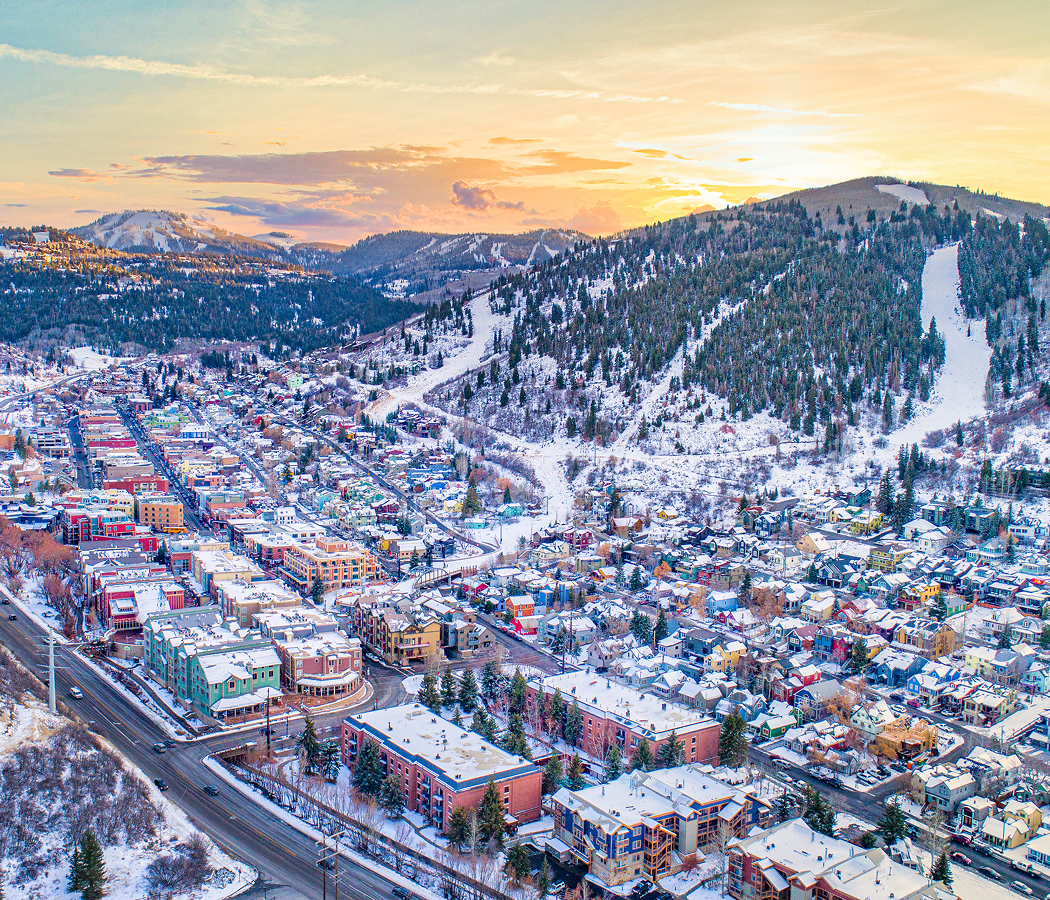
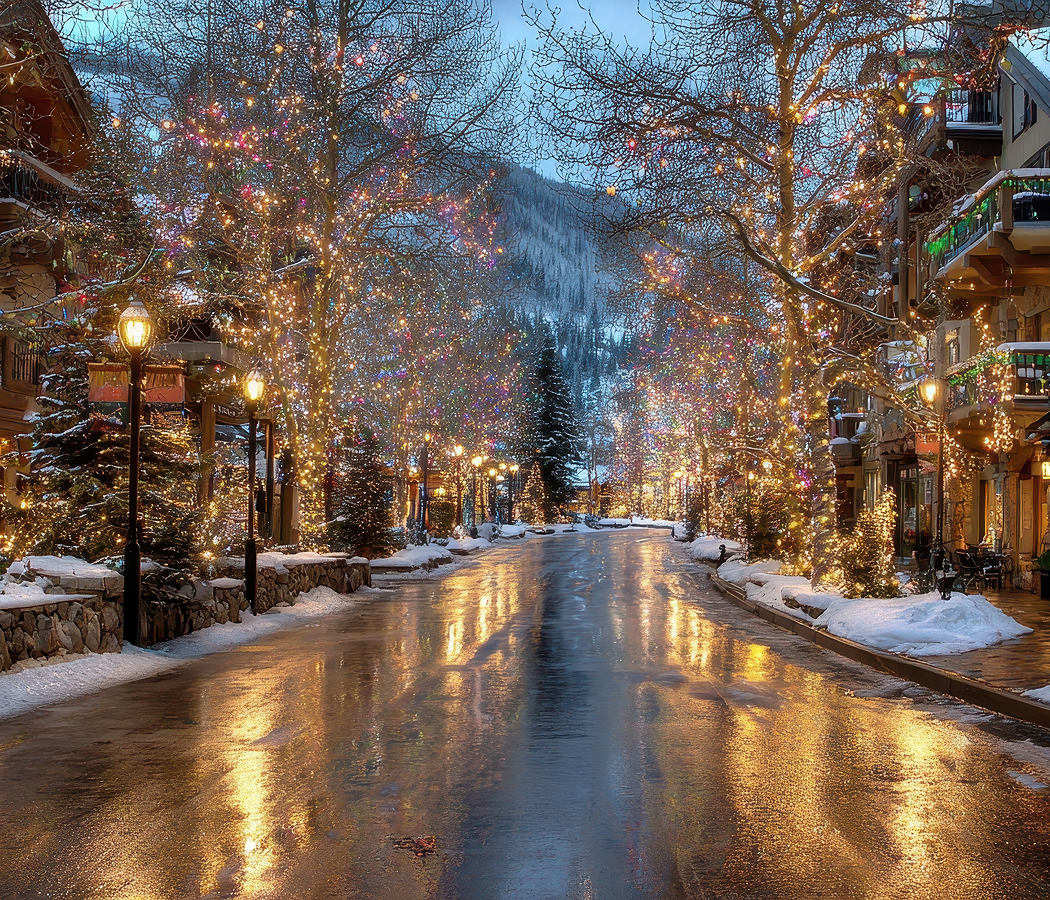
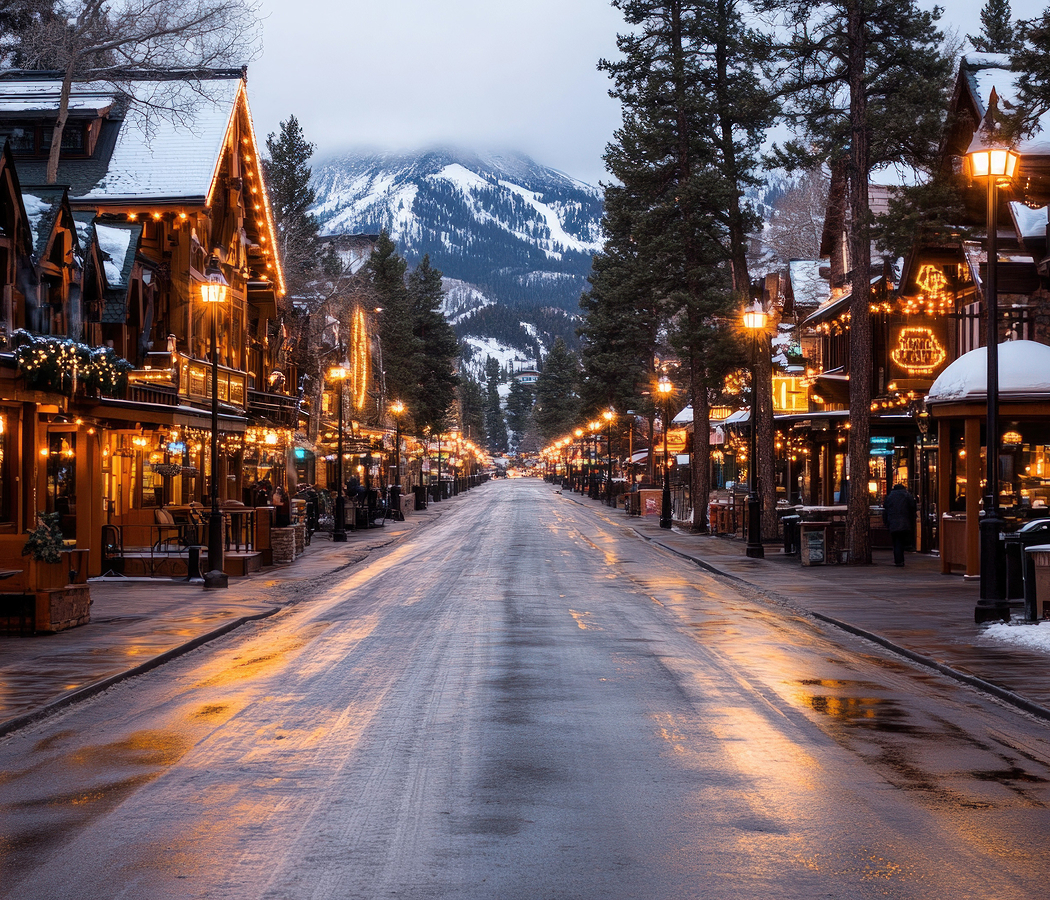
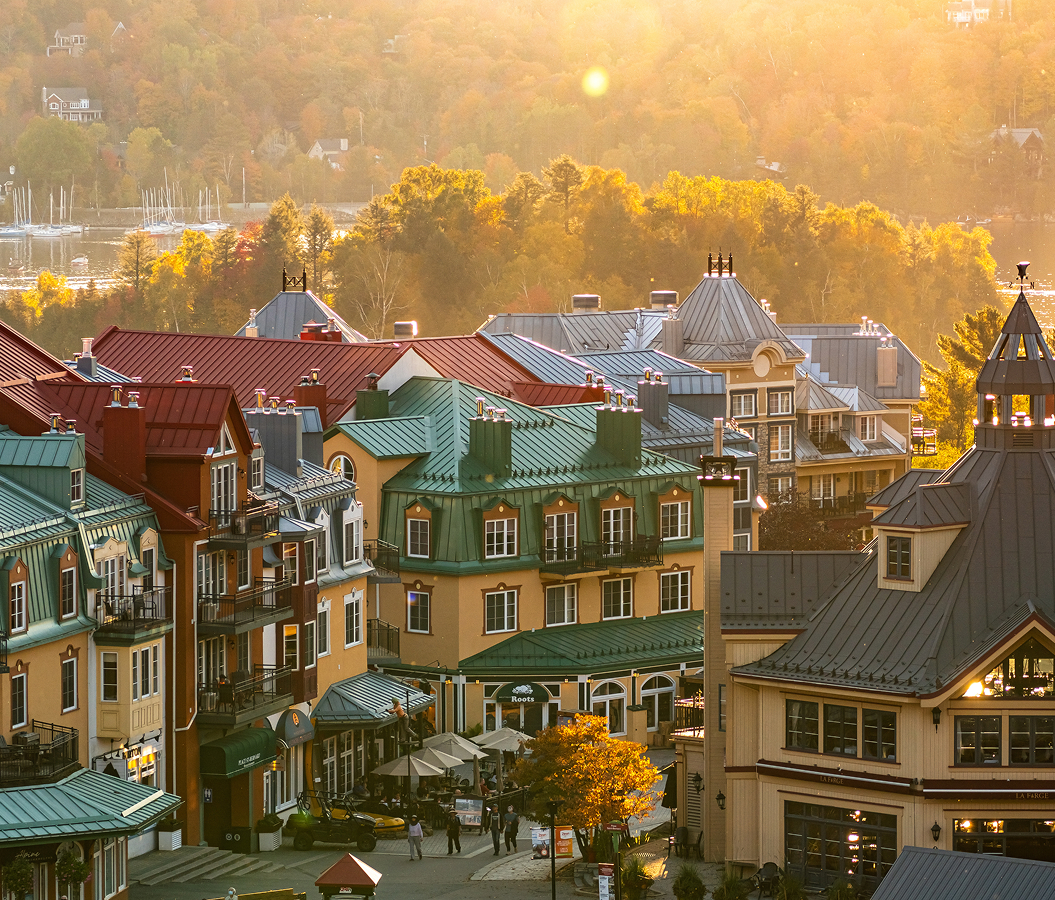
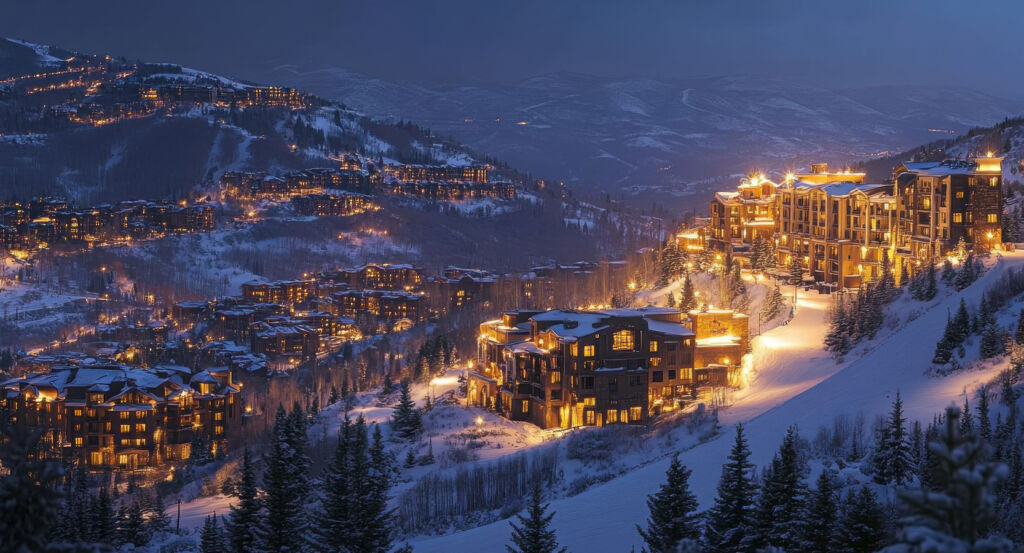
Park City occupies a dramatic high-elevation landscape of forested ridges, narrow mountain valleys, and historic streets, with hotels distributed among the town center and the surrounding ski resort communities. Historic Main Street forms the cultural and commercial heart, climbing a steep hillside through a closely arranged collection of restored Victorian-era buildings, brick storefronts, and traditional Western commercial architecture. Boutique hotels and intimate inns occupy historic structures and carefully integrated contemporary properties, offering immediate access to restaurants, galleries, independent shops, and lively evening streets. The surrounding Old Town neighborhood extends across steep residential lanes lined with colorful houses, timber cottages, and substantial mountain residences. Accommodation here includes private lodges, condominium properties, and small luxury establishments positioned within walking distance of the historic center. Westward, the Park City Mountain base area introduces a more contemporary alpine environment through substantial resort buildings, condominium complexes, and pedestrian gathering spaces organized around ski lifts. Hotels emphasize convenient mountain access, fireplaces, outdoor terraces, and expansive views across the surrounding slopes. Farther northwest, Canyons Village occupies a broad mountain setting beneath wooded ridgelines, with substantial luxury hotels, contemporary residences, and pedestrian plazas arranged around the resort's principal lift connections. Its architecture combines natural stone, timber façades, and large windows designed to frame the alpine landscape. The village offers an integrated resort environment with restaurants, recreational facilities, and direct access to extensive ski terrain. East of the historic center, Deer Valley presents a more secluded luxury landscape through wooded mountainsides, carefully landscaped residential communities, and prestigious slopeside properties. The Snow Park area occupies the resort's lower elevations, with hotels and private residences positioned near established ski facilities. Higher on the mountain, Silver Lake Village offers an intimate alpine setting through substantial timber-and-stone lodges, elegant condominium properties, and pedestrian routes connecting mountain restaurants and lift access. The surrounding terrain provides expansive perspectives across the Wasatch Mountains, particularly during the winter season. Farther east, the Jordanelle area extends toward a substantial mountain reservoir, where contemporary residential developments and resort properties occupy open hillsides overlooking the water. Its setting offers access to boating, hiking, and mountain recreation during warmer months. North of the central town, Kimball Junction forms an important commercial and transportation district through contemporary hotels, shopping complexes, and substantial residential developments near Interstate 80. Accommodation here provides convenient access to regional highways and the surrounding mountain communities. The nearby Snyderville Basin contains additional residential neighborhoods, open meadows, and resort-style properties set against the foothills. Across Park City, accommodation ranges from intimate historic inns and lively slopeside hotels to secluded luxury lodges and contemporary mountain residences, with each district offering a distinctive relationship to the town's mining heritage and exceptional alpine terrain. Foresyte may earn a commission when you book.
Foresyte Travel's top five choices.
5. Pendry Park City
Pendry Park City opened in 2022 within Canyons Village, extending the Pendry brand created by Montage International into one of Park City's principal ski developments. SB Architects designed the property as a collection of contemporary alpine buildings arranged around a central plaza at the base of the mountain. The project emerged from the transformation of the former Canyons Resort after Vail Resorts combined it with Park City Mountain in 2015, creating an interconnected ski domain served from multiple base villages. Contemporary forms, broad glazing, dark metal, stone, and timber distinguish the architecture from the European-inspired style long associated with American mountain resorts. Pendry Park City represents the newest phase of Canyons Village's evolution from a separate ski area into a major western base of Park City Mountain.
4. Waldorf Astoria Park City
Waldorf Astoria Park City occupies the lower edge of Canyons Village beside the Frostwood Gondola, which links the property with the mountain base above. The hotel opened in 2009 as Dakota Mountain Lodge before joining Waldorf Astoria, bringing Hilton's historic luxury flag into a ski district undergoing substantial redevelopment. Its arrival followed decades of change at the mountain, whose origins reach to Park City West in 1968 and subsequent incarnations as Wolf Mountain and The Canyons. Stone walls, steep roofs, timber detailing, and clustered building forms translate traditional alpine architecture into the Wasatch setting. Waldorf Astoria Park City connects the long reinvention of this ski area with the international hospitality investment that accelerated Canyons Village's development.
3. The St. Regis Deer Valley
The St. Regis Deer Valley opened in 2009 on the slopes above Park City, embedding the Astor-founded hotel brand within Deer Valley Resort's carefully planned mountain environment. Architecture by WATG divides the property between a lower arrival building and an upper mountainside complex, with a funicular climbing the steep terrain between them. That engineering solution makes the dramatic elevation change part of the hotel's fundamental organization and establishes a ceremonial ascent from the valley floor. Deer Valley itself opened in 1981 under Edgar Stern, whose service-focused approach helped redefine the American destination ski resort during Park City's transition from mining economy to international winter destination. The St. Regis translates that resort tradition into a mountainside property whose architecture and circulation are inseparable from Deer Valley's topography.
2. Montage Deer Valley
Montage Deer Valley opened in 2010 in Empire Pass, a high-elevation district developed across terrain associated with Park City's historic silver-mining landscape. Architecture by HKS uses stone, timber, steep rooflines, and substantial massing to establish a large mountain structure directly against Deer Valley's ski terrain. The property became a major component of Montage International's early expansion beyond its original Laguna Beach resort, helping establish the company's presence in destination mountain hospitality. Empire Pass itself occupies slopes once shaped by the mines that powered Park City's nineteenth-century economy before skiing became the foundation of its modern international profile. Montage Deer Valley places resort-scale architecture directly within the terrain that captures Park City's transformation from industrial mining center to high-altitude recreation destination.
1. Stein Eriksen Lodge Deer Valley
Stein Eriksen Lodge Deer Valley bears the name of Norwegian Olympic champion Stein Eriksen, whose skiing career and subsequent work in the United States made him one of the formative figures in American resort culture. Eriksen won gold in giant slalom and silver in slalom at the 1952 Oslo Winter Olympics before bringing his technical reputation and European skiing traditions to American mountains. He became director of skiing at Deer Valley, linking his international stature directly with the Utah resort established by Edgar Stern in 1981. The lodge opened in 1982 at Silver Lake Village, embedding Eriksen's name and Norwegian heritage into the early development of Deer Valley's mid-mountain community. Stein Eriksen Lodge connects Olympic skiing history, Deer Valley's founding generation, and Park City's transformation into an internationally recognized winter destination.
Where your story begins.
Foresyte Travel reveals places that feel extraordinary long before you arrive.
Enjoy editorial crafted for luxury travelers.
Foresyte may earn a commission when you book.