Top places to stay in Busan, South Korea.
Busan's rise as South Korea's foremost coastal destination grew from its transformation into an international port, wartime refuge, and major center of maritime commerce. The southeastern coast supported fishing communities and trading settlements for centuries, with the sheltered waters surrounding present-day Busan providing access to routes connecting the Korean Peninsula and Japan. During the Joseon dynasty, the Japanese trading settlement at Choryang became an important point of regulated commercial and diplomatic exchange. The opening of Busan's port to international trade in 1876 accelerated urban development, bringing merchants, shipping companies, and travelers into the expanding waterfront districts. Inns and boardinghouses clustered near the harbor and railway facilities, serving passengers moving between Korea's interior and overseas destinations. Japanese colonial rule from 1910 to 1945 reshaped the city's infrastructure and commercial geography, introducing substantial transport facilities and accommodation catering to administrators and business travelers. The Korean War brought a defining transformation when Busan became the provisional capital of South Korea in 1950. Refugees, government officials, foreign correspondents, and military personnel crowded into the city, placing extraordinary pressure on its limited lodging facilities. Postwar industrialization subsequently expanded the port, shipbuilding economy, and international business connections. The opening of the Westin Chosun Busan in 1978 introduced a landmark luxury hotel overlooking Haeundae Beach, strengthening the district's emergence as a prestigious seaside destination. The establishment of the Busan International Film Festival in 1996 created a new source of international visitors, connecting hotel demand with the city's expanding cultural influence. The 2002 Asian Games accelerated investment in urban infrastructure and hospitality facilities. The opening of the Park Hyatt Busan in 2013 brought contemporary architectural luxury to the Marine City waterfront, reflecting the transformation of former coastal land into an internationally oriented residential and leisure district. Subsequent development around Haeundae and Gijang introduced additional luxury properties, including the Ananti Cove resort complex in 2017. Busan's contemporary hotel industry now encompasses established beachfront landmarks, sophisticated harborfront towers, and secluded coastal retreats. Its development reflects the enduring influence of maritime trade, national reconstruction, international cultural exchange, and the growing appeal of South Korea's dramatic southeastern shoreline.
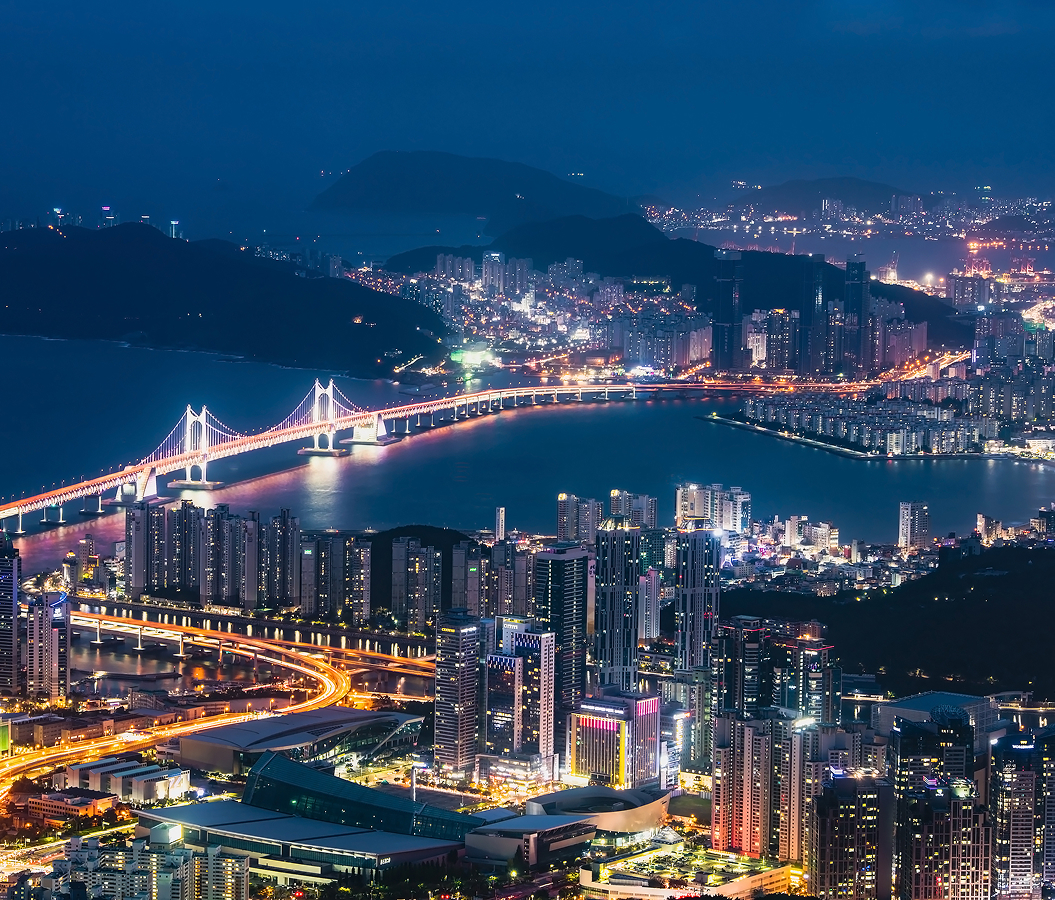
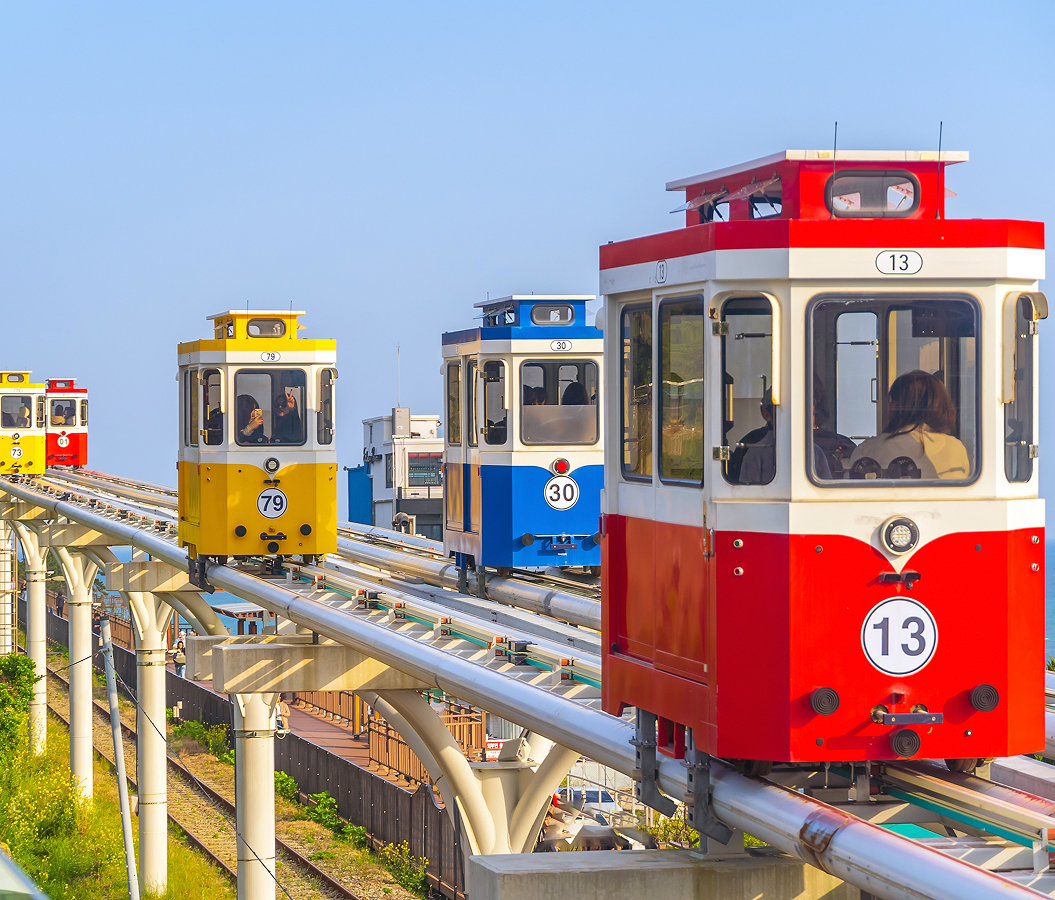
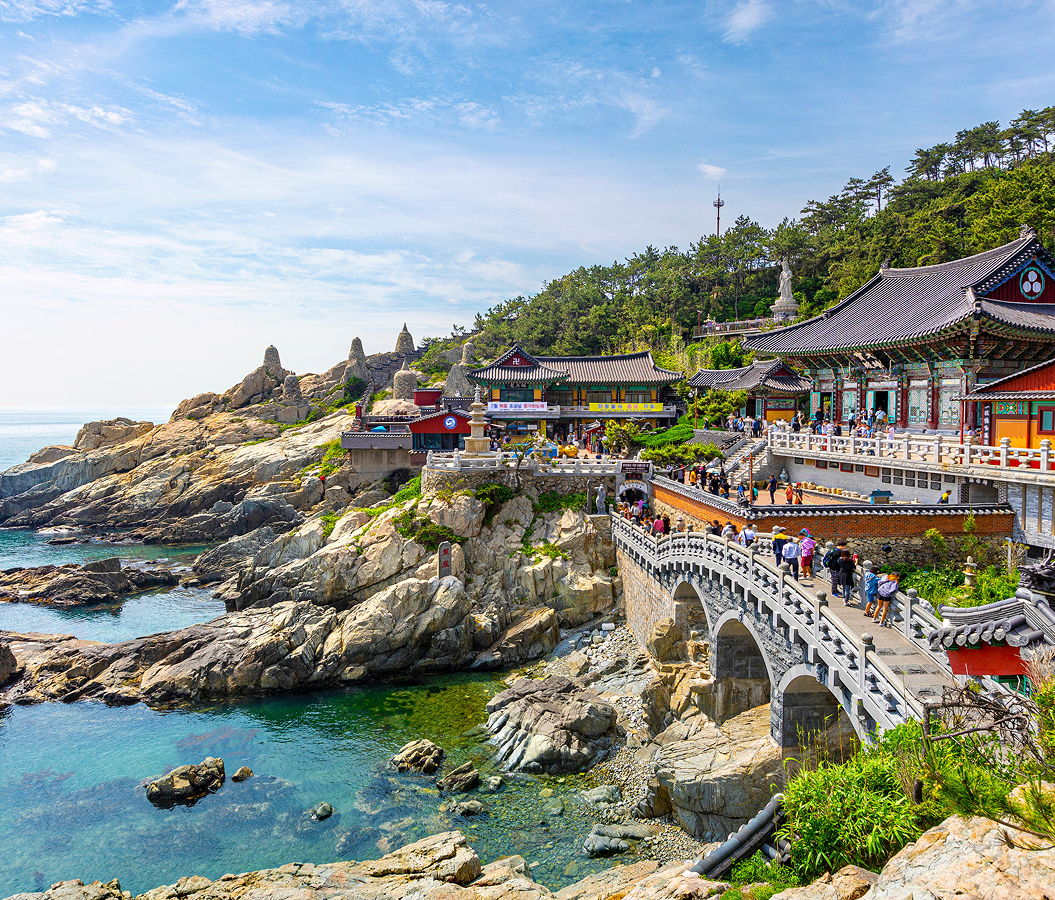
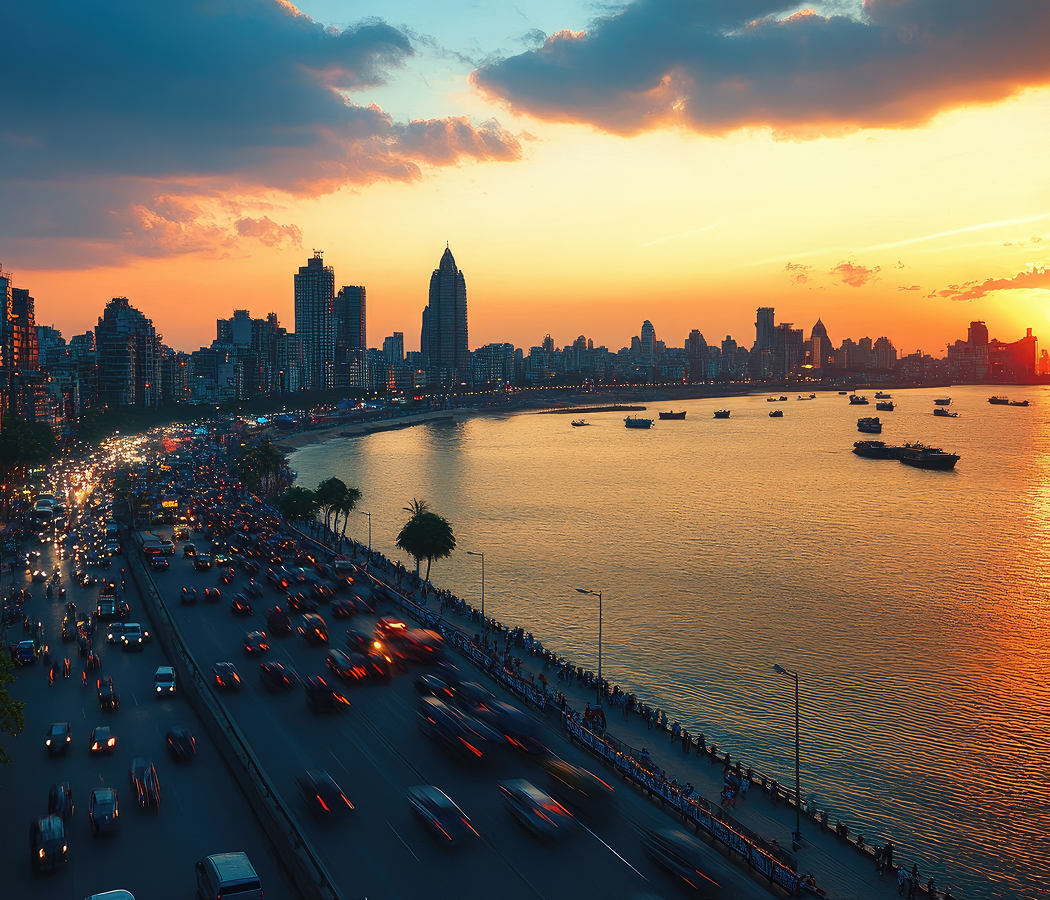
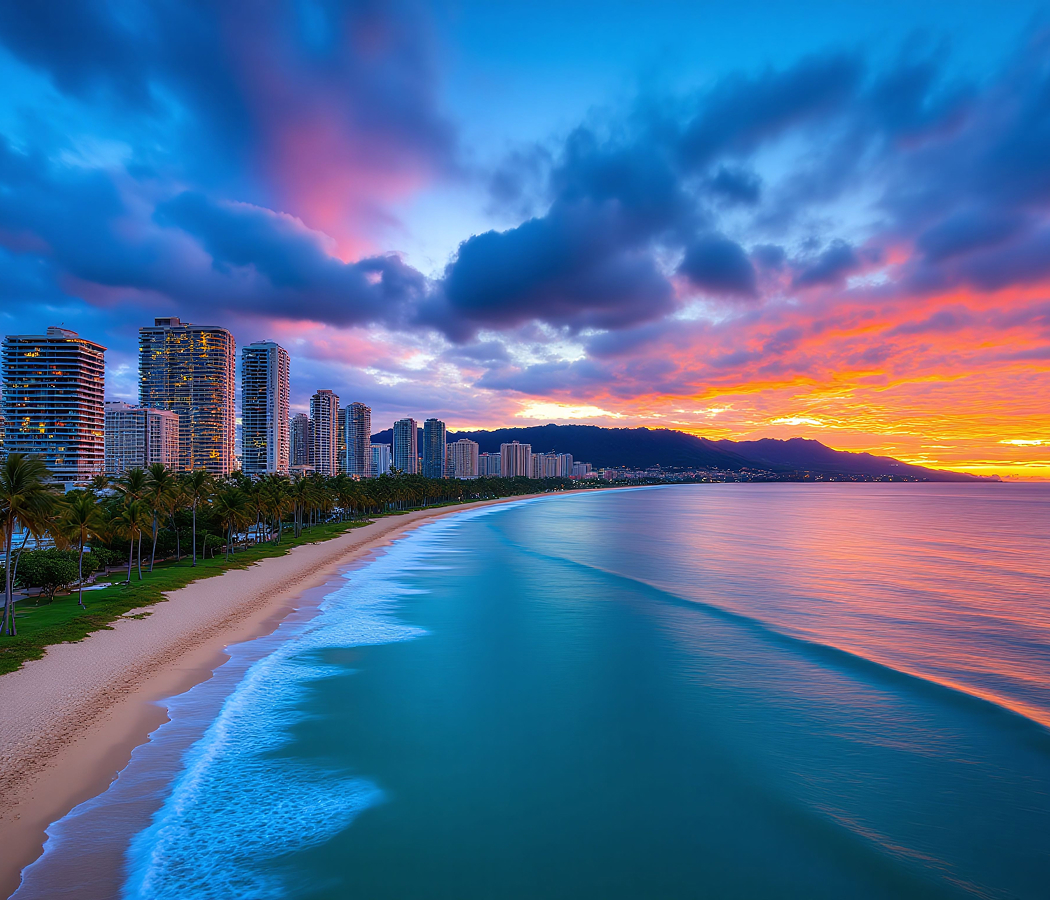
Busan's accommodation geography follows a deeply indented coastline where sandy beaches, rocky headlands, steep hillsides, and sheltered harbors create distinctive hotel settings across the metropolitan region. Haeundae forms the principal luxury beachfront district, with substantial international hotels overlooking a broad crescent of sand framed by wooded hills and contemporary towers. Properties along the waterfront emphasize expansive sea views, sophisticated restaurants, and direct access to the promenade. The surrounding streets contain shopping complexes, cafés, and entertainment venues, creating a lively resort environment. Immediately southwest, Marine City occupies a striking waterfront landscape of residential skyscrapers and luxury accommodation overlooking Suyeong Bay. Hotels here feature contemporary glass façades, elevated restaurants, and panoramic views toward the Gwangan Bridge. Farther west, Gwangalli Beach offers a more relaxed coastal setting through boutique hotels, smaller beachfront properties, and restaurants facing the illuminated bridge. Its broad promenade and active café culture create an appealing environment for evening walks. North of Haeundae, Songjeong Beach presents a quieter atmosphere through a sheltered bay, low-rise accommodation, and a well-established surfing community. The surrounding hillsides contain intimate guesthouses and contemporary coastal retreats. Continuing northeast, Gijang introduces a more secluded landscape through rocky shorelines, fishing villages, and forested coastal slopes. Luxury resorts occupy substantial properties overlooking the East Sea, with landscaped terraces, private pools, and architectural forms integrated into the surrounding terrain. Inland, Seomyeon forms Busan's principal commercial and transportation center, where major subway connections intersect among shopping streets, department stores, and contemporary business hotels. Accommodation here provides convenient access to restaurants, nightlife, and the wider metropolitan area. Southwestward, Nampo-dong preserves the energetic character of the historic port city through traditional markets, commercial streets, and dense urban blocks near the waterfront. Boutique hotels and established business properties provide access to cultural landmarks and harbor activity. The adjoining Jung-gu district contains historic commercial buildings and steep streets climbing toward hillside neighborhoods, offering a distinctive contrast with the modern coastal resorts. Across the harbor, Yeongdo Island presents an emerging hospitality landscape of converted industrial buildings, contemporary cafés, and intimate coastal properties overlooking working docks and rocky headlands. Farther west, Songdo Beach occupies a sheltered bay beneath steep hillsides, with beachfront hotels and elevated accommodation overlooking the shoreline. The surrounding coastal walkways and cable car provide exceptional perspectives across the water. Across Busan, lodging ranges from prestigious oceanfront towers and contemporary business hotels to intimate harbor boutiques and secluded coastal resorts, with the city's mountainous terrain and extensive shoreline shaping each district's distinctive architectural character. Foresyte may earn a commission when you book.
Foresyte Travel's top five choices.
5. Lotte Hotel Busan
Lotte Hotel Busan opened in 1997 in Seomyeon, placing one of South Korea's largest hospitality companies at the commercial heart of the country's principal southern metropolis. The hotel forms part of a major Lotte complex developed around department-store retail, entertainment, and hospitality, reflecting the conglomerate model that reshaped Korean urban centers during the late twentieth century. Its arrival reinforced Seomyeon's position as Busan's inland commercial center at the intersection of major transportation routes connecting the city's eastern and western districts. Lotte founder Shin Kyuk-ho built the wider group from a postwar confectionery business into an enterprise spanning retail, hotels, construction, and entertainment across South Korea and Japan. Lotte Hotel Busan captures that expansion through a property integrated directly into the commercial infrastructure of Central Busan.
4. Ananti at Busan Cove
Ananti at Busan Cove occupies the rocky shoreline of Gijang east of Haeundae, extending Busan's resort geography along a coast historically separated from the dense urban core. The property opened in 2017 as part of a substantial waterfront development combining hospitality, residences, cultural spaces, restaurants, and landscaped public areas. Architecture follows the natural coastline through long horizontal structures, broad terraces, stone surfaces, and extensive glazing directed toward the East Sea. The development became a major component of Gijang's transformation as new transportation links and coastal projects drew investment beyond Busan's established Haeundae resort district. Ananti at Busan Cove represents the eastward expansion of the city's high-end hospitality landscape into a large-scale coastal destination organized around architecture and sea.
3. Paradise Hotel Busan
Paradise Hotel Busan traces its origins to the early 1980s on Haeundae Beach, placing the property within the formative period that transformed the district into South Korea's leading urban seaside destination. Paradise Group developed the hotel as its hospitality and entertainment businesses expanded alongside the country's rapid economic growth and increasing domestic tourism. The property's beachfront site became progressively more valuable as Haeundae evolved through convention development, high-rise residential construction, international events, and extensive investment in the surrounding waterfront. Successive expansions and renovations carried the hotel through that transformation while preserving its direct relationship with the beach. Paradise Hotel Busan connects the early growth of modern Haeundae tourism with the district's emergence as Busan's principal concentration of resort hospitality and coastal high-rise development.
2. Park Hyatt Busan
Park Hyatt Busan opened in 2013 within Haeundae's Marine City, the extraordinary high-rise district developed on reclaimed waterfront beside Suyeong Bay. Daniel Libeskind designed the curved glass tower as part of the broader urban composition surrounding the marina, using its geometry to frame views toward Gwangan Bridge and the surrounding coastline. Super Potato shaped the interiors through granite, pale timber, metal, and restrained forms that place the harbor and bridge at the center of the building's visual composition. The hotel arrived as Marine City was becoming one of South Korea's most concentrated displays of residential towers and waterfront redevelopment. Park Hyatt Busan embeds international hospitality within the reclamation and vertical construction that radically altered Busan's twenty-first-century shoreline.
1. Signiel Busan
Signiel Busan opened in 2020 within LCT Tower, the 411-meter skyscraper that transformed the eastern end of Haeundae Beach and became one of South Korea's tallest buildings. The tower forms part of the Haeundae LCT complex, a vast mixed-use development combining hospitality, residences, retail, and observation spaces on a site directly facing the East Sea. Signiel, created by Lotte Hotels & Resorts as its highest-tier Korean brand, brought the concept introduced at Seoul's Lotte World Tower to Busan's most prominent resort district. The hotel occupies elevated floors within a structure whose height materially changed the scale and silhouette of the Haeundae waterfront. Signiel Busan represents the culmination of Haeundae's progression from seaside resort district to one of South Korea's most ambitious concentrations of supertall coastal development.
Where your story begins.
Foresyte Travel reveals places that feel extraordinary long before you arrive.
Enjoy editorial crafted for luxury travelers.
Foresyte may earn a commission when you book.