Top places to stay in Paris, France.
Paris established its enduring reputation for refined hospitality through centuries of royal patronage, expanding European commerce, and the cultural influence of the French capital, culminating in a tradition of grand urban luxury that helped define international travel. During the Middle Ages, the city's position along the Seine supported a substantial network of merchants, pilgrims, scholars, and travelers whose accommodation depended upon inns, religious establishments, and lodging houses concentrated near commercial thoroughfares and river crossings. The University of Paris attracted students and scholars from across Europe, contributing to the development of furnished rooms and boarding establishments throughout the Latin Quarter. The expansion of royal authority under the Capetian monarchy strengthened Paris's political importance, encouraging the growth of establishments serving court officials, diplomatic visitors, and provincial elites. During the seventeenth century, Louis XIV's consolidation of royal power at Versailles established a court culture whose ceremonial practices, decorative arts, and elaborate standards of domestic service profoundly influenced French hospitality. The aristocratic hôtel particulier emerged as a distinctive form of urban residence, with substantial townhouses organized around formal courtyards, reception rooms, and private gardens. These residences contributed to an architectural and social style subsequently adapted by luxury accommodation. The eighteenth century brought increasing numbers of foreign aristocrats and wealthy travelers undertaking the Grand Tour, with Paris becoming an important destination for education, fashion, collecting, and elite social life. The French Revolution disrupted aristocratic patronage and transformed the ownership of substantial urban properties, creating new opportunities for commercial establishments within former private residences. During the nineteenth century, railway expansion fundamentally altered the scale and geography of travel, connecting Paris with the principal cities of France and neighboring European countries. The opening of major railway termini encouraged the construction of substantial hotels equipped to accommodate growing numbers of domestic and international visitors. Napoleon III's transformation of Paris under Baron Haussmann between 1853 and 1870 introduced broad boulevards, grand squares, and coordinated stone façades that established an enduring architectural setting for metropolitan hospitality. The Exposition Universelle of 1855 attracted international visitors and demonstrated the growing importance of large exhibitions to the city's accommodation economy. Subsequent world's fairs in 1867, 1878, 1889, and 1900 accelerated investment in transportation, entertainment, restaurants, and lodging infrastructure. The construction of the Eiffel Tower for the 1889 exposition strengthened Paris's international appeal, contributing to its emergence as a destination associated with modern engineering and grand performance. César Ritz transformed European luxury hospitality during the late nineteenth century through innovations in personalized service, private bathrooms, electrical lighting, and refined dining arrangements. The Ritz Paris opened on Place Vendôme in 1898, establishing an influential model of intimate luxury within a prestigious urban setting. The Belle Époque subsequently encouraged the development of grand hotels serving wealthy international travelers, diplomats, artists, and members of European high society. Following the First World War, Paris's cultural prominence attracted American writers, artists, and performers whose presence contributed to the international reputation of its hospitality establishments. The interwar expansion of transatlantic travel strengthened the relationship between Parisian accommodation, fashion, fine dining, and the city's artistic institutions. Postwar reconstruction and the development of commercial aviation brought a broader international clientele, encouraging the modernization of established properties and the construction of contemporary accommodation. The rise of international hotel groups during the late twentieth century introduced new operating models, convention facilities, and globally standardized services alongside the capital's longstanding traditions of independent luxury hospitality. Paris's accommodation industry developed through the interaction of royal ceremonial culture, metropolitan modernization, international tourism, and the continued influence of French standards of elegance and personal service.
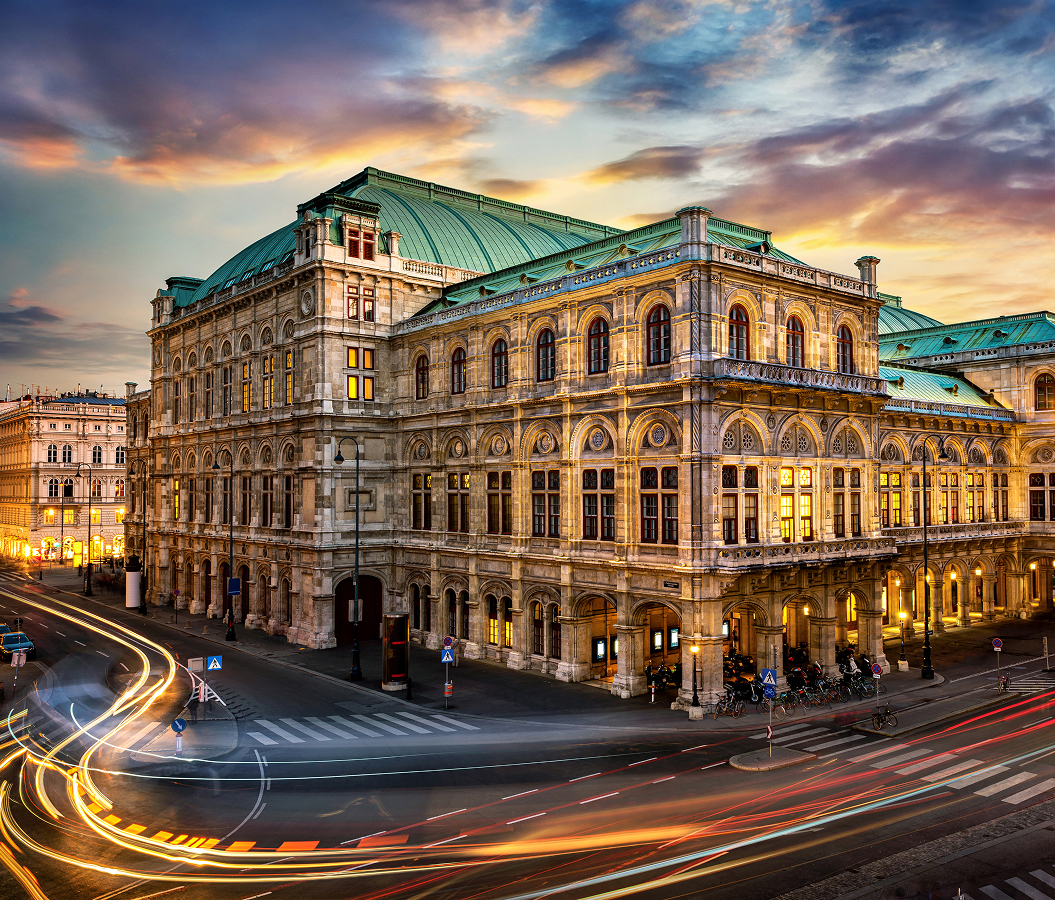
Paris's lodging geography reflects the relationship between its historic Arrondissements, nineteenth-century urban planning, architectural preservation, and the distinctive social identities of neighborhoods distributed across the Seine. The 1st Arrondissement occupies a central position within the historic city, extending through the Louvre district, Rue de Rivoli, and Place Vendôme, where grand civic architecture, formal squares, and prestigious commercial streets establish an exceptionally refined accommodation environment. Place Vendôme, designed under the direction of Jules Hardouin-Mansart during the reign of Louis XIV, preserves a coordinated architectural composition distinguished by classical stone façades, mansard roofs, and carefully proportioned elevations. The surrounding streets contain substantial former aristocratic residences and commercial buildings associated with the development of luxury retail and international hospitality. The 2nd Arrondissement extends northward through the historic financial and commercial districts around the Bourse and the Grands Boulevards, where nineteenth-century office buildings, covered passages, and former banking establishments contribute to a dense architectural landscape. The Opéra district occupies parts of the 2nd and 9th Arrondissements, developing around Charles Garnier's grand Palais Garnier, completed in 1875. Its broad avenues, elaborate Second Empire façades, and proximity to major department stores established an important accommodation district associated with shopping, performance, and international travel. Farther west, the 8th Arrondissement contains some of Paris's most prestigious hospitality settings, particularly around the Champs-Élysées, Avenue Montaigne, Rue du Faubourg Saint-Honoré, and the surrounding streets of the Golden Triangle. The district's architecture combines Haussmannian apartment buildings, former aristocratic residences, grand commercial properties, and substantial nineteenth-century hôtels particuliers. Avenue Montaigne acquired particular prominence through the development of French haute couture, connecting its architectural setting with the fashion houses and specialist retailers that contributed to the district's international reputation. The neighboring 16th Arrondissement developed through the incorporation of former western suburbs and the construction of substantial residential buildings serving affluent Parisian households. Its broad avenues, landscaped squares, and architectural examples ranging from Second Empire residences to Art Nouveau apartment buildings create a quieter accommodation environment near the Bois de Boulogne and the Trocadéro. Across the Seine, the 6th Arrondissement encompasses Saint-Germain-des-Prés and the Luxembourg district, where narrow historic streets, substantial eighteenth-century residences, and nineteenth-century apartment buildings establish a more intimate urban setting. Saint-Germain-des-Prés developed around its medieval abbey before becoming associated with publishing, intellectual life, galleries, and literary cafés. Its accommodation occupies an architectural landscape distinguished by smaller building footprints, enclosed courtyards, traditional stone façades, and close relationships with established neighborhood businesses. The neighboring 7th Arrondissement extends through the substantial residential streets surrounding the Invalides, Rue du Bac, and the Champ de Mars, retaining an exceptional concentration of aristocratic townhouses, diplomatic residences, and formal eighteenth-century architecture. The Marais, spanning parts of the 3rd and 4th Arrondissements, preserves one of Paris's most significant concentrations of pre-Haussmannian urban fabric. Its medieval street patterns, Renaissance residences, and seventeenth-century hôtels particuliers create distinctive opportunities for accommodation within historically significant buildings. Place des Vosges, completed during the reign of Henri IV, establishes a particularly coherent example of early seventeenth-century residential planning through its symmetrical brick-and-stone façades and continuous arcades. The Latin Quarter occupies much of the 5th Arrondissement, where the Sorbonne, historic colleges, medieval streets, and substantial educational institutions contribute to an accommodation environment shaped by centuries of scholarly activity. The surrounding slopes of the Montagne Sainte-Geneviève retain narrow streets and irregular parcels that distinguish the district from the formal boulevard planning of western Paris. The 9th Arrondissement extends toward the lower slopes of Montmartre, combining grand commercial boulevards with residential streets, theaters, and former entertainment establishments. Montmartre itself occupies elevated terrain within the 18th Arrondissement, where steep stairways, village-like streets, modest nineteenth-century buildings, and the grand Basilica of Sacré-Coeur establish an architectural setting distinct from the central boulevards. Eastern districts such as the 10th and 11th Arrondissements developed through industrial expansion, railway infrastructure, and dense residential construction, retaining a mixture of traditional apartment buildings, former workshops, and converted commercial properties. The Canal Saint-Martin introduces a distinctive waterside environment through its iron footbridges, tree-lined quays, and nineteenth-century industrial architecture. Beyond the historic center, La Défense occupies a purpose-built business district west of the city, where grand office towers, elevated pedestrian plazas, and contemporary glass architecture establish a metropolitan accommodation environment associated with international commerce. Paris's lodging landscape encompasses royal squares, Haussmannian boulevards, aristocratic residences, medieval neighborhoods, former industrial quarters, and modern business districts, each shaped by a different phase of the capital's architectural development. Foresyte may earn a commission when you book.
Foresyte Travel's top five choices.
5. Mandarin Oriental, Paris Hotel
Mandarin Oriental, Paris occupies a 1930s Art Deco building on Rue Saint-Honoré whose site previously passed through radically different chapters as a Capuchin monastery, royal riding school, hippodrome and the Nouveau Cirque, where pioneering performers Foottit and Chocolat appeared during the late nineteenth century. Architect Jean-Michel Wilmotte transformed the building for Mandarin Oriental, preserving its urban presence as Sybille de Margerie developed interiors rooted in Parisian fashion and French decorative craftsmanship. Landscape designers Neveux-Rouyer created a 455-square-meter interior garden concealed behind the street frontage, inserting a substantial planted courtyard into one of Central Paris's densest luxury districts. The hotel joins centuries of site history with a contemporary architectural intervention directly inside the fashion corridor connecting Rue Saint-Honoré and Place Vendôme.
4. Shangri-La Paris
Shangri-La Paris occupies the former residence of Prince Roland Bonaparte, grandson of Lucien Bonaparte and grand-nephew of Napoleon Bonaparte, who established the avenue d'Iéna palace as his home and a gathering place for Parisian society during the late nineteenth century. The building later survived major changes of use before receiving protection as a French Historical Monument in 2009, preserving architectural elements tied directly to its Bonaparte origins. Architect Richard Martinet directed an extensive restoration before Shangri-La opened the property as its first European hotel in 2010, returning the grand staircase, salons, façade and ornamental interiors to the center of the building's public life. The conversion carried a Bonaparte residence into twenty-first-century hospitality while retaining the architectural character that gives the property one of Paris's strongest direct connections between aristocratic domestic history and palace-hotel culture.
3. Le Bristol Paris
Le Bristol Paris grew from Hippolyte Jammet's 1923 acquisition of the former property of Count Jules de Castellane, which Jammet transformed into a hotel named for eighteenth-century traveler Frederick Hervey, 4th Earl of Bristol. During the German occupation of Paris, Jammet protected the property from requisition as Le Bristol housed the American Embassy and American nationals, giving the hotel a consequential wartime chapter along Rue du Faubourg Saint-Honoré. Rudolf Oetker acquired Le Bristol in 1978, beginning an ownership period that brought a major 1980 expansion across the former Convent of the Sisters of Good Hope and a distinctive sixth-floor pool designed by Professor Pinnau, architect of Aristotle Onassis's yacht. Successive expansion under the Oetker family preserved Le Bristol as one of the increasingly rare Parisian palace hotels whose twentieth-century history remains tied to long-term private ownership and a single family hospitality group.
2. Four Seasons Hotel George V, Paris
Four Seasons Hotel George V, Paris originated as a purpose-built 1928 Art Deco hotel designed by architects Lefranc and Wybo during the interwar transformation of the Champs-Élysées district into an international center of luxury hospitality. The original George V incorporated unusually advanced hotel engineering for its era, including outside-line telephones, dumbwaiters carrying meals directly from the kitchen and suites equipped with two bathrooms; by 1930, the hotel even operated a three-seat Farman aircraft for charter journeys to European capitals. Four Seasons assumed management after a two-year renovation completed in 1999, with Pierre-Yves Rochon shaping interiors that retained the property's French architectural character across a modernized hotel. Jeff Leatham subsequently made large-scale floral installations a defining artistic commission throughout the building, extending the George V's design history from interwar architecture into contemporary decorative art.
1. Hôtel de Crillon, A Rosewood Hotel
Hôtel de Crillon, A Rosewood Hotel occupies one of the great eighteenth-century buildings commissioned during Louis XV's creation of Place Louis XV, the royal square that became Place de la Concorde, with Ange-Jacques Gabriel responsible for its grand neoclassical frontage. The residence passed to the Count of Crillon in 1788 before conversion into a palace hotel in 1909, and international delegations gathered there in early 1919 during negotiations that laid foundations for the League of Nations. A four-year restoration beginning in 2013 placed Richard Martinet over the architectural work and Aline Asmar d'Amman over the artistic direction, bringing Tristan Auer, Chahan Minassian, Cyril Vergniol and landscape architect Louis Benech into a project spanning protected eighteenth-century interiors and extensive contemporary intervention. Karl Lagerfeld created Les Grands Appartements overlooking Place de la Concorde, adding his own interpretation of eighteenth-century French design to a building whose architectural history extends directly from the monarchy through the Revolution, international diplomacy and modern Parisian hospitality.
Where your story begins.
Foresyte Travel reveals places that feel extraordinary long before you arrive.
Enjoy editorial crafted for luxury travelers.
Foresyte may earn a commission when you book.