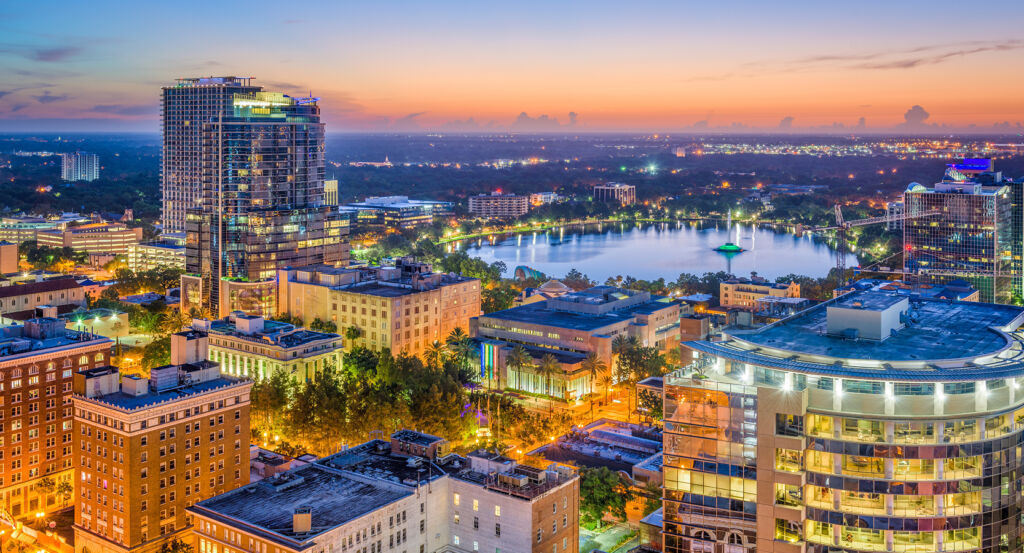
Top places to stay in Orlando, Florida.
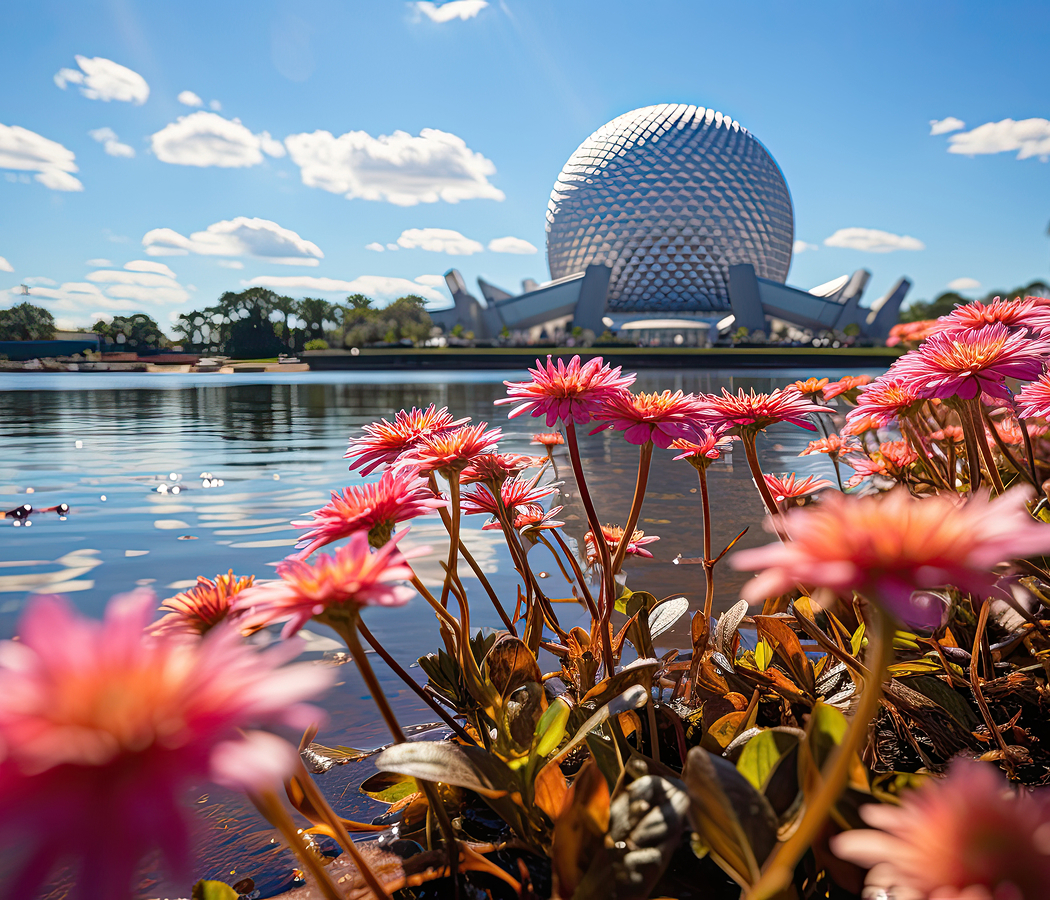
Orlando's transformation from a Central Florida agricultural town into the center of America's theme park industry reshaped the economics of leisure travel and produced one of the world's largest concentrations of resort hospitality. The region occupies the ancestral lands of Indigenous peoples, including the Timucua, whose communities inhabited Central Florida before European colonization. Established as a settlement during the nineteenth century, Orlando became the seat of Orange County in 1856 and developed through cattle ranching, citrus cultivation, and regional commerce. Railroad connections in the 1880s brought agricultural investors and winter visitors into the surrounding lake country, supporting downtown boardinghouses and small commercial inns. Florida's early twentieth-century tourism expansion gradually encouraged more substantial lodging, although Orlando remained primarily an agricultural and administrative center. The opening of McCoy Air Force Base during the Second World War strengthened the region's transportation infrastructure. A decisive transformation began when Walt Disney selected land southwest of Orlando for an ambitious entertainment complex. Walt Disney World opened in 1971 with the Magic Kingdom, Disney's Contemporary Resort, and Disney's Polynesian Village Resort, establishing a model in which themed accommodation became integral to the visitor experience. The opening of the Walt Disney World Village in 1975 expanded the resort's dining and shopping offerings. EPCOT followed in 1982, attracting visitors interested in international culture and technological imagination. The Grand Floridian Resort & Spa opened in 1988, introducing an elaborate Victorian-inspired interpretation of American seaside luxury. Universal Studios Florida opened in 1990, creating another major entertainment center and stimulating development along International Drive. Disney's Animal Kingdom opened in 1998, extending the region's themed environments into wildlife conservation and landscape design. The opening of Universal's Islands of Adventure and the Portofino Bay Hotel in 1999 strengthened the connection between immersive attractions and upscale resort accommodation. The Orange County Convention Center's successive expansions supported a substantial parallel market for corporate meetings and exhibitions. More recently, luxury properties, extensive vacation-home communities, and new entertainment districts have broadened the region's appeal. Orlando's hospitality economy now reflects an extraordinary convergence of entertainment entrepreneurship, transportation investment, international tourism, and architectural experimentation.
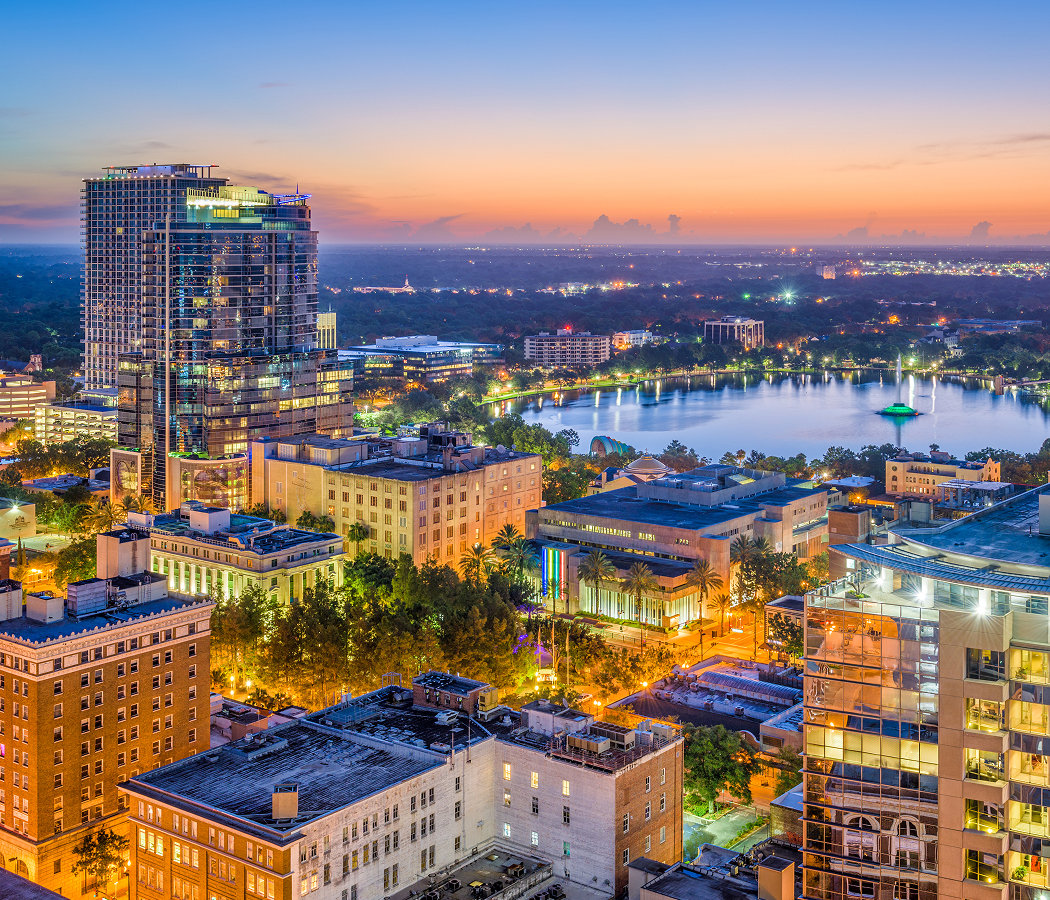
Orlando occupies a gently undulating Central Florida landscape of freshwater lakes, wetlands, pine forests, and subtropical vegetation, with major lodging districts extending southwest from its historic urban center. Downtown Orlando offers a metropolitan setting distinct from the surrounding entertainment resorts. Contemporary hotels rise near Lake Eola, the Dr. Phillips Center for the Performing Arts, and established commercial streets, providing access to restaurants, cultural venues, and the central business district. Brick-lined streets and restored commercial buildings contribute architectural character around Thornton Park, where smaller properties offer a more intimate neighborhood atmosphere. Southwest of downtown, the Universal Orlando area forms a substantial concentration of themed resorts, contemporary towers, and landscaped entertainment complexes. Properties cluster around pedestrian promenades, artificial waterways, and carefully designed recreational environments, creating convenient connections between accommodation and major attractions. Farther south, International Drive presents a dense hospitality corridor containing high-rise hotels, convention properties, restaurants, and entertainment venues. Its broad avenues and extensive commercial development reflect the scale of Orlando's international visitor economy. The adjoining convention district includes substantial luxury resorts with expansive atriums, landscaped pools, and major meeting facilities. Westward, the Lake Buena Vista area introduces a greener environment through resort campuses, wooded roads, and extensive recreational grounds. Accommodation ranges from sophisticated international-brand properties to residential-style suites arranged around gardens and lakes. The nearby Disney Springs district provides convenient access to waterfront dining, shopping, and entertainment within a carefully landscaped setting. Farther southwest, the Walt Disney World resort area encompasses an extraordinary variety of architectural environments, from monorail-connected lakeside properties to wilderness-inspired lodges and Mediterranean-themed retreats. Substantial grounds, elaborate landscaping, and integrated transportation systems create self-contained resort communities. Southward, the Celebration area presents a quieter residential landscape through traditional town planning, walkable streets, landscaped lakes, and architecture inspired by historic American communities. Smaller inns and vacation properties provide a more relaxed setting near the major entertainment corridors. Eastward, the airport district contains contemporary business hotels and substantial accommodation designed around transportation convenience. North of downtown, Winter Park offers an elegant alternative through brick-paved streets, historic residential architecture, landscaped parks, and a chain of scenic lakes. Boutique properties near Park Avenue provide access to independent shops, galleries, and established restaurants. The surrounding neighborhoods preserve a refined Central Florida atmosphere through mature oak trees and carefully maintained gardens. Across greater Orlando, accommodation ranges from sophisticated urban hotels and convention resorts to immersive themed properties, intimate lakeside retreats, and extensive residential vacation communities, with the region's waterways and subtropical vegetation shaping its distinctive recreational landscape. Foresyte may earn a commission when you book.
Foresyte Travel's top five choices.
5. JW Marriott Orlando, Grande Lakes
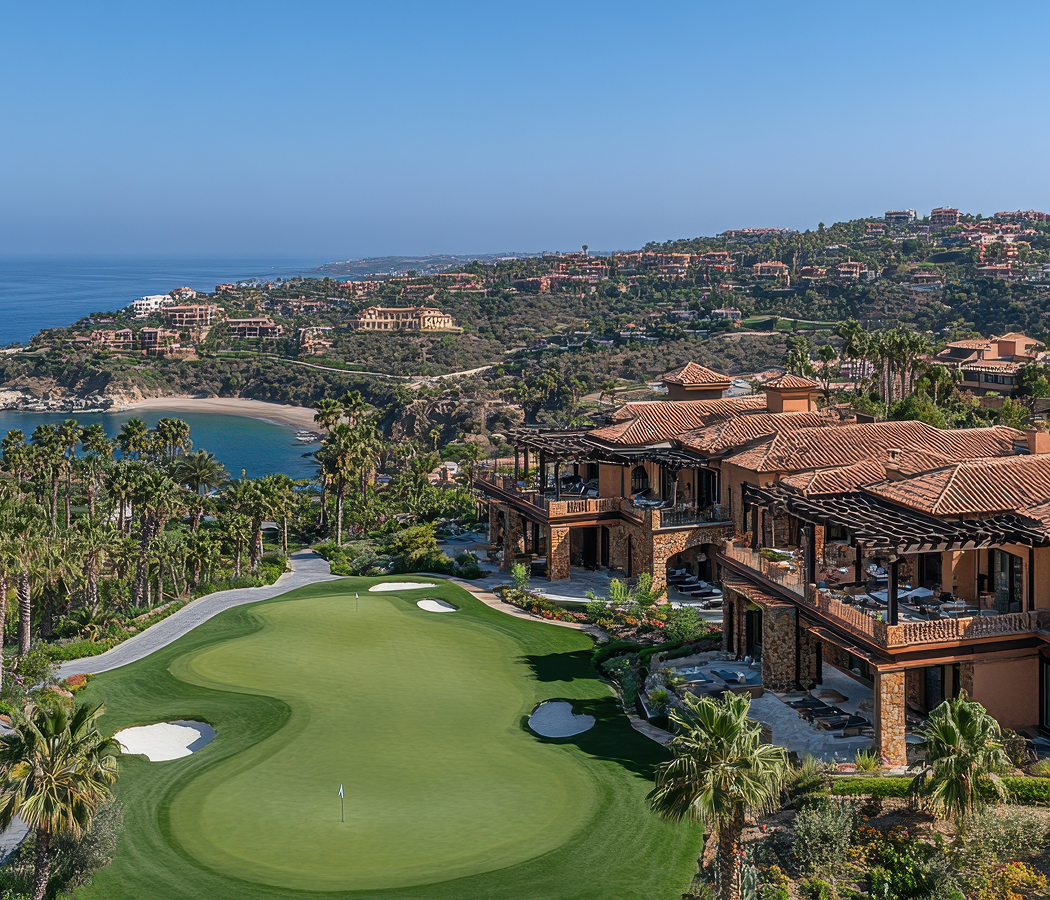
JW Marriott Orlando, Grande Lakes opened in 2003 as part of Grande Lakes Orlando, a major resort development created across hundreds of acres south of Central Orlando. The project paired JW Marriott with The Ritz-Carlton in an interconnected campus, bringing two Marriott International brands into a single destination conceived around extensive landscaped grounds and the headwaters region of the Florida Everglades. Greg Norman designed the resort's golf course, using wetlands and native vegetation to integrate recreation into the Central Florida landscape. Grande Lakes arrived as Orlando's hospitality geography expanded beyond the immediate boundaries of its major theme parks into increasingly self-contained resort districts. JW Marriott represents the large-scale destination development that accompanied Central Florida's evolution into one of the world's most concentrated hospitality markets.
4. Conrad Orlando at Evermore
Conrad Orlando at Evermore opened in 2024 as the hotel centerpiece of Evermore Orlando Resort, a large-scale redevelopment of the former Villas of Grand Cypress property near Walt Disney World. Dart Interests transformed the established resort site into a new district combining Conrad, vacation residences, golf, and an immense artificial lagoon built around a sandy shoreline. The eight-acre Evermore Bay uses advanced water-treatment technology to create a controlled recreational body of water at a scale unusual among Central Florida resorts. HKS designed Conrad as a contemporary component of the broader development, orienting the building and surrounding spaces toward the lagoon. Conrad Orlando captures the newest generation of Orlando resort construction, where engineered landscapes and mixed lodging formats create destinations extending far beyond the traditional hotel building.
3. Waldorf Astoria Orlando
Waldorf Astoria Orlando opened in 2009 within Bonnet Creek, a privately held enclave almost entirely surrounded by Walt Disney World property. The hotel introduced the Waldorf Astoria name to Florida during Hilton's expansion of the brand beyond the original New York property, translating its grand-hotel lineage into a purpose-built Central Florida resort. Architect HKS designed the property as part of a larger development shared with Hilton Orlando Bonnet Creek, arranging the buildings around golf terrain and preserved wetlands. Rees Jones created the golf course across the surrounding landscape, giving the enclave a substantial recreational element distinct from neighboring theme-park infrastructure. Waldorf Astoria Orlando represents the extension of a historic urban hotel brand into the master-planned resort geography created around Walt Disney World.
2. The Ritz-Carlton Orlando, Grande Lakes
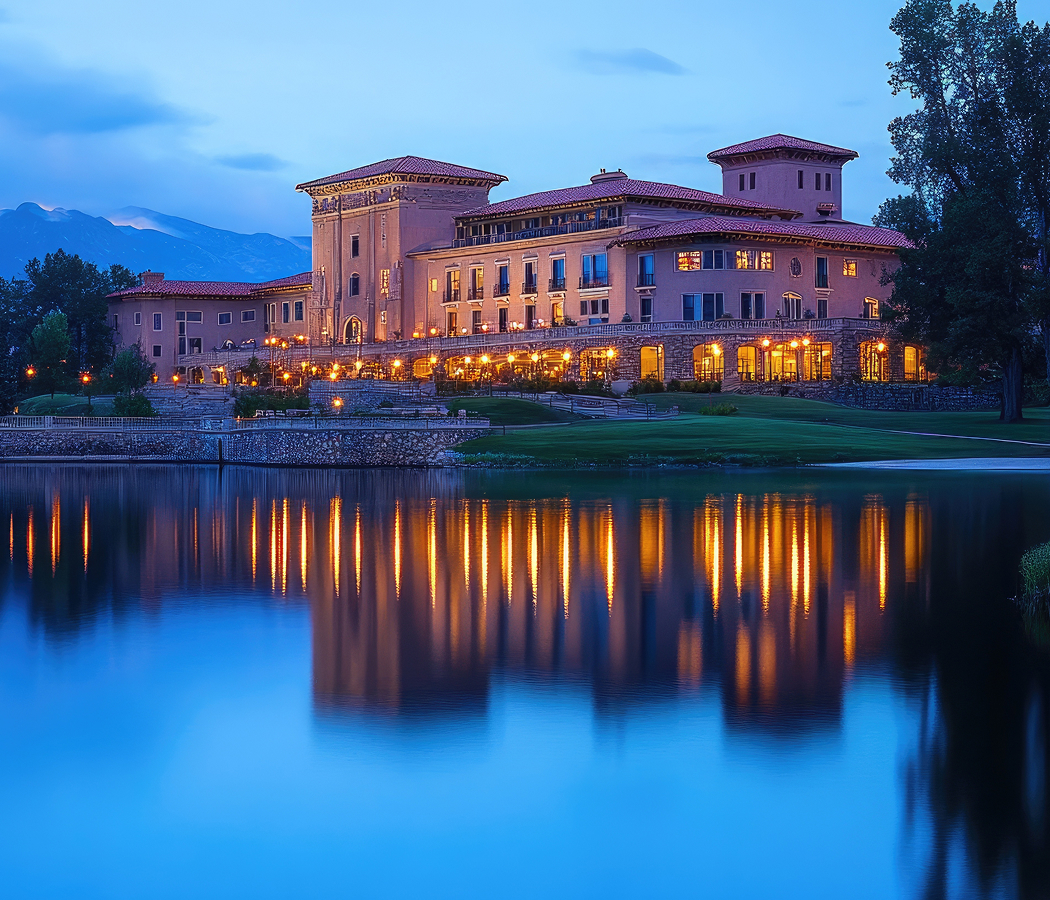
The Ritz-Carlton Orlando, Grande Lakes opened in 2003 as the luxury anchor of the Grande Lakes development south of Orlando's principal theme-park corridor. The property shares a vast resort landscape with JW Marriott, creating an interconnected hospitality complex organized around lakes, wetlands, golf terrain, and substantial open space. Architects drew from Italianate and Mediterranean precedents in the resort's massing, arcades, tiled roofs, and formal relationship with the surrounding water. Grande Lakes established a self-contained destination on land removed from Orlando's dense attraction districts, broadening the geography of high-end resort development across Central Florida. The Ritz-Carlton anchors that transformation through a property conceived at the scale of an entire recreational estate.
1. Four Seasons Resort Orlando at Walt Disney World Resort
Four Seasons Resort Orlando at Walt Disney World Resort opened in 2014 within Golden Oak, the residential community developed by Walt Disney World on property east of the Magic Kingdom. The resort became the first independently operated luxury hotel inside the residential development, embedding Four Seasons within land shaped by Disney's transformation of Central Florida beginning in the 1960s. HKS designed the building around lakes, gardens, golf terrain, and a broad horizontal composition that departs from the themed architecture associated with many surrounding Disney hotels. Tom Fazio redesigned the golf course incorporated into the resort landscape, extending the property across terrain previously associated with Disney's Osprey Ridge course. Four Seasons Orlando places an international hotel company inside the vast planned geography created by Walt Disney World, linking contemporary resort development with the project that fundamentally transformed Central Florida tourism.
Where your story begins.
Foresyte Travel reveals places that feel extraordinary long before you arrive.
Enjoy editorial crafted for luxury travelers.
Foresyte may earn a commission when you book.