Top places to stay in Houston, Texas.
Houston built its hospitality foundations on the commercial ambitions of Buffalo Bayou, the expansion of Texas railroads, and the immense wealth of the Gulf Coast petroleum industry, with the growth of international energy commerce, medical innovation, and space exploration establishing a sophisticated culture of business travel and Southern hospitality. Brothers Augustus Chapman Allen and John Kirby Allen founded the settlement in 1836 and named it for Sam Houston, whose victory at San Jacinto had secured Texas independence. Houston briefly served as the republic's capital, attracting legislators, land speculators, and commercial visitors to boardinghouses near its muddy streets and river landings. Railroads transformed the settlement during the nineteenth century, connecting its cotton trade with the agricultural interior and expanding the market for commercial lodging. The opening of the Rice Hotel in 1883 established a prominent downtown institution on the former site of the Republic of Texas capitol. Houston's economic trajectory changed decisively after the discovery of oil at Spindletop in 1901, which accelerated investment across southeastern Texas. The completion of the Houston Ship Channel in 1914 established a deepwater connection to the Gulf of Mexico, strengthening the city's position in international commerce. The opening of the Warwick Hotel in 1926 introduced an elegant residential-style establishment near the developing cultural district. Three years later, the opening of the original Shamrock Hotel project was still two decades away; its eventual debut in 1949 became a striking expression of postwar oil wealth, with Glenn McCarthy's extravagant property attracting Hollywood celebrities and national attention. The expansion of petroleum headquarters and engineering firms supported a growing market for executive accommodation, convention facilities, and prestigious dining rooms. The establishment of NASA's Manned Spacecraft Center in 1961 brought scientists, astronauts, and aerospace contractors to the southeastern metropolitan area, generating another substantial source of business travel. The center's subsequent designation as Johnson Space Center reinforced Houston's international association with human spaceflight. The opening of the Hyatt Regency Houston in 1972 introduced an expansive atrium hotel to the downtown business district, reflecting the scale of the city's commercial expansion. The opening of the George R. Brown Convention Center in 1987 strengthened Houston's capacity for major exhibitions and professional gatherings. Energy-sector investment and international migration subsequently encouraged new luxury properties and the restoration of historic commercial buildings. The opening of the Post Oak Hotel in 2018 marked another ambitious expression of Houston's contemporary luxury market. From bayou commerce and petroleum fortunes to aerospace engineering and international business, the city's hotels developed in response to industries that continually enlarged its economic reach.
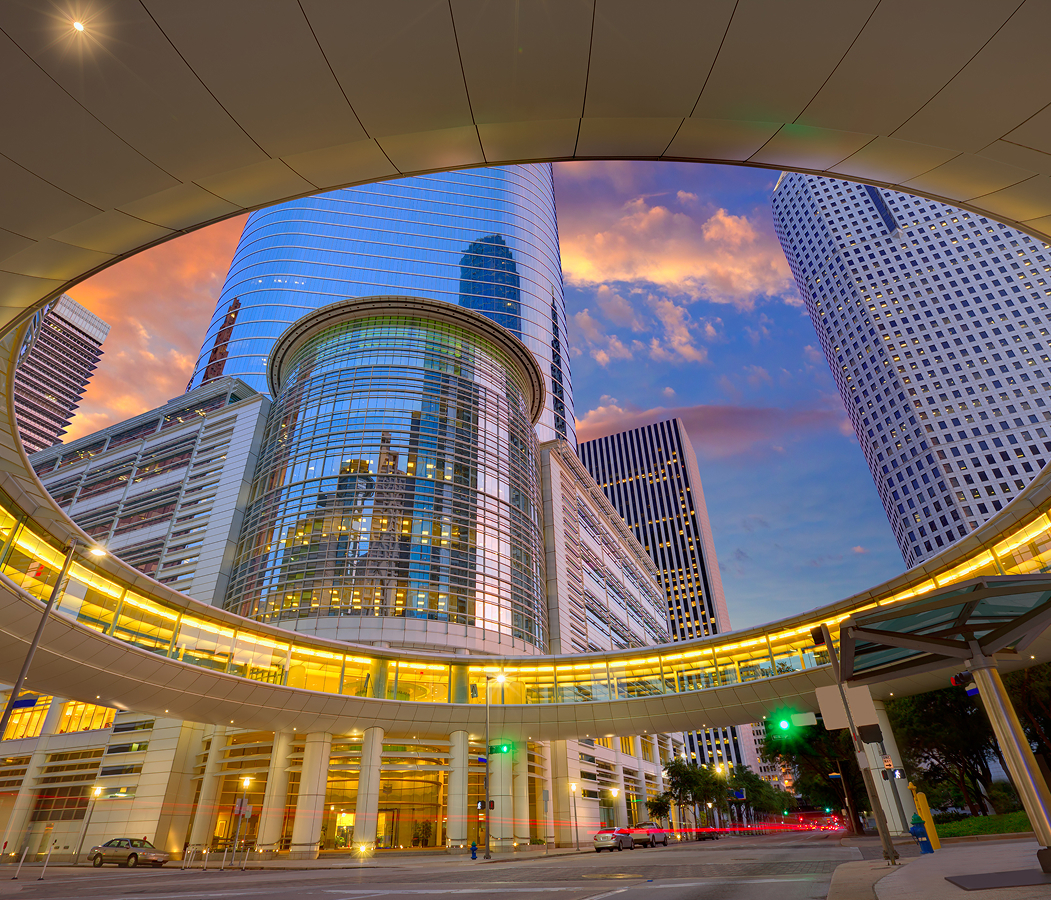
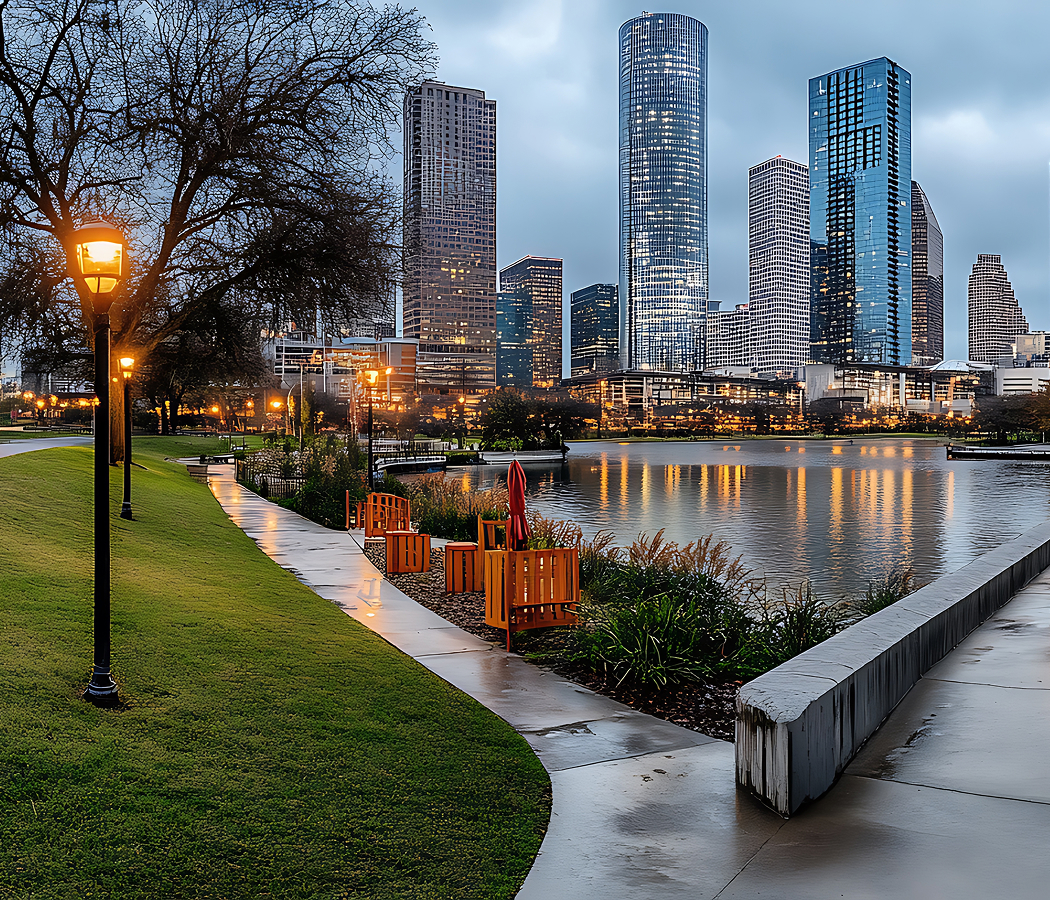
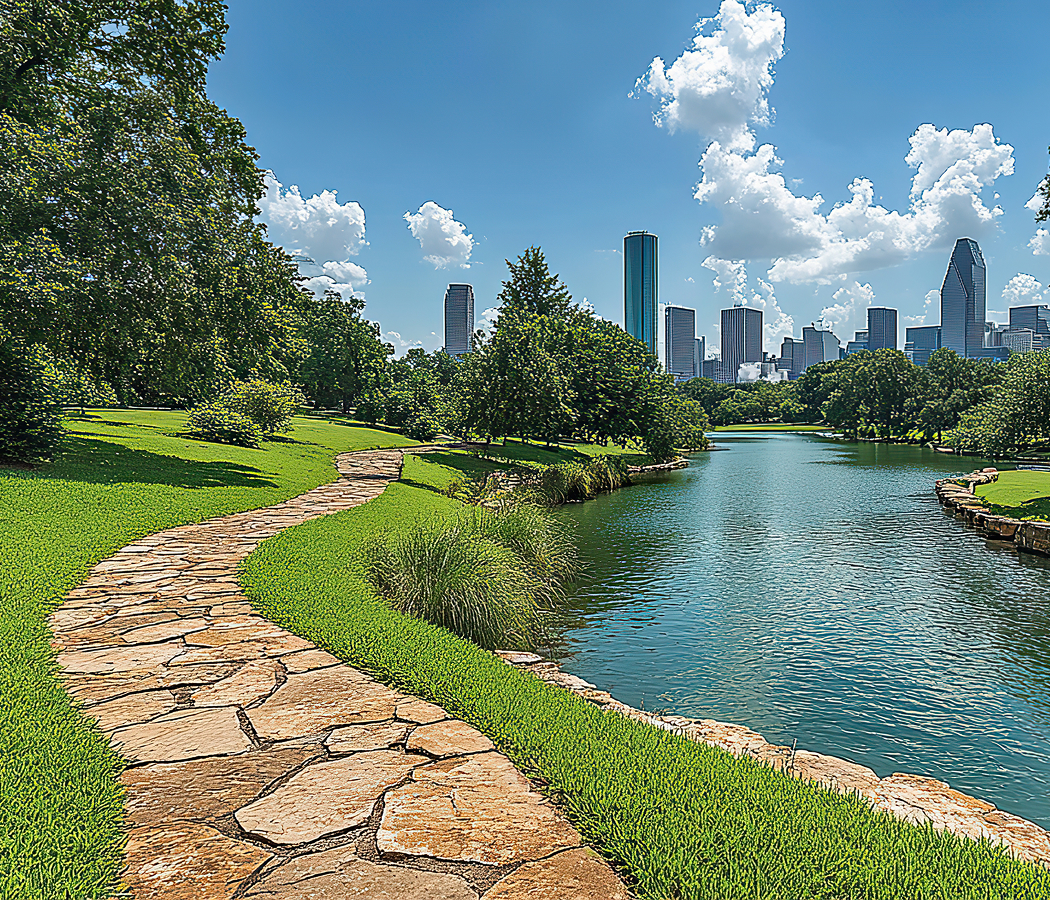
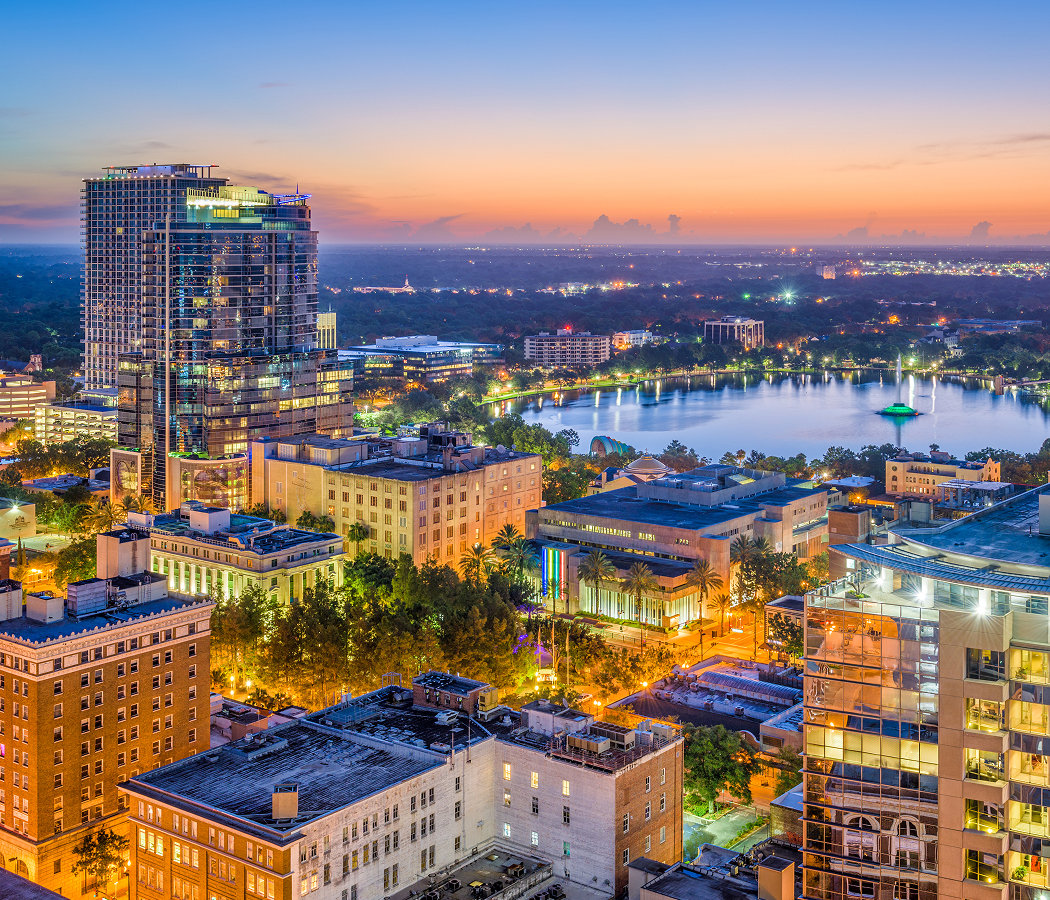
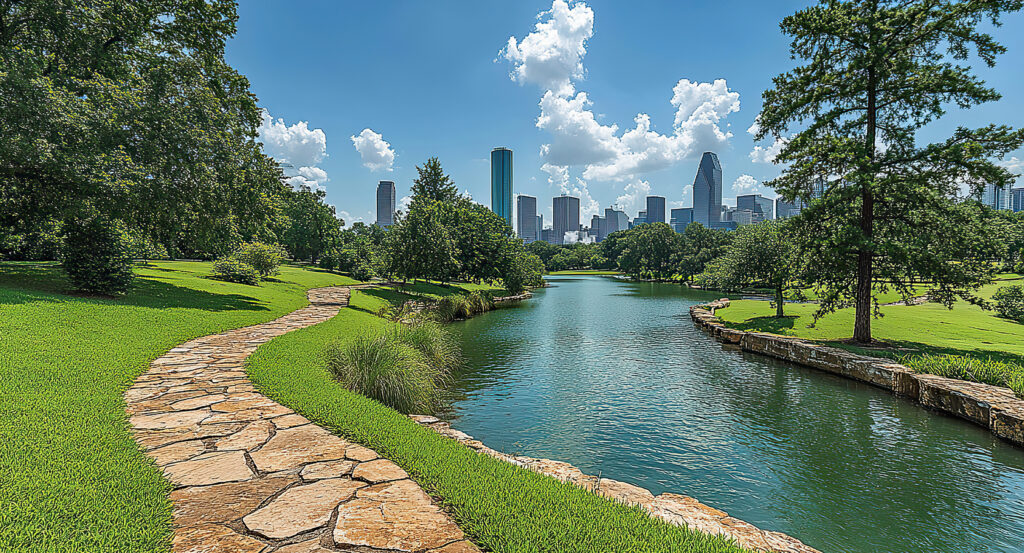
Houston spreads across a broad Gulf Coastal Plain, and its principal hotel districts occupy distinct commercial and cultural centers connected by expansive boulevards and freeways. Downtown presents the most concentrated metropolitan setting, with substantial towers rising above the historic street grid near Market Square and the Theater District. Hotels occupy contemporary skyscrapers and restored commercial buildings, placing guests near major performance venues, professional offices, and the landscaped corridors of Buffalo Bayou. The downtown tunnel system links numerous buildings beneath the central business district, offering a distinctive pedestrian network shaped by Houston's climate. Westward, the Buffalo Bayou corridor introduces a greener setting through wooded banks, recreational trails, and views toward the skyline. The neighboring Washington Avenue area combines former industrial properties, established residential streets, and contemporary development, supporting smaller hotels near restaurants and nightlife. Farther southwest, the Museum District occupies a cultural landscape of tree-lined avenues, substantial institutional buildings, and historic residential architecture. Accommodation here offers proximity to the Museum of Fine Arts, Houston, the Houston Museum of Natural Science, and Hermann Park, whose gardens and broad lawns provide a striking contrast to the commercial center. The adjoining Texas Medical Center creates a separate concentration of hotels serving patients, families, researchers, and visiting professionals. Its expansive hospitals and academic buildings form one of the world's largest medical complexes, with nearby accommodation organized around practical access and extended stays. North of the Museum District, Montrose retains an eclectic residential character through early twentieth-century houses, intimate commercial streets, and established cultural institutions. Boutique properties and guesthouses occupy quieter settings near independent restaurants and neighborhood galleries. Westward, River Oaks introduces Houston's most prominent landscape of established residential wealth, with substantial houses, mature trees, and carefully maintained grounds extending along broad avenues. Nearby Upper Kirby combines upscale accommodation with contemporary retail developments and established commercial corridors. The Galleria and Uptown district forms another principal luxury hotel center, distinguished by substantial office towers, prestigious shopping destinations, and wide boulevards. Properties here serve international business travelers and visitors drawn to Houston's concentration of luxury retail and corporate institutions. Farther west, the Energy Corridor extends along Interstate 10 through a landscape of corporate campuses, contemporary hotels, and substantial residential communities near the wooded expanses of Terry Hershey Park. Southeast of the urban core, the Clear Lake area provides access to the region's aerospace institutions and waterfront recreation, with hotels serving both professional visitors and travelers exploring Galveston Bay. These contrasting districts reveal the physical character of a decentralized metropolis: concentrated business towers downtown, established cultural neighborhoods inside the Loop, prestigious western commercial centers, and specialized destinations extending toward the coast. Foresyte may earn a commission when you book.
Foresyte Travel's top five choices.
5. Thompson Houston
Thompson Houston opened in 2024 within The Allen, a major mixed-use development overlooking Buffalo Bayou Park and the Allen Parkway corridor. DC Partners developed the project with architecture by HOK, placing the hotel inside the western expansion of Houston's central skyline toward one of the city's most important urban park systems. The building's curved glass form responds to its position above the park and the bayou landscape that has shaped Houston's geography since the city's founding. Thompson's arrival joined a large-scale redevelopment with the decades-long transformation of Buffalo Bayou from flood-control infrastructure into a defining civic landscape.
4. Hotel Granduca
Hotel Granduca was founded in 2006 by Italian-born Houston developer Giorgio Borlenghi, who conceived the property around the architecture and atmosphere of an Italian palazzo. Borlenghi developed the hotel in Uptown near his company's Uptown Park project, embedding an independent hospitality property within a district transformed by decades of high-rise commercial and residential growth. Courtyards, masonry, classical detailing and residentially scaled interiors established a European architectural character distinct from the glass towers surrounding the property. A multimillion-dollar renovation completed in 2025 reworked the interiors while preserving the Italian conception that has defined Granduca since its creation.
3. Houston Grand Hotel, River Oaks
Houston Grand Hotel, River Oaks occupies the former St. Regis Houston at 1919 Briar Oaks Lane, positioned in Uptown near River Oaks and The Galleria. The property spent decades under the St. Regis name before its 2025 transition established a new independent character and affiliation with Marriott's portfolio. Its location reflects the westward movement of Houston's luxury-hospitality industry toward the commercial and residential districts surrounding Post Oak Boulevard, River Oaks and the West Loop. The rebranding marks a significant institutional change for a long-established Houston hotel, separating the property from the St. Regis character that had defined it since the 1980s.
2. JW Marriott Houston Downtown
JW Marriott Houston Downtown occupies the former Carter Building, commissioned by lumberman and banker Samuel Fain Carter and completed in 1910 as the tallest building in Texas. Sanguinet and Staats designed the steel-framed structure during the early vertical development of Main Street, and its unprecedented height prompted skeptical Houstonians to nickname it “Carter's Folly.” The building subsequently became the Second National Bank Building, underwent major expansion and alteration, and survived long enough for Pearl Hospitality to undertake an extensive restoration before the hotel opened in 2014. Its conversion preserved one of Houston's formative early skyscrapers, connecting the contemporary hotel directly with the period when the city's commercial ambitions first began transforming its skyline.
1. The Post Oak Hotel at Uptown Houston
The Post Oak Hotel at Uptown Houston was conceived by Tilman Fertitta as the centerpiece of a ten-acre mixed-use development combining hospitality, residences, offices, retail and the headquarters of Fertitta Entertainment. Gensler provided master planning, architecture and interior architecture for the project, whose thirty-six-story tower rose along the West Loop during Houston's continuing concentration of wealth and development around Uptown. Fertitta deliberately launched the hotel independently of a national hotel flag, placing his own hospitality organization behind a property intended to compete at the highest level of the market. Its 2018 opening represented both a major expansion of Fertitta's Houston business empire and an unusually ambitious independent entry into the city's luxury-hotel sector.
Where your story begins.
Foresyte Travel reveals places that feel extraordinary long before you arrive.
Enjoy editorial crafted for luxury travelers.
Foresyte may earn a commission when you book.