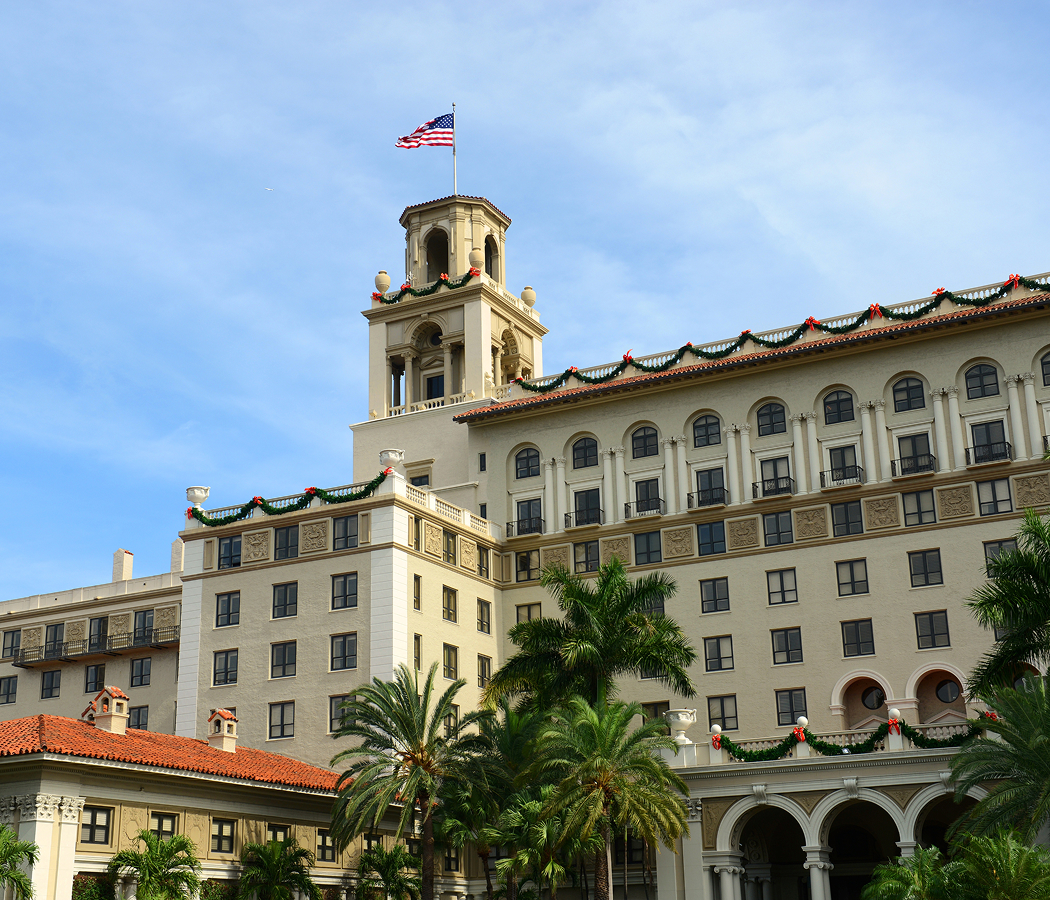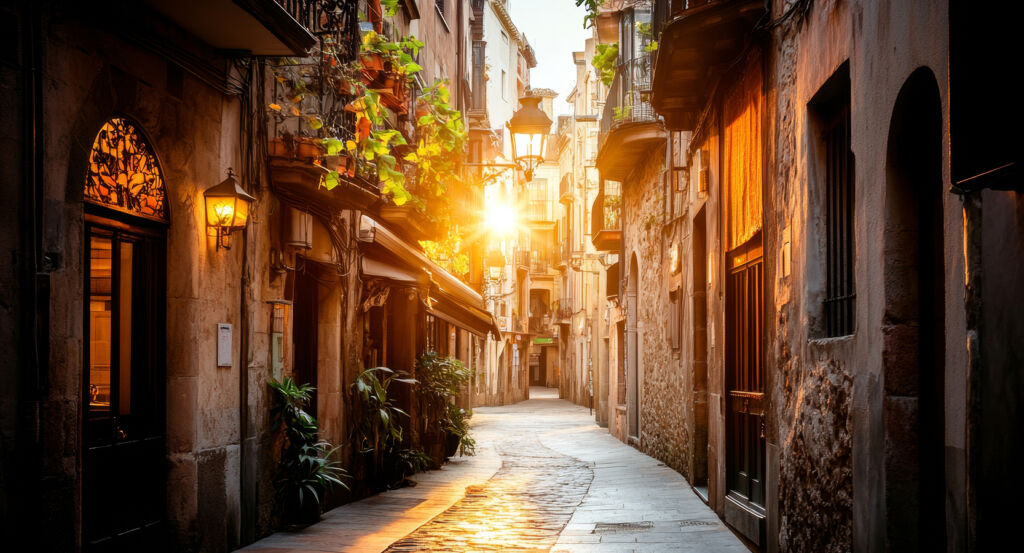
Top places to stay in Barcelona, Spain.
Barcelona offers accommodations that range from grand luxury hotels overlooking celebrated boulevards to boutique properties hidden within medieval streets and contemporary beachfront resorts, placing visitors within easy reach of Gaudí's architectural masterpieces, renowned museums, Mediterranean beaches, and one of Europe's most energetic culinary scenes. Each neighborhood reveals a different perspective on the Catalan capital, where Gothic history, modernist design, and coastal living come together across a remarkably walkable city.
Eixample remains Barcelona's defining hospitality district, where Passeig de Gràcia, Casa Batlló, Casa Milà, and the Sagrada Família surround visitors with elegant avenues, luxury shopping, and some of the city's finest accommodations. Landmark hotels including Mandarin Oriental, Barcelona, Almanac Barcelona, Majestic Hotel & Spa Barcelona, Hotel Casa Fuster, and El Palace Barcelona place guests within moments of Barcelona's most celebrated architectural landmarks, while neighboring Barri Gòtic (Gothic Quarter) combines medieval streets, Barcelona Cathedral, Plaça Reial, and centuries of history with distinguished properties including Kimpton Vividora Barcelona, Grand Hotel Central, and Mercer Hotel Barcelona. Beyond the historic center, El Born blends independent boutiques, acclaimed restaurants, art galleries, and lively plazas with boutique hotels woven throughout one of the city's most atmospheric neighborhoods.
As Barcelona extends toward the Mediterranean, Barceloneta surrounds visitors with golden beaches, waterfront promenades, seafood restaurants, and luxury hotels including W Barcelona, while Gràcia reveals another side of the city through leafy squares, neighborhood cafés, artisan boutiques, and intimate boutique accommodations that reflect its independent character. Across Poblenou, Sant Antoni, and the slopes surrounding Montjuïc, contemporary hotels, restored industrial buildings, and refined urban retreats provide distinctive perspectives on the Catalan capital. Between grand heritage hotels, internationally acclaimed luxury properties, beachfront resorts, and intimate neighborhood stays, Barcelona offers accommodations that complement every style of travel while showcasing the remarkable diversity and enduring character of one of Europe's great coastal cities. Foresyte may earn a commission when you book.
Foresyte Travel's top five choices.
5. Majestic Hotel & Spa Barcelona
Majestic Hotel & Spa Barcelona opened on Passeig de Gràcia in 1918, placing the property on the boulevard that had become the architectural and social showcase of Barcelona's Eixample. The Soldevila-Casals family acquired the hotel during its formative years and has maintained family ownership across three generations, giving the property unusual institutional continuity among the city's major luxury hotels. Its art collection developed into a substantial program of modern and contemporary Spanish work, with artists including Joan Miró, Antoni Tàpies and Josep Guinovart represented throughout the building. More than a century of family stewardship connects the Majestic directly with Passeig de Gràcia's evolution from the great residential avenue of Catalan modernisme into Barcelona's principal international luxury corridor.
4. The Barcelona EDITION
The Barcelona EDITION transformed a former office building beside Santa Caterina Market into the Spanish expression of the hospitality concept created through Ian Schrager's partnership with Marriott International. Carlos Ferrater Studio reshaped the building architecturally, placing a contemporary hotel directly beside Enric Miralles and Benedetta Tagliabue's celebrated multicolored market roof and the dense medieval fabric of Ciutat Vella. Ian Schrager Company developed the interiors around walnut paneling, oak floors, custom furnishings and carefully controlled lighting, continuing Schrager's decades-long influence on the relationship between hotels, nightlife and contemporary design. Its 2018 opening embedded the EDITION model within Barcelona's historic core, joining a global hospitality venture to a neighborhood whose architectural layers extend from medieval streets to one of the city's defining works of twenty-first-century market architecture.
3. W Barcelona
W Barcelona occupies reclaimed waterfront at the entrance to Barcelona's port, where Ricardo Bofill designed the sail-shaped glass tower as part of the city's continuing transformation of its Mediterranean shoreline. Bofill curved the façade toward the sea and placed the tower on the Nova Bocana beside Barceloneta, creating a building whose form operates as a terminating architectural marker at the edge of the harbor. Its 2009 opening extended the redevelopment trajectory initiated by Barcelona's preparations for the 1992 Olympic Games, which had reconnected large portions of the city with beaches and waterfront infrastructure. The project joined Bofill's late architectural career with Barcelona's multidecade reinvention of its coastline, giving the harbor a contemporary vertical counterpoint to the historic city behind it.
2. Hotel Arts Barcelona
Hotel Arts Barcelona originated in the transformation of the city's waterfront for the 1992 Summer Olympics, rising beside Port Olímpic as part of the enormous urban intervention that reopened Barcelona toward the Mediterranean. Skidmore, Owings & Merrill partner Bruce Graham designed the exposed structural tower, placing it opposite an equally tall office building to create the twin vertical markers of the Olympic waterfront. Frank Gehry's grand Peix sculpture stands at the base of the hotel, its shimmering metal surface becoming another defining work produced for the Olympic redevelopment. Hotel Arts belongs to one of the most consequential periods of modern Barcelona urbanism, when infrastructure, beaches, architecture and public art collectively transformed former industrial coastline into a new maritime district.
1. Mandarin Oriental, Barcelona
Mandarin Oriental, Barcelona occupies the former Banco Hispano Americano headquarters completed in 1955 by Basque architect Manuel Galíndez on a site previously occupied by the Círculo Ecuestre, among Barcelona's prominent social institutions. Carlos Ferrater and Juan Trias de Bes transformed the bank into a hotel in 2009, preserving its exterior and the three grand granite doorways sculpted by Frederic Marès as allegories of construction, agriculture and industry. Patricia Urquiola developed the interiors with custom furniture and references to Catalan craftsmanship, and landscape architect Bet Figueras collaborated on the garden concealed within the Passeig de Gràcia block. The conversion brought banking architecture, Marès's sculpture and contemporary Spanish design together inside the avenue containing major works by Antoni Gaudí, Josep Puig i Cadafalch and Lluís Domènech i Montaner, giving Mandarin Oriental a direct architectural relationship with Barcelona's most consequential design corridor.
Where your story begins.
Foresyte Travel reveals places that feel extraordinary long before you arrive.
Enjoy editorial crafted for luxury travelers.
Foresyte may earn a commission when you book.