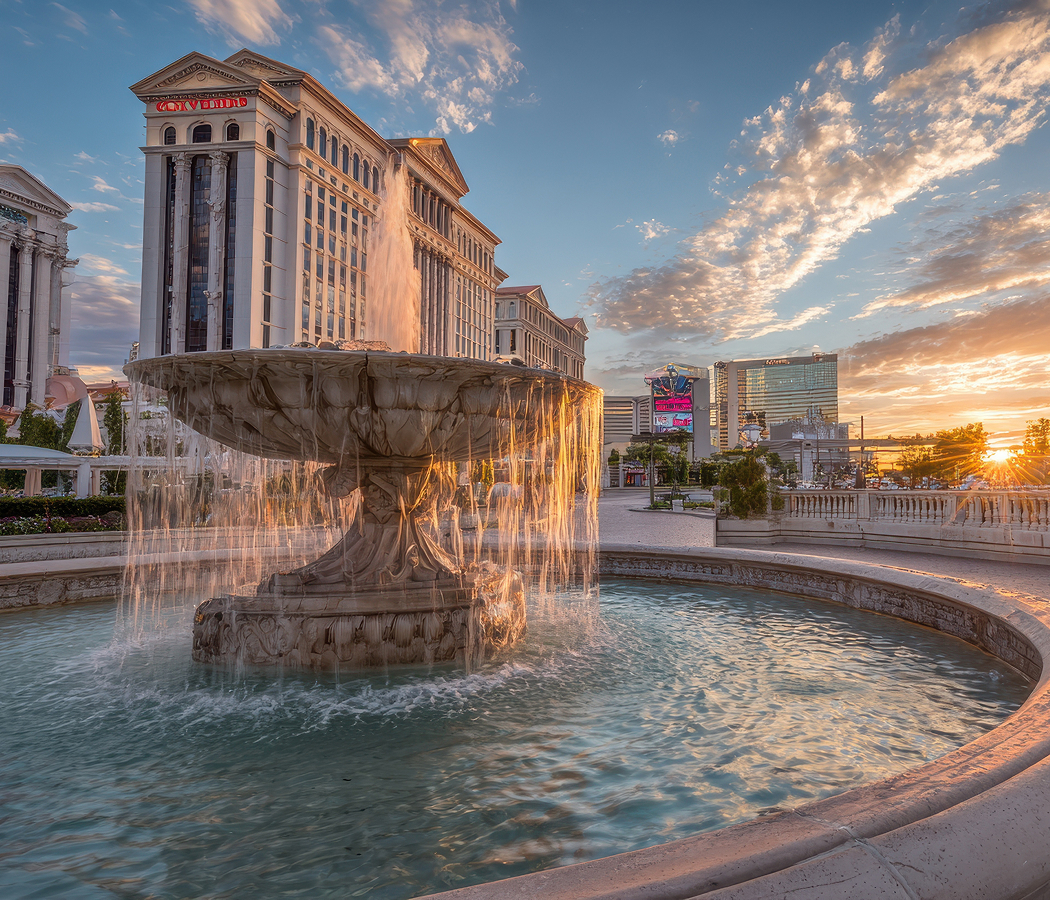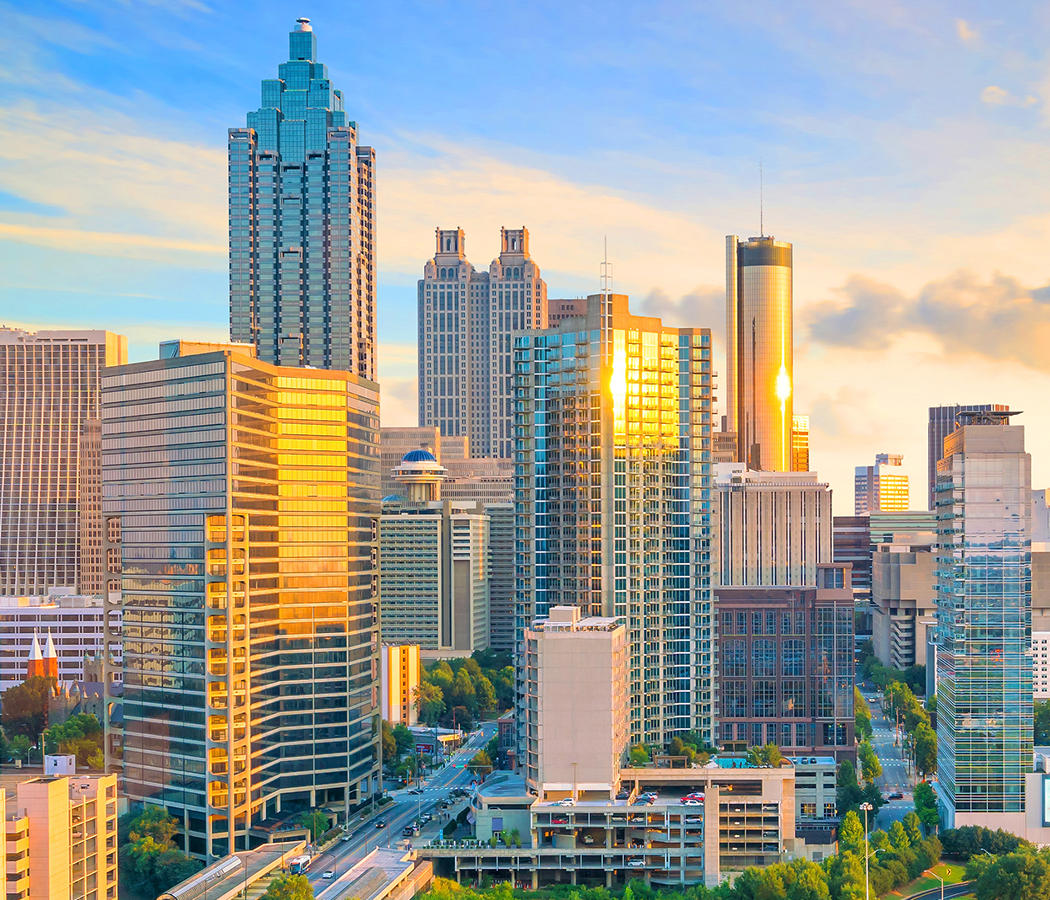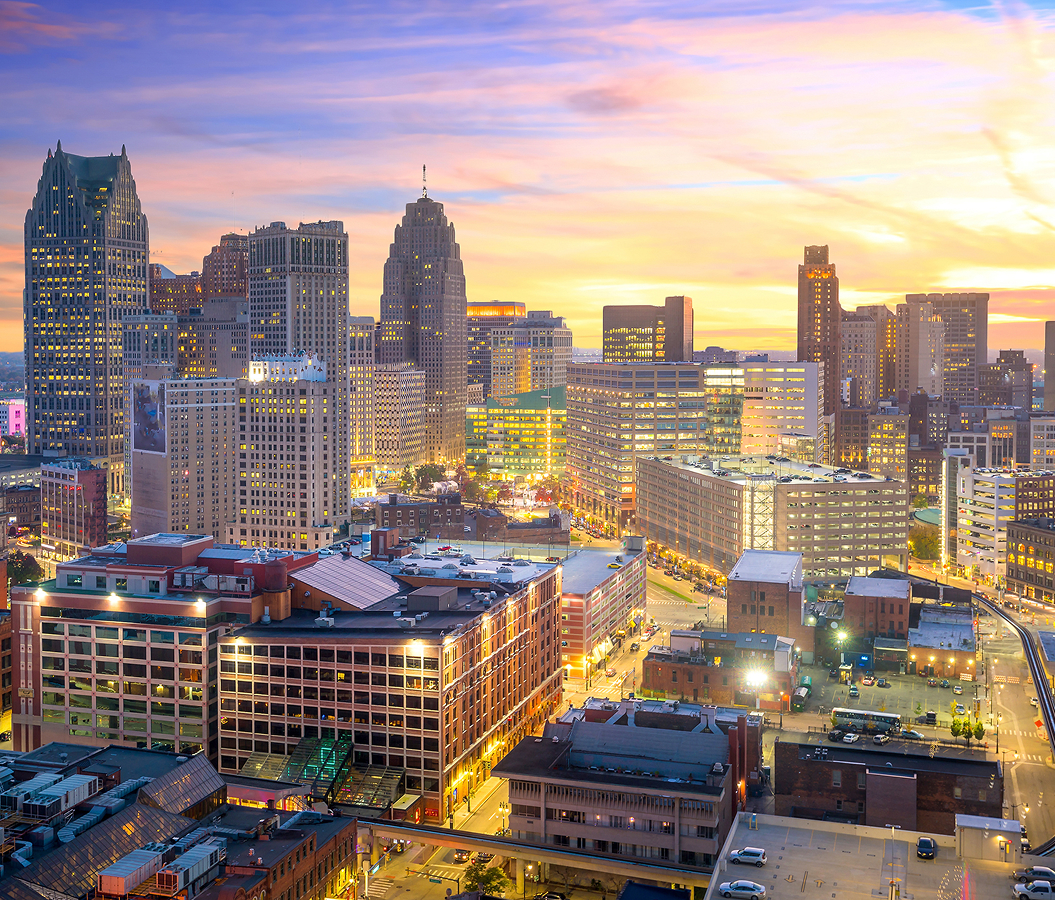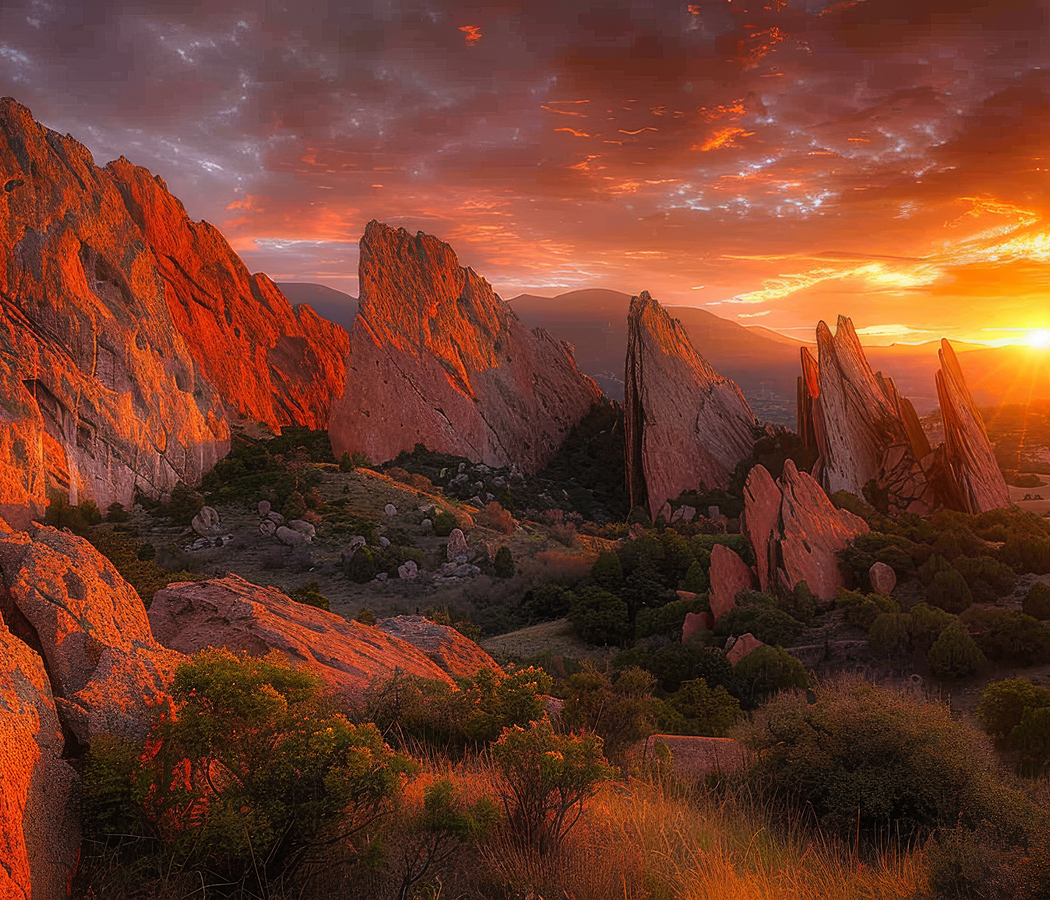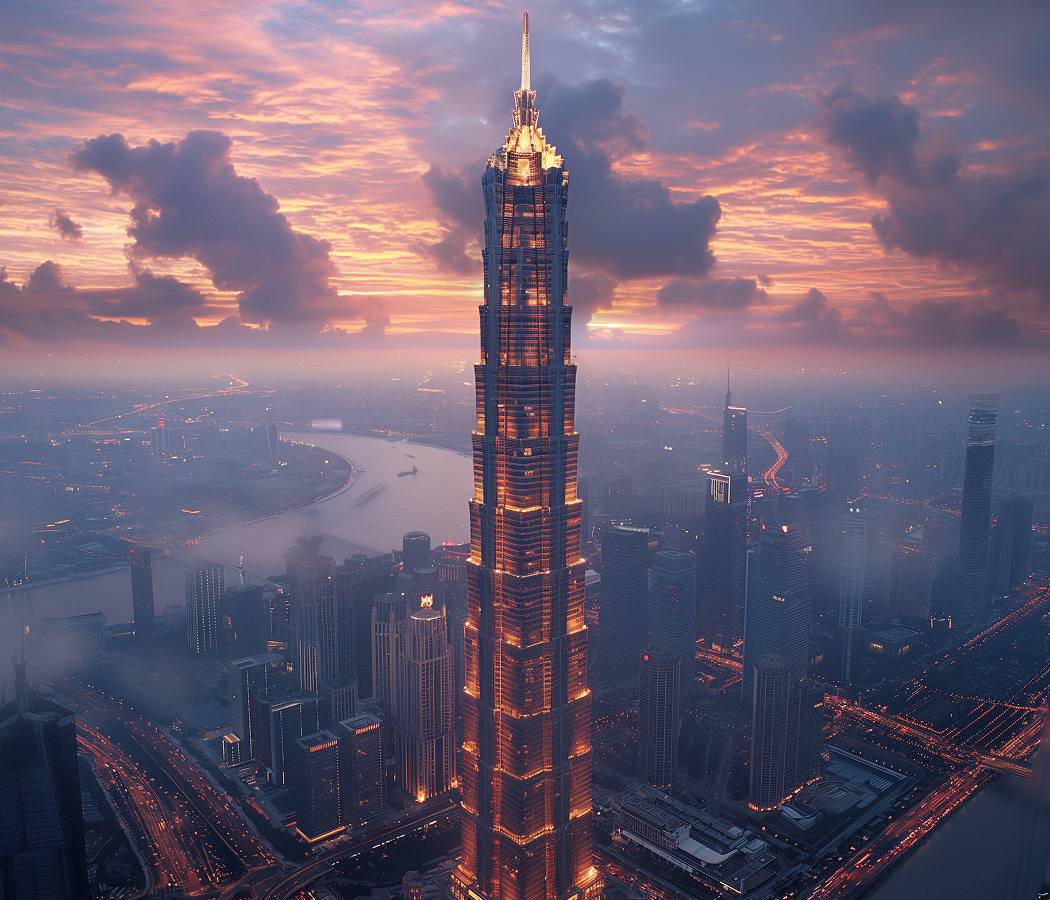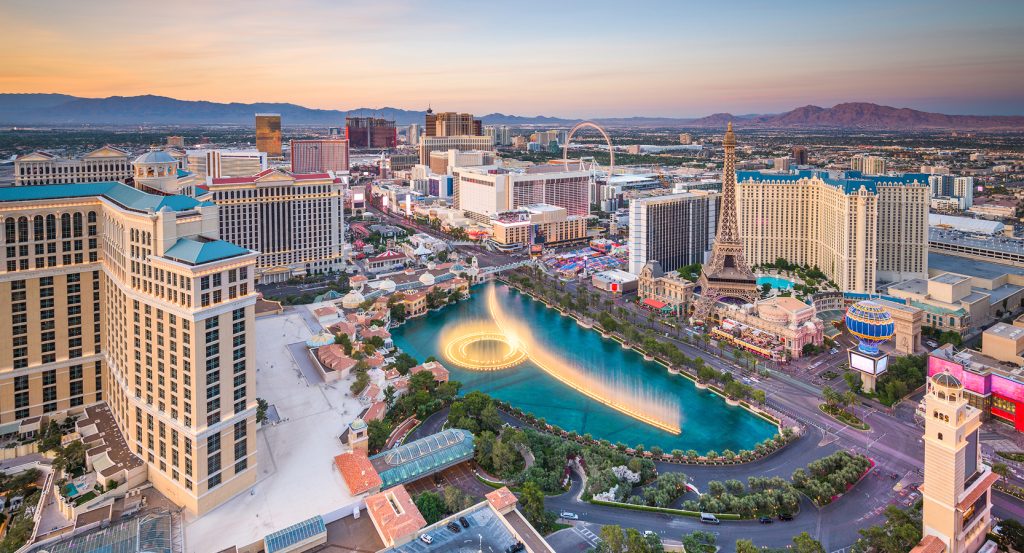
Perfect weekend in Las Vegas, Nevada.
Las Vegas rose from an isolated desert oasis into one of the world's foremost entertainment capitals through the convergence of railroad expansion, legalized gambling, ambitious hospitality development, and the extraordinary population growth of the American Southwest. Situated in the Mojave Desert within the Las Vegas Valley, the city is surrounded by the Spring Mountains to the west and the Frenchman and Sunrise mountain ranges to the east. Natural springs historically supported Indigenous communities and travelers crossing the arid landscape, with Southern Paiute peoples maintaining longstanding connections to the region's water sources and desert resources. Spanish explorers and traders traversed southern Nevada during the nineteenth century, and the name Las Vegas, meaning the meadows, became associated with the area's natural vegetation and springs. Mormon missionaries established a settlement in 1855, constructing a fort near the creek that supported early agricultural activity. The settlement was abandoned two years later, although ranching and transportation enterprises continued to develop throughout the valley. Las Vegas was formally established in 1905 following the auction of railroad land associated with the San Pedro, Los Angeles and Salt Lake Railroad, which connected Southern California with Utah. The city incorporated in 1911, initially functioning as a transportation and agricultural service center. Nevada legalized casino gambling in 1931, creating the foundation for an industry that subsequently transformed the local economy. During the 1940s, major resort developments expanded along Las Vegas Boulevard, including the Flamingo, which opened in 1946 under the direction of businessman Billy Wilkerson and gangster Benjamin Siegel. The postwar decades brought substantial investment in hotels, casinos, theaters, and restaurants, attracting performers and visitors from across the United States. Howard Hughes acquired several prominent casino properties during the late 1960s, contributing to a period of increasing corporate ownership. The opening of The Mirage in 1989 accelerated the development of large-scale themed resorts, establishing a new model for hospitality and entertainment investment. Las Vegas subsequently expanded through convention business, residential construction, professional sports, and international tourism, becoming the economic center of southern Nevada.
Nevadan entertainment history acquired an international stage in Las Vegas, where casino showrooms, theatrical productions, and celebrated performers transformed the conventions of American popular entertainment. During the 1950s and 1960s, Frank Sinatra, Dean Martin, Sammy Davis Jr., and their fellow Rat Pack performers established an enduring association with the city's nightclub culture, combining popular music, comedy, and celebrity appearances in productions that attracted national attention. Elvis Presley began a celebrated residency at the International Hotel in 1969, performing hundreds of concerts during the following seven years and contributing to the development of the modern Las Vegas residency. Liberace became another prominent figure in the city's entertainment history, with elaborate costumes, theatrical piano performances, and extravagant stage productions influencing subsequent generations of performers. The city's musical traditions expanded through appearances by major jazz artists, including Louis Armstrong, Ella Fitzgerald, and Nat King Cole, whose careers also intersected with the struggle against racial segregation in American entertainment. Las Vegas developed an equally significant tradition of theatrical performance through large-scale productions incorporating elaborate choreography, acrobatics, stage engineering, and increasingly sophisticated lighting technology. Cirque du Soleil established a major presence during the 1990s, beginning with Mystère in 1993 and subsequently developing productions that combined contemporary circus performance with ambitious theatrical design. The Smith Center for the Performing Arts, opened in 2012, strengthened the city's institutional performing arts scene through orchestral concerts, Broadway productions, and educational programming. Las Vegas's culinary history developed alongside its hospitality industry, initially emphasizing lavish dining rooms, steakhouse traditions, and elaborate buffet service. The city's classic steakhouses became associated with prime beef, seafood towers, tableside preparations, and formal dining rituals that accompanied the entertainment culture of the mid-twentieth century. During the 1990s, internationally prominent chefs established restaurants within major resort properties, contributing to the growth of ambitious fine dining and the introduction of diverse regional cuisines. Wolfgang Puck's Spago, which opened in Las Vegas in 1992, became an early example of this shift toward chef-driven restaurants. Subsequent decades brought influential French, Japanese, Italian, and contemporary American kitchens, expanding the city's culinary significance beyond its traditional resort dining model. A weekend in Las Vegas unfolds against the extraordinary history of American entertainment, where desert ingenuity, theatrical ambition, and celebrated culinary institutions have shaped one of the world's most recognizable metropolitan destinations.
Three day itinerary.
Day 1: Fremont Street Experience
Fremont Street Experience is best known for transforming the historic gambling corridor of Downtown into a pedestrian entertainment district beneath one of the world's largest illuminated architectural canopies. Fremont Street formed the commercial center of early Las Vegas, becoming the city's first paved street in 1925 and the location of its first traffic signal in 1931. The arrival of casinos including the Golden Nugget, Binion's Horseshoe, and Fremont Hotel established the corridor as the center of Nevada's expanding gambling industry. As resort development shifted toward the Las Vegas Strip, downtown operators pursued a coordinated redevelopment that culminated in the opening of Fremont Street Experience in 1995. Architect Jon Jerde conceived the pedestrian environment around a massive overhead light installation, subsequently transformed into the Viva Vision canopy spanning five blocks. Its LED displays synchronize animated imagery with music above the historic casino facades, creating a continuous audiovisual environment across the street. The SlotZilla zipline later introduced an elevated route through the illuminated corridor, extending the district's entertainment infrastructure into the space beneath the canopy. Fremont Street Experience preserves the commercial heart of early Las Vegas through an ambitious reinvention of its architecture, public space, and entertainment culture.
Day 1: Restaurant de Joël Robuchon
Restaurant de Joël Robuchon is best known for bringing Joël Robuchon's exacting conception of French haute cuisine to the MGM Grand in 2005. Robuchon arrived in Las Vegas after becoming one of the most decorated chefs of his generation, translating his emphasis on exceptional ingredients, technical precision, and elaborate service into an opulent dining room conceived as a private Parisian mansion. The restaurant developed elaborate tableside rituals around bread, butter, cheese, herbal infusions, and mignardises, preserving Robuchon's belief that minute details carry the same importance as principal courses. MICHELIN's return to Las Vegas in 2026 awarded the restaurant two stars, the highest distinction received by any restaurant in the inaugural Southwest guide.
Day 2: Grand Canal Shoppes
Grand Canal Shoppes is best known for translating the waterways and architectural imagery of Venice into one of the defining themed environments of the Las Vegas Strip. Las Vegas Sands opened The Venetian in 1999 as Sheldon Adelson transformed the former Sands Hotel site into an immense resort modeled around Venetian architecture and public spaces. Indoor canals became the organizing feature of the Grand Canal Shoppes, where gondolas travel beneath bridges and reconstructed streetscapes within a continuously controlled interior environment. The retail complex subsequently expanded through the Palazzo development, extending the original resort into a larger interconnected district. The canals became an emblem of the late twentieth-century Las Vegas shift toward resorts conceived as self-contained interpretations of entire cities and cultures.
Day 2: Estiatorio Milos
Estiatorio Milos is best known for Costas Spiliadis's elevation of Greek seafood through exceptional sourcing and radically restrained preparation. Spiliadis established the original Milos in Montreal in 1979 and developed a culinary philosophy centered on pristine Mediterranean fish, Greek olive oil, vegetables, sea salt, and cooking techniques designed to preserve the defining character of each ingredient. The Las Vegas restaurant extended that philosophy to the Strip, building its character around a market-style fish display where whole specimens form the physical and culinary center of the dining room. Milos relocated to The Venetian in 2021, embedding one of North America's most influential Greek restaurant concepts within the resort's Mediterranean architectural setting. MICHELIN included Estiatorio Milos in its 2026 Las Vegas selection.
Day 2: High Roller
High Roller is best known for introducing a 550-foot observation wheel to the center of the Las Vegas Strip. Caesars Entertainment developed the structure as the visual anchor of The LINQ, using an enormous rotating wheel to create a new vertical attraction between established casino resorts. Arup engineered the 520-foot-diameter structure around passenger cabins attached to its outer rim, allowing uninterrupted views as the wheel completes its rotation. High Roller opened in 2014 as the tallest observation wheel in the world, exceeding the Singapore Flyer by nine feet. Its scale transformed an amusement-ride typology into a major piece of Strip infrastructure and added a new elevated perspective over the dense resort corridor.
Day 2: Golden Steer
Golden Steer is best known for preserving the steakhouse culture that developed alongside the ascent of Las Vegas entertainment in the mid-twentieth century. The restaurant began in 1958 as a compact frontier-themed establishment west of Las Vegas Boulevard, with early menus extending beyond steaks to game, rattlesnake, and turtle soup. By the mid-1960s, performers from the nearby Sands had turned the dining room into a gathering place for Strip headliners. Frank Sinatra, Dean Martin, and Sammy Davis Jr. became regular patrons as the restaurant accumulated associations with the Rat Pack era. Expansion into adjoining storefronts and the addition of a Victorian-inspired bar enlarged the original space, preserving a physical connection to the intimate restaurant culture that accompanied the Strip's formative entertainment years.
Day 3: Bouchon
Bouchon is best known for Thomas Keller's translation of the traditional French bistro into the grand resort environment of The Venetian. Keller established the original Bouchon in Yountville in 1998 after building The French Laundry into one of the defining American restaurants of its generation. The Las Vegas iteration extended his bistro project through a menu rooted in French classics, meticulous technique, and the ingredient discipline that shaped his broader culinary career. The restaurant occupies Thomas Keller's principal Las Vegas presence and became one of the enduring chef-driven institutions produced during the Strip's early twenty-first-century culinary expansion. MICHELIN included Bouchon in its 2026 Las Vegas selection, reinforcing the durability of a restaurant built around Keller's interpretation of French bistro tradition.
Day 3: Hoover Dam
Hoover Dam is best known for transforming the Colorado River through one of the most ambitious American engineering projects of the twentieth century. The Bureau of Reclamation awarded the construction contract to Six Companies in 1931, bringing together major western contractors to execute a project beyond the scale any one firm was prepared to undertake alone. Workers diverted the Colorado through four enormous tunnels blasted through Black Canyon before placing the first concrete in 1933. The 726-foot arch-gravity structure ultimately incorporated millions of tons of concrete and required the creation of Boulder City to support its workforce. Franklin D. Roosevelt dedicated the dam in 1935, and its hydroelectric generators subsequently joined flood control, water storage, irrigation, and power generation within a single immense piece of infrastructure.
Day 3: Neon Museum
Neon Museum is best known for preserving the commercial signs through which Las Vegas constructed one of the most distinctive visual cultures in the United States. The nonprofit institution was founded in 1996 as historic casino, motel, restaurant, and commercial signage disappeared through demolition and redevelopment. Its collection spans sign design and technology from the 1930s onward, preserving physical artifacts associated with properties including the Stardust, Riviera, Binion's Horseshoe, and El Cortez. The museum opened its permanent campus in 2012 around the Neon Boneyard. Paul Revere Williams's shell-shaped 1961 La Concha Motel lobby was rescued from demolition, relocated from Las Vegas Boulevard, and repurposed as the visitor center, joining Googie architecture to a collection tracing the city's evolution through typography, electricity, advertising, and performance.
Day 3: Restaurant Guy Savoy
Restaurant Guy Savoy is best known for extending Guy Savoy's highly disciplined French cooking beyond Paris through his only restaurant outside France. Savoy opened the Caesars Palace dining room in 2006, translating the culinary principles of his Paris restaurant into a Las Vegas setting built around intricate technique, concentrated flavors, and exacting service. The restaurant became one of the defining institutions of the Strip's transformation into an international fine-dining center, sustaining its character across two decades of rapid culinary expansion. Nicolas Costagliola assumed executive-chef leadership in 2019, carrying Savoy's culinary system into its next generation. MICHELIN awarded Restaurant Guy Savoy one star upon returning to Las Vegas in 2026, renewing a formal distinction between Savoy's Las Vegas dining room and the international gastronomic tradition from which it emerged.
Where your story begins.
Foresyte Travel reveals places that feel extraordinary long before you arrive.
Enjoy editorial crafted for luxury travelers.
Foresyte may earn a commission when you book.