Why Las Vegas Boulevard matters.
Las Vegas Boulevard is a celebrated corridor where Las Vegas' resort architecture, entertainment leadership, hospitality innovation, and commercial ambition create one of the world's defining urban thoroughfares.
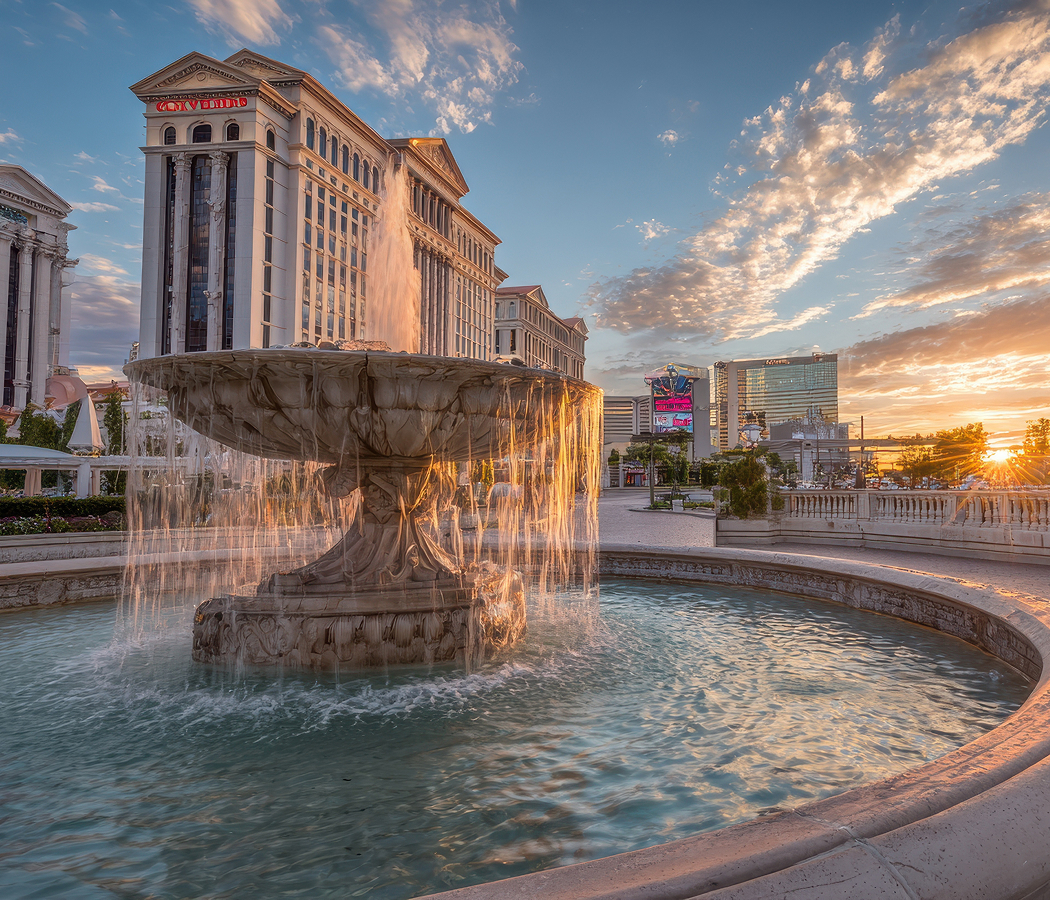
Running through Las Vegas between the historic downtown district and the southern resort corridor, the boulevard connects internationally recognized resorts, convention facilities, entertainment venues, cultural institutions, retail destinations, and civic landmarks that collectively chronicle more than a century of metropolitan evolution. Towering resort architecture, restored historic buildings, reinforced-concrete hospitality developments, landscaped promenades, pedestrian bridges, and palm-lined streets establish an environment where history, commerce, architecture, and entertainment remain closely interconnected. Throughout the corridor, resort developers, architects, engineers, entertainers, hoteliers, entrepreneurs, civic leaders, and business innovators have cultivated an environment defined by sustained private investment, architectural ambition, and international influence. The result is an experience distinguished by historical significance, commercial prominence, and one of the world's most recognizable corridors.
What defines Las Vegas Boulevard.
Las Vegas Boulevard is best known for following the historic alignment of U.S. Route 91, where establishment of the Las Vegas townsite by the San Pedro, Los Angeles and Salt Lake Railroad in 1905, legalization of Nevada gaming in 1931, opening of the El Rancho Vegas in 1941, and successive generations of integrated resort development transformed the corridor into the international center of modern destination hospitality. Expansion accelerated through construction of the Welcome to Fabulous Las Vegas sign in 1959, continued growth of the Las Vegas Convention Center, opening of landmark integrated resorts including The Mirage in 1989, Bellagio in 1998, and Mandalay Bay in 1999, together generating sustained demand for hospitality infrastructure, entertainment production, convention facilities, luxury retail, corporate investment, and commercial services throughout the boulevard. Construction introduced resort towers, convention halls, entertainment venues, hospitality campuses, pedestrian infrastructure, and commercial buildings built with reinforced concrete, structural steel, high-performance glazing, architectural stone, engineered façades, and advanced building technologies reflecting successive generations of Las Vegas resort architecture. The corridor matured alongside resort operators, architects, engineers, entertainers, convention organizers, financial institutions, hospitality suppliers, transportation providers, and regional developers whose continued investment established Las Vegas among the world's foremost destinations for hospitality, conventions, sports, and live entertainment. Desert willow, blue palo verde, honey mesquite, creosote bush, Gambel's quail, mourning doves, and landscaped xeric vegetation continue contributing to the environmental character surrounding the boulevard today. Collectively, these transportation milestones, hospitality achievements, engineering innovations, occupational traditions, architectural materials, and Mojave Desert landscapes establish Las Vegas Boulevard as one of the world's defining commercial corridors.
MGM Resorts International, Caesars Entertainment, and Las Vegas Sands Corporation expanded the boulevard through successive generations of integrated resorts, convention facilities, entertainment programming, and hospitality investment that reshaped destination tourism across the globe. Marnell Corrao Associates, Klai Juba Wald Architecture + Interiors, and Bergman Walls & Associates contributed resort architecture, hospitality renovations, retail environments, and entertainment venues whose design influence extended well beyond Southern Nevada. Las Vegas Convention and Visitors Authority, the Consumer Technology Association, and Formula One broadened the boulevard's international profile by attracting globally significant conventions, technology exhibitions, sporting events, and destination marketing initiatives that continue strengthening Las Vegas' worldwide economic influence. Together, leading resort operators, internationally recognized architectural practices, global event organizations, and sustained private investment demonstrate how Las Vegas Boulevard continues defining the modern hospitality industry.
How Las Vegas Boulevard fits.
Las Vegas Boulevard works as an exploration of the history, architecture, and hospitality that established Las Vegas as a global destination.
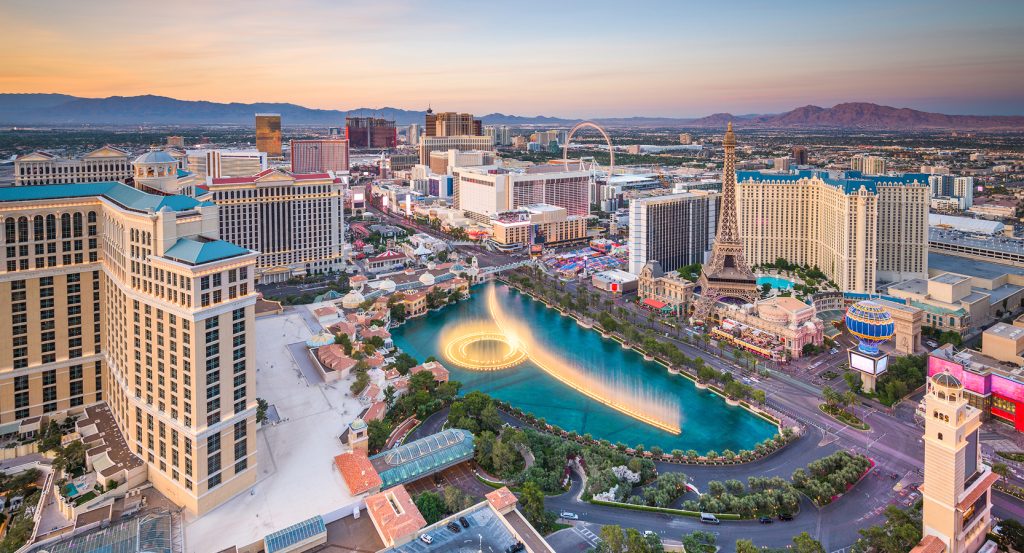
Begin at Welcome to Fabulous Las Vegas Sign, where the city's enduring symbol introduces the history and international character of Las Vegas while establishing the story that unfolds along the boulevard. Continue to Bellagio Las Vegas, where acclaimed resort architecture, the Conservatory & Botanical Gardens, fine dining, and the celebrated Fountains of Bellagio demonstrate the sophistication that elevated the Strip into a global hospitality destination before naturally leading toward the finale. Conclude at Fremont Street Experience, where the historic commercial heart of Las Vegas, illuminated canopy, restored casino architecture, and live entertainment provide a rewarding finale connecting the boulevard's contemporary prominence with the city where its remarkable story first began. The progression moves naturally from the city's defining symbol through contemporary resort excellence before culminating in the historic downtown district that gave rise to modern Las Vegas.
Where your story begins.
Foresyte Travel reveals places that feel extraordinary long before you arrive.
Enjoy editorial crafted for luxury travelers.
Foresyte may earn a commission when you book.