Perfect weekend in Amsterdam, Netherlands.
Amsterdam's rise from a small settlement beside the Amstel River into one of Europe's foremost commercial and intellectual capitals followed centuries of maritime enterprise, hydraulic engineering, and international exchange. Situated within the low-lying province of North Holland, the city developed where the Amstel entered the IJ, an inlet historically connected to the Zuiderzee and the North Sea. The surrounding wetlands required extensive drainage and water management, with medieval communities constructing dikes, sluices, and embankments to establish habitable land. Amsterdam acquired its name from a dam built across the Amstel during the thirteenth century, and Count Floris V granted its inhabitants a toll privilege in 1275 that encouraged commercial activity. The settlement received municipal rights 1300, strengthening its independence and expanding its role in regional trade. During the sixteenth century, the Dutch Revolt against Spanish Habsburg authority transformed the political and religious foundations of the northern Netherlands. Amsterdam joined the rebellion in 1578, subsequently attracting merchants, printers, artisans, and religious refugees from across Europe. The seventeenth-century Dutch Golden Age brought extraordinary commercial prosperity as the Dutch East India Company and Dutch West India Company established trading networks extending across Asia, Africa, and the Americas. This wealth was inseparable from colonial exploitation and the transatlantic trafficking of enslaved Africans. Amsterdam became a major center of banking, publishing, cartography, and scientific inquiry, attracting scholars and entrepreneurs whose work influenced European intellectual life. French occupation during the Napoleonic era disrupted commerce, and the nineteenth century brought renewed industrial growth through railway construction, port expansion, and manufacturing. The North Sea Canal, completed in 1876, strengthened maritime access and encouraged further commercial development. During the Second World War, German occupation devastated Amsterdam's Jewish community through persecution and deportation. Postwar reconstruction, immigration, and the expansion of international commerce subsequently established the city as a major European center of finance, technology, and cultural production.
Dutch painting achieved extraordinary international prominence during Amsterdam's seventeenth-century prosperity, when artists developed innovative approaches to portraiture, domestic interiors, landscape, and the representation of commercial society. Rembrandt van Rijn established his career in Amsterdam during the 1630s, producing portraits and historical compositions distinguished by dramatic light, psychological depth, and technical experimentation. His painting The Night Watch, completed in 1642, became one of the most celebrated achievements of Dutch Golden Age art. Johannes Vermeer, Frans Hals, and other painters contributed to a broader artistic movement that transformed European approaches to realism and everyday subjects. Amsterdam's intellectual history includes Baruch Spinoza, born in the city in 1632, whose philosophical writings challenged established religious and political assumptions and influenced the development of modern rationalism. The city's publishing industry supported the circulation of scientific and philosophical works throughout Europe, strengthening its association with intellectual independence. During the twentieth century, Amsterdam became an important center of modern design and architecture, particularly through the Amsterdam School movement. Architects including Michel de Klerk developed expressive brick buildings characterized by sculptural forms, decorative masonry, and ambitious approaches to social housing. The Stedelijk Museum, founded in 1874, developed major collections of modern and contemporary art and design, including works associated with De Stijl, Abstract Expressionism, and subsequent artistic movements. Amsterdam's musical traditions encompass classical composition, jazz, electronic music, and international performance, with the Royal Concertgebouw Orchestra, founded in 1888, becoming one of Europe's most distinguished orchestral ensembles. Dutch culinary traditions developed through North Sea fisheries, dairy farming, maritime trade, and the agricultural resources of the surrounding provinces. Traditional preparations include stamppot, combining mashed potatoes with vegetables, and erwtensoep, a substantial split-pea soup associated with winter cooking. Herring, smoked eel, aged Gouda, and Edam cheeses contribute to the country's longstanding food culture. Indonesian migration and colonial history introduced preparations including rijsttafel, satay, and richly seasoned rice dishes, establishing enduring connections between Dutch and Southeast Asian cooking. Amsterdam's bakeries maintain traditions involving stroopwafels, apple pie, and spiced biscuits, and contemporary restaurants incorporate seasonal Dutch produce alongside international culinary techniques. Amsterdam rewards a weekend exploring the achievements of Dutch painting, the intellectual independence of its historic institutions, and a culinary culture shaped by centuries of maritime commerce and international exchange.
Three day itinerary.
Day 1: Canal Ring
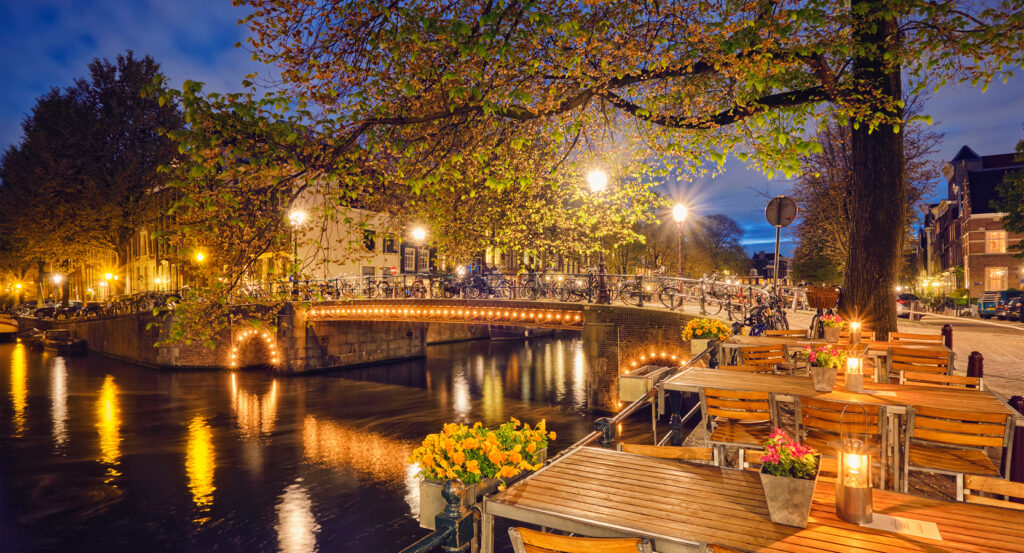
Canal Ring is best known for transforming Amsterdam through one of the most ambitious urban expansions of seventeenth-century Europe. Municipal authorities developed the concentric Herengracht, Keizersgracht, and Prinsengracht during the Dutch Golden Age as population, commerce, and maritime wealth placed enormous pressure on the medieval city. Engineers combined canals, streets, bridges, quays, and narrow building parcels within a coordinated plan that simultaneously expanded transportation, drainage, housing, and commercial capacity. Wealthy merchants commissioned elaborate canal houses behind narrow facades, with deep interiors, rear gardens, warehouses, and decorative gables expressing the prosperity generated by global trade. Successive extensions completed an urban system whose geometry still structures Central Amsterdam, preserving an extraordinary physical record of the Dutch Republic at the height of its economic power.
Day 1: Restaurant 212
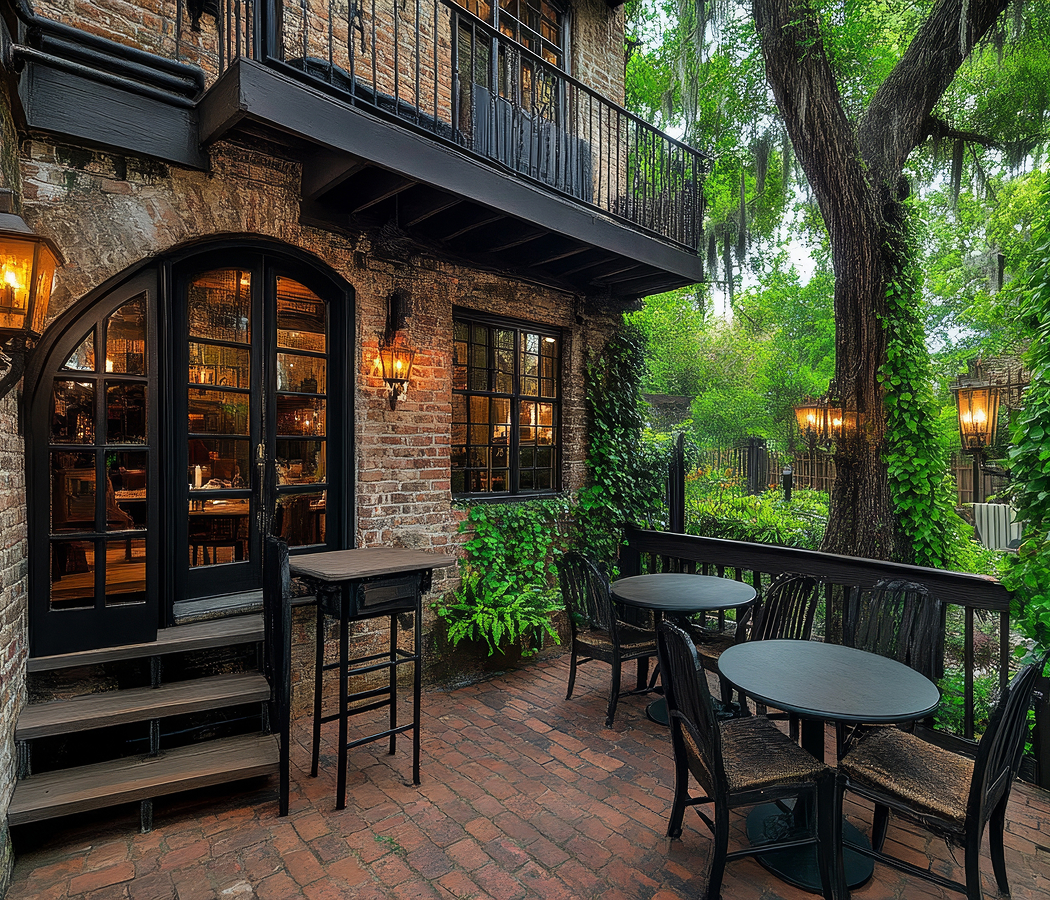
Restaurant 212 is best known for Richard van Oostenbrugge and Thomas Groot's highly technical cooking within an unconventional chef-centered dining room. The chefs developed their partnership at Bord'Eau before creating an independent restaurant structured around an open kitchen surrounded by counter seating. That arrangement places preparation at the physical center of the room and exposes the precision behind sauces, seafood, vegetables, meat, pastry, and complex multicourse compositions. French technique provides an important foundation, joined by international ingredients and an exacting approach to texture, temperature, and concentration. Van Oostenbrugge and Groot established 212 among Amsterdam's most accomplished restaurants, giving the city a contemporary fine-dining institution whose architecture and service structure place culinary production directly before the diner.
Day 2: Rijksmuseum
Rijksmuseum is best known for housing the Netherlands' principal collection of art and historical objects within Pierre Cuypers's grand nineteenth-century museum. The institution originated in The Hague before moving to Amsterdam, where Cuypers designed a vast building combining Gothic and Renaissance references around galleries, courtyards, and a central passage. Its collection gives extraordinary depth to seventeenth-century Dutch painting through works by Rembrandt, Johannes Vermeer, Frans Hals, and Jan Steen. Rembrandt's The Night Watch occupies the culminating position within the Gallery of Honour, embedding the painting within an architectural sequence devoted to the artistic achievements of the Dutch Republic. Extensive collections of sculpture, decorative arts, prints, maritime objects, and Asian art broaden the institution into a material history of the Netherlands and its international connections across centuries.
Day 2: RIJKS®
RIJKS® is best known for translating the agricultural and culinary heritage of the Netherlands into contemporary cooking beside the Rijksmuseum. The restaurant developed as a gastronomic extension of the museum complex, placing Dutch ingredients and producers within the same institutional setting devoted to the country's art and history. Vegetables, North Sea seafood, meats, dairy, grains, and products cultivated across the Netherlands form the foundation of a kitchen deeply engaged with seasonality and regional provenance. Culinary influences connected to Indonesia and other territories historically linked to Dutch trade broaden that foundation through spices, techniques, and flavor combinations embedded within the country's complicated global history. RIJKS® joins modern Dutch gastronomy to the cultural institution that preserves many of the objects, images, and historical forces that shaped the nation.
Day 2: Anne Frank House
Anne Frank House is best known for preserving the Amsterdam hiding place where Anne Frank wrote much of the diary that became one of the most widely read personal accounts of the Holocaust. Otto Frank moved his business into the Prinsengracht building before the Frank family entered concealed rooms behind the premises in July 1942 to escape Nazi persecution. Hermann and Auguste van Pels, their son Peter, and Fritz Pfeffer subsequently joined them in the Secret Annex. Anne continued writing through more than two years of confinement before the occupants were arrested in August 1944 and deported. Otto Frank alone survived the Holocaust and later arranged publication of his daughter's diary. Preservation of the annex transformed an ordinary canal house into a profoundly important physical record of persecution, concealment, family life, and individual testimony under Nazi occupation.
Day 2: Flore
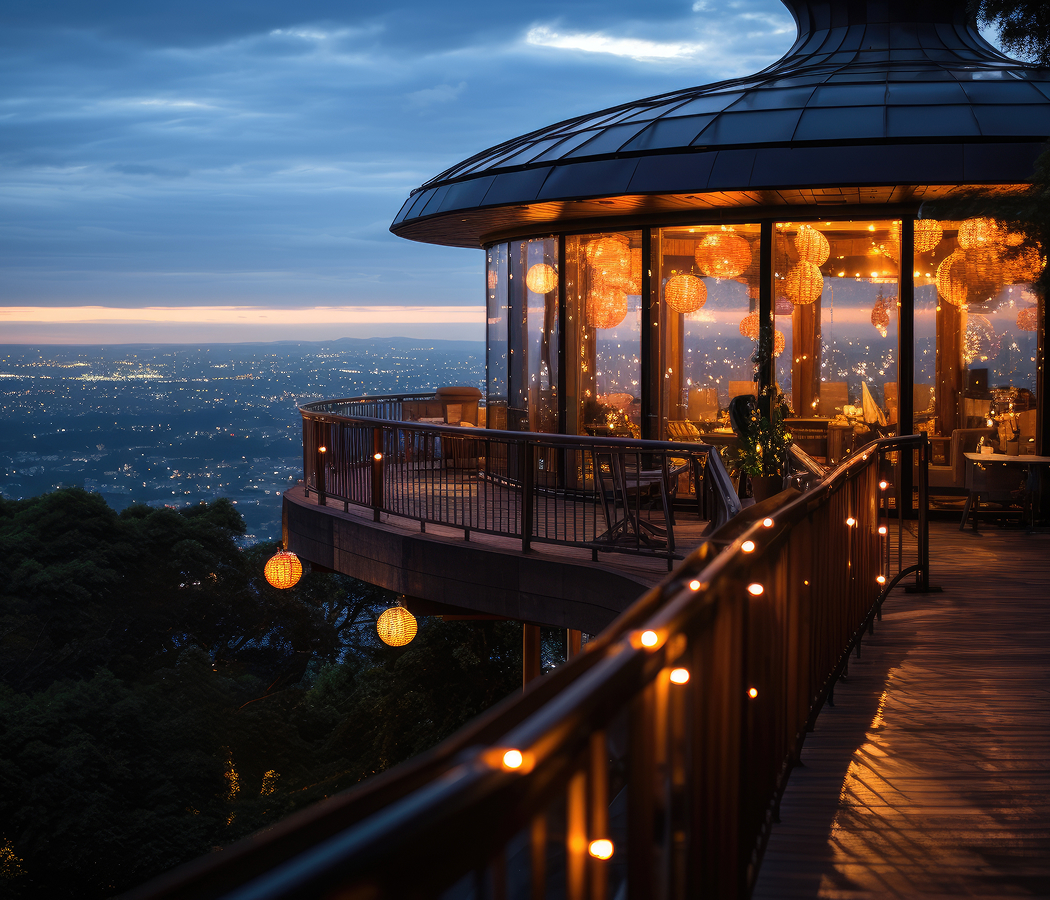
Flore is best known for Bas van Kranen's intricate cuisine built around vegetables, Dutch ingredients, and a rigorous relationship with the natural environment. Van Kranen progressively restructured his cooking around products cultivated and harvested with close attention to soil, season, biodiversity, and responsible production. Vegetables assume structural roles throughout the menu, supported by seafood, fermentation, preservation, concentrated broths, and precise sauces. The restaurant's position overlooking the Amstel places this contemporary culinary approach within the waterways that have shaped Amsterdam's geography and commerce for centuries. Flore represents a sophisticated expression of modern Dutch gastronomy in which technical refinement begins with the agricultural conditions surrounding the ingredients themselves.
Day 3: Bakers & Roasters
Bakers & Roasters is best known for combining New Zealand café culture with Brazilian culinary influences inside Amsterdam's modern breakfast scene. The founders brought together the relaxed all-day breakfast traditions associated with New Zealand and flavors connected to Brazil, producing a format uncommon within the city when the restaurant developed. Eggs, baked goods, coffee, corn-based preparations, chiles, beans, tropical ingredients, and substantial breakfast plates create a menu whose influences extend across both hemispheres. Specialty coffee gives the restaurant another connection to the Australasian café tradition, where breakfast and serious coffee culture developed in close parallel. Bakers & Roasters became one of Amsterdam's established brunch institutions by giving the meal a distinct character grounded in the founders' contrasting culinary backgrounds.
Day 3: Van Gogh Museum
Van Gogh Museum is best known for preserving the world's largest collection of works by Vincent van Gogh and tracing the extraordinary artistic development of his brief career. The collection originated with works retained by Vincent and his brother Theo, passing through the family before forming the foundation of a dedicated museum. Gerrit Rietveld designed the principal building, which opened in 1973, and Kisho Kurokawa later created an exhibition wing distinguished by its elliptical form. Paintings, drawings, and letters follow Van Gogh from his early Dutch work through Paris, Arles, Saint-Rémy, and Auvers-sur-Oise, exposing dramatic changes in color, brushwork, subject matter, and technique. The Potato Eaters, Sunflowers, Almond Blossom, and numerous self-portraits place some of his most consequential works within the biographical and artistic progression that produced them.
Day 3: Jordaan District
Jordaan District is best known for evolving from a densely populated seventeenth-century working-class quarter into one of Amsterdam's most distinctive historic neighborhoods. The district emerged during the city's great canal-era expansion, developing west of the principal canal belt through narrow streets, modest houses, workshops, courtyards, and small waterways. Artisans, laborers, immigrants, and large working families shaped its social character as Amsterdam's wealthier merchant class occupied grander properties nearby. Industrial decline and deteriorating housing conditions threatened substantial portions of the Jordaan during the twentieth century before preservation and rehabilitation transformed its building stock. Former workshops, residential courtyards, cafés, galleries, and independent businesses now occupy an urban fabric whose smaller scale preserves a powerful contrast with the grand merchant houses of the neighboring Grachtengordel.
Day 3: Vinkeles
Vinkeles is best known for presenting refined contemporary cooking inside the eighteenth-century architecture of Amsterdam's canal belt. The restaurant occupies a former bakery within the historic buildings of The Dylan Amsterdam on Keizersgracht, giving its dining room vaulted masonry and an unusually intimate relationship with the city's architectural past. The kitchen developed around French technical foundations expressed through meticulously constructed sauces, seafood, vegetables, meats, and finely controlled preparations. Its location embeds high-level gastronomy within the merchant-city fabric created during Amsterdam's centuries of commercial expansion. Vinkeles joins contemporary Dutch fine dining to a preserved canal-house complex, bringing the precision of the modern kitchen into architecture directly connected to the historic development of the Grachtengordel.
Where your story begins.
Foresyte Travel reveals places that feel extraordinary long before you arrive.
Enjoy editorial crafted for luxury travelers.
Foresyte may earn a commission when you book.