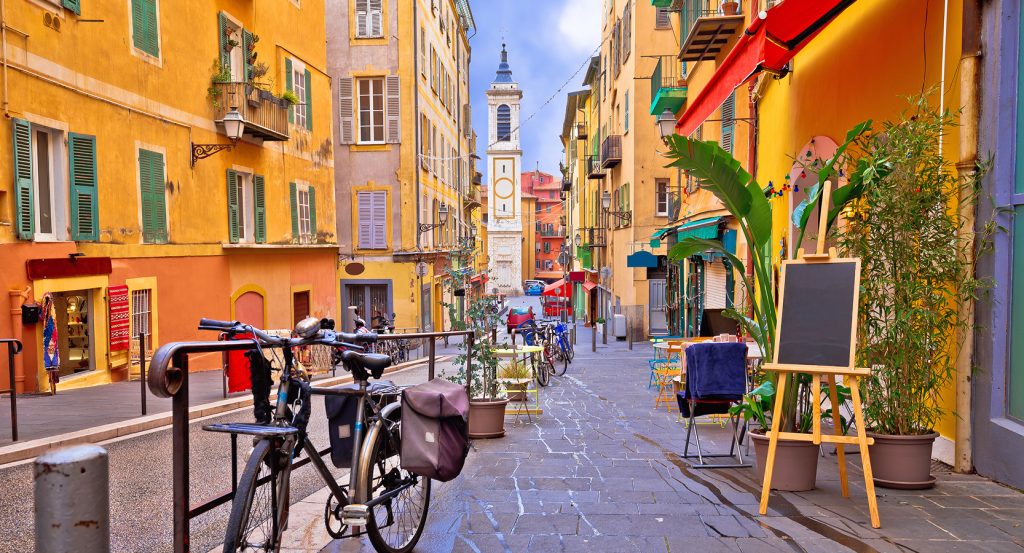
Perfect weekend in Nice, France.
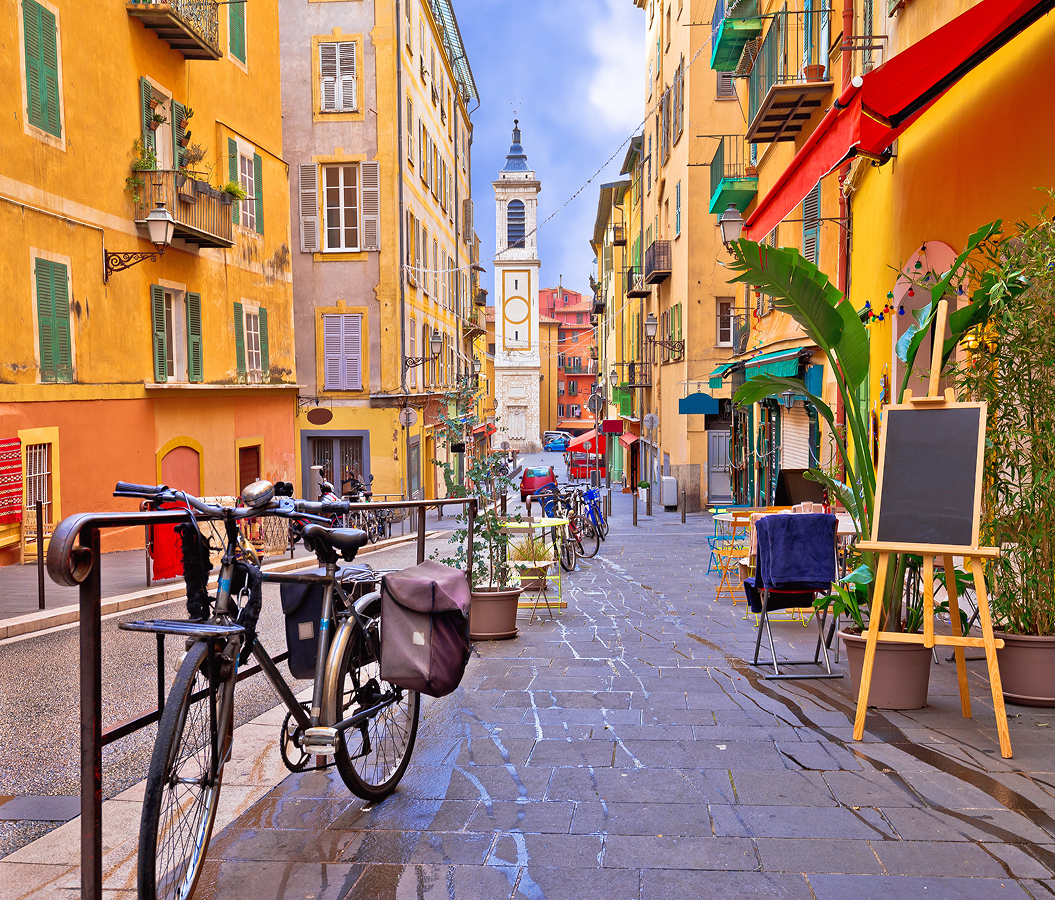
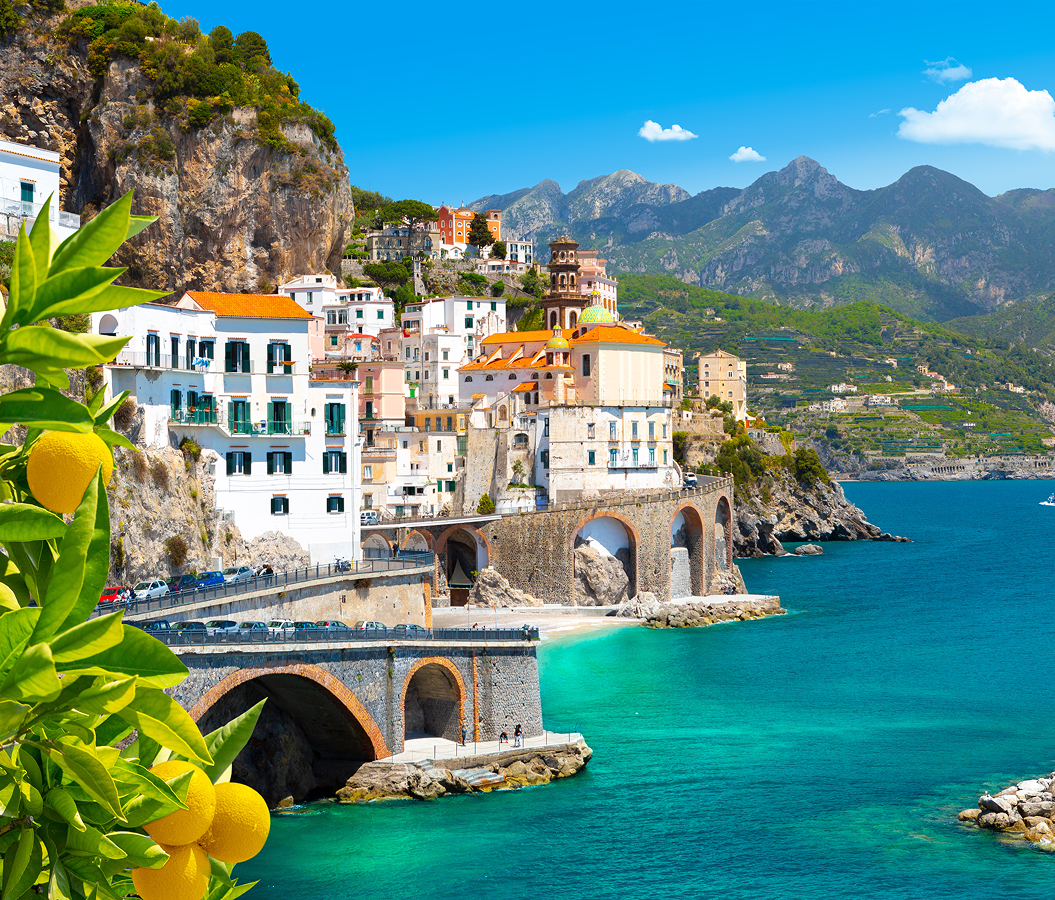
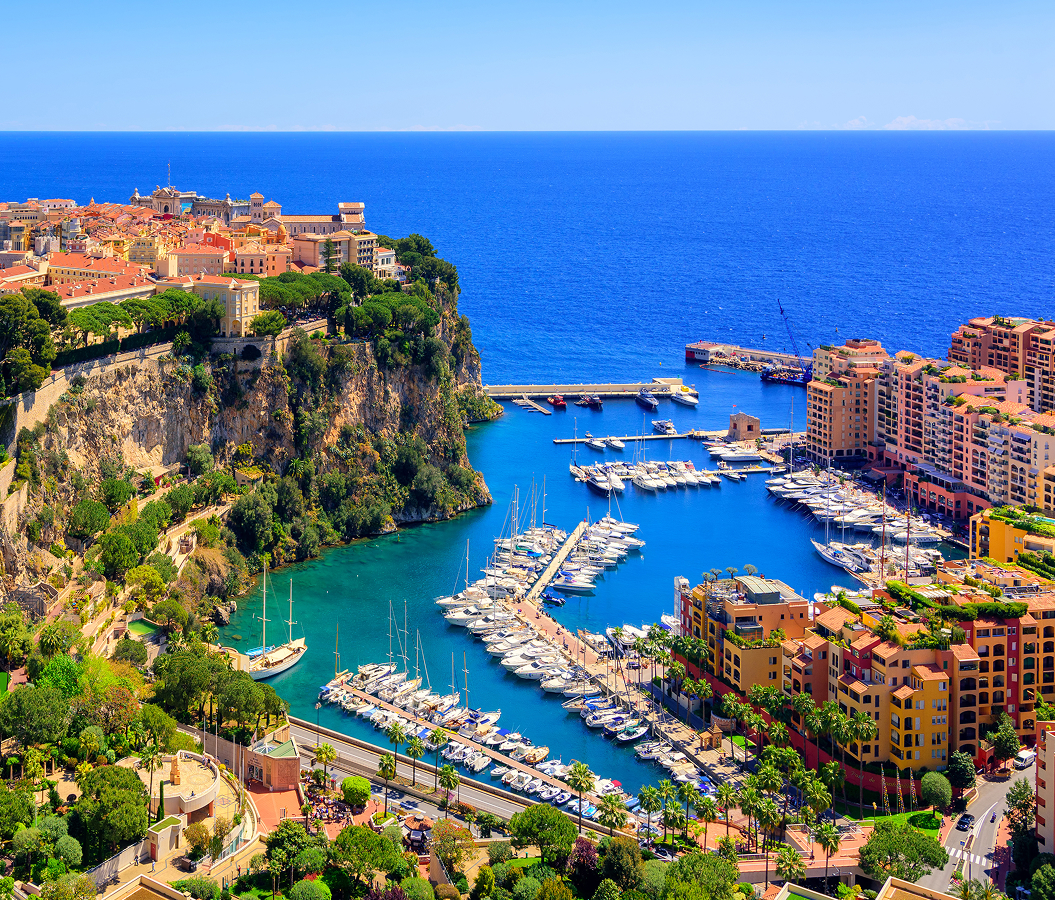
Nice developed at the crossroads of Mediterranean maritime commerce, Alpine trade routes, Italian political influence, and the nineteenth-century expansion of European seaside tourism. Positioned along the Baie des Anges between the Mediterranean Sea and the foothills of the Maritime Alps, the city occupies a coastal setting where sheltered harbors, fertile river valleys, and mountainous terrain encouraged settlement across successive civilizations. Ligurian communities inhabited the surrounding region before Greek colonists from Massalia established Nikaia during the fourth century BCE, naming the settlement in association with the Greek goddess of victory. Roman expansion brought the neighboring settlement of Cemenelum into prominence as an administrative center of the province of Alpes Maritimae, with substantial public baths, an amphitheater, and residential buildings constructed on the elevated terrain of Cimiez. During the medieval period, Nice developed as a fortified Mediterranean port contested by regional powers, including the counts of Provence and neighboring Italian dynasties. In 1388, the city placed itself under the protection of the House of Savoy, beginning a political association that endured for almost five centuries. Its strategic position between France and the Italian states brought repeated military campaigns, including the Franco-Ottoman siege of 1543. Nice subsequently developed through maritime commerce, olive cultivation, and commercial connections extending across the western Mediterranean. During the eighteenth century, British aristocrats began visiting the coast for its mild winter climate, establishing a seasonal pattern of residence that expanded substantially during the nineteenth century. The Treaty of Turin transferred Nice from the Kingdom of Sardinia to France in 1860, integrating the city into the French state during the reign of Napoleon III. Railway expansion accelerated the growth of international tourism, attracting European royalty, wealthy industrialists, writers, and artists. The city's architectural and social development during the Belle Époque established its reputation as a Mediterranean winter resort, a history recognized through Nice's inscription on the UNESCO World Heritage List in 2021.
French painting and literature acquired an influential Mediterranean setting in Nice, where the region's intense coastal light, mild climate, and international artistic communities attracted prominent creative figures throughout the nineteenth and twentieth centuries. Henri Matisse settled in Nice in 1917, beginning an extended association with the city that profoundly influenced his treatment of color, interior space, and the human figure. His paintings from this period frequently incorporated Mediterranean light, decorative textiles, and carefully composed domestic settings, contributing to the development of his mature artistic style. Pierre-Auguste Renoir established a residence in nearby Cagnes-sur-Mer in 1907, where the surrounding olive groves and coastal landscape influenced his later paintings and sculpture. Raoul Dufy also developed a significant association with the French Riviera, producing colorful depictions of Mediterranean harbors, coastal architecture, and public celebrations. Nice subsequently became an important center of postwar artistic experimentation through the École de Nice, a movement associated with artists including Yves Klein, Arman, and Martial Raysse. Their work contributed to the development of Nouveau Réalisme and challenged established distinctions between painting, sculpture, and ordinary manufactured objects. The Musée d'Art Moderne et d'Art Contemporain developed substantial collections connected to these movements, strengthening the city's position within modern European art. Nice's literary associations include Friedrich Nietzsche, who spent several winters on the Riviera during the 1880s, and Romain Gary, whose childhood in the city influenced his autobiographical writing. The region's culinary traditions developed through the agricultural resources of Provence, the fishing communities of the Mediterranean coast, and longstanding exchanges with neighboring Liguria. Traditional Niçois specialties include salade niçoise, pissaladière, socca, petits farcis, and pan bagnat, incorporating ingredients such as tomatoes, anchovies, olives, chickpea flour, garlic, and seasonal vegetables. Olive cultivation contributed substantially to the surrounding agricultural economy, with the Cailletier variety producing the small black olives associated with the protected designation Olive de Nice. Local markets and traditional restaurants preserve these regional preparations alongside contemporary interpretations of Provençal and Mediterranean cooking. A weekend in Nice follows the enduring connections between ancient Mediterranean settlement, Savoyard architecture, European painting, and the sunlit coastal traditions of the French Riviera.
Three day itinerary.
Day 1: Promenade des Anglais
Promenade des Anglais is best known for its sweeping Mediterranean waterfront, Belle Époque architecture, and central role in establishing Nice as one of Europe's most celebrated coastal destinations. Extending along the Baie des Anges, the promenade developed during the nineteenth century as British aristocrats and wealthy European visitors transformed Nice into an important winter resort. The Reverend Lewis Way helped finance an early coastal walkway in the 1820s, establishing the foundation for the expansive seafront boulevard that subsequently emerged. Following Nice's annexation by France in 1860, urban improvements expanded the promenade and strengthened the city's relationship with international tourism. The Hôtel Negresco, inaugurated in 1913, became one of its defining architectural institutions through its distinctive dome and elaborate Belle Époque design. The promenade's characteristic blue chairs, extensive pedestrian spaces, and uninterrupted views across the Mediterranean reinforce its association with the leisurely coastal culture of the French Riviera. Its urban landscape reflects successive periods of architectural development, from nineteenth-century resort buildings to contemporary waterfront infrastructure. Promenade des Anglais represents the defining expression of Nice's transformation into an international Mediterranean resort through its combination of coastal geography, architectural heritage, and European tourism history.
Day 1: Le Chantecler
Le Chantecler is best known for its refined interpretation of French haute cuisine within the historic Hôtel Negresco overlooking the Mediterranean Sea. The restaurant occupies an elaborate dining room distinguished by eighteenth-century decorative traditions, rich wood paneling, and furnishings associated with the artistic heritage of the French aristocracy. Its culinary program emphasizes classical French technique, carefully prepared seafood, premium meats, seasonal vegetables, and ingredients associated with Provence and the surrounding Mediterranean coastline. The restaurant's gastronomic character reflects the longstanding relationship between luxury hospitality and the culinary traditions of the French Riviera. Le Chantecler's development within the Hôtel Negresco connects its contemporary fine-dining program with one of Nice's most celebrated architectural institutions. The restaurant has earned MICHELIN recognition for its technical precision and sophisticated culinary execution. Le Chantecler represents an important expression of French Riviera haute cuisine through its combination of classical gastronomy, regional ingredients, and exceptional Belle Époque hospitality.
Day 2: Colline du Château
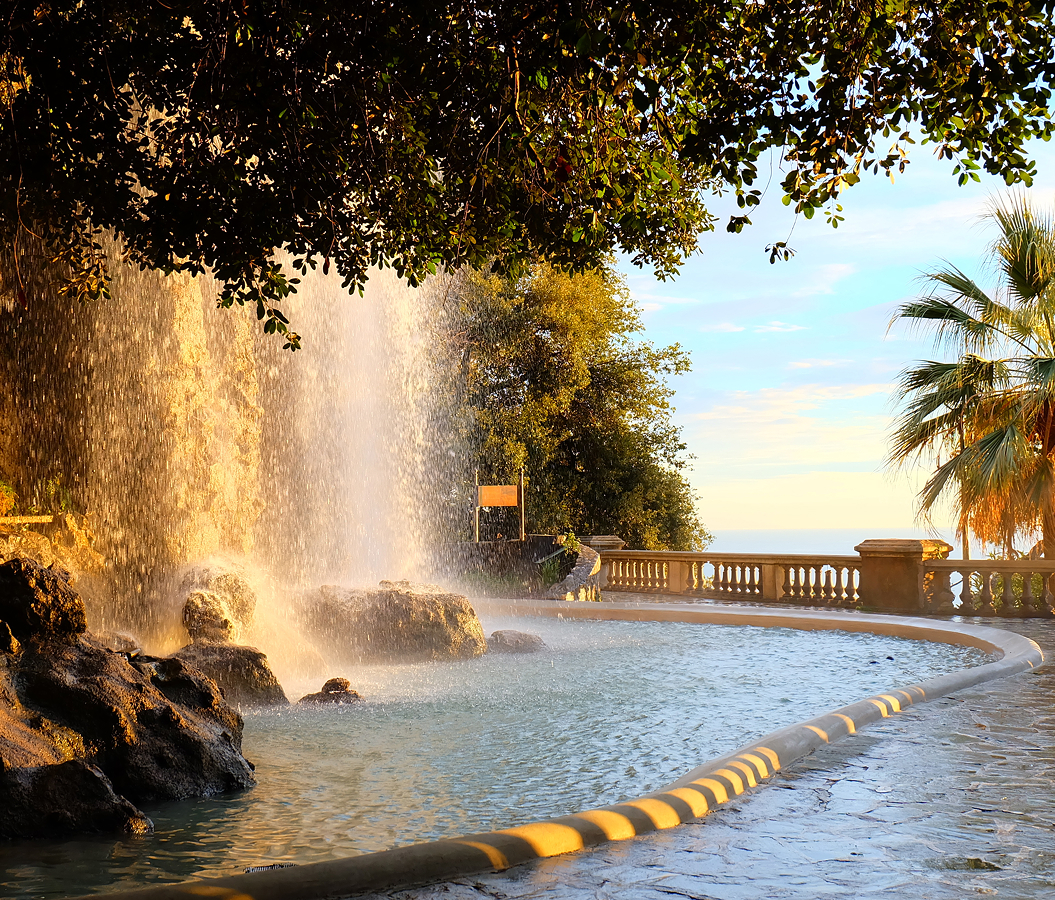
Colline du Château is best known for its extraordinary panoramic views across Nice, the Baie des Anges, and the historic urban landscape surrounding the city's original settlement. Rising 92 meters above sea level, the hill occupies a strategic position between the Mediterranean coastline and the former port district. Its history extends to antiquity, when the elevated site supported defensive structures and settlements associated with the development of Nice as a Mediterranean trading center. During the medieval period, the hill became the location of an important fortified complex whose military significance reflected the city's contested position between competing European powers. Louis XIV ordered the destruction of the fortress in 1706 following French military operations against the Duchy of Savoy, transforming the hill's subsequent architectural development. The site evolved into a landscaped public park during the nineteenth century, incorporating terraces, wooded paths, archaeological remains, and a celebrated artificial waterfall. Its elevated viewpoints reveal the dense terracotta rooftops of Vieux Nice, the sweeping coastline, and the mountainous terrain surrounding the city. Colline du Château represents an exceptional convergence of Mediterranean military history, urban geography, and nineteenth-century landscape design.
Day 2: Chez Pipo
Chez Pipo is best known for preserving the traditional preparation of socca, Nice's celebrated chickpea-flour flatbread, within one of the city's most enduring neighborhood restaurants. Established in 1923, the institution developed around a culinary specialty whose origins reflect centuries of Mediterranean trade and the agricultural traditions of the Ligurian and Provençal coastlines. Socca is prepared from chickpea flour, water, olive oil, and salt, then baked at high temperature to create a thin preparation distinguished by crisp edges and a tender interior. The dish's historical popularity emerged through its affordability and its association with the everyday food culture of Nice's working communities. Chez Pipo's cooking emphasizes traditional methods and the distinctive relationship between simple ingredients and precise preparation. The restaurant's location near the port connects it with the maritime neighborhoods whose culinary traditions helped shape Niçoise cuisine. Chez Pipo represents a foundational institution in Nice's regional food culture through its preservation of one of the city's most distinctive culinary specialties.
Day 2: Musée Matisse
Musée Matisse is best known for preserving an exceptional collection devoted to Henri Matisse, whose artistic career became closely associated with the extraordinary light and coastal landscapes of Nice. Matisse first visited the city in 1917, beginning a relationship with the French Riviera that profoundly influenced his development as one of the twentieth century's most important modern artists. The museum occupies the seventeenth-century Villa des Arènes in the Cimiez district, surrounded by historic olive groves and archaeological remains associated with the Roman settlement of Cemenelum. Its collections encompass paintings, drawings, sculptures, prints, and personal objects that illuminate the evolution of Matisse's artistic techniques and visual experimentation. His work in Nice developed through an increasingly sophisticated engagement with color, decorative pattern, interior space, and Mediterranean light. The museum's holdings also explore his later artistic achievements, including the paper cut-outs and expansive decorative projects that transformed modern visual culture. Musée Matisse represents one of France's most significant institutions devoted to modern art through its preservation of the artist's creative development and his enduring relationship with Nice.
Day 2: Restaurant JAN
Restaurant JAN is best known for chef Jan Hendrik van der Westhuizen's inventive interpretation of French and South African culinary traditions within an intimate fine-dining restaurant near Nice's historic port. Van der Westhuizen developed his culinary career through work in South Africa and Europe, establishing a distinctive gastronomic approach that integrates the ingredients, techniques, and cultural influences of his South African heritage with classical French cooking. The restaurant opened in 2013, introducing an ambitious tasting-menu program centered on seasonal produce, carefully prepared seafood, premium meats, and elaborate contemporary presentations. Its culinary character incorporates traditional South African ingredients and flavor combinations, creating a distinctive relationship between two geographically distant gastronomic cultures. JAN received a MICHELIN star in 2016, making van der Westhuizen the first South African chef to earn that distinction. The restaurant represents an influential expression of contemporary international gastronomy through its combination of French culinary technique, South African cultural heritage, and independent creative authorship.
Day 3: La Petite Maison
La Petite Maison is best known for its influential interpretation of Niçoise and Mediterranean cuisine through carefully prepared regional ingredients and the culinary traditions of the French Riviera. Founded by Nicole Rubi in 1988, the restaurant developed into one of Nice's most celebrated dining institutions through its concentration on the distinctive flavors of Provence and the Mediterranean coastline. Its menu emphasizes olive oil, tomatoes, fresh vegetables, seafood, aromatic herbs, and established preparations associated with southern French cooking. Dishes including petits farcis, grilled fish, and regional vegetable preparations reflect the agricultural and maritime foundations of Niçoise gastronomy. The restaurant's culinary philosophy emphasizes ingredient quality and the preservation of traditional Mediterranean flavors through refined execution. La Petite Maison attracted an international clientele and became closely associated with the social and culinary culture of the French Riviera. The restaurant represents a defining institution in contemporary Niçoise cuisine through its elevation of regional culinary traditions within an internationally celebrated dining environment.
Day 3: Cathédrale Saint-Nicolas de Nice
Cathédrale Saint-Nicolas de Nice is best known for its extraordinary Russian Orthodox architecture and its association with the Russian imperial community that developed along the French Riviera during the nineteenth century. Construction began in 1903 under the patronage of Tsar Nicholas II, establishing an expansive religious institution for the substantial Russian population visiting and residing in Nice. Architect Mikhail Preobrazhensky designed the cathedral in a distinctive Russian Revival style, incorporating colorful onion domes, elaborate decorative elements, and architectural references to traditional Russian ecclesiastical buildings. The cathedral was consecrated in 1912, becoming one of the most significant Russian Orthodox religious structures outside Russia. Its construction reflected the longstanding relationship between the Romanov dynasty and Nice, where members of the imperial family had spent extended periods during the nineteenth century. The cathedral's richly decorated interior preserves religious icons, ceremonial furnishings, and artistic traditions associated with Russian Orthodox worship. Cathédrale Saint-Nicolas represents an extraordinary architectural expression of the Russian aristocratic presence on the French Riviera and the international cultural development of nineteenth-century Nice.
Day 3: Marc Chagall National Museum
Marc Chagall National Museum is best known for its exceptional collection of biblical paintings by Marc Chagall, whose distinctive artistic language transformed the relationship between modern painting, religious symbolism, and personal memory. Inaugurated in 1973, the museum was established during the artist's lifetime to preserve his expansive series of paintings inspired by the biblical books of Genesis, Exodus, and the Song of Songs. Architect André Hermant designed the museum around carefully controlled natural light and exhibition spaces suited to the scale and resonant intensity of Chagall's works. The collection's celebrated biblical cycle incorporates vivid color, dreamlike figures, and symbolic compositions shaped by the artist's Jewish heritage and his experiences across Russia, France, and the wider European artistic world. Chagall contributed directly to the museum's development, reinforcing its relationship with his personal artistic vision. The institution also preserves drawings, prints, and other works that illuminate the broader development of his career. Musée Marc Chagall represents one of Europe's most significant single-artist museums through its concentration on the spiritual and artistic achievements of a defining figure of twentieth-century modernism.
Day 3: Flaveur
Flaveur is best known for chefs Gaël and Mickaël Tourteaux's inventive interpretation of contemporary Mediterranean cuisine through an ambitious tasting-menu program in Central Nice. The brothers developed their culinary careers through extensive experience in French kitchens, establishing a distinctive approach that combines classical technique with the agricultural and maritime resources of southern France. Their cooking emphasizes seasonal vegetables, carefully prepared seafood, aromatic herbs, and contemporary compositions shaped by the culinary traditions of Provence and the wider Mediterranean. The restaurant's gastronomic character reflects a commitment to precise execution, sophisticated flavor combinations, and creative interpretations of regional ingredients. Flaveur received two MICHELIN stars, establishing its position among Nice's leading contemporary fine-dining institutions. The restaurant represents an important expression of modern French Riviera gastronomy through its combination of regional culinary heritage, technical ambition, and collaborative creative authorship.
Where your story begins.
Foresyte Travel reveals places that feel extraordinary long before you arrive.
Enjoy editorial crafted for luxury travelers.
Foresyte may earn a commission when you book.