Perfect weekend in Mexico.
Tulum occupies a distinctive position along Mexico's Caribbean coast, where the limestone landscapes of the Yucatán Peninsula meet the turquoise waters of the Caribbean Sea. The region formed part of the ancient Maya world, whose civilizations developed sophisticated systems of agriculture, mathematics, astronomy, and maritime commerce across southeastern Mexico and Central America. During the Classic period, powerful Maya cities established extensive political and trading relationships throughout the peninsula, connecting inland agricultural settlements with coastal communities engaged in fishing, salt production, and seaborne exchange. The northern Yucatán subsequently experienced significant political changes following the decline of several Classic Maya centers, contributing to the emergence of new commercial networks during the Postclassic period. The Spanish conquest of the Yucatán began in the sixteenth century, bringing profound disruptions to Indigenous political institutions, religious practices, and regional trade. Maya resistance continued across the eastern peninsula for centuries, culminating in the Caste War of Yucatán beginning in 1847. The establishment of Chan Santa Cruz, later renamed Felipe Carrillo Puerto, created an important political and religious center for independent Maya communities during the nineteenth century. The development of modern transportation infrastructure and coastal tourism during the late twentieth century subsequently transformed the economy of Quintana Roo, connecting Tulum with expanding international travel networks.
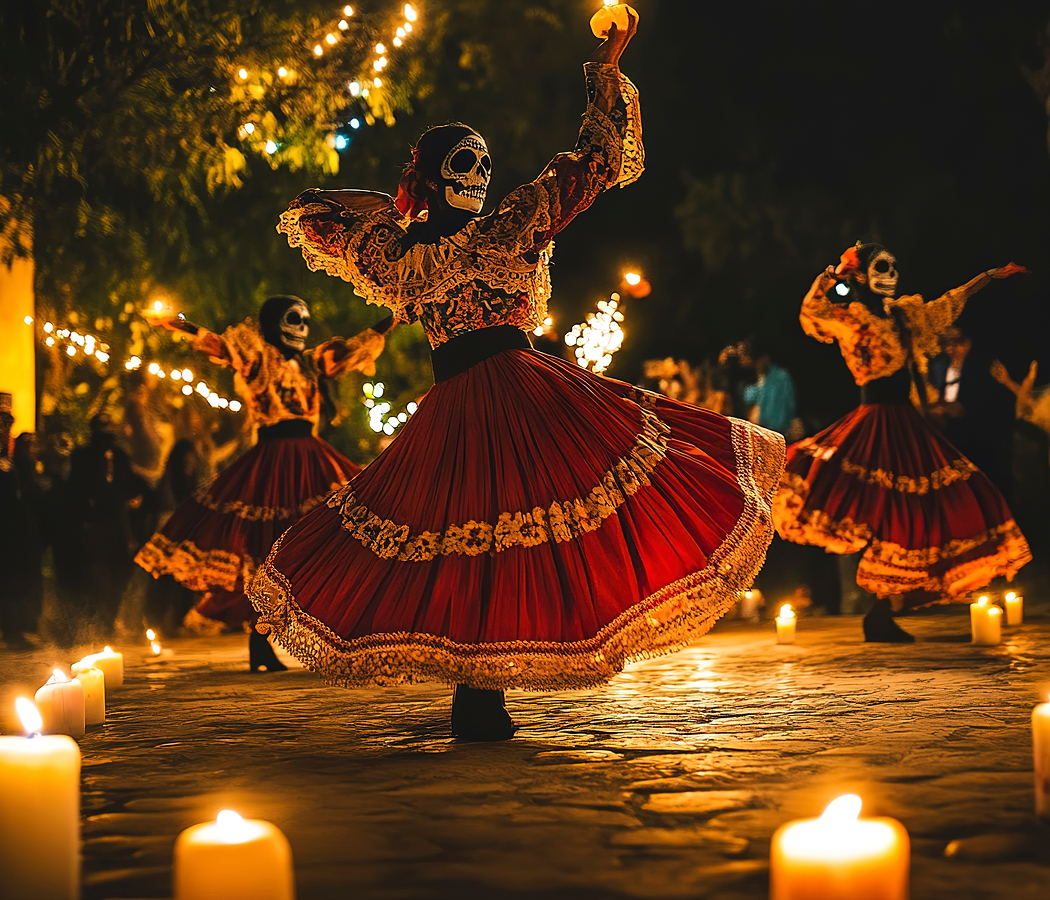
Tulum's cultural heritage extends through living Maya traditions, regional craftsmanship, ecological conservation, and the distinctive culinary practices of the Yucatán Peninsula. Maya communities throughout the region sustain the Yucatec Maya language alongside agricultural techniques associated with the milpa system, which combines maize, beans, squash, and other crops within a carefully managed cultivation cycle. Traditional construction incorporates locally available limestone, timber, and palm thatching, continuing architectural practices adapted to the peninsula's tropical climate. Regional artisans produce textiles, embroidery, ceramics, and woven objects connected to longstanding Indigenous craft traditions. Yucatecan cuisine developed through the combination of Maya agricultural knowledge and ingredients introduced during Spanish colonization, producing preparations distinguished by achiote, sour orange, habanero chiles, and slow cooking techniques. Cochinita pibil carries forward the tradition of underground pit cooking, and dishes such as papadzules, relleno negro, and sopa de lima demonstrate the region's complex culinary inheritance. The Caribbean coastline further contributes fresh fish, lobster, and other seafood to a dining culture shaped by coastal fishing communities and contemporary Mexican gastronomy. A perfect weekend in Tulum brings together the historical achievements of Maya civilization, the ecological diversity of the Yucatán Peninsula, and the enduring culinary traditions of Mexico's Caribbean coast.
Three day itinerary.
Day 1: Tulum Ruins
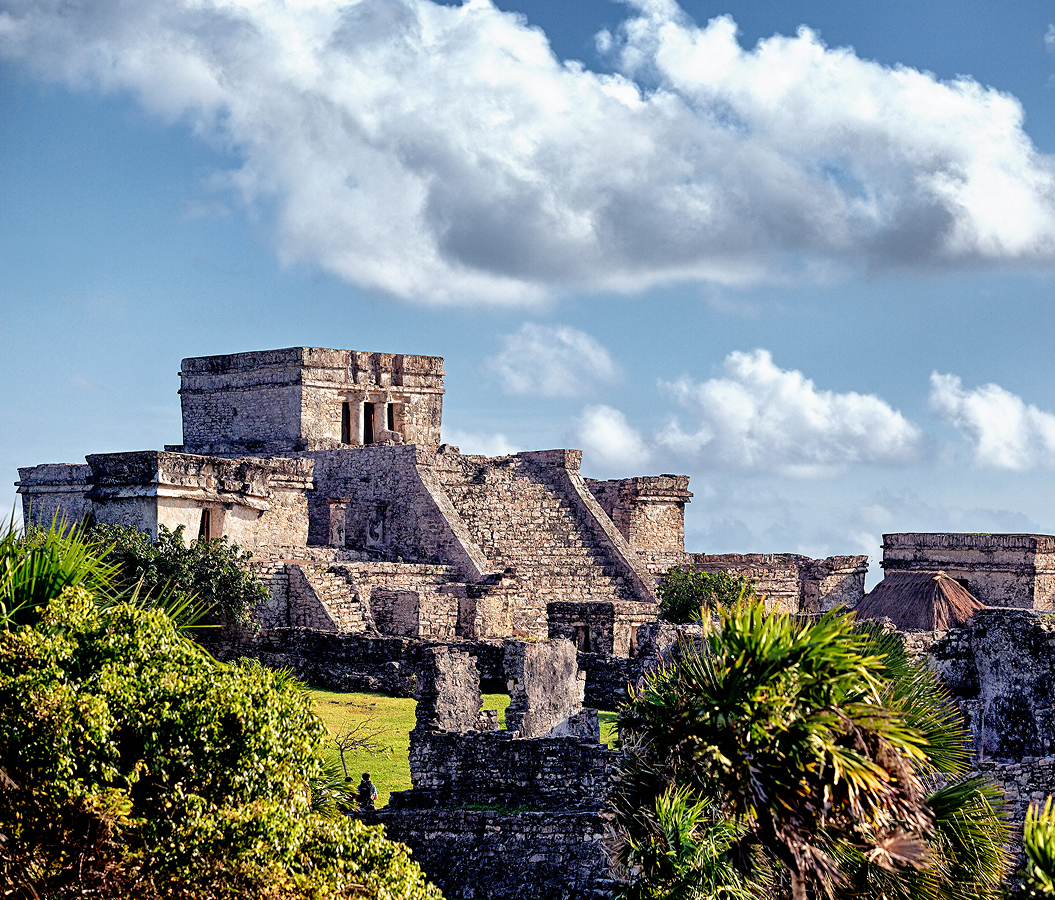
Tulum Ruins are best known for preserving one of the Maya civilization's most striking coastal cities atop limestone cliffs overlooking the Caribbean Sea. The settlement reached its greatest prominence during the Late Postclassic period, when its strategic position supported maritime commerce along the eastern Yucatán Peninsula. Its original name, Zamá, means dawn, reflecting the city's orientation toward the rising sun over the Caribbean. El Castillo dominates the coastal escarpment, forming part of a ceremonial complex whose architecture also served as a navigational reference for seafarers approaching the reef-protected shoreline. The Temple of the Frescoes preserves elements of Maya religious imagery associated with celestial cycles and sacred cosmology. Defensive walls enclosed the principal ceremonial precinct on three sides, demonstrating the settlement's importance as a fortified coastal center. Tulum remained occupied during the period of Spanish contact, preserving a direct connection between the final centuries of independent Maya civilization and the colonial transformation of the peninsula. The archaeological zone represents an exceptional convergence of Maya architecture, maritime trade, and Caribbean coastal geography.
Day 1: ARCA
ARCA is best known for chef José Luis Hinostroza's contemporary interpretation of Mexican ingredients through open-fire cooking in the tropical landscape of Tulum's hotel zone. Hinostroza developed his culinary career in internationally acclaimed kitchens, including Noma, before establishing a restaurant centered on the agricultural and culinary traditions of Mexico. The kitchen emphasizes regional seafood, seasonal vegetables, native ingredients, fermentation, smoke, and preparations that draw on the flavors of the Yucatán Peninsula. Wood-fired cooking provides a central technical foundation, giving individual ingredients concentrated flavors and textures shaped by direct heat. The restaurant's open-air dining room occupies a densely planted jungle setting along Tulum's coastal road, connecting its culinary character with the surrounding tropical environment. Hinostroza's approach combines modern gastronomic precision with the ingredients and cooking traditions of southeastern Mexico. Arca represents one of Tulum's most influential independent restaurants through its integration of Mexican culinary heritage, contemporary technique, and open-fire cooking.
Day 2: Gran Cenote
Gran Cenote is best known for its exceptionally clear freshwater pools and intricate limestone formations within the extensive subterranean water system of the Yucatán Peninsula. The cenote forms part of a karst landscape created through the gradual dissolution of porous limestone, producing underground rivers, caverns, and natural openings that connect the surface with groundwater. Its interconnected pools reveal submerged rock formations, stalactites, and passages shaped by geological processes extending across thousands of years. The surrounding tropical vegetation creates a sheltered environment in which sunlight penetrates the water and illuminates the pale limestone below. Freshwater turtles and other aquatic species inhabit the cenote's pools, reflecting the ecological importance of the peninsula's groundwater network. Cenotes held profound significance in Maya cosmology as places associated with water, fertility, and connections between the earthly and spiritual worlds. Gran Cenote represents the extraordinary relationship among geology, freshwater ecology, and the cultural history of the Yucatán Peninsula.
Day 2: Cetli
Cetli is best known for chef Claudia Pérez Rivas's deeply personal interpretation of traditional Mexican cooking within an intimate restaurant in Tulum Pueblo. Pérez Rivas developed the restaurant around the culinary traditions of central and southern Mexico, emphasizing recipes, ingredients, and techniques associated with regional home cooking. Its menu draws on complex moles, carefully prepared meats, vegetables, herbs, spices, and traditional sauces whose flavors emerge through patient preparation. The kitchen's approach reflects the diversity of Mexican regional cuisine, connecting the culinary traditions of Oaxaca, Puebla, and the Yucatán Peninsula through a coherent repertoire of established preparations. The restaurant's small dining room reinforces its domestic character, creating an atmosphere closely associated with the hospitality of a traditional Mexican home. Cetli occupies a distinctive position in Tulum's culinary culture through its commitment to regional Mexican cooking and the preservation of traditional culinary knowledge.
Day 2: Zona Arqueológica de Coba
Zona Arqueológica de Coba is best known for preserving one of the most extensive ancient Maya cities in the northern Yucatán Peninsula, distinguished by its expansive pyramids and extraordinary network of raised stone roads. The settlement developed into a major regional political center during the Classic period, when its influence extended across substantial areas of the eastern peninsula. Its system of sacbeob, or elevated limestone causeways, connected ceremonial complexes, residential districts, and distant communities across the surrounding forest. One of these ancient roads extended one hundred kilometers toward Yaxuná, demonstrating the scale of Cobá's political and commercial relationships. The Nohoch Mul pyramid rises above the surrounding jungle, representing the expansive architectural ambitions of the city's rulers. Carved stelae preserve inscriptions and imagery associated with dynastic authority, warfare, and ceremonial life. Cobá's archaeological remains reveal the relationship between Maya political organization, infrastructure, and the tropical environment that supported one of Mesoamerica's major urban centers.
Day 2: Hartwood
Hartwood is best known for its influential interpretation of open-fire cooking through ingredients sourced from the Yucatán Peninsula and the surrounding Caribbean coast. Chef Eric Werner and Mya Henry established the restaurant in 2010, developing a culinary project grounded in seasonal availability, regional agriculture, and the use of wood-fired cooking equipment. Werner's culinary background in New York kitchens informed an approach that emphasizes direct heat, careful ingredient selection, and preparations shaped by the daily availability of seafood and produce. The restaurant operates within an open-air jungle setting, where its wood-burning oven and grill provide the foundation for a menu centered on whole fish, vegetables, meats, and tropical ingredients. Its commitment to local sourcing helped define an influential model for contemporary dining in Tulum's hotel zone. Hartwood occupies an important position in the development of the region's international culinary reputation through its concentration on regional ingredients and elemental cooking techniques.
Day 3: DelCielo
DelCielo is best known for its contemporary breakfast and brunch preparations within the central streets of Tulum Pueblo. The café developed around a daytime dining program that combines Mexican ingredients with international breakfast traditions, creating a menu centered on eggs, fresh fruit, pastries, breads, vegetables, and carefully prepared coffee. Its kitchen emphasizes fresh ingredients and colorful compositions associated with modern café cooking. The restaurant's setting within Tulum's established town center connects it with the everyday commercial and residential environment that developed inland from the coastal resort district. DelCielo represents an important expression of Tulum's independent café culture through its combination of Mexican culinary influences and contemporary international brunch traditions.
Day 3: Reserva de la Biósfera Sian Ka'an
Reserva de la Biósfera Sian Ka'an is best known for protecting an extraordinary expanse of tropical forests, wetlands, lagoons, mangroves, and Caribbean marine habitats along the eastern Yucatán Peninsula. Established in 1986 and designated a UNESCO World Heritage Site in 1987, the reserve encompasses more than 500,000 hectares of terrestrial and marine ecosystems. Its name derives from the Maya language and is commonly translated as the origin of the sky, reflecting the region's longstanding Indigenous cultural associations. The reserve supports jaguars, pumas, crocodiles, manatees, sea turtles, and hundreds of bird species across its interconnected habitats. Extensive mangrove systems connect freshwater wetlands with coastal lagoons and the Caribbean Sea, creating vital environments for fish and other marine organisms. Archaeological remains within the protected landscape preserve evidence of Maya settlement and transportation networks. Sian Ka'an represents one of Mexico's most consequential conservation areas through its extraordinary biodiversity and preservation of the natural environments that shaped Maya civilization.
Day 3: Zona Arqueológica de Muyil
Zona Arqueológica de Muyil is best known for preserving an ancient Maya trading settlement within the tropical forests and lagoon systems of the Sian Ka'an region. The site developed along an important commercial route connecting inland communities with the Caribbean coast, establishing a relationship between architecture, freshwater transportation, and regional exchange. Its principal pyramid, El Castillo, rises above the surrounding forest through a distinctive architectural composition associated with the eastern Yucatán Peninsula. Archaeological remains reveal successive periods of occupation extending from the Preclassic era into the centuries preceding Spanish conquest. The settlement's proximity to the Muyil and Chunyaxché lagoons reflects the importance of waterways in the movement of goods and people across the region. Raised paths and canals connect the archaeological landscape with the surrounding wetlands, preserving the relationship between Maya infrastructure and the peninsula's natural hydrology. Muyil represents a significant example of Maya adaptation to the ecological conditions of the Caribbean coastal lowlands.
Day 3: NÜ Tulum
NÜ Tulum is best known for its contemporary interpretation of Mexican coastal cuisine within an intimate jungle setting along Tulum's hotel-zone corridor. The restaurant develops a culinary program around seasonal ingredients, regional seafood, tropical produce, and preparations influenced by the agricultural and maritime traditions of southeastern Mexico. Its kitchen emphasizes contemporary techniques, carefully structured flavors, and presentations that connect traditional ingredients with modern fine-dining practices. The open-air environment integrates natural materials, tropical vegetation, and restrained architectural elements into a setting closely associated with Tulum's distinctive hospitality culture. NÜ represents the development of contemporary Mexican gastronomy in the region through its combination of local ingredients, creative technique, and the surrounding tropical landscape.
Where your story begins.
Foresyte Travel reveals places that feel extraordinary long before you arrive.
Enjoy editorial crafted for luxury travelers.
Foresyte may earn a commission when you book.