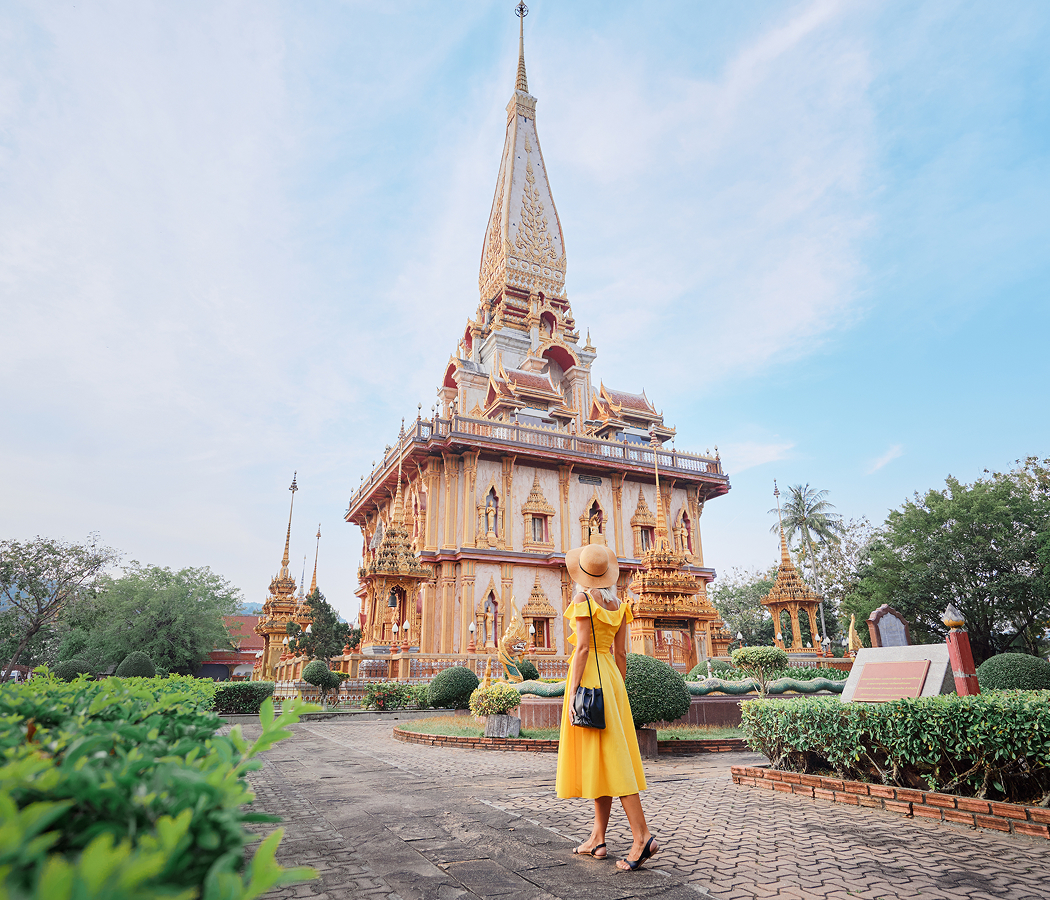
Perfect weekend in Vietnam.
Da Nang's emergence as one of Central Vietnam's principal coastal cities developed through centuries of maritime commerce, the artistic achievements of the Champa civilization, imperial administration, and the economic expansion of modern Vietnam. Situated where the Hàn River enters the East Sea, the city extends across a coastal plain bordered by the Trường Sơn Mountains, with sheltered bays and mountain passes historically connecting the region to inland trading routes. The surrounding territory formed part of the Champa kingdoms, whose Hindu religious traditions and commercial relationships with India, China, and Southeast Asia shaped Central Vietnam for more than a millennium. The Cham established important settlements and trading centers throughout the region, developing sophisticated traditions of sandstone sculpture, brick temple construction, and maritime exchange. During the fifteenth century, the expansion of Đại Việt under Emperor Lê Thánh Tông brought substantial portions of the former Cham territories under Vietnamese administration, accelerating the southward movement of Vietnamese settlement. The nearby port of Hội An subsequently flourished during the sixteenth and seventeenth centuries, attracting Japanese, Chinese, and European merchants engaged in the exchange of silk, ceramics, spices, and other commodities. Da Nang's sheltered harbor acquired increasing strategic importance during the nineteenth century, particularly as European maritime powers expanded their commercial and military interests in Southeast Asia. French forces attacked Da Nang in 1858, initiating the military campaign that eventually established French colonial rule over substantial portions of Vietnam. During the twentieth century, the city became an important transportation and military center, particularly during the Vietnam War, when extensive air and naval facilities supported American military operations. Following Vietnamese reunification in 1975, Da Nang underwent substantial reconstruction and economic diversification. Its designation as a centrally governed municipality in 1997 accelerated investment in transportation, manufacturing, commercial infrastructure, and coastal development, strengthening its position as a principal gateway to Central Vietnam.
Vietnamese artistic traditions and culinary practices have developed in the Da Nang region through the influence of Cham religious sculpture, imperial craftsmanship, coastal fishing communities, and the agricultural resources of Central Vietnam. The Cham civilization produced some of Southeast Asia's most accomplished sandstone carvings, including representations of Hindu deities, mythological figures, and elaborate decorative compositions associated with the religious architecture of ancient Champa. The nearby imperial city of Huế became the capital of the Nguyễn dynasty in 1802, establishing an important center of royal patronage, classical music, decorative arts, and Vietnamese courtly traditions. The Complex of Huế Monuments received UNESCO World Heritage recognition in 1993, preserving substantial architectural achievements associated with Vietnam's last imperial dynasty. Hội An Ancient Town received the same designation in 1999, acknowledging its exceptional concentration of historic merchant houses, assembly halls, religious buildings, and traditional commercial architecture. The region's performing arts traditions include bài chòi, a form of communal entertainment combining music, poetry, theatrical performance, and a traditional card game, recognized by UNESCO as intangible cultural heritage in 2017. Da Nang's culinary traditions draw upon coastal seafood, rice cultivation, fresh herbs, fermented seasonings, and the distinctive cooking practices of Central Vietnam. Mì Quảng, a regional noodle specialty prepared with turmeric-colored rice noodles, aromatic broth, herbs, peanuts, and varied proteins, occupies a prominent place in local food culture. Other established preparations include bánh tráng cuốn thịt heo, featuring sliced pork wrapped in rice paper with fresh vegetables and herbs, and bún chả cá, a fish cake noodle soup associated with Central Vietnam's coastal communities. Fermented fish sauces, regional chile preparations, and locally cultivated vegetables contribute additional depth to the area's cooking traditions. Contemporary Da Nang restaurants have expanded these foundations through interpretations of Vietnamese regional cuisine, seasonal seafood, and international culinary techniques. A weekend in Da Nang connects the artistic achievements of ancient Champa, the maritime history of Central Vietnam, exceptional coastal landscapes, and the culinary traditions of the country's central provinces.
Three day itinerary.
Day 1: The Marble Mountains
The Marble Mountains is best known for its extraordinary limestone and marble formations, ancient Buddhist sanctuaries, and sacred caves rising above the coastal plain south of Da Nang. The complex consists of five prominent hills traditionally associated with the five elements of Vietnamese cosmology: metal, wood, water, fire, and earth. Thủy Sơn, the largest and most extensively developed mountain, contains an intricate network of temples, pagodas, grottoes, and stone stairways shaped by centuries of religious activity. Huyền Không Cave forms one of the site's most dramatic spaces, with natural openings illuminating Buddhist altars beneath towering limestone walls. The mountains developed into an important center of Buddhist worship under the Nguyễn dynasty, whose rulers supported the construction and restoration of religious structures throughout Central Vietnam. The surrounding Non Nước district became celebrated for stone carving, establishing a longstanding relationship between the region's geological resources and traditional craftsmanship. Elevated viewpoints reveal the coastal landscape extending toward the East Sea and the urban development of Da Nang. Marble Mountains represents an exceptional convergence of Vietnamese religious history, geological formations, and traditional artistic heritage.
Day 1: La Maison 1888
La Maison 1888 is best known for its sophisticated interpretation of French haute cuisine within the InterContinental Danang Sun Peninsula Resort on the forested slopes of Sơn Trà Peninsula. The restaurant occupies an elaborate architectural setting designed by Bill Bensley, whose theatrical interpretation of a nineteenth-century French colonial residence incorporates richly decorated interiors and distinctive dining spaces. Its culinary program developed through associations with internationally celebrated French chefs, including Michel Roux and Pierre Gagnaire, establishing an ambitious approach to classical technique and contemporary gastronomy. Premium seafood, carefully prepared meats, seasonal vegetables, and elaborate sauces form the foundations of a menu rooted in French culinary traditions. The restaurant's coastal setting connects its refined dining environment with the tropical forests and dramatic terrain of the peninsula. La Maison 1888 received a MICHELIN star in the inaugural MICHELIN Guide selection for Da Nang in 2024, establishing its position among Vietnam's leading fine-dining institutions. The restaurant represents an exceptional expression of French gastronomy in Southeast Asia through its combination of culinary precision, architectural imagination, and extraordinary coastal geography.
Day 2: My Son Sanctuary
My Son Sanctuary is best known for preserving the extraordinary remains of a Hindu temple complex associated with the ancient Champa civilization in the mountains of Central Vietnam. Developed between the fourth and thirteenth centuries, the sanctuary became one of the most important religious centers of the Cham kingdoms, whose maritime trading networks connected the Vietnamese coast with India and the wider Southeast Asian world. Its surviving brick towers and sanctuaries reflect architectural traditions shaped by Hindu religious symbolism, particularly the worship of Shiva. Cham builders developed sophisticated construction techniques using carefully fitted bricks, sculptural decoration, and elaborate sandstone architectural elements. The sanctuary's monuments preserve inscriptions and artistic traditions that illuminate the political and religious history of the Champa civilization. Extensive damage during the Vietnam War destroyed portions of the complex, leaving a significant collection of surviving structures and archaeological remains. UNESCO inscribed Mỹ Sơn Sanctuary on the World Heritage List in 1999, recognizing its exceptional cultural significance. Mỹ Sơn represents one of Southeast Asia's most important surviving centers of ancient Hindu architecture and Cham civilization.
Day 2: Bếp Cuốn Đà Nẵng
Bếp Cuốn Đà Nẵng is best known for its approachable interpretation of Central Vietnamese cuisine through fresh rice-paper rolls, regional specialties, and traditional preparations associated with Da Nang's culinary heritage. The restaurant's menu emphasizes the distinctive relationship between fresh herbs, rice noodles, grilled meats, vegetables, and carefully balanced dipping sauces that characterizes the cooking traditions of Central Vietnam. Bánh tráng cuốn thịt heo, a regional specialty combining sliced pork with rice paper, vegetables, and fermented dipping sauce, reflects the area's concentration on fresh ingredients and interactive dining. Other preparations draw on the broader culinary traditions of Quảng Nam and the central coast, incorporating aromatic herbs, rice-based ingredients, and savory broths. The restaurant's culinary character reflects the everyday food culture of Da Nang, whose regional cooking developed through the agricultural traditions and maritime resources of Central Vietnam. Bếp Cuốn Đà Nẵng represents an accessible expression of the city's culinary heritage through its emphasis on traditional ingredients and communal Vietnamese dining.
Day 2: Da Nang Museum of Cham Sculpture
Da Nang Museum of Cham Sculpture is best known for preserving the world's most important collection of sculptural artifacts associated with the ancient Champa civilization. Established in 1915 under the auspices of the École française d'Extrême-Orient, the museum developed around archaeological discoveries from Cham religious sites across central and southern Vietnam. Its architecture incorporates elements inspired by traditional Cham design, creating a distinctive institutional setting near the Hàn River. The collection encompasses sandstone sculptures, architectural fragments, altars, and decorative works associated with Hindu and Buddhist religious traditions. Major objects originate from important Cham cultural centers including Mỹ Sơn, Trà Kiệu, and Đồng Dương, preserving evidence of artistic traditions that developed through centuries of interaction with Indian civilization. Sculptures depicting Shiva, Vishnu, Brahma, and other religious figures reveal the technical sophistication and symbolic complexity of Cham stone carving. The museum's collections illuminate the political, artistic, and religious achievements of a civilization whose kingdoms shaped the history of Central Vietnam for more than a millennium. Museum of Cham Sculpture represents an indispensable institution for understanding the archaeological heritage and cultural achievements of the Champa civilization.
Day 2: Nén Danang
Nén Danang is best known for chef Summer Le's contemporary interpretation of Vietnamese cuisine through an ambitious tasting-menu program grounded in regional ingredients and culinary heritage. Le developed the restaurant around a distinctive approach to Vietnamese gastronomy, emphasizing the relationship between traditional preparations, local agriculture, and modern culinary techniques. Its kitchen explores ingredients associated with Central Vietnam through carefully composed dishes incorporating herbs, seafood, vegetables, fermented elements, and regional seasonings. The restaurant's culinary philosophy emphasizes the preservation of Vietnamese flavor traditions through creative presentations and sophisticated technical execution. Nén Danang received a MICHELIN Green Star in the inaugural MICHELIN Guide selection for Da Nang in 2024, recognizing its commitment to sustainable gastronomy. The restaurant's approach reflects the growing international significance of contemporary Vietnamese fine dining and the country's extraordinary diversity of regional culinary traditions. Nén Danang represents an influential expression of modern Vietnamese gastronomy through its combination of ingredient-driven cooking, sustainability, and independent culinary authorship.
Day 3: Nhà hàng Madame Lân
Nhà hàng Madame Lân is best known for its extensive interpretation of traditional Vietnamese cuisine within an architecturally distinctive restaurant overlooking the Hàn River. The restaurant occupies a large complex inspired by the historic merchant houses and courtyard architecture of Central Vietnam, incorporating tiled roofs, timber details, and interconnected dining spaces. Its menu explores culinary traditions from across the country, with particular emphasis on dishes associated with Da Nang, Hội An, and the surrounding Quảng Nam region. Mì Quảng, bánh xèo, fresh spring rolls, rice-based preparations, and regional noodle dishes reflect the diversity of Vietnamese cooking traditions. The kitchen's approach emphasizes familiar recipes, fresh herbs, aromatic broths, and the distinctive balance of savory, acidic, and spicy flavors associated with Central Vietnamese cuisine. Madame Lân represents an established institution in Da Nang's restaurant culture through its combination of traditional Vietnamese cooking and architectural references to the region's historic urban heritage.
Day 3: Sơn Trà Mountain
Sơn Trà Mountain is best known for its extraordinary combination of tropical forest, mountainous coastal terrain, and panoramic views across Da Nang Bay and the East Sea. Rising to 700 meters above sea level, the peninsula forms a prominent natural barrier along the northeastern edge of the city. Its forest ecosystem supports a remarkable diversity of tropical wildlife, including the endangered red-shanked douc langur, among Southeast Asia's most visually distinctive primates. The peninsula's steep slopes and coastal roads reveal dramatic transitions between dense forest, rocky headlands, secluded beaches, and expansive ocean views. Linh Ứng Pagoda occupies a prominent coastal position and features an expansive statue of the Bodhisattva of Compassion overlooking the surrounding waters. The peninsula's strategic geography also contributed to its historical military significance during the twentieth century. Sơn Trà Peninsula represents one of Central Vietnam's most important coastal natural environments through its biodiversity, dramatic terrain, and relationship with the maritime landscape of Da Nang.
Day 3: Hải Vân Pass
Hải Vân Pass is best known for its dramatic mountain roadway overlooking the South China Sea and its historic role as a geographical boundary between northern and Central Vietnam. Rising to 496 meters above sea level, the pass crosses a coastal spur of the Annamite Range between Da Nang and Huế. Its name translates to Ocean Cloud Pass, reflecting the dense clouds and mist that frequently envelop the surrounding mountains. The route developed into an important transportation corridor connecting the former imperial capital of Huế with the trading settlements and coastal communities farther south. Historic fortifications near the summit preserve evidence of the pass's strategic military importance during successive periods of Vietnamese history. The modern roadway follows steep mountain slopes, revealing expansive views across Lăng Cô Bay, the coastline of Central Vietnam, and the rugged terrain of the surrounding mountains. The opening of the Hải Vân Tunnel in 2005 transformed regional transportation by providing a direct route beneath the mountain range. Hải Vân Pass represents one of Vietnam's most significant coastal mountain crossings through its combination of dramatic geography, transportation history, and extraordinary maritime scenery.
Day 3: Citron
Citron is best known for its dramatic elevated dining setting and sophisticated interpretation of Vietnamese cuisine within the InterContinental Danang Sun Peninsula Resort. Designed by Bill Bensley, the restaurant incorporates distinctive private dining booths shaped like inverted Vietnamese conical hats, suspended above the surrounding tropical landscape. Its architectural composition draws on traditional Vietnamese cultural forms through contemporary design, creating an extraordinary relationship between dining spaces and the forested slopes of Sơn Trà Peninsula. The culinary program emphasizes Vietnamese regional specialties, carefully prepared seafood, seasonal vegetables, and traditional ingredients associated with Central Vietnam. The restaurant's elevated position provides expansive views toward the East Sea, reinforcing its connection with the coastal geography of Da Nang. Citron represents a distinctive expression of contemporary Vietnamese luxury hospitality through its integration of regional culinary traditions, imaginative architecture, and dramatic tropical scenery.
Where your story begins.
Foresyte Travel reveals places that feel extraordinary long before you arrive.
Enjoy editorial crafted for luxury travelers.
Foresyte may earn a commission when you book.