Why Nhà hàng Madame Lân matters.
Nhà hàng Madame Lân is a MICHELIN-selected Vietnamese restaurant where Thạch Thang's historic riverfront commerce meets the domestic cooking traditions of Vietnam's three regions, the architectural character of Hội An and the communal dining culture of the central coast.
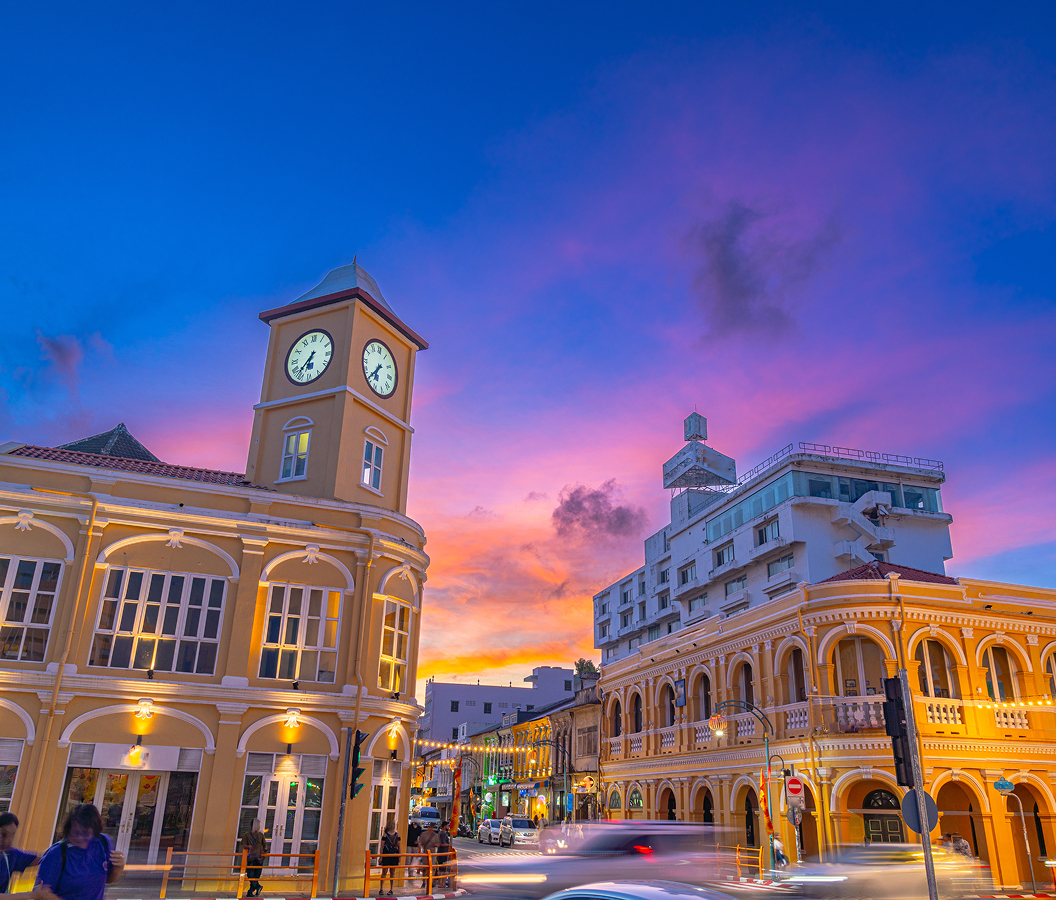
Occupying a prominent riverside position near the intersection of Bạch Đằng, Trần Phú and Trần Quý Cáp, the restaurant stands along the western bank of the Hàn River, north of the city's principal commercial and pedestrian waterfront. Its sprawling yellow buildings incorporate tiled roofs, covered verandas, open courtyards and architectural details inspired by the traditional merchant houses of Hội An. Ornamental ponds and water features separate portions of the dining complex, creating landscaped passages between the principal indoor rooms and the surrounding terraces. Wooden furnishings, decorative lanterns, broad openings and sheltered outdoor tables establish a series of dining environments suited to intimate meals and substantial family gatherings. The result is a distinctive riverside restaurant whose traditional architecture, interconnected courtyards and garden-oriented dining spaces create a physical setting closely associated with Central Vietnam's domestic and commercial heritage.
What defines Nhà hàng Madame Lân.
Nhà hàng Madame Lân is best known for transforming the culinary memories of a Vietnamese mother into a substantial riverside restaurant devoted to the country's regional cooking traditions. The establishment was founded in 2012 by a group of entrepreneurs whose concept originated in the family kitchen of the owner's late mother, Madame Lân. She raised six children through meals prepared with vegetables harvested from her garden and fish and prawns obtained from local markets. Her cooking emphasized aromatic herbs, carefully balanced seasoning and the social importance of gathering family members around a shared table. These memories became the foundation for a restaurant conceived around the Vietnamese understanding of bữa cơm gia đình, the family meal as a central institution of domestic life. The founders developed the establishment to preserve this relationship between cooking and social connection, introducing a substantial menu representing culinary traditions across northern, central and southern Vietnam. Its opening on April 26, 2012, established a new dining destination within Da Nang's developing hospitality economy, connecting traditional Vietnamese food culture to the city's growing international tourism industry. The restaurant's culinary direction drew on the diversity of the country's regional ingredients and preparation methods, bringing familiar domestic dishes into a coordinated restaurant setting. Northern Vietnamese traditions contributed an emphasis on balanced broths, delicate seasoning and the careful use of fresh herbs, establishing a culinary foundation associated with the agricultural communities of the Red River Delta. Central Vietnamese cooking introduced stronger concentrations of chili, fermented condiments and aromatic ingredients, reflecting the culinary heritage of Huế, Quảng Nam and the surrounding coastal provinces. Southern Vietnamese preparations contributed a broader use of tropical fruits, coconut products and sweet-sour combinations, extending the menu's geographical range into the Mekong Delta. The restaurant's development incorporated these regional traditions through an extensive selection of soups, rice dishes, grilled meats, seafood, salads and preparations designed for communal sharing. Its culinary program also preserved the importance of traditional Vietnamese presentation, including shared serving dishes and accompaniments arranged to accommodate individual preferences. The establishment gradually became associated with the revival of family-style Vietnamese dining within Da Nang's expanding restaurant sector, introducing a substantial hospitality format capable of accommodating both local residents and international travelers. Its relationship with the Hàn River waterfront contributed to this development, placing the restaurant within an urban corridor whose commercial importance had expanded through successive periods of maritime trade and municipal modernization. The property's architectural design reinforced its connection to Central Vietnamese heritage through references to Hội An's historic merchant houses, establishing a recognizable relationship between regional building traditions and contemporary restaurant hospitality. The restaurant subsequently developed a substantial reputation among international visitors, contributing to its recognition through the Tripadvisor Travelers' Choice awards in 2023. Its inclusion among Vietnam's Top 80 restaurants at the TOP80 Asia Awards in 2020 established an earlier distinction within the country's hospitality industry. The MICHELIN Guide expanded its Vietnamese coverage to Da Nang in 2024, introducing the coastal city to an international restaurant classification system already established in Hanoi and Ho Chi Minh City. Madame Lân entered the MICHELIN Selected category that year, receiving recognition for its extensive Vietnamese culinary program and distinctive dining environment. The selection emphasized the restaurant's connection to traditional regional dishes, including Da Nang's fried fish summer rolls and sautéed beef with pepper elder. The restaurant retained its MICHELIN Selected distinction in 2025, strengthening its position within the city's internationally recognized dining sector. Its inclusion in the 2026 selection completed three consecutive years of MICHELIN recognition, establishing a sustained association with the guide's assessment of Vietnamese cuisine. The establishment's development connects a family-inspired culinary concept, the preservation of Vietnam's regional cooking traditions and the international recognition of Da Nang's contemporary restaurant culture.
Madame Lân's family cooking traditions establish the central principle of the restaurant's culinary program: a Vietnamese meal develops through the coordinated presentation of several preparations whose flavors, textures and temperatures complement one another across a shared table. The kitchen organizes this approach through the relationship between rice, vegetables, proteins, broths and dipping sauces, preserving the structure of domestic meals within a substantially larger restaurant operation. Steamed rice provides the principal foundation, allowing strongly seasoned accompaniments to contribute contrasting savory, aromatic and acidic characteristics. Its neutral flavor and soft texture establish a consistent relationship with grilled meats, braised preparations and vegetables, supporting the combination of several dishes within a single meal. Fish sauce contributes an important seasoning foundation through the fermentation of fish and salt, producing a concentrated liquid whose savory character develops through the breakdown of proteins into amino acids. The restaurant's use of this ingredient connects individual preparations to a broader Vietnamese culinary tradition in which fermented condiments provide depth and continuity across regional dishes. Fresh herbs introduce another essential component through the aromatic properties of mint, coriander, perilla and other cultivated plants commonly associated with Vietnamese cooking. Their inclusion establishes a contrast between cooked ingredients and fresh vegetable accompaniments, creating a balance particularly important in the country's rice-paper preparations. The restaurant's fried fish summer roll develops this relationship through the combination of seasoned fish, fresh vegetables and rice paper, creating a preparation whose components are assembled into a compact form suitable for dipping. The fish contributes a concentrated savory element, and the wrapper provides a flexible structure that contains the accompanying ingredients. Lettuce and aromatic herbs introduce freshness, balancing the richer characteristics of the cooked filling. A dipping sauce completes the preparation through the combination of acidity, sweetness and fermented seasoning, allowing the individual components to develop into a balanced mouthful. The same culinary principle extends to the restaurant's treatment of beef, particularly its sautéed beef with pepper elder. Pepper elder, a leafy herb associated with the Peperomia pellucida plant, introduces a distinctive botanical character that complements the richer flavor of cooked meat. The preparation depends on the controlled application of heat, allowing the beef to develop a browned exterior and retain moisture within its interior. Aromatic seasoning contributes further depth, establishing a relationship between the concentrated flavors of the protein and the fresh characteristics of the accompanying vegetables. This combination demonstrates the restaurant's broader approach to Vietnamese salads, which frequently incorporate cooked meats, fresh herbs and acidic dressings within a single preparation. The kitchen's use of tropical fruits introduces additional possibilities through ingredients whose natural acidity and sweetness complement savory dishes. Green mango provides a firm texture and pronounced sourness, creating a contrasting component suited to seafood and seasoned meats. Papaya contributes a different balance through its milder flavor and crisp texture when used before ripening, supporting the preparation of traditional Vietnamese salads. The restaurant's grilled dishes develop the savory foundation of the menu through the combination of aromatic marinades and direct heat. Lemongrass contributes citrus-like fragrance, and garlic introduces pungency that becomes more concentrated during cooking. Sugar supports surface caramelization, creating a browned exterior whose sweetness balances the saltiness of fish sauce. The relationship between these ingredients establishes the familiar flavor concentration associated with Vietnamese grilled pork and chicken. Seafood preparations extend the same principles through the natural sweetness of prawns, fish and shellfish, whose delicate textures require careful control of cooking duration. The restaurant's proximity to Da Nang's fishing communities supports a culinary program grounded in the marine ingredients of Central Vietnam, connecting traditional coastal cooking to the broader national menu. Broths provide a complementary approach through the gradual extraction of flavor from bones, vegetables and aromatic roots, creating liquid preparations whose depth develops through sustained cooking. The balance of these components varies across regional Vietnamese soups, allowing differences in seasoning, herbs and accompanying ingredients to establish distinctive culinary characteristics. Madame Lân's extensive menu incorporates these regional variations within a single dining program, supporting the simultaneous presentation of dishes associated with different parts of the country. The restaurant's service develops this arrangement through the placement of shared dishes at the center of the table, allowing diners to combine rice, vegetables, proteins and sauces according to individual preferences. Its defining culinary character emerges from the sustained relationship between traditional Vietnamese ingredients, regional preparation methods and the social organization of family meals, preserving the practical and cultural foundations of domestic cooking within Da Nang's contemporary restaurant environment.
How Nhà hàng Madame Lân fits.
Nhà hàng Madame Lân works as the culminating dining destination for an exploration connecting Da Nang's colonial commercial heritage, the historical development of its riverfront and the architectural transformation of the city's principal transportation crossings.
Begin at Hàn Market, the historic commercial institution occupying a prominent position within Da Nang's central trading district. The market developed from an earlier commercial area associated with the Hàn River port, whose waterfront supported the movement of agricultural produce, seafood and manufactured goods between inland settlements and maritime trading routes. Its contemporary market building opened in 1991, consolidating a substantial concentration of merchants within a covered commercial structure. The market's organization incorporates stalls selling fresh produce, seafood, textiles, clothing and prepared foods, preserving the importance of small-scale commerce within the city's central business district. Its commercial activity connects the surrounding urban neighborhoods to the agricultural and fishing communities that supply the region's principal food markets. Continue to Da Nang Cathedral, the Roman Catholic church constructed during the French colonial period near the commercial center of the former port city of Tourane. Construction began in 1923 under the direction of French priest Louis Vallet, and the church was completed in 1924, introducing a substantial Gothic Revival building into the developing colonial settlement. Its exterior incorporates a pale pink façade, pointed arches, tall windows and a slender bell tower surmounted by a metal rooster, establishing the popular nickname Rooster Church. The building became an important center of Catholic worship during the expansion of French colonial institutions in Central Vietnam. Its interior preserves a traditional longitudinal church arrangement, with a central nave, decorative religious imagery and stained-glass windows that contribute to the building's ecclesiastical character. Conclude at Hàn River Bridge, the cable-stayed crossing that became one of the most important symbols of Da Nang's modern urban development. Construction began in 1998, and the bridge opened to traffic on March 29, 2000, establishing a major transportation connection between the historic city center and the eastern districts. Its 487-meter structure incorporates a central rotating section designed to accommodate the passage of vessels along the river. The bridge's engineering program introduced a distinctive mechanical system capable of turning the central span through ninety degrees, creating a navigable channel for maritime traffic. The project represented an important municipal investment during the period following Da Nang's designation as a centrally governed city in 1997, strengthening connections between the commercial waterfront and the expanding residential districts across the river. The progression moves from Hàn Market's traditional commercial activity through Da Nang Cathedral's colonial religious architecture and culminates in Hàn River Bridge's contemporary engineering, connecting the historical and modern development of Da Nang's central waterfront.
Where your story begins.
Foresyte Travel reveals places that feel extraordinary long before you arrive.
Enjoy editorial crafted for luxury travelers.
Foresyte may earn a commission when you book.