Perfect weekend in Thailand.
Phuket's history spans centuries of Indian Ocean commerce, tin mining, Chinese migration, and the political ambitions of the kingdoms that governed southern Thailand. Situated in the Andaman Sea off the western coast of the Malay Peninsula, Thailand's largest island is connected to the mainland by bridges crossing the narrow Pak Phra Strait. Its mountainous interior, sheltered bays, and extensive coastline historically supported maritime trade between the Indian subcontinent, the Malay world, and mainland Southeast Asia. Early settlements developed through exchanges involving Indian, Malay, and Chinese merchants, with the island's mineral resources attracting commercial interest long before the establishment of modern Thailand. Phuket became particularly valuable for its tin deposits, which supported extraction and international trade during the Ayutthaya period. During the seventeenth century, European trading companies competed for access to the island's resources, and French commercial interests gained considerable influence under King Narai. The Burmese invasion of 1785 brought a pivotal confrontation when local defenders, traditionally associated with the sisters Thao Thep Krasattri and Thao Si Sunthon, resisted an attack on the island. Their leadership became central to Phuket's historical memory and southern Thailand's traditions of regional resistance. Tin mining expanded substantially during the nineteenth century, attracting Chinese immigrants, particularly from Fujian, whose commercial enterprises, religious practices, and architectural preferences profoundly shaped the island's urban communities. Phuket's administrative importance increased during the reforms of King Chulalongkorn, when the southern tin-producing territories were incorporated into a more centralized Siamese provincial system. Mining prosperity supported substantial commercial construction, transportation improvements, and the development of merchant families whose influence extended throughout the region. The decline of tin extraction during the twentieth century coincided with the expansion of rubber cultivation and the growth of coastal tourism. Phuket subsequently developed into a major international destination, combining its historical trading traditions with the tropical landscapes and maritime resources of southern Thailand.
Southern Thai religious festivals, performing arts, and regional cooking developed through centuries of exchange among Thai, Chinese, Malay, and Indian Ocean communities. Phuket's Peranakan culture emerged from the descendants of Chinese immigrants who established families and commercial enterprises throughout the island, combining southern Chinese customs with local Thai and Malay influences. Traditional Peranakan dress, decorative ceramics, domestic architecture, and elaborate wedding ceremonies preserve connections to the merchant families that prospered during the tin-mining era. The Phuket Vegetarian Festival, associated with Chinese Taoist traditions, takes place during the ninth lunar month and incorporates temple ceremonies, vegetarian observances, and processions honoring Chinese deities. The festival's history is closely connected to Phuket's nineteenth-century Chinese communities and the development of religious institutions associated with mining settlements. Southern Thai performing arts include nora, a classical dance-drama distinguished by elaborate costumes, stylized movements, and musical accompaniment, which received UNESCO intangible cultural heritage recognition in 2021. The region also maintains traditions of nang talung, a form of shadow puppetry accompanied by music and spoken performance. Phuket's religious architecture incorporates influences from Thai Buddhism, Chinese devotional practices, and the Islamic traditions of the surrounding Malay Peninsula. The island's culinary history is equally connected to its maritime geography and immigrant communities. Phuket-style Hokkien noodles, prepared with thick yellow noodles, seafood, pork, and savory broth or sauce, developed through Chinese culinary influence. Mee hun kaeng poo combines rice vermicelli with aromatic crab curry, incorporating coconut milk, chile, and regional spices. Other specialties include oh aew, a chilled dessert made with jelly, ice, and sweet syrup; moo hong, a slow-braised pork dish seasoned with garlic, pepper, and soy sauce; and nam phrik kung siap, a chile relish featuring dried shrimp. Southern Thai cooking incorporates turmeric, lemongrass, galangal, fermented shrimp paste, and abundant seafood, producing preparations distinguished by assertive seasoning and complex aromatic combinations. Phuket's contemporary restaurants extend these traditions through locally sourced ingredients, interpretations of Peranakan recipes, and modern techniques applied to southern Thai cuisine. A weekend in Phuket traces the island's connections to Indian Ocean trade, Chinese merchant society, traditional southern Thai performance, and the culinary practices of the Andaman coast.
Three day itinerary.
Day 1: Phuket Old Town
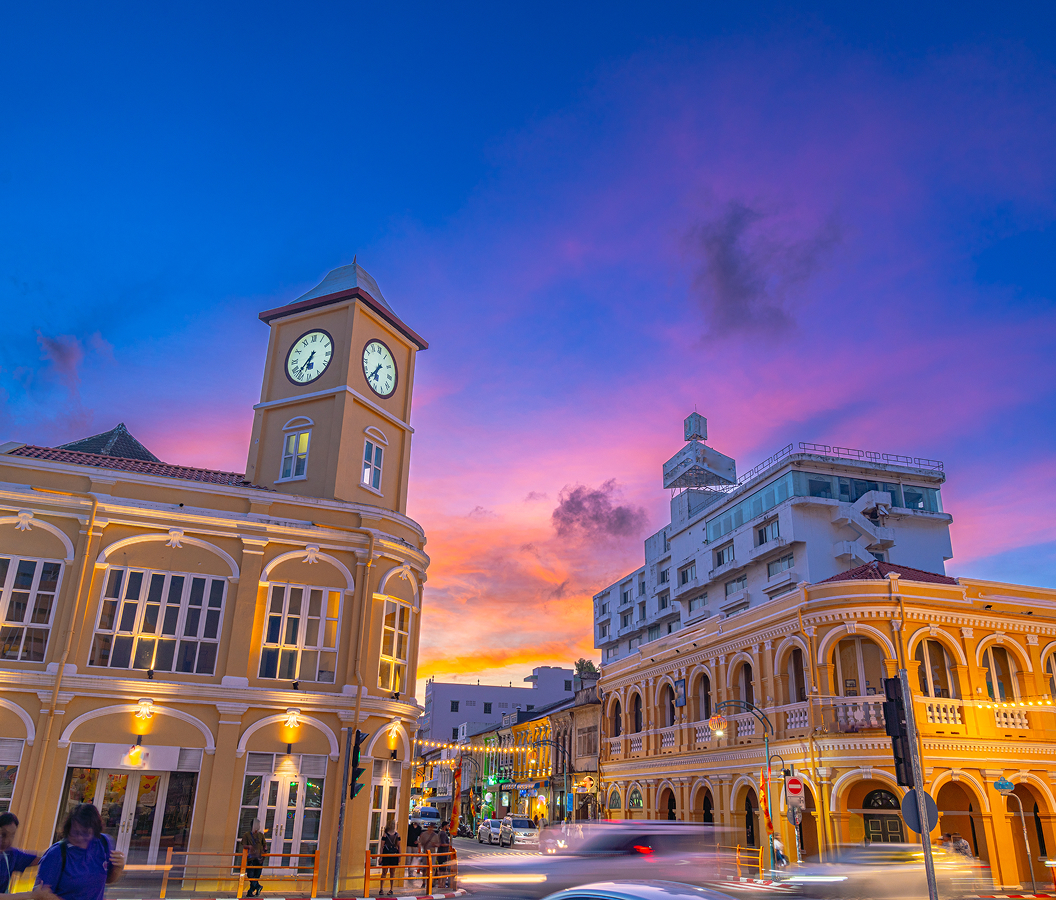
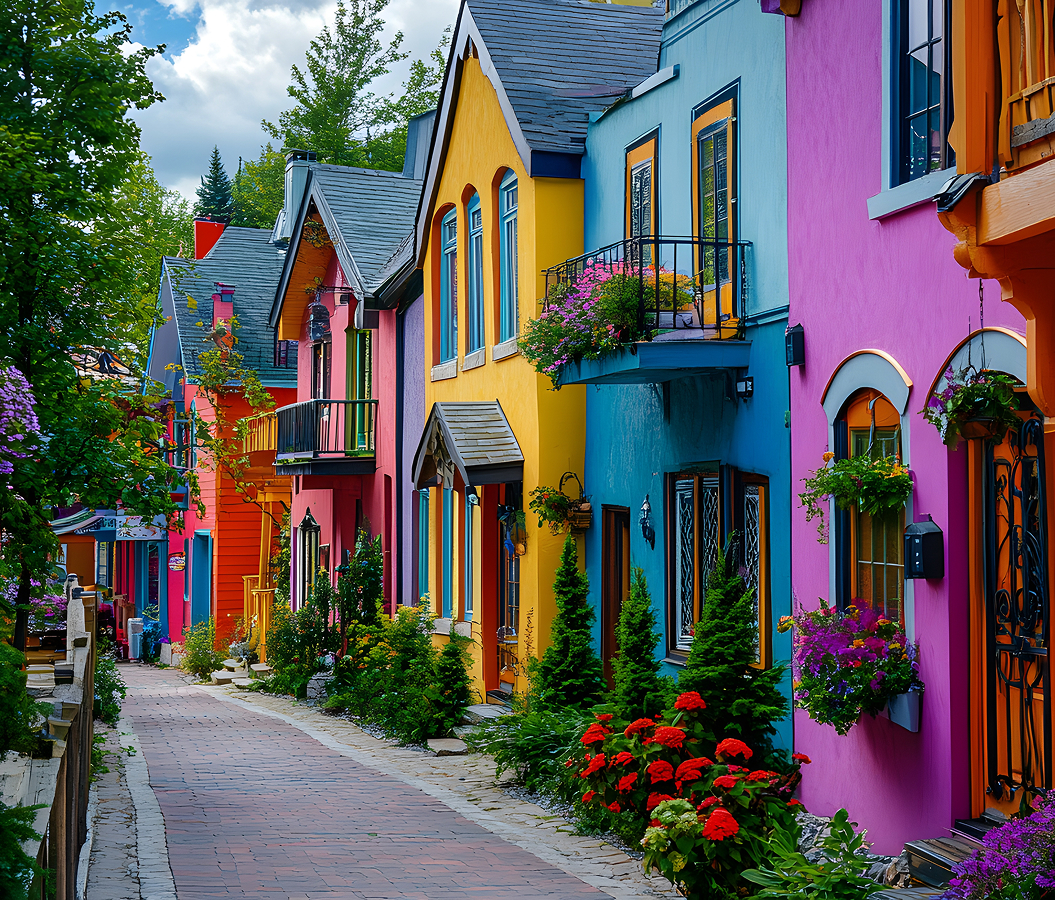
Phuket Old Town is best known for its extraordinary Sino-Portuguese architecture, historic merchant houses, and centuries of commercial exchange between southern Thailand, China, and the Malay Peninsula. Phuket's prosperity accelerated during the nineteenth century as Chinese entrepreneurs and migrant workers expanded the island's tin-mining industry, transforming its principal settlement into a thriving regional trading center. Wealthy merchant families commissioned elaborate shophouses and residences that combined European neoclassical ornamentation with Chinese architectural traditions. Thalang Road became a principal commercial corridor, distinguished by colorful facades, decorative plasterwork, timber shutters, and covered pedestrian arcades known as five-foot ways. The nearby streets of Dibuk, Krabi, and Phang Nga preserve additional examples of the architecture developed during the island's mining prosperity. Phuket's Peranakan communities established distinctive cultural traditions through the interaction of Chinese ancestry, local Thai customs, and regional Malay influences. Historic residences such as Baan Chinpracha preserve elaborate interiors, imported furnishings, and architectural elements associated with prosperous merchant households. Phuket Old Town represents one of southern Thailand's most significant historic urban districts through its concentration of Sino-Portuguese architecture, commercial heritage, and enduring Peranakan culture.
Day 1: Raya Restaurant
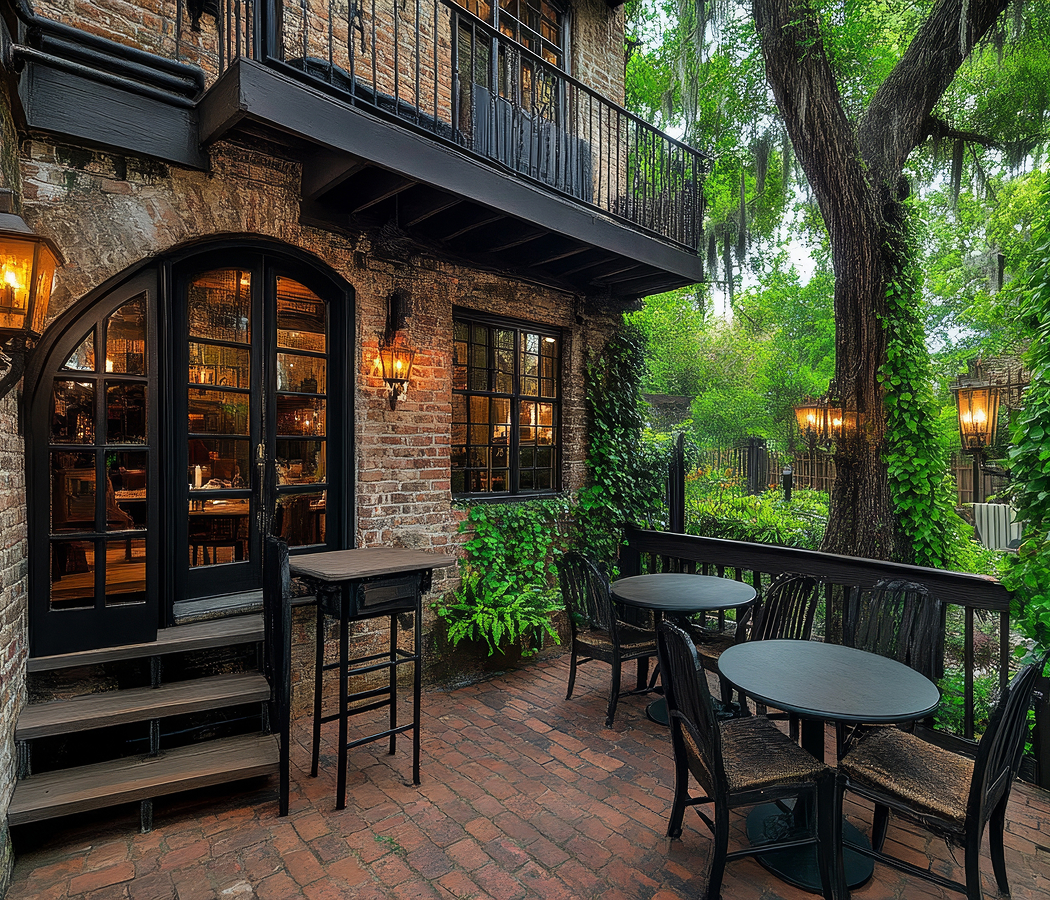
Raya Restaurant is best known for its traditional Phuket cuisine and its preservation of southern Thai culinary heritage within a historic Sino-Portuguese residence. Established by Khun Rose, the restaurant developed into one of Phuket Town's most celebrated dining institutions through its concentration on family recipes and regional ingredients. Its kitchen emphasizes the assertive flavors of southern Thailand, incorporating fresh seafood, aromatic herbs, coconut milk, turmeric, shrimp paste, and intensely seasoned curry preparations. The restaurant's celebrated crab curry with rice vermicelli combines generous portions of crab meat with a fragrant coconut-based curry, reflecting Phuket's longstanding relationship with the seafood resources of the Andaman Sea. Other specialties include moo hong, a slow-braised pork preparation shaped by Chinese culinary influences and the island's Peranakan heritage. The restaurant occupies a historic building distinguished by timber furnishings, traditional decorative elements, and architectural details associated with Phuket's prosperous merchant families. Raya Restaurant represents a defining institution in Phuket's regional gastronomy through its preservation of southern Thai cooking and the multicultural culinary traditions of the island.
Day 2: Phang Nga Bay
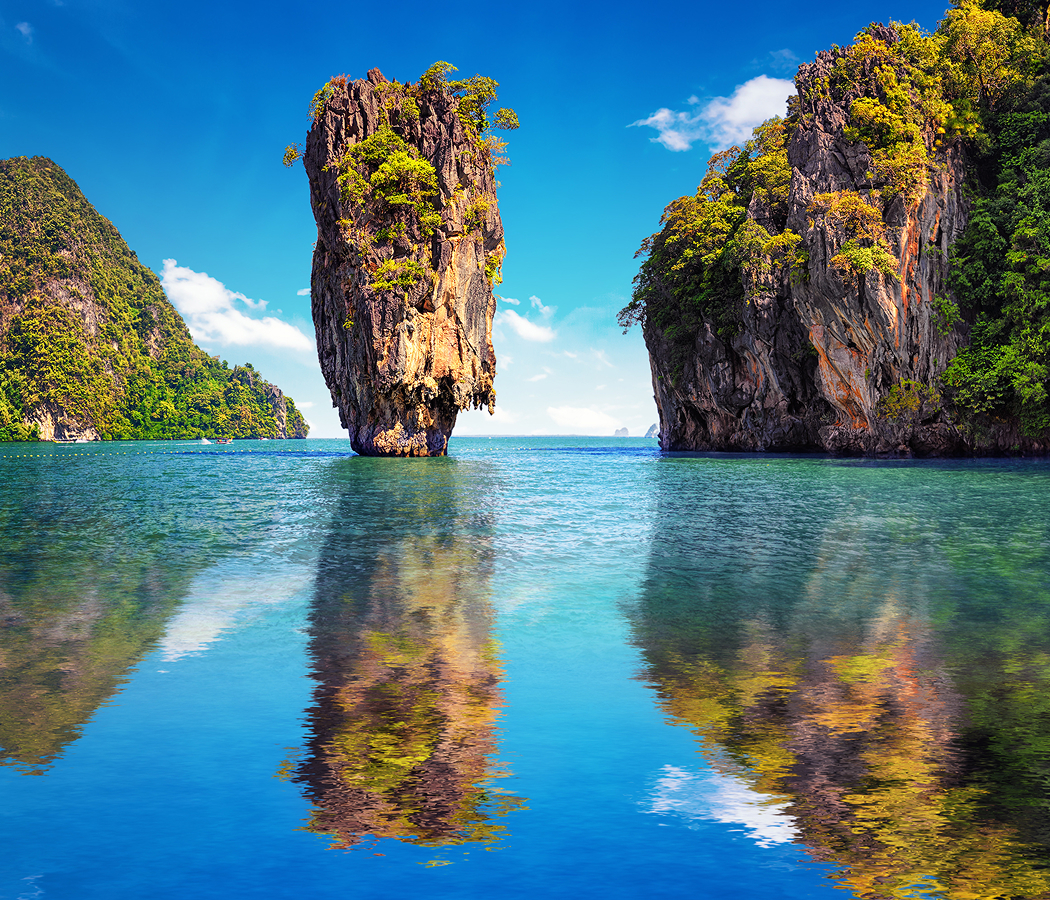
Phang Nga Bay is best known for its striking limestone karst formations, sheltered emerald waters, and extraordinary coastal geography along Thailand's Andaman Sea. The bay's dramatic landscape developed through geological processes that transformed ancient marine limestone deposits into towering cliffs, isolated islands, caves, and intricate tidal channels. Its distinctive formations rise abruptly from shallow coastal waters, creating one of Southeast Asia's most recognizable tropical seascapes. Ao Phang Nga National Park, established in 1981, protects substantial portions of the bay's limestone islands, mangrove forests, and marine habitats. The park encompasses extensive tidal ecosystems that support fish, crustaceans, coastal birds, and other species adapted to the interaction between freshwater runoff and marine conditions. Ko Tapu gained international recognition through its appearance in the 1974 James Bond film The Man with the Golden Gun, becoming one of the region's most photographed geological formations. The surrounding islands contain sea caves and enclosed lagoons shaped by erosion and changing sea levels. Phang Nga Bay represents an exceptional concentration of tropical karst geology, protected coastal ecosystems, and the maritime landscapes of southern Thailand.
Day 2: One Chun Café & Restaurant
One Chun Café & Restaurant is best known for its traditional southern Thai cuisine and its distinctive interpretation of Phuket's Chinese-influenced culinary heritage. Located within Phuket Old Town, the restaurant occupies a historic commercial building whose decorative character reflects the island's longstanding merchant culture. Its kitchen emphasizes established regional recipes incorporating fresh seafood, fermented seasonings, aromatic herbs, and the intense spice combinations associated with southern Thai cooking. Signature preparations include crab curry, stir-fried vegetables, traditional pork dishes, and other specialties shaped by the culinary exchanges connecting Phuket with southern China and the Malay Peninsula. The restaurant's interior incorporates vintage furnishings, historic photographs, and decorative objects associated with the island's twentieth-century commercial society. Its culinary approach reflects the preservation of family-style cooking traditions within a contemporary restaurant environment. One Chun represents an important expression of Phuket's regional food culture through its concentration on traditional recipes and the island's distinctive Sino-Thai culinary heritage.
Day 2: Wat Chalong
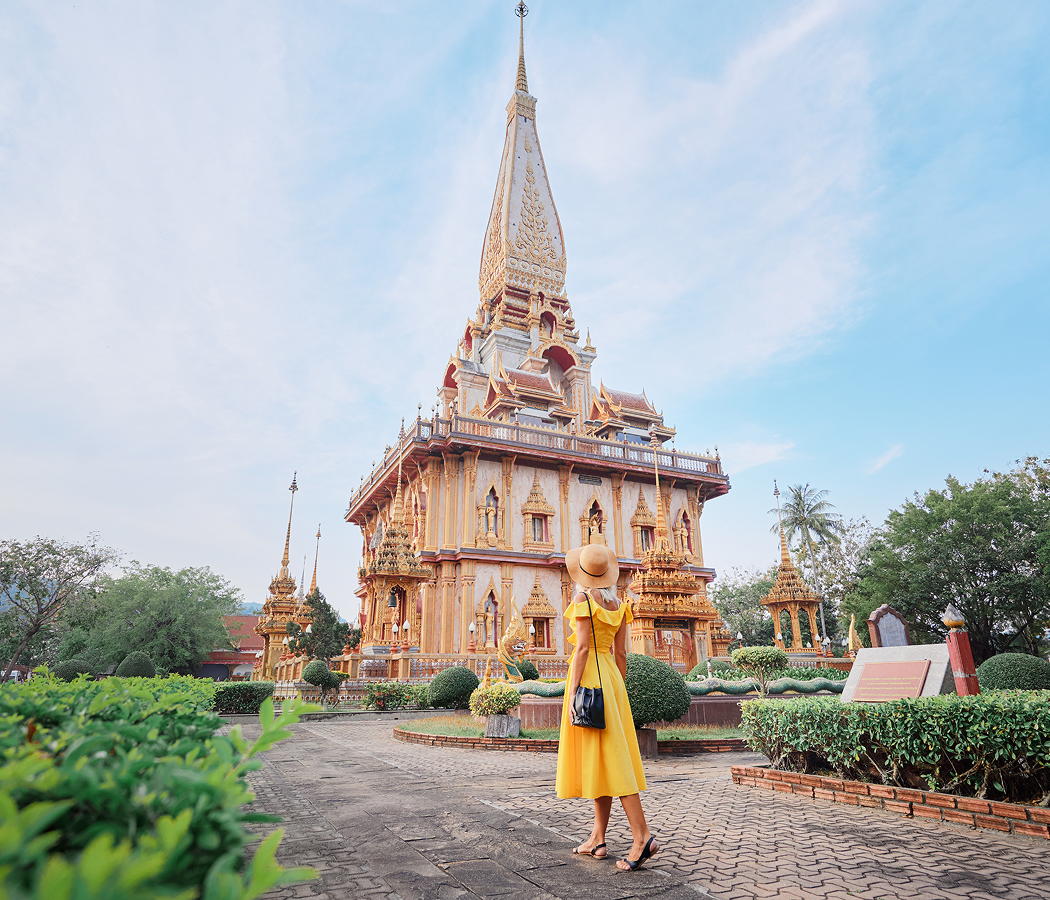
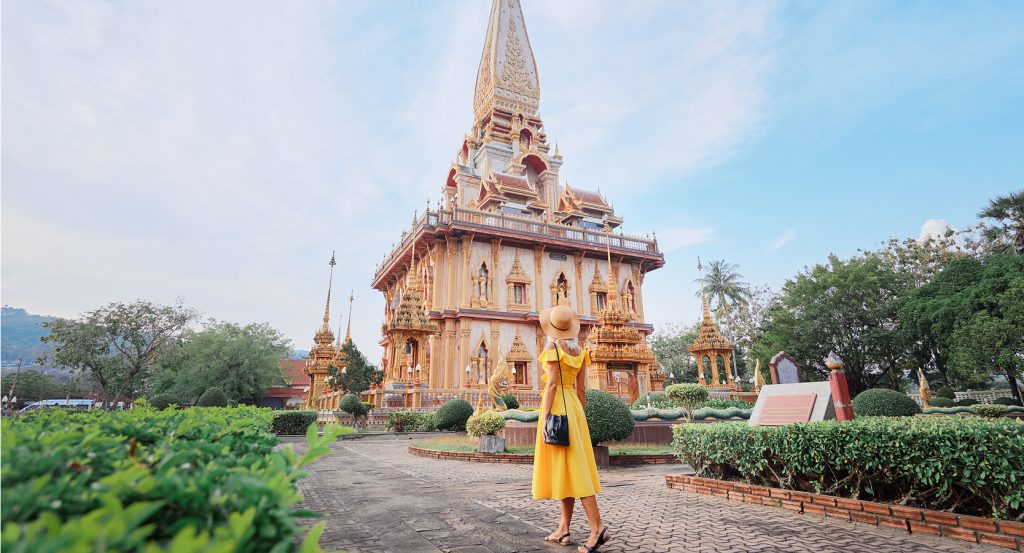
Wat Chalong is best known for its elaborate Thai Buddhist architecture and its longstanding association with two revered monks who played important roles in Phuket's nineteenth-century history. Officially known as Wat Chaiyathararam, the temple developed into the island's principal Buddhist religious institution through generations of local patronage and ceremonial activity. Luang Pho Chaem and Luang Pho Chuang became especially revered for their spiritual leadership and their association with the restoration of stability during disturbances connected with Phuket's tin-mining communities in the 1870s. The temple's architectural complex incorporates richly decorated prayer halls, gilded Buddha images, elaborate roof structures, and traditional Thai religious ornamentation. Its grand chedi rises above the surrounding buildings and contains sacred relics associated with Buddhist devotional traditions. Interior murals depict episodes from the life of the Buddha, connecting the temple's architectural program with the religious teachings of Theravada Buddhism. Wat Chalong represents Phuket's most consequential Buddhist religious institution through its association with local history, monastic leadership, and the artistic traditions of southern Thai temple architecture.
Day 2: PRU
PRU is best known for its pioneering interpretation of contemporary Thai gastronomy through ingredients cultivated and harvested across Phuket and southern Thailand. Located at Trisara on the island's northwestern coast, the restaurant developed under chef Jimmy Ophorst, whose culinary philosophy emphasizes the agricultural diversity and natural resources of the surrounding region. Its name derives from the restaurant's guiding principle, Plant, Raise, Understand, reflecting a commitment to the relationship between farming, ecological stewardship, and fine dining. The kitchen incorporates vegetables, herbs, seafood, and regional ingredients into sophisticated tasting menus shaped by contemporary European techniques and Thai culinary traditions. Pru Jampa, the restaurant's associated agricultural project, supports the cultivation of ingredients and the development of a more direct relationship between agricultural production and the kitchen. PRU received Phuket's first MICHELIN star in the inaugural MICHELIN Guide Thailand expansion to Phuket and Phang Nga in 2019. The restaurant represents an influential achievement in contemporary Thai gastronomy through its concentration on regional agriculture, ingredient preservation, and innovative culinary technique.
Day 3: The Coffee Club Phuket Kata
The Coffee Club Phuket Kata is best known for its contemporary breakfast and café cuisine within one of Phuket's established southern coastal resort communities. The restaurant belongs to a café brand founded in Brisbane, Australia, in 1989, whose expansion across Southeast Asia introduced Australian-style breakfast culture to international hospitality destinations. Its culinary program emphasizes freshly prepared eggs, breakfast plates, pastries, coffee, and substantial daytime dishes influenced by contemporary Australian café traditions. The restaurant's position near Kata Beach connects its dining environment with a coastal district shaped by Phuket's development as an international beach destination. Its menu reflects the increasing influence of international breakfast culture within Thailand's major resort communities, combining familiar Western preparations with regional dining preferences. The Coffee Club Phuket Kata represents an established expression of contemporary resort café culture through its substantial breakfast offerings and connection with southern Phuket's coastal hospitality industry.
Day 3: Karon Viewpoint
Karon Viewpoint is best known for its extraordinary panoramic views across three of Phuket's most celebrated western beaches and the mountainous coastline of the Andaman Sea. Located along the elevated coastal road south of Kata, the viewpoint overlooks Kata Noi, Kata, and Karon beaches, whose sweeping sandy shorelines extend between forested headlands and rocky coastal formations. Its position reflects Phuket's rugged geological character, shaped by ancient granitic formations and the long-term interaction between tropical weathering and coastal erosion. The surrounding hills support dense vegetation associated with the island's tropical climate, creating a dramatic contrast with the turquoise waters and pale beaches below. The viewpoint's elevated perspective reveals the relationship between Phuket's mountainous interior and the coastal settlements that developed through the island's expansion as a major tourism destination. Karon Viewpoint represents one of southern Phuket's most distinctive coastal panoramas through its concentration of beaches, forested headlands, and expansive Andaman Sea scenery.
Day 3: Promthep Cape
Promthep Cape is best known for its dramatic rocky headland, expansive Andaman Sea views, and position near the southernmost point of Phuket Island. The cape extends into the surrounding ocean through a narrow ridge of rugged terrain shaped by the island's ancient geological foundations and continuous coastal erosion. Its elevated landscape provides panoramic views toward nearby islands, including Ko Kaeo Yai, and the extensive marine horizon stretching west across the Andaman Sea. The surrounding vegetation reflects the coastal environmental conditions of southern Phuket, incorporating hardy tropical plants adapted to exposed slopes and seasonal rainfall. The cape's name incorporates the Thai term associated with Brahma, reflecting the historical influence of Hindu cosmology within the religious and cultural traditions of Thailand. A prominent lighthouse and maritime exhibition commemorate the importance of navigation along the island's surrounding sea routes. Promthep Cape represents an exceptional expression of Phuket's coastal geography through its dramatic volcanic-era geological foundations, maritime heritage, and celebrated sunset panoramas.
Day 3: Mom Tri's Kitchen
Mom Tri's Kitchen is best known for its refined interpretation of Thai and international cuisine within an exceptional hillside setting overlooking Kata Noi Beach. The restaurant forms part of Villa Royale, a distinctive hospitality property developed by Mom Luang Tridhosyuth Devakul, widely known as Mom Tri, a member of Thailand's extended royal family and an influential architect and developer. Its culinary program emphasizes fresh seafood, carefully prepared meats, seasonal vegetables, and sophisticated preparations that connect Thai regional ingredients with established European culinary techniques. The restaurant's extensive wine program contributed to its reputation as one of Phuket's distinguished fine-dining destinations. Its terraced dining spaces overlook the Andaman Sea, establishing a dramatic relationship between tropical coastal scenery and refined resort hospitality. The property's architectural character incorporates traditional Thai influences, landscaped gardens, and carefully integrated hillside structures. Mom Tri's Kitchen represents a significant institution in Phuket's luxury dining culture through its combination of architectural authorship, coastal geography, and refined Thai-European gastronomy.
Where your story begins.
Foresyte Travel reveals places that feel extraordinary long before you arrive.
Enjoy editorial crafted for luxury travelers.
Foresyte may earn a commission when you book.