Perfect weekend in Monaco.
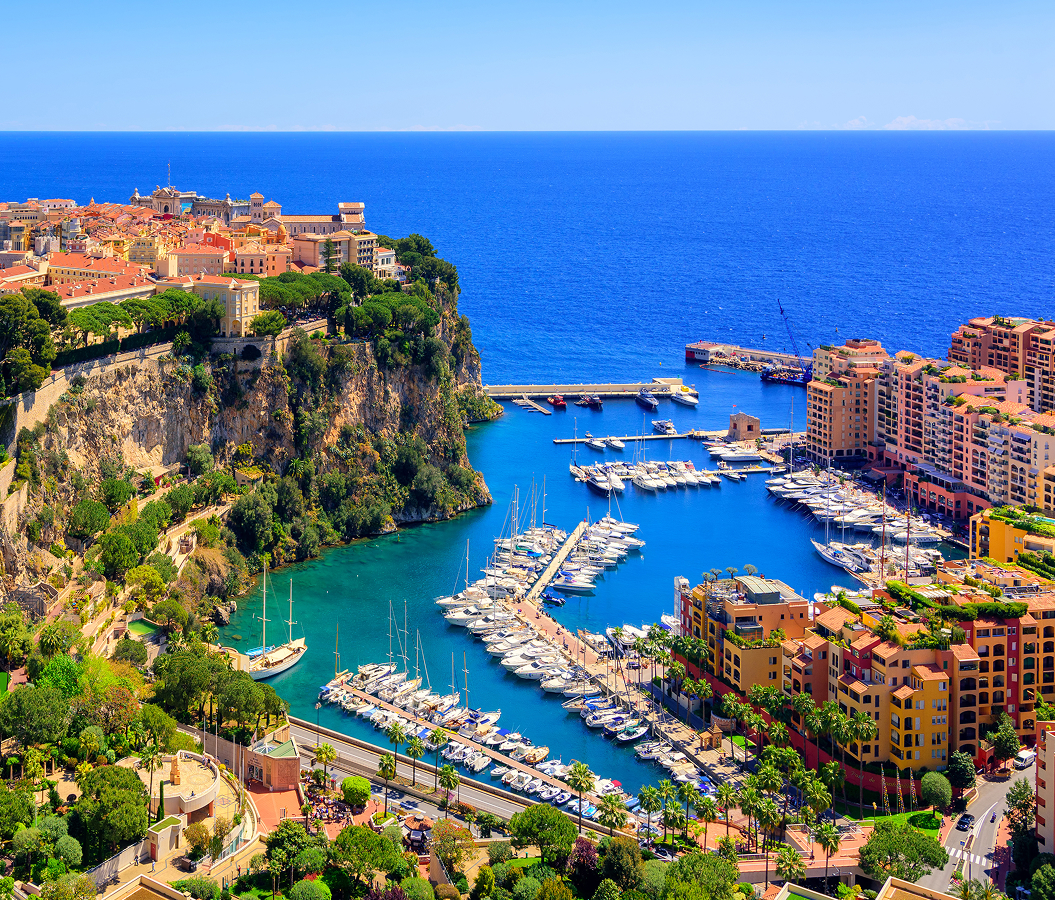
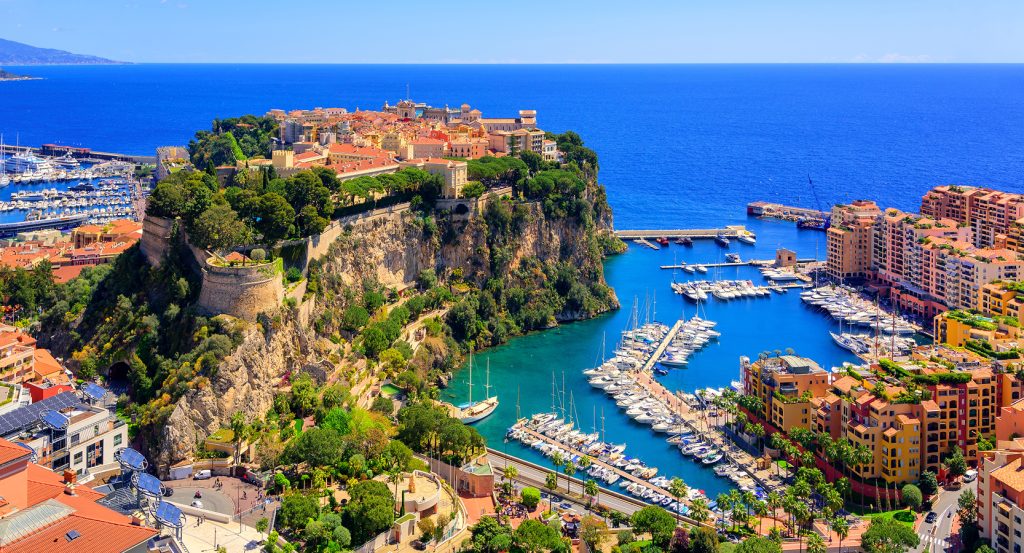
Monaco's emergence as one of Europe's most prestigious Mediterranean destinations developed through the ambitions of the Grimaldi dynasty, nineteenth-century resort investment, and the transformation of a small coastal principality into an internationally prominent center of luxury hospitality and finance. Situated along the French Riviera between the Maritime Alps and the Ligurian Sea, Monte Carlo forms part of the Principality of Monaco, whose steep limestone terrain and sheltered coastline have influenced settlement, architecture, and commercial activity for centuries. The surrounding territory was inhabited during antiquity by Ligurian communities, followed by Greek and Roman maritime activity along the Mediterranean coast. Monaco's political history became closely associated with the Grimaldi family in 1297, when François Grimaldi seized the Genoese fortress overlooking the harbor, beginning the dynasty's enduring connection to the principality. The Grimaldis consolidated their authority during subsequent centuries, navigating political relationships with neighboring Italian states, France, and Spain. Monaco's sovereignty received important recognition through the Treaty of Péronne in 1641, which established French protection and ended Spanish military influence. The nineteenth century brought substantial economic challenges, particularly following the separation of Menton and Roquebrune, whose loss deprived the principality of valuable agricultural territory and commercial revenue. Prince Charles III subsequently pursued an ambitious strategy of resort development, granting François Blanc the concession to establish a gambling enterprise that would attract wealthy European visitors. The district received the name Monte Carlo in 1866 in honor of Charles III, whose investments in transportation, hospitality, and public infrastructure accelerated Monaco's transformation. The abolition of personal taxation for most residents in 1869 further strengthened the principality's financial appeal. During the twentieth century, Prince Rainier III oversaw substantial economic diversification, land reclamation, and residential construction, establishing the foundations of Monaco's modern international prominence.
Monégasque artistic traditions and culinary achievements developed through centuries of princely patronage, European cultural exchange, and the international influence of the French Riviera's resort society. The Opéra de Monte-Carlo, inaugurated in 1879, occupies an ornate performance hall designed by Charles Garnier, whose architectural commissions also included the Palais Garnier in Paris. The theater became an important destination for European opera, attracting celebrated composers, singers, and conductors during the late nineteenth and early twentieth centuries. Sergei Diaghilev's Ballets Russes established a significant association with Monaco, contributing to the principality's reputation for theatrical innovation and international dance. The Ballets de Monte-Carlo, founded in 1985 under the patronage of Princess Caroline, subsequently developed into an influential contemporary ballet company, presenting productions that combine classical technique with modern choreography. Monaco's cultural institutions also include the Nouveau Musée National de Monaco, whose exhibitions explore contemporary art, performance, and the principality's artistic collections. The Monte-Carlo Philharmonic Orchestra traces its origins to 1856, maintaining a distinguished tradition of symphonic performance associated with Monaco's royal patronage. The principality's culinary traditions draw upon the agricultural and maritime resources of the surrounding Mediterranean coast, incorporating Provençal, Ligurian, and Italian influences. Traditional Monégasque specialties include barbajuan, a fried pastry filled with vegetables and cheese; stocafi, a preparation of dried cod with tomatoes and aromatic herbs; and fougasse monégasque, a sweet bread associated with local celebrations. Olive oil, seasonal vegetables, fresh seafood, citrus fruits, and Mediterranean herbs contribute foundational flavors to regional cooking. Monaco's contemporary restaurant culture has expanded these traditions through French haute cuisine, refined Mediterranean preparations, and the contributions of internationally distinguished chefs. A weekend in Monaco connects centuries of Grimaldi history, Belle Époque architecture, European performing arts, and the culinary sophistication of the Mediterranean principality.
Three day itinerary.
Day 1: Casino de Monte-Carlo
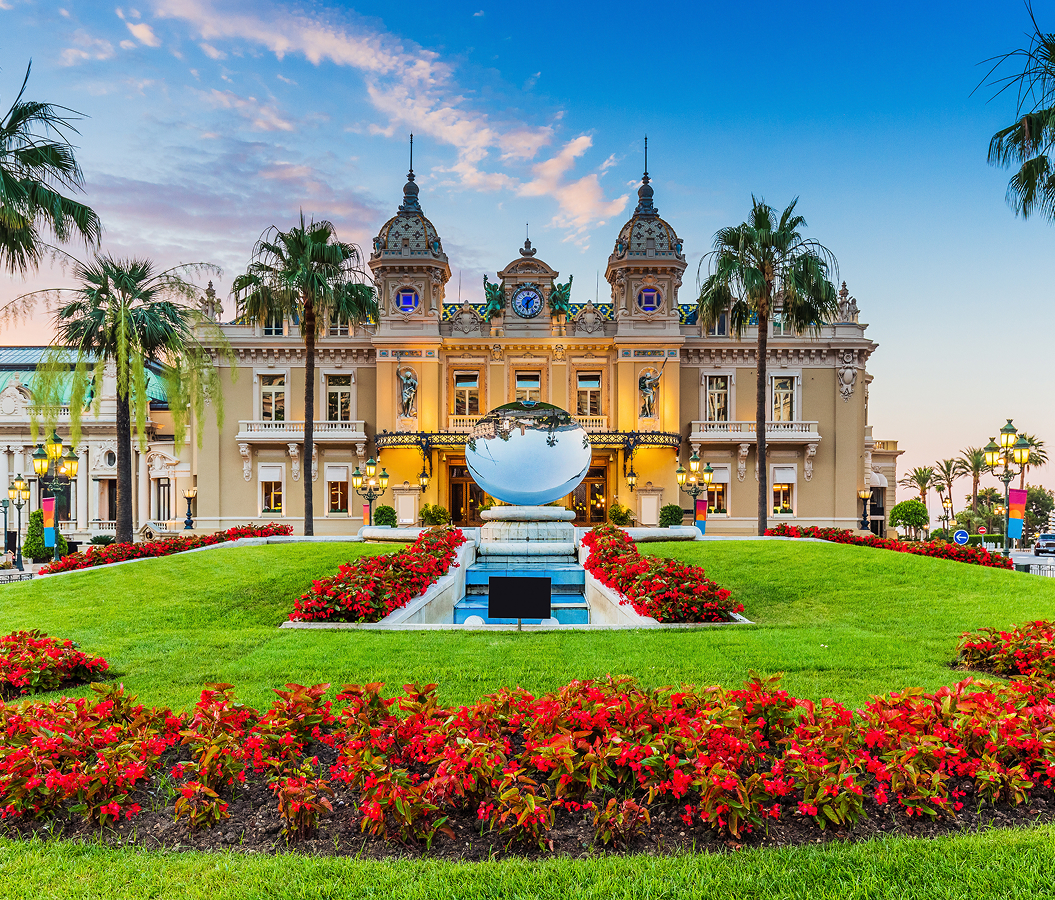
Casino de Monte-Carlo is best known for its extraordinary Belle Époque architecture and its central role in transforming Monaco into one of Europe's most celebrated luxury destinations. Prince Charles III authorized the development of casino gambling during the nineteenth century as part of an ambitious strategy to strengthen the principality's economy. François Blanc assumed control of the gaming enterprise in 1863, bringing the commercial expertise he had developed in the German spa resort of Bad Homburg. Architect Charles Garnier, whose Paris Opéra established his international reputation, designed the casino's celebrated expansion, including the Salle Garnier opera house inaugurated in 1879. The building's elaborate marble interiors, gilded ornament, expansive staircases, and richly decorated gaming rooms reflect the artistic ambitions of European aristocratic society during the Belle Époque. Its success encouraged the development of luxury hotels, landscaped gardens, and grand residential buildings throughout the surrounding district. The name Monte-Carlo itself emerged in honor of Charles III, whose economic policies established the foundations of modern Monaco's international identity. Casino de Monte-Carlo represents one of Europe's most consequential nineteenth-century entertainment institutions through its architectural grandeur, financial significance, and enduring association with international high society.
Day 1: Le Louis XV-Alain Ducasse à l'Hôtel de Paris
Le Louis XV-Alain Ducasse à l'Hôtel de Paris is best known for its transformative interpretation of Mediterranean haute cuisine and its historic achievement of earning three MICHELIN stars under chef Alain Ducasse. Prince Rainier III invited Ducasse to establish the restaurant within the Hôtel de Paris Monte-Carlo, creating an ambitious gastronomic institution centered on the culinary traditions of the French Riviera and neighboring Liguria. The restaurant opened in 1987, and Ducasse achieved three MICHELIN stars in 1990, becoming one of the youngest chefs to attain that distinction. His culinary philosophy emphasizes the exceptional agricultural and maritime resources of the Mediterranean, including seasonal vegetables, aromatic herbs, olive oil, seafood, and carefully prepared regional ingredients. The restaurant's grand dining room reflects the architectural elegance of the Hôtel de Paris, whose history extends to the nineteenth-century development of Monte-Carlo's luxury hospitality industry. Ducasse's influence helped establish Monaco as an internationally significant destination for contemporary French gastronomy. Le Louis XV represents a defining institution in European fine dining through its technical precision, Mediterranean culinary philosophy, and extraordinary gastronomic heritage.
Day 2: Prince's Palace of Monaco
Prince's Palace of Monaco is best known for its centuries-long association with the House of Grimaldi and its commanding position above the Mediterranean on the fortified promontory of Monaco-Ville. The palace developed from a Genoese fortress constructed in 1191, establishing a defensive stronghold overlooking the natural harbor. François Grimaldi seized the fortress in 1297, beginning the family's historic relationship with Monaco and the political development of the principality. Successive rulers transformed the medieval fortifications into an elaborate princely residence, introducing Renaissance courtyards, ceremonial apartments, and decorative programs influenced by Italian and French court traditions. Prince Honoré II played an important role in the palace's seventeenth-century transformation, strengthening Monaco's diplomatic relationship with France and expanding the residence's architectural sophistication. The palace suffered substantial damage during the French Revolution, when the Grimaldi family temporarily lost control of the principality. Later restoration campaigns preserved its ceremonial interiors, historic furnishings, and artistic collections. Palais Princier de Monaco represents an extraordinary architectural record of European dynastic history and the political continuity of one of the world's oldest ruling families.
Day 2: Pavyllon Monte-Carlo
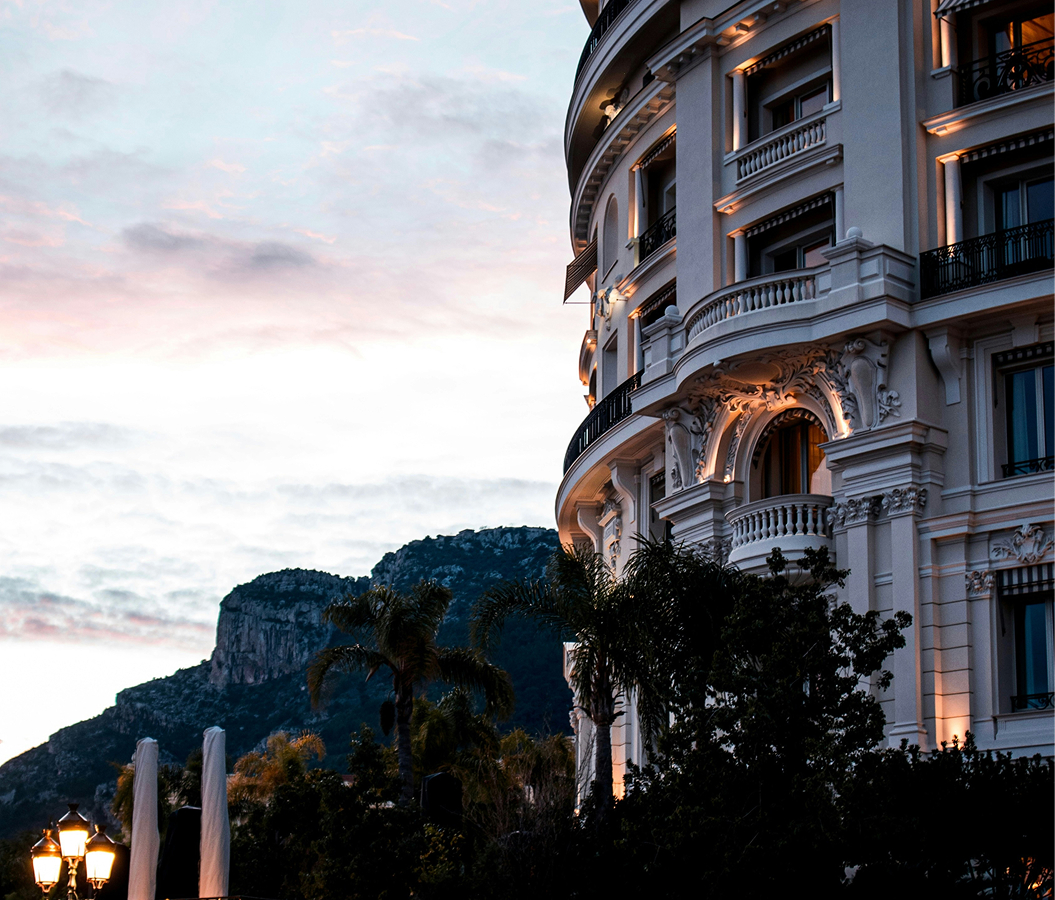
Pavyllon Monte-Carlo is best known for celebrated French chef Yannick Alléno's innovative approach to contemporary gastronomy, combining advanced culinary techniques with the Mediterranean ingredients of the French and Italian Riviera. Located within the historic Hôtel Hermitage Monte-Carlo overlooking the Mediterranean, the restaurant opened in April 2022 as the Monegasque extension of Alléno's Pavyllon concept, originally introduced at Paris's Pavillon Ledoyen in 2019. Alléno developed his international reputation through a technically ambitious interpretation of French haute cuisine, becoming particularly influential for his research into modern sauces and the extraction of concentrated natural flavors. His culinary investigations intensified in 2013 with the development of Extraction®, a technique employing controlled temperatures to isolate and preserve the aromatic properties of ingredients. At Pavyllon Monte-Carlo, this philosophy incorporates cold extraction, fermentation, precise cooking temperatures, and carefully constructed sauces into preparations celebrating regional seafood, seasonal vegetables, and Mediterranean agricultural traditions. The restaurant occupies the former Vistamar dining space, transformed by interior designer Chahan Minassian into an elegant contemporary setting centered on an expansive counter overlooking the open kitchen. Its culinary repertoire has included San Remo shrimp, vegetable ravioli in delicate spring broth, langoustines prepared with Meursault wine, and refined desserts incorporating birch-derived sweeteners. Pastry chef Valentin Mille contributes seasonal creations emphasizing natural flavors, delicate textures, and restrained sweetness. The restaurant's landscaped terrace overlooks the Mediterranean and Monaco's historic Rock, connecting Alléno's inventive French cuisine with the principality's distinguished tradition of luxury hospitality.
Day 2: Musée Océanographique de Monaco
Musée Océanographique de Monaco is best known for its extraordinary marine science collections and expansive architecture overlooking the Mediterranean Sea from the cliffs of Monaco-Ville. Founded by Prince Albert I and inaugurated in 1910, the museum emerged from the prince's extensive oceanographic expeditions and his commitment to advancing scientific understanding of the world's oceans. Architect Paul Delefortrie designed the imposing building, whose foundations descend dramatically along the rocky promontory above the Mediterranean. Albert I conducted numerous scientific voyages aboard research vessels including Hirondelle and Princesse Alice, collecting marine specimens and supporting pioneering studies of oceanography, marine biology, and deep-sea environments. The museum's collections encompass marine organisms, scientific instruments, expedition artifacts, and extensive aquarium exhibits devoted to Mediterranean and tropical ecosystems. Jacques-Yves Cousteau served as director from 1957 to 1988, expanding the institution's international influence through marine conservation, scientific education, and public engagement. Musée Océanographique de Monaco represents one of Europe's most significant institutions devoted to ocean exploration and the preservation of marine environments.
Day 2: Les Ambassadeurs by Christophe Cussac
Les Ambassadeurs by Christophe Cussac is best known for its sophisticated interpretation of contemporary Mediterranean cuisine within the historic Hôtel Métropole Monte-Carlo. Chef Christophe Cussac developed his culinary career through extensive experience in acclaimed French kitchens, including work associated with the gastronomic traditions of Joël Robuchon. His cooking emphasizes the relationship between classical French technique and the exceptional ingredients of the Mediterranean, incorporating seafood, seasonal vegetables, aromatic herbs, and refined preparations shaped by southern European culinary traditions. The restaurant's dining room combines contemporary elegance with the architectural heritage of the Hôtel Métropole, whose origins extend to the Belle Époque development of Monte-Carlo. Cussac's culinary approach reflects a commitment to precision, restrained presentation, and the preservation of ingredient quality. Les Ambassadeurs received two MICHELIN stars in the 2024 MICHELIN Guide, establishing its position among Monaco's leading contemporary fine-dining institutions. The restaurant represents an important expression of modern Riviera gastronomy through its combination of classical technique, Mediterranean ingredients, and distinguished culinary leadership.
Day 3: Café de Paris Monte-Carlo
Café de Paris Monte-Carlo is best known for its historic position on Place du Casino and its longstanding association with the social and culinary traditions of Monte-Carlo's Belle Époque resort culture. Established in 1868, the institution developed alongside the casino and surrounding luxury hotels during the principality's nineteenth-century transformation into an international destination for European aristocracy. Its prominent terrace overlooks the architectural ensemble of Casino de Monte-Carlo and Hôtel de Paris, establishing one of the Mediterranean's most celebrated café settings. The establishment's culinary character draws on traditional French brasserie cooking, emphasizing classic breakfast preparations, pastries, seafood, meats, and established dishes associated with Parisian and Riviera dining culture. A major renovation completed in 2023 introduced redesigned interiors and expanded hospitality spaces, continuing the institution's relationship with Monte-Carlo's evolving luxury tourism industry. Café de Paris represents an enduring expression of European café culture through its historic architectural setting and central role in the social life of the principality.
Day 3: Exotic Garden of Monaco
Exotic Garden of Monaco is best known for its extraordinary collection of succulent plants cultivated along the steep limestone cliffs overlooking the Mediterranean Sea. Developed under the patronage of Prince Louis II, the garden opened in 1933 and became one of Europe's most distinctive botanical institutions devoted to plants adapted to arid environments. Its collections encompass cacti, agaves, aloes, and other succulents originating from the Americas, Africa, and the Arabian Peninsula. The garden's terraced pathways follow the dramatic natural contours of Monaco's rocky hillside, creating expansive views across the principality, Port Hercule, and the surrounding coastline. Beneath the cultivated landscape, the Grotte de l'Observatoire contains limestone formations shaped by geological processes extending across immense periods of natural history. The garden's scientific significance reflects Monaco's broader tradition of supporting botanical research and natural history institutions. Jardin Exotique de Monaco represents an exceptional combination of specialized horticulture, Mediterranean geology, and dramatic landscape architecture.
Day 3: Larvotto Beach
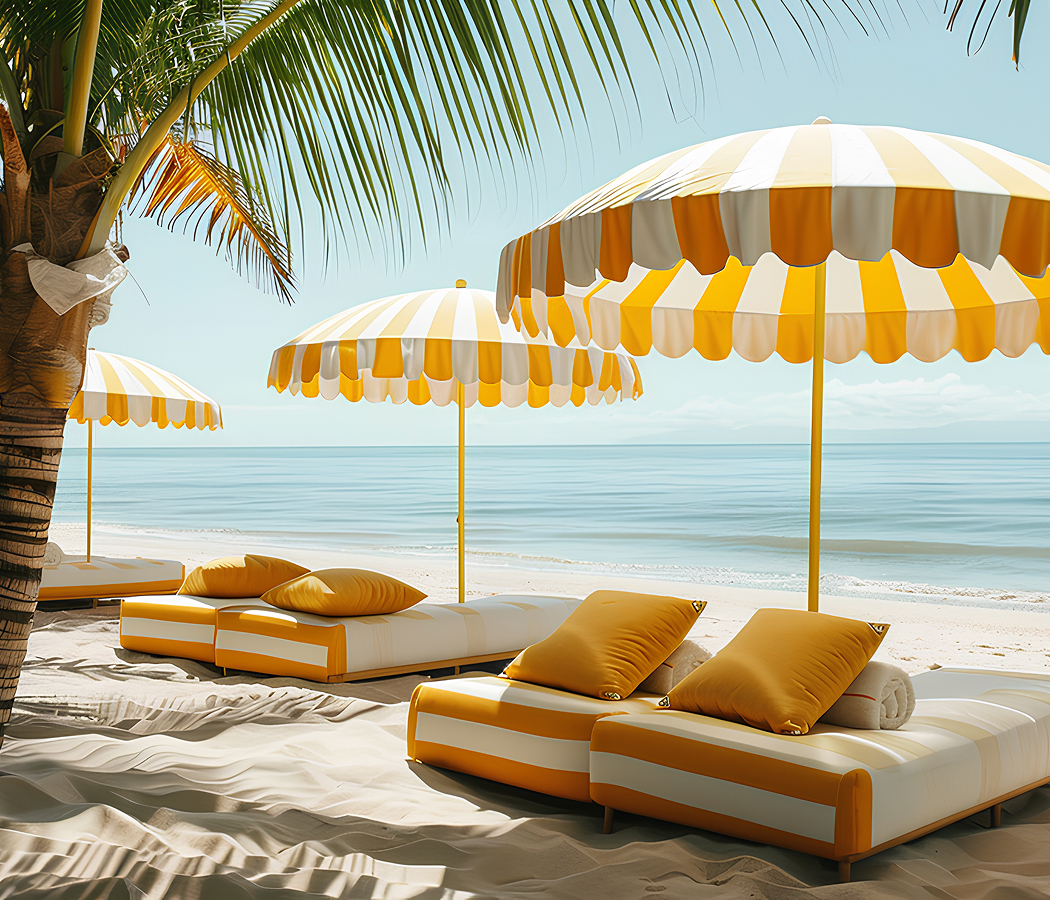
Larvotto Beach is best known for its carefully developed Mediterranean waterfront and its central role in Monaco's coastal recreation culture. Located along the eastern shoreline of the principality, the beach forms part of a substantial urban waterfront shaped by successive engineering and land-reclamation projects. Monaco's limited terrestrial area encouraged the development of coastal infrastructure that expanded recreational space along the Mediterranean. The Larvotto district developed into an important residential and leisure area through its proximity to Monte-Carlo and the principality's eastern coastal boundary. A major waterfront redevelopment completed in 2021 introduced redesigned promenades, landscaped public areas, and contemporary beach facilities. The beach's protected coastal setting provides views across the Mediterranean toward the mountainous shoreline of the French Riviera. Larvotto Beach represents an important achievement in Monaco's coastal urban development through its integration of public recreation, waterfront engineering, and contemporary Mediterranean landscape design.
Day 3: Blue Bay Marcel Ravin
Blue Bay Marcel Ravin is best known for chef Marcel Ravin's inventive interpretation of Mediterranean and Caribbean cuisine within the Monte-Carlo Bay Hotel & Resort. Born in Martinique, Ravin developed a culinary character shaped by the agricultural traditions, aromatic ingredients, and cooking techniques of the Caribbean, subsequently integrating those influences with the seafood and seasonal produce of the Mediterranean. His cuisine emphasizes carefully prepared fish, tropical ingredients, vegetables, herbs, and contemporary compositions that connect distinct regional culinary traditions. The restaurant's celebrated signature preparations reflect Ravin's commitment to personal culinary authorship and the relationship between his Caribbean heritage and his professional career in Monaco. Blue Bay received two MICHELIN stars in 2022, establishing its position among the principality's most distinguished contemporary restaurants. Its elevated dining room overlooks the Mediterranean, connecting the restaurant's culinary character with Monaco's dramatic coastal geography. Blue Bay represents an influential expression of contemporary Mediterranean gastronomy through its combination of Caribbean culinary heritage, technical ambition, and distinctive creative leadership.
Where your story begins.
Foresyte Travel reveals places that feel extraordinary long before you arrive.
Enjoy editorial crafted for luxury travelers.
Foresyte may earn a commission when you book.